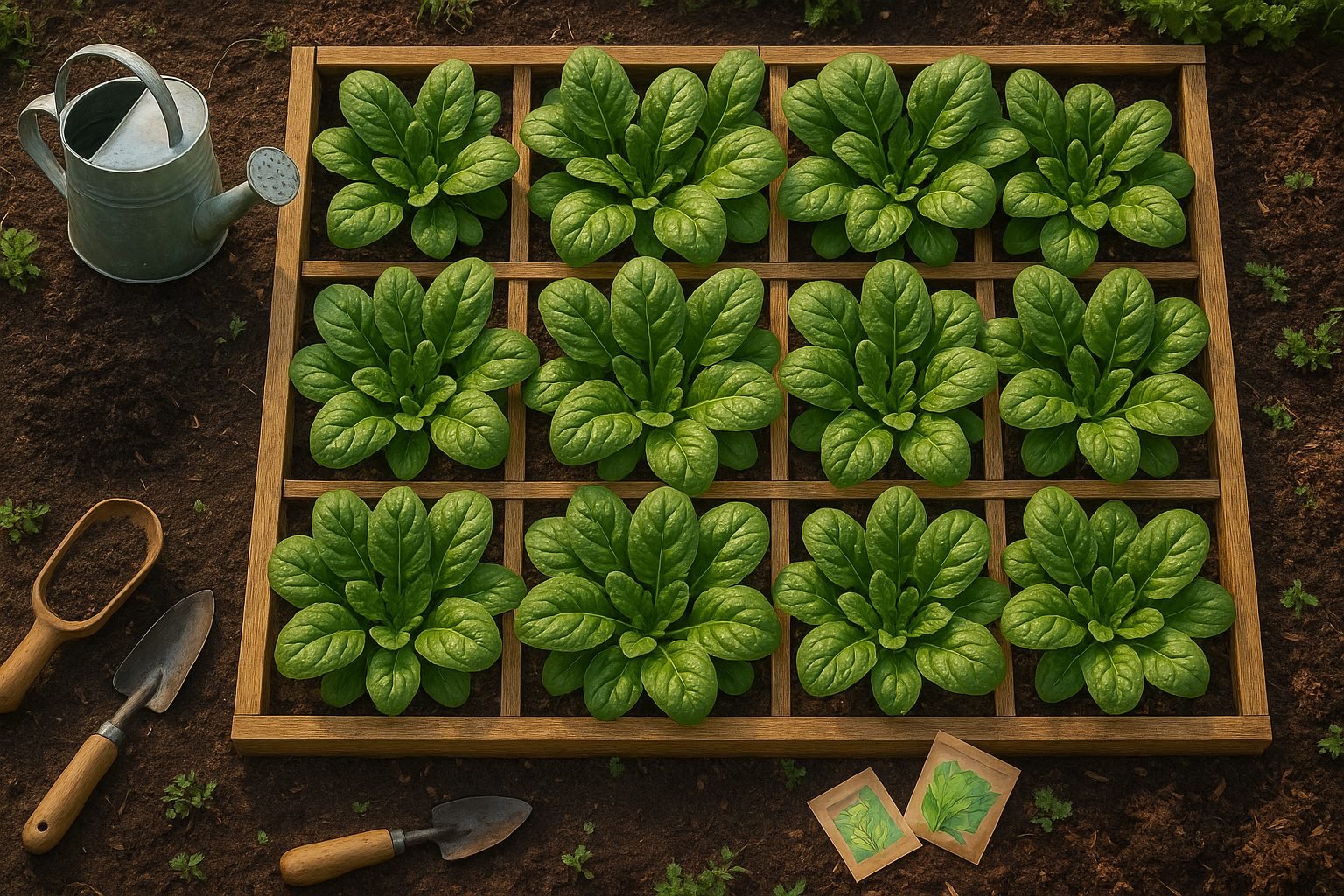
Introduction to Growing Spinach in Square Foot Gardens
If you’re wondering how many spinach plants per square foot will give you a lush, productive harvest, you’re in the right place. Square foot gardening is a clever method that divides growing space into manageable one-foot squares, maximizing yields in small areas and simplifying the process for both beginners and seasoned gardeners. This approach is especially useful for crops like spinach, which is well-loved not just for its crisp, tender leaves but also for its impressive stash of iron, vitamins, and antioxidants.
Spinach grows quickly—sometimes ready to harvest in as little as 30-40 days—making it a favorite for anyone hoping to enjoy fresh, homegrown greens without a long wait.
With square foot gardening, you can make every inch of your garden bed work harder, and it’s much easier to plan, plant, and tend. No more wasted seeds or overgrown rows! Instead, you’ll know exactly how many spinach seedlings to tuck into each square, whether you’re filling a single 4×4 bed on your patio or weaving spinach in among other vegetables for a diverse kitchen garden.
In this guide, you’ll get straightforward, step-by-step tips on how to figure out the ideal number of spinach plants per square foot, how to prepare your soil, when and how deep to plant seeds, and the best watering and harvesting practices for a bumper crop. Let’s dive into how to grow vibrant, healthy spinach the smart way—one square at a time.
Spinach Growing Basics
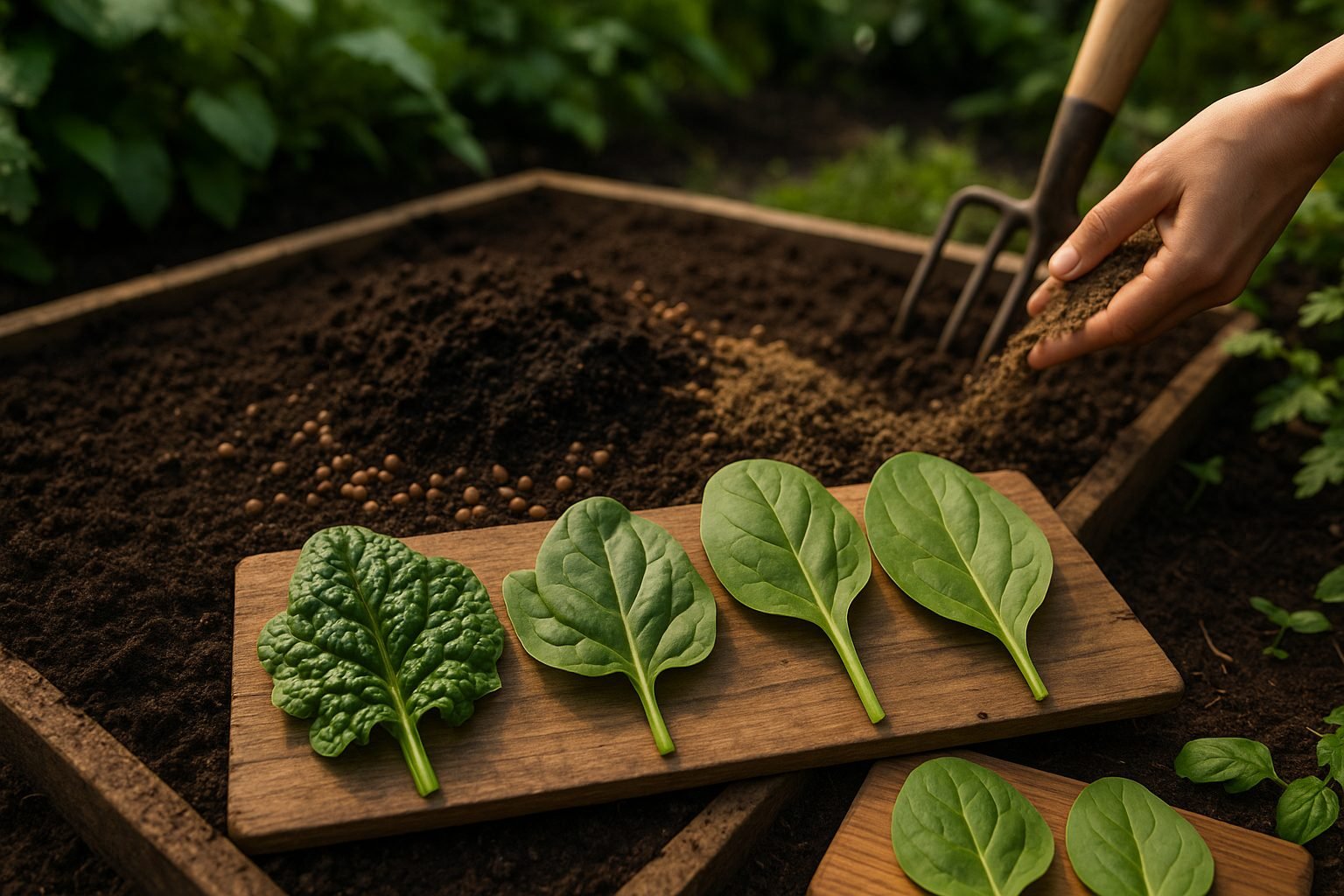
Growing spinach successfully starts with understanding its ideal growing conditions. Spinach thrives in cool weather, making it perfect for spring or fall gardens. Choose a spot with full sun to light shade—about 4 to 6 hours of sunlight daily is best. Well-draining, loose soil rich in organic matter gives spinach room to spread its roots and helps minimize moisture-related problems. Aim for soil with a neutral to slightly alkaline pH (6.5–7.5).
Keep the soil consistently moist but not soggy, watering early in the day to reduce disease risk. Spinach prefers cool temperatures between 45°F and 75°F; hot summers can cause it to bolt or go to seed quickly, so plan your planting schedule around this window.
Varieties of Spinach
Spinach comes in several varieties:
- Savoy: Crinkled dark leaves.
- Semi-savoy: Slightly less textured leaves.
- Smooth-leafed: Easy to wash and great for salads.
If you’re looking for disease resistance or bolt tolerance, newer hybrid varieties like Bloomsdale or Tyee are worth considering, especially in warmer climates.
Site Preparation and Planting
Good site preparation is key: remove weeds, loosen the soil about a foot deep, and amend beds with compost before planting. Decide whether to sow seeds directly outside or start them indoors. Direct seeding is most common for spinach, as the plants don’t love transplanting, but starting seeds indoors can give you a head start if your season is particularly short.
For either method, space seeds about an inch apart, thin seedlings if needed, and keep an eye on moisture levels for quick, healthy germination. Selecting the right variety and prepping your planting area well will go a long way toward growing a lush, tasty spinach crop.
Planting Spinach in a Square Foot Garden
For gardeners eager to maximize their space, spinach is a great choice for square foot gardening. To start, plan your sowing for early spring as soon as the soil is workable, or in late summer if you want a fall crop—spinach grows best in cool weather and may bolt in the heat.
Prepare your square foot garden bed by loosening the soil and mixing in some compost for added nutrients. For each square foot, you can plant nine spinach seeds, which means a 3×3 grid per square is ideal; this spacing ensures each plant has room to grow without crowding.
Sow the seeds about half an inch deep, lightly cover with soil, and gently water to keep the area consistently moist until germination, which usually takes one to two weeks.
If you’re starting indoors, use seed trays in a cool spot with plenty of light, and transplant seedlings outdoors when they have two true leaves and the risk of frost is minimal. However, spinach generally prefers to be direct-seeded outdoors, as it dislikes root disturbance. In hot climates or to get a head start in very early spring, starting indoors is helpful, but be careful not to let the roots get tangled.
Throughout the growing season, ensure you’re watering regularly but not oversaturating, and consider adding a bit of mulch to retain soil moisture and keep weeds at bay. With just a little planning and attention to detail, you’ll be harvesting fresh, homegrown spinach from your square foot garden in about 35 to 45 days.
Spacing and Layout Tips for Spinach
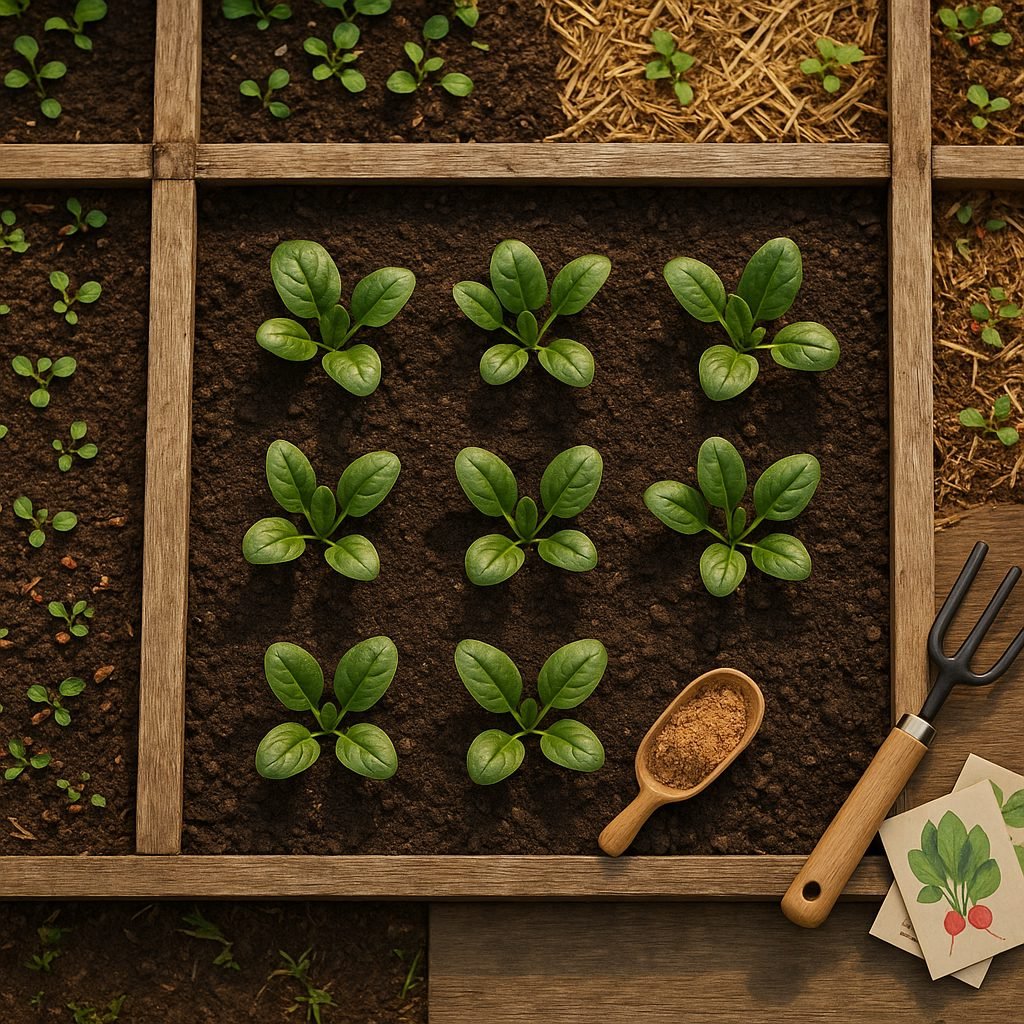
When planting spinach in a square foot garden, you can fit up to nine plants per square foot, spacing seeds or seedlings about four inches apart in a grid pattern. This spacing ensures that each spinach plant gets enough sunlight, airflow, and room for root development—crucial factors for preventing diseases like downy mildew and encouraging robust leaf growth.
Overcrowding can lead to stunted plants and increase the risk of fungal issues, so resist the urge to pack seedlings too closely together.
Companion Planting
Consider pairing spinach with crops like radishes, carrots, or strawberries. These neighbors not only make efficient use of space but can also help reduce pests and provide shade for tender spinach seedlings in warmer climates.
Maximizing Yield
To maximize yield, stagger your plantings every two weeks for a continuous harvest. Routinely remove outer leaves rather than harvesting entire plants at once; this “cut-and-come-again” method encourages the growth of new leaves.
Soil and Maintenance Tips
- Mulch with straw or shredded leaves to retain soil moisture, prevent weeds, and support steady growth.
- Rotate your spinach patch each season to keep soil healthy and nutrients balanced.
- Consider adding a slow-release organic fertilizer for a nutrient boost without overwhelming the plants.
By thoughtfully managing plant spacing, companions, and harvest strategies, you’ll enjoy a thriving, productive spinach patch all season long.
Caring for Spinach: Maintenance and Troubleshooting
Caring for spinach is simple but requires attention to a few essentials for a healthy, abundant harvest. Start by watering regularly; spinach thrives in consistently moist soil, so aim for about one inch of water per week, adjusting based on rainfall. Use a soaker hose or water in the morning to minimize leaf wetness and prevent disease.
Mulching with straw or shredded leaves helps retain moisture, suppress weeds, and keep roots cool—especially important during warmer months. Fertilize lightly with a balanced, nitrogen-rich fertilizer when plants are a few inches tall, but avoid over-fertilizing, which can cause leaf burn or excessive growth without flavor.
Pest Management
Spinach’s most common pests include aphids and leaf miners. Encourage beneficial insects like ladybugs or use a gentle insecticidal soap to manage aphids. Cover seedlings with row covers to block leaf miners.
Disease Prevention
Downy mildew and leaf spot are frequent diseases, especially in humid conditions. Plant resistant varieties when possible and provide adequate airflow by avoiding overcrowding.
Troubleshooting Common Issues
- If you notice slow growth or yellowing leaves, check for overwatering or poor drainage, both of which can suffocate roots.
- Nitrogen deficiency may cause pale, yellow leaves; a side-dress of compost or diluted fish emulsion can help.
- For stunted plants, ensure your spinach isn’t exposed to excessive heat, as it prefers cool weather.
- Check soil pH—spinach likes slightly acidic to neutral soil.
Ultimately, a watchful eye and prompt action are your best tools. Frequent inspections and early intervention will keep your spinach beds thriving throughout the season.
Harvesting and Storing Your Spinach
Knowing when to harvest your spinach is key to enjoying its best flavor and texture. Look for leaves that are dark green and at least 3–4 inches long—generally about 5–7 weeks after planting for most varieties. If you wait too long, especially as temperatures rise, spinach can start to bolt and the leaves may become bitter.
For harvesting, use scissors or garden shears to snip individual outer leaves first, leaving the inner leaves to mature for a steady supply over time. Avoid tearing or pulling at the plant, as that can damage the roots and slow regrowth.
Extending Your Harvest
To extend your spinach harvest, try succession planting by sowing new seeds every couple of weeks throughout the growing season; this ensures you have young, tender leaves ready as older plants finish. Another tip is to always harvest just a few leaves per plant at a time, which encourages continued growth and helps prevent bolting, especially in spring and fall.
Storing Spinach for Freshness
When it comes to storing spinach, work quickly to maintain freshness—harvest in the cool morning hours and avoid letting leaves wilt in the sun. Rinse spinach thoroughly in cold water to remove dirt and grit, then gently pat dry with a towel or use a salad spinner. Store the cleaned leaves in a plastic bag or airtight container in the refrigerator, adding a paper towel to absorb excess moisture. This way, spinach stays crisp and usable for up to a week.
Freezing Excess Spinach
If you find you’ve grown more than you can eat, consider freezing it: blanch the leaves briefly in boiling water, then cool them in ice water, drain thoroughly, and pack into freezer bags. This simple approach lets you enjoy homegrown spinach in soups and smoothies for months to come.
Frequently Asked Questions About Spinach in Square Foot Gardening
Growing spinach in a square foot garden is straightforward, but beginners often have a few questions.
One common concern is spacing: plant about nine spinach seeds per square foot for healthy, manageable growth.
Wondering when to harvest? The best time is when leaves reach 3-4 inches long—just snip the outer leaves and let the center keep producing for weeks.
If you’re curious about yield, a single square foot can provide enough spinach for a small salad every couple of weeks, but results can vary based on sunlight and watering.
Keep an eye out for common pests like aphids or leaf miners; checking your plants a few times a week and removing affected leaves early on keeps bigger problems at bay.
Downy mildew and other diseases might pop up in wet conditions, so be sure to water at the soil line rather than the leaves and space your squares to allow air flow.
Square foot gardening is all about adapting—experiment with different spinach varieties and planting times to see what thrives in your microclimate.
Every garden is a little different, so take notes on what works and don’t be afraid to tweak your approach as you go.