Introduction to Potato Pollination
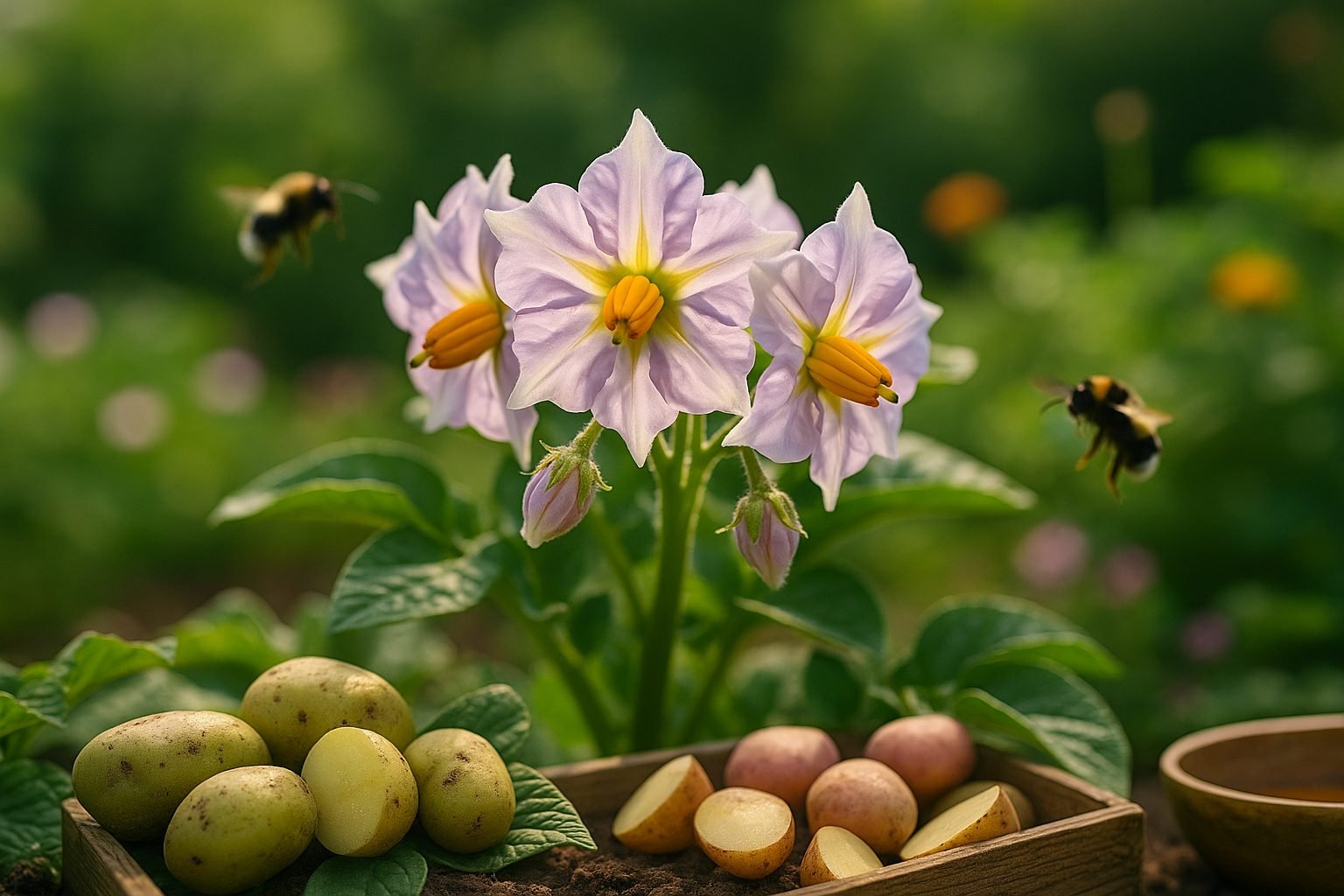
potato pollination is a fascinating process that often gets overlooked, even by seasoned gardeners. Pollination is the transfer of pollen from one flower to another, enabling plants to produce fruit and seeds. For potato plants, pollination isn’t strictly necessary to grow the underground tubers we eat—unlike crops such as apples or tomatoes, which need pollinated flowers to bear fruit. However, potato pollination plays an important role in the plant’s natural life cycle, particularly in producing seeds for breeding new varieties and maintaining genetic diversity.
In nature, wind and insects like bees can facilitate this process, but it’s far less crucial for the typical backyard grower focused solely on harvesting spuds for the kitchen.
What sets potato pollination apart is that potatoes are often grown from “seed potatoes”—actual tuber pieces—rather than true seeds, so the pollination of potato flowers is less critical for annual harvests. This is different from crops like peas or squash, where successful pollination is directly tied to the production of edible parts. Because of this, many gardeners don’t consider potato pollination at all.
But if you’re interested in saving true potato seeds or developing your own varieties, understanding how potato flowers are pollinated—and whether they need a helping hand—becomes much more important.
In this article, we’ll explore why potato pollination matters, how it happens in nature, and whether or not you need to assist your potato plants. We’ll also touch on practical tips for gardeners interested in breeding potatoes or saving seeds. Whether you’re a hobbyist or a curious home grower, you’ll learn everything you need to know about pollinating potatoes.
Potato Flower Structure and Pollination Mechanism
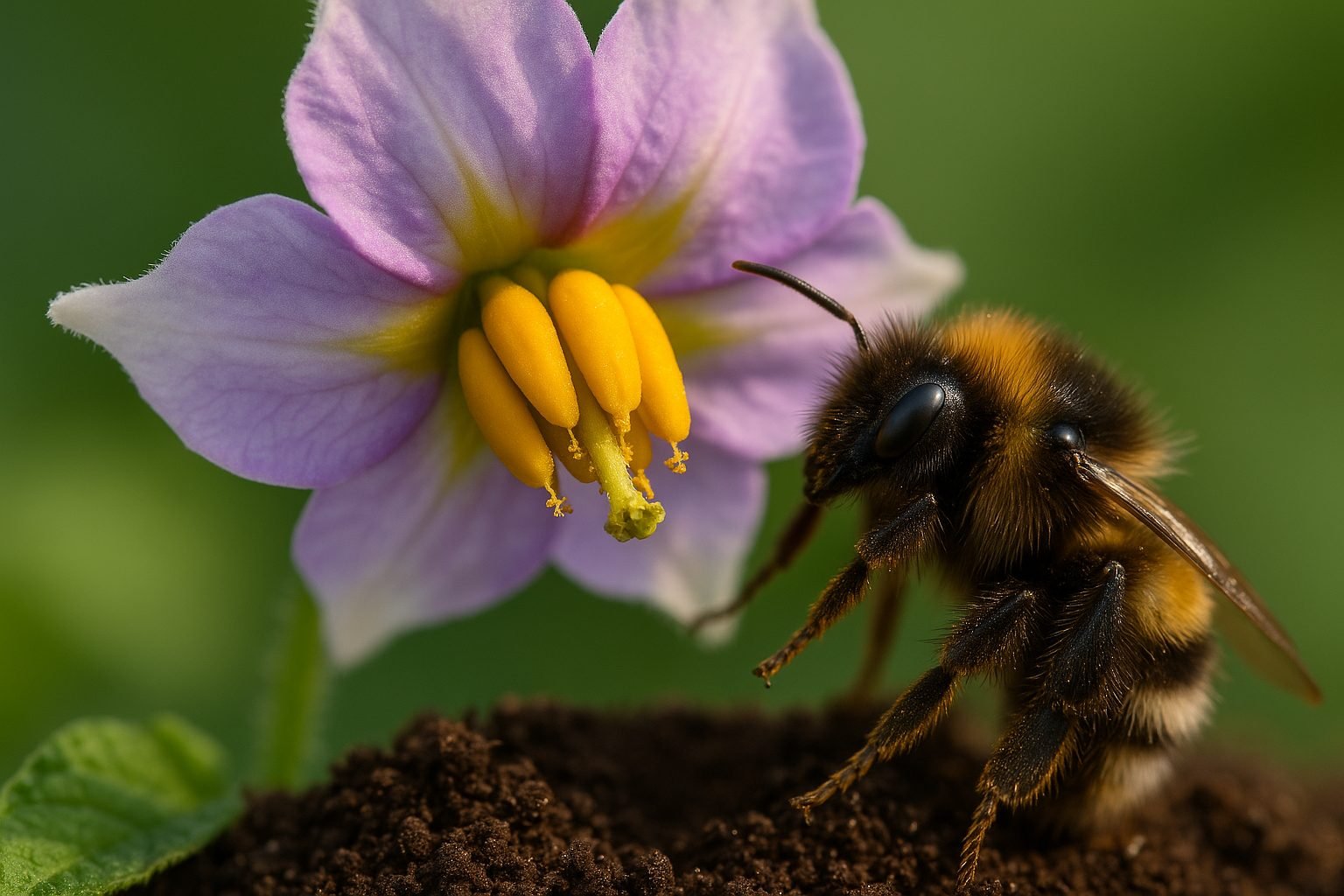
Potato flowers might seem small and humble, but their structure is a fascinating example of nature’s engineering. Each potato flower typically has five pale to purple petals fused at the base to form a star-like shape, with the reproductive organs front and center.
At the heart of the flower sit the stamens—the male parts—each tipped with a yellow anther that produces pollen. These anthers surround the pistil, the female part, which includes the stigma (the sticky tip that catches pollen), the style, and the ovary where seeds develop.
Potatoes have what’s called a “poricidal anther,” meaning the pollen is released through small pores at the tips of the anthers rather than from all surfaces. This unique feature requires a vibration—often provided by buzzing insects like bumblebees—to shake the pollen loose, a process known as “buzz pollination.”
While potato plants are capable of self-pollination (where pollen falls from anthers to stigma within the same flower), cross-pollination between different plants can and does occur, usually with help from these pollinators. Cross-pollination is important for introducing genetic diversity, especially in breeding programs.
Many commercial potato varieties produce few viable seeds, focusing their energy on tubers, but when pollination is successful, you may spot small green “potato berries.”
In summary, the potato flower’s anatomy and its adaptations, like poricidal anthers, support both self- and cross-pollination but rely heavily on insect activity to maximize successful pollination and genetic diversity. For gardeners interested in saving potato seeds, encouraging bumblebees with companion flowers or avoiding pesticide use can make a real difference in pollination success.
The Role of Pollinators in Potato Reproduction
While potatoes are often grown from tubers rather than seeds, pollinators like bees, bumblebees, and some flies still play an important role in their reproduction, especially for breeding and maintaining genetic diversity. Bees are particularly effective at transferring pollen between the small, delicate flowers of potato plants, encouraging the development of true potato seeds inside small green berries.
These seeds are crucial for plant breeders developing improved potato varieties with better disease resistance and higher yields. Without enough pollinators, potato flowers often self-pollinate, which can lead to less genetic variation and potentially weaker offspring.
In fields where pollinators are scarce—such as those near urban areas, heavily sprayed with pesticides, or covered during bloom—seed production drops noticeably.
As a practical tip for home gardeners or small farmers hoping to save potato seeds or experiment with breeding, encouraging pollinators can be as simple as planting other flowering species nearby, avoiding chemical sprays during flowering, and providing habitats like hedgerows or bee hotels.
Although the edible potato tubers we harvest don’t directly depend on pollinators, healthy seed formation ensures vigorous plant stocks for the future. Therefore, supporting pollinator populations around potato crops is a smart long-term investment for sustainable production and crop resilience.
Enhancing Pollination in Potato Cultivation
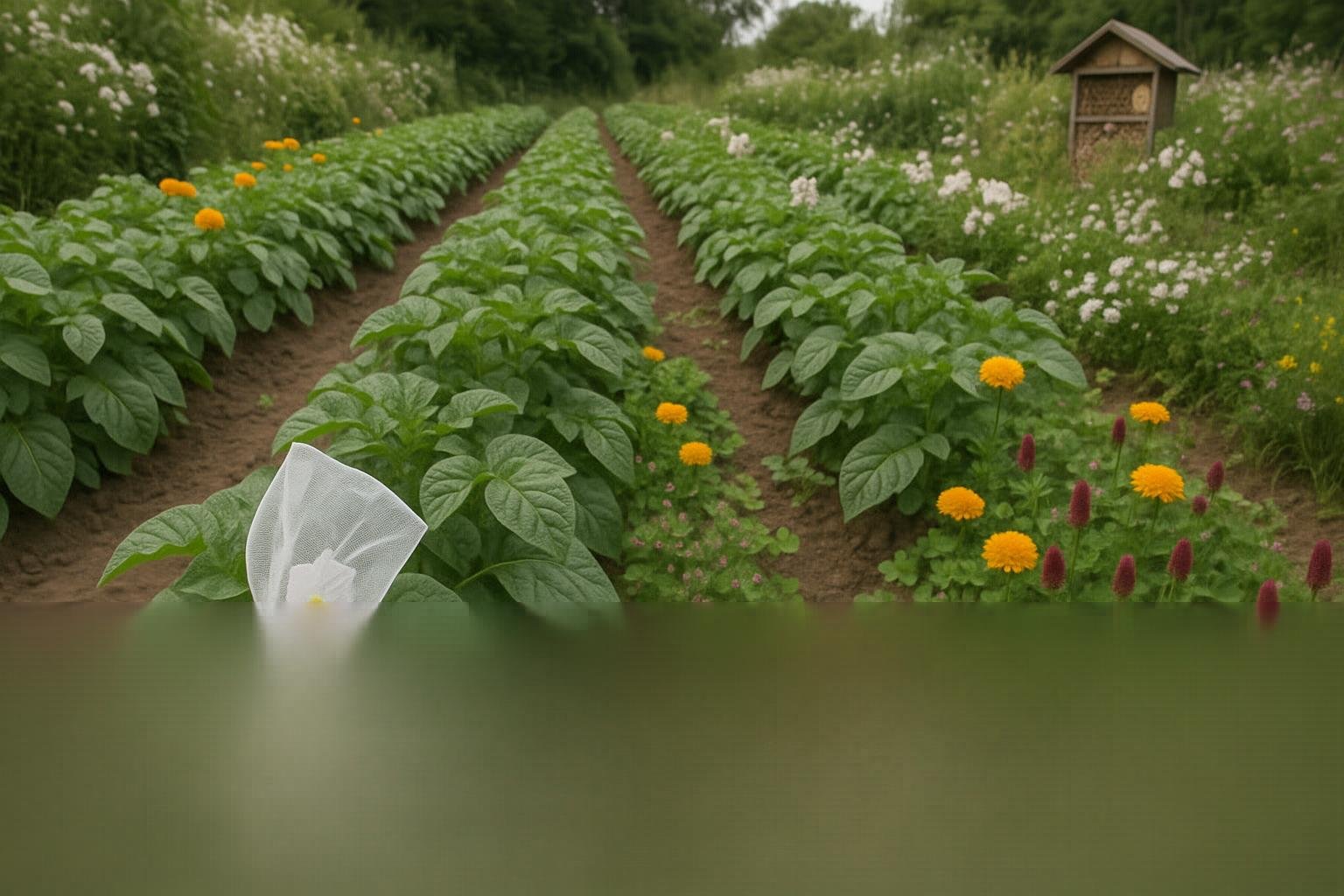
Boosting pollination in potato fields can lead to better yields and healthier crops, even though potatoes are largely self-pollinating. One practical strategy is planting flowering companion plants along the edges or between potato rows—think marigolds, buckwheat, or clover—which attract bees and beneficial insects that assist with pollination and reduce pest problems.
Limiting the use of broad-spectrum pesticides is also vital, as these chemicals can harm friendly pollinators like bumblebees. Instead, opt for targeted pest management by applying treatments in the evening when pollinators are less active or using organic alternatives whenever possible.
In breeding programs or when producing true potato seeds, manual pollination techniques become crucial. This involves carefully transferring pollen from the anther of one plant to the stigma of another, often using a small paintbrush or tweezers. To improve success, breeders may emasculate the flowers (remove male parts) before they open and cover them with bags to prevent unwanted pollen contamination, ensuring cross-pollination only happens between selected plants.
Actively managing pollination doesn’t just boost immediate yields—it’s essential for maintaining genetic diversity within the crop, which helps potatoes adapt to disease, pests, and changing climates over time. By attracting natural pollinators, using responsible pest control methods, and applying thoughtful manual breeding techniques, growers can support both the productivity and resilience of their potato crops.
Overcoming Pollination Challenges and Barriers
Potato pollination faces several challenges, starting with environmental factors like temperature and humidity, which can affect pollen viability and stigma receptivity. In many cultivated potato varieties, high levels of sterility—both male and female—further complicate things, making it difficult to produce true botanical seed instead of just tubers.
This sterility hampers traditional breeding efforts and can slow progress toward developing new varieties with desirable traits. Additionally, breeding complications arise from the crop’s complex genetics: potatoes are typically tetraploid, and finding compatible parents for cross-pollination isn’t always straightforward.
To address these barriers, breeders often turn to manual cross-pollination, carefully transferring pollen by hand to ensure successful fertilization. Selecting parent varieties with demonstrated fertility and compatibility helps increase the odds of success, while integrating wild potato relatives into breeding programs introduces much-needed genetic diversity and resilience, such as disease or drought resistance.
Wild relatives can also bring in traits for better fertility, making crossing easier in future generations. Emphasizing genetic diversity and fertility in breeding programs not only helps overcome pollination hurdles but also builds a stronger foundation for potatoes to adapt to future challenges, whether that’s evolving pests or a changing climate.
If you’re a gardener or breeder, experimenting with different potato types or even collaborating with others on pollination projects can dramatically improve your success in producing true seed and new varieties.
Advances in Potato Breeding and Pollination Technologies
Potato breeding has evolved dramatically from traditional methods to state-of-the-art technologies, improving both yield and resilience. Historically, breeders relied on selecting desirable traits from successive generations and manually pollinating flowers to combine qualities like disease resistance, drought tolerance, or enhanced flavor. This process, while effective, was time-consuming and often unpredictable because potato plants typically reproduce asexually through tubers and maintain genetic uniformity.
Modern breeding approaches, however, are rapidly transforming this landscape. Tools like marker-assisted selection use genetic markers to identify plants with target traits early in the breeding cycle, allowing scientists to efficiently breed potatoes with specific resistances or nutritional profiles. One of the most promising innovations is the development of hybrid potatoes, which for the first time uses true potato seeds produced through controlled cross-pollination of carefully selected parent plants. These hybrids can offer uniformity in crop performance, improved vigor, and adaptability to varying climates.
Innovations in pollination technologies—such as precision breeding and the use of pollination chambers—ensure that desired genetic crosses are successful and repeatable. Recent research has also led to potatoes that are less prone to major diseases like late blight, reducing dependence on chemical pesticides and making potato farming more sustainable.
These breeding advancements are critical in the fight for global food security: potatoes are a vital staple crop feeding over a billion people, and their productivity must keep pace with population growth and climate challenges. By accelerating the development of hardier, higher-yield, and more nutritious potato varieties, modern breeding and pollination technologies provide powerful tools for farmers worldwide—especially in regions facing drought, soil salinity, or disease pressure—ensuring reliable harvests and a more stable global food supply.
Conclusion and Future Prospects
Understanding potato pollination highlights its crucial role in agriculture, especially as farmers aim to improve yield and crop diversity. While cultivated potatoes mostly reproduce through tubers, successful pollination is vital in breeding programs that develop new disease-resistant or climate-adapted varieties.
Recent studies emphasize the benefits of encouraging natural pollinators—like bees and hoverflies—near potato fields. This approach results in stronger hybrid seeds and greater genetic diversity. Looking forward, researchers are exploring advanced techniques such as gene editing and controlled cross-pollinations to speed up the breeding of potatoes that are resilient to pests, drought, and changing climates.
There is also growing interest in supporting wild potato species as valuable genetic resources for future food security. For farmers and home gardeners alike, simple steps such as planting pollinator-friendly flowers around potato crops or reducing pesticide use can make a meaningful difference. These actions not only improve potato development but also promote healthier ecosystems.
As research continues to reveal new possibilities, embracing and advocating sustainable pollination practices will help ensure potatoes remain a staple food for generations to come. Appreciating the connection between pollinators, researchers, and farmers can inspire collective efforts toward a more resilient and productive agricultural future.