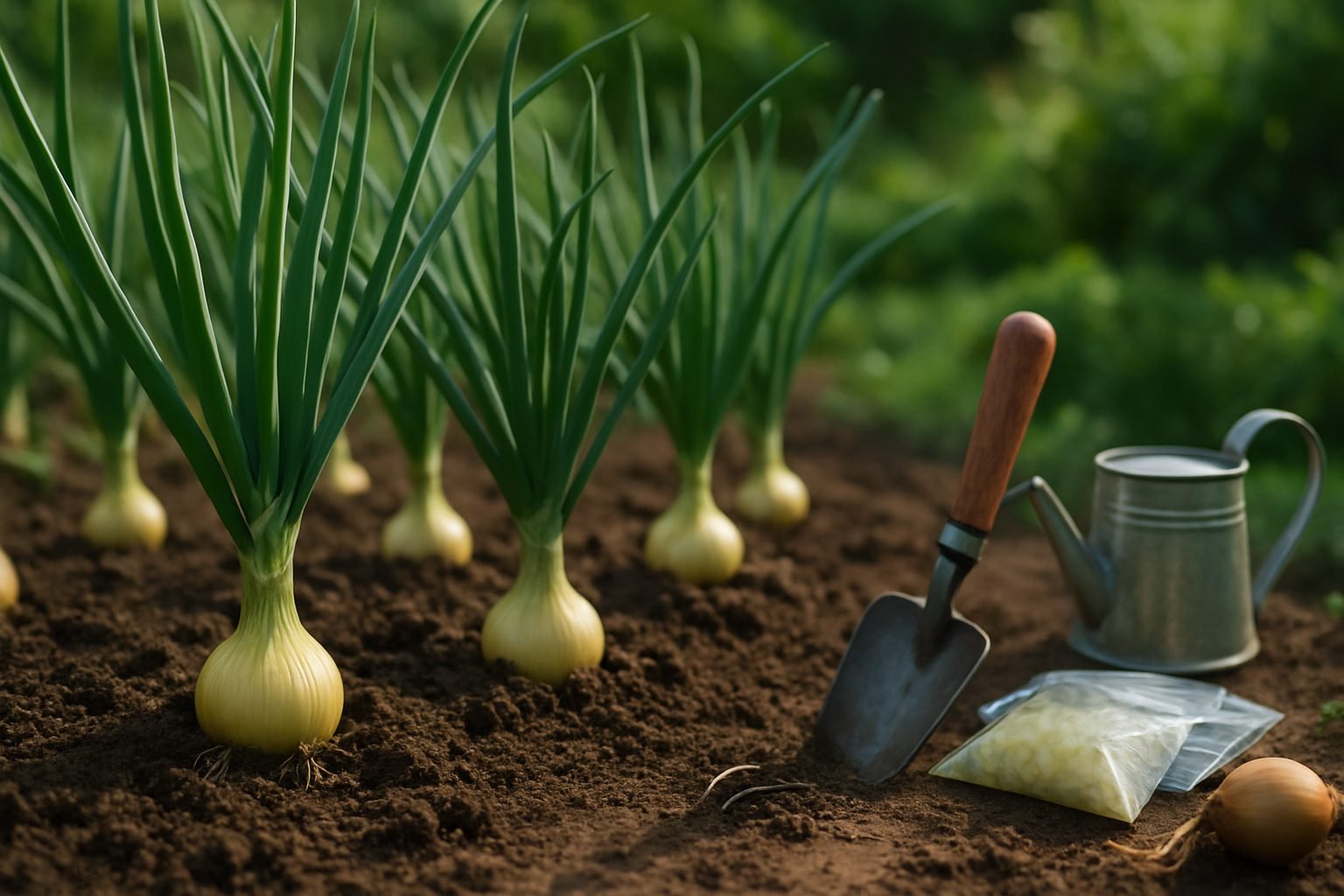
Understanding the Onion Bulbing Process
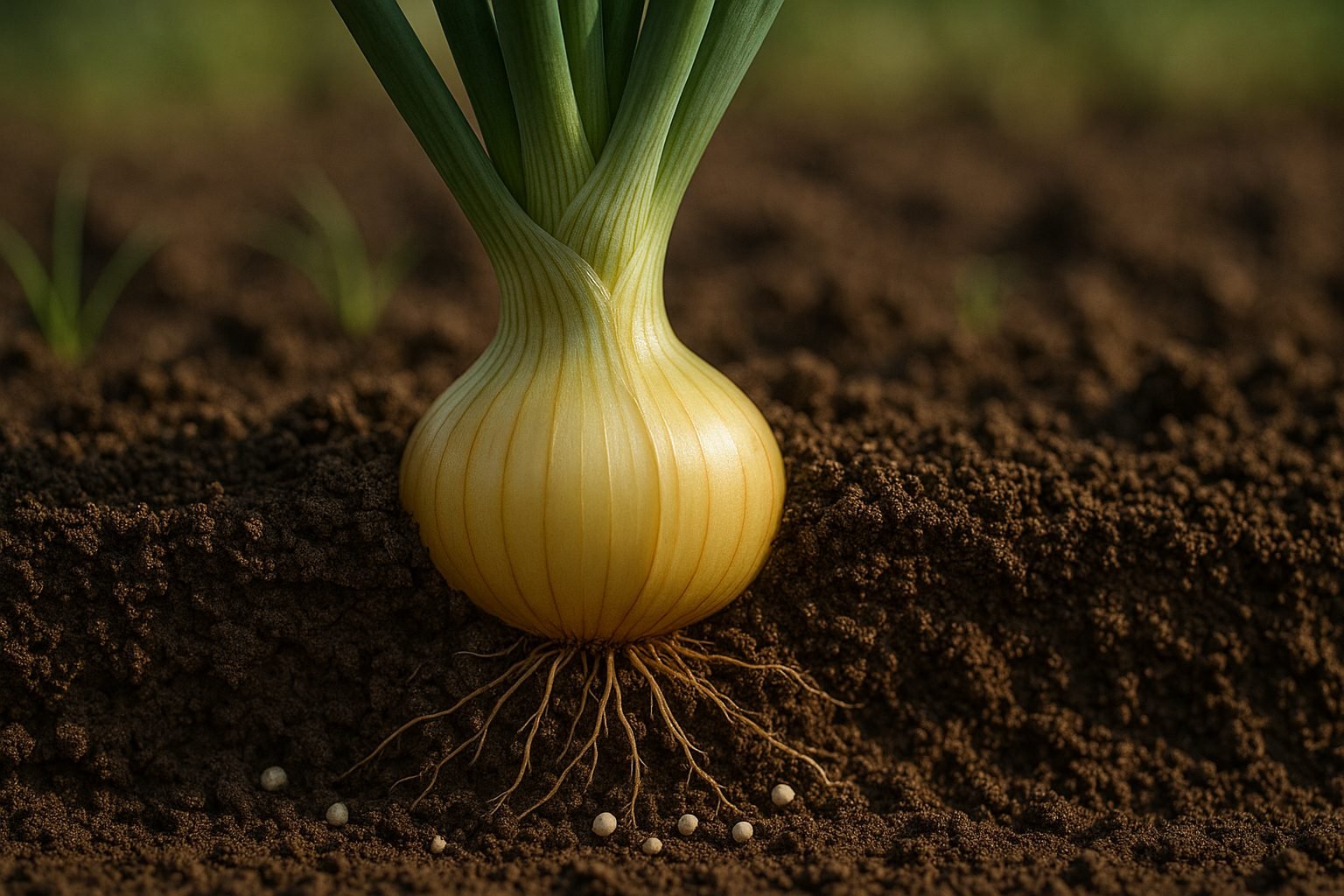
If you’ve found yourself frustrated by onions not bulbing as you expected, you’re not alone—this is a common concern for gardeners, both new and seasoned. To understand why your onions aren’t reaching that satisfying, plump stage, it helps to first know how the bulbing process works.
Onions transition through two primary growth phases. The first is the vegetative phase, when the plant focuses on growing lush green leaves above the ground. Strong leaf growth is essential: each leaf actually contributes to the size of the eventual bulb, so the more healthy leaves, the better the yield.
The second phase is the bulbing stage, which is what most growers eagerly anticipate. Here, the onion plant shifts its energy from leaf production to swelling the base of its stem underground. This transformation is easy to spot—the part just above the roots begins to thicken and expand, slowly forming the onion bulb we love to harvest and eat. If onions skip this step, you’re left with long leaves and disappointed hopes come harvest.
But what actually prompts this change? Two crucial factors: day length and onion variety. Most onions are tuned to specific daylight hours; some need long days, while others start bulbing with less light. If you plant the wrong variety for your region or the days aren’t quite right, your onions may stick stubbornly to leaf production.
Understanding these trigger points, and matching the right type of onion to your climate, is key to ensuring that your onions start bulbing on schedule—transforming hard work into the delicious, homegrown onions you crave.
When and Why Onions Start Forming Bulbs
Onions begin forming bulbs when environmental cues signal that it’s time for the plant to shift from leaf growth to storage mode. The most important trigger is the photoperiod—the number of daylight hours each day.
Short-day onion varieties start bulbing when days are around 10-12 hours long, making them ideal for southern gardeners with mild winters and early springs. In contrast, long-day onions wait for 14-16 hours of daylight, thriving in northern climates during late spring and summer.
Planting the wrong type for your region is a common mistake. For example, if you plant a long-day onion in the South, bulbs may never form because the days don’t get long enough. Conversely, short-day onions grown up North may bulb too soon, before enough leaf growth has occurred to support large bulbs.
Other common pitfalls include planting too late, which can cause onions to miss the crucial bulb-formation window, or not spacing plants properly. Crowded onions compete for sunlight and nutrients, resulting in smaller bulbs.
To maximize your harvest, choose onion varieties suited to your latitude and start seeds or sets early enough to allow plants to establish a strong leaf base before bulbing begins. Remember, healthy foliage is the foundation for big onions—the more green leaves present before bulbing starts, the bigger your bulbs will be at harvest time.
Choosing the Right Onion Variety for Your Region
When it comes to growing onions, picking the right variety for your region is crucial for a successful harvest. Onion plants are highly sensitive to day length—meaning how many hours of sunlight they receive—which is determined by your latitude.
Short-day onions, like ‘Texas 1015’ and ‘Yellow Granex,’ are perfect for southern regions of the U.S. where winter days are mild and daylight lasts around 10-12 hours. These onions start forming bulbs when days are shortest, so planting them in northern states won’t produce full-sized bulbs.
Conversely, long-day onions such as ‘Walla Walla,’ ‘Red Zeppelin,’ or ‘Copra’ thrive in northern areas like the Pacific Northwest or the Midwest, where summer days stretch to 14-16 hours. These varieties require the extended daylight to trigger bulb formation.
For gardeners in the middle zones, intermediate-day onions like ‘Candy’ or ‘Super Star’ split the difference and are well-suited for transition states like Oklahoma and Tennessee.
To get the best yield, check your local extension office or seed packets for recommended varieties, and be sure to plant according to the suggested dates for your area. Matching onion type to your latitude means healthier growth and a basket brimming with bulbs come harvest.
Fertilizing for Better Bulb Development
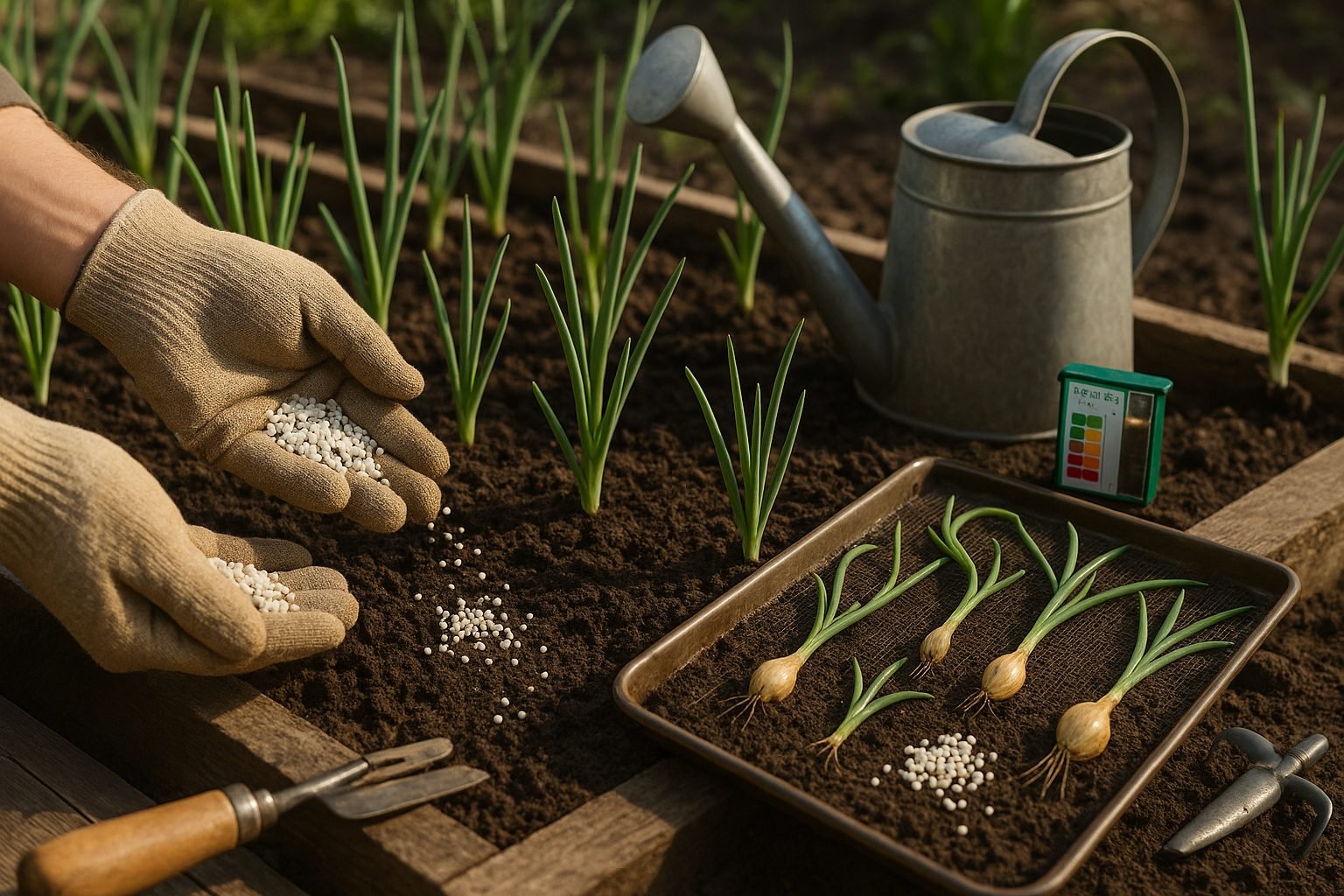
Fertilizing onions correctly can make all the difference between small, misshapen bulbs and a truly impressive harvest. During the early vegetative stage, onions need extra nitrogen to help them build strong, healthy leaves—think lush green tops that act as solar panels for the plant.
For example, side-dressing with a nitrogen-rich fertilizer every few weeks until the bulbs start to form encourages leaf production, setting the stage for future bulb growth. But once you see the base of the plant swelling and those bulbs beginning to develop, it’s time to cut back on nitrogen.
Continuing high nitrogen at this stage can result in lots of leafy growth at the expense of bulb size. Instead, focus on nutrients like phosphorus and potassium, which support robust root systems and help the plant efficiently move energy into the developing bulbs. Sulfur is also key—onions are sulfur-loving plants, and adequate sulfur enhances their flavor and helps form those classic onion layers.
As you transition from leaf growth to bulbing—usually after 4-6 weeks or when day length triggers bulbing—switch to a balanced fertilizer with lower nitrogen content, and supplement with phosphorus and potassium according to soil test results. Top-dress granules or use diluted liquid feeds, but always water afterward to encourage roots to absorb the nutrients.
Following this fertilization timeline gives your onions the nutrition each growth stage demands, resulting in bigger, better bulbs at harvest.
Planting and Growing Mistakes that Affect Onion Bulbing
Planting onions might seem simple, but small mistakes can seriously impact how well your onions form bulbs. One of the most common errors is planting onions too deep. When the set or seedling is buried beneath more than an inch of soil, the bulb receives less sunlight and airflow, which can prevent it from swelling properly. Instead, you’re likely to end up with thick necks and little to no bulb.
Spacing is another key factor; onions need room to expand, so planting them too close together forces bulbs to compete for nutrients and space, resulting in smaller bulbs. The type of soil also matters: heavy, clay-rich soils or poorly drained patches can stunt bulb development, since onions prefer loose, well-draining, and fertile soil.
Additionally, inconsistent or excessive watering often causes bulbs to rot or stop growing altogether. If your onions aren’t forming bulbs as expected, try gently pulling back some soil to expose the tops, thin crowded patches for better airflow, and check your watering habits—aim for moist, but not soggy, soil.
Amending the soil with compost and keeping beds weed-free will also help the bulbs grow strong and healthy. With a few small adjustments, you can turn struggling onions into a bumper crop.
Summing Up: Tips for a Successful Onion Harvest
To achieve a successful onion harvest, start by choosing the right variety suited to your region—short-day onions for the South and long-day onions for the North. Plant at the correct time, ensuring good spacing and well-drained soil to promote healthy root development.
Pay attention to day length, as onions begin forming bulbs when daylight hours reach a certain trigger, which varies by type. Proper fertilization is also essential; use a balanced fertilizer early in the season and switch to one low in nitrogen once bulbs start to form.
Here’s a quick checklist to keep in mind:
- Select the right variety
- Plant at the right depth and time
- Monitor day length
- Fertilize appropriately
- Keep the soil moist but not waterlogged
Finally, always adjust your approach based on local weather patterns and the specific onion types you’re growing—experimenting a little each year can lead to even better harvests.