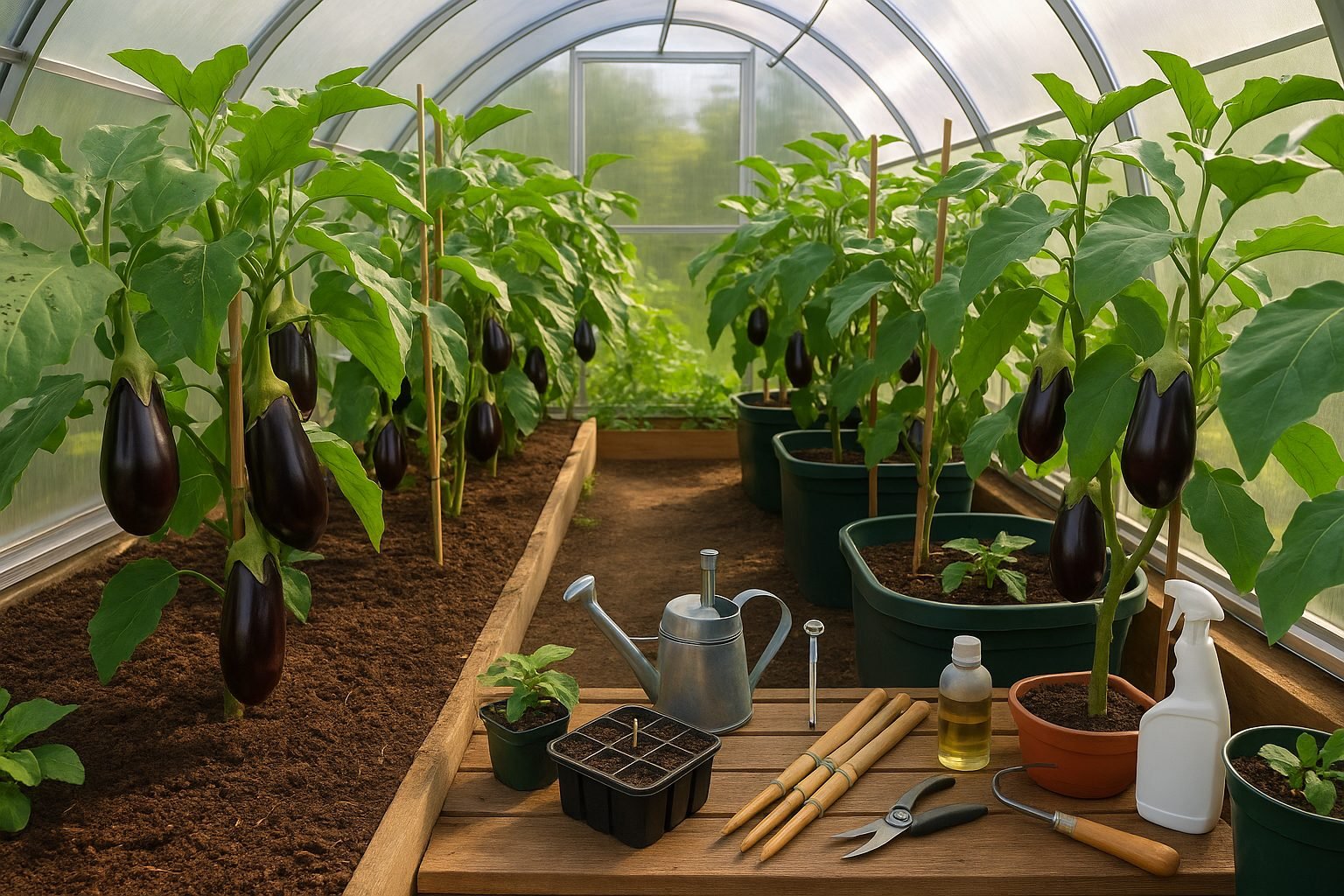
Benefits of Growing Eggplants in a Greenhouse
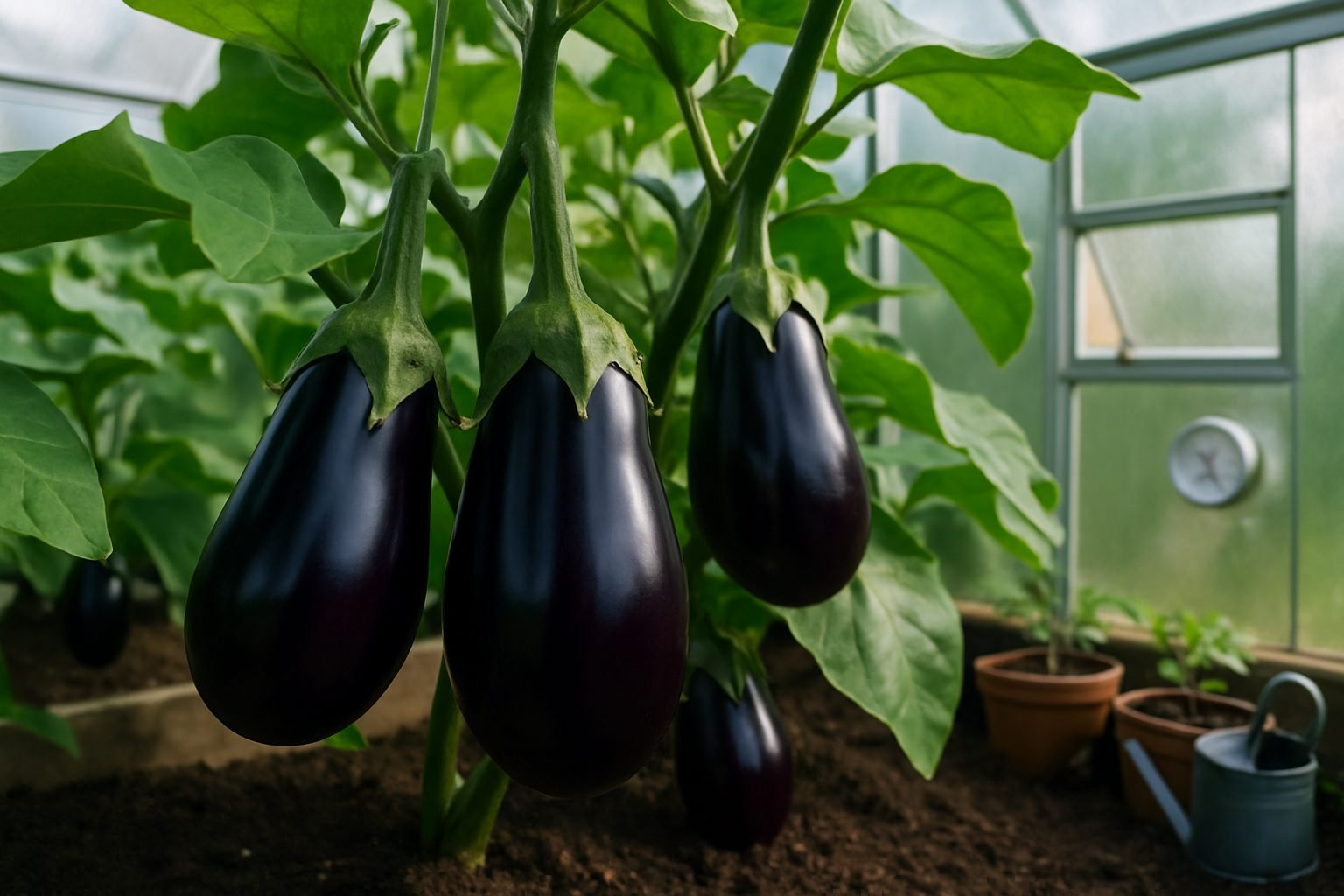
Curious about growing greenhouse eggplant but not sure what the real benefits are? Whether you’re a seasoned gardener or just starting out, choosing to raise eggplants under glass or plastic can be a game changer.
One major advantage is protection—greenhouses shield delicate eggplants from destructive pests like flea beetles and aphids, as well as unpredictable weather. No more worrying about sudden frosts or heavy rain ruining your budding plants.
You’ll also discover that a greenhouse environment lets you start your crop earlier in spring and keep it going later into the fall, effectively extending the eggplant growing season by several weeks or even months. This longer season means you can enjoy more harvests each year, which is a big plus if you love eggplant Parmesan or baba ganoush.
But it doesn’t end there: the steady temperatures and controllable humidity inside a greenhouse make a big difference in fruit quality. Eggplants grown this way tend to be smoother, shinier, and more uniform in size—a real advantage if you’re growing to sell at market or just want the prettiest produce possible for your kitchen.
Consistency improves, too, since the stress of sudden environmental changes is minimized, helping each plant produce better yields. Many commercial growers rely exclusively on greenhouse setups for these very reasons.
Even small backyard growers can replicate these benefits with a basic hoop house or mobile greenhouse. By mastering a few greenhouse basics—proper ventilation, regular watering, and attentive pest monitoring—you’ll set yourself up for bountiful, high-quality greenhouse eggplant harvests all season long.
Essential Preparation Before Planting
Getting a head start before planting can make a big difference in your greenhouse gardening success. For early sowing, begin by selecting seed varieties labeled as “early” or “greenhouse-friendly.” These often include tomatoes, lettuces, peppers, and cucumbers bred for vigorous indoor growth.
Start seeds in clean seed trays filled with a sterile, well-draining seed-starting mix to fend off disease and give roots the best chance to develop. Place trays on heating mats set to the optimal temperature for your chosen crops—most vegetables germinate well between 70–75°F (21–24°C)—since steady warmth can significantly improve germination rates.
Meanwhile, prepare your greenhouse beds or containers several weeks ahead. Test your soil’s drainage by watering and observing how quickly it soaks in; if water pools, work in compost or coarse sand to improve aeration. Amend the soil with well-rotted compost or a balanced fertilizer to provide essential nutrients, and use a soil thermometer to ensure consistent temperatures above 50°F (10°C), which is critical for root health.
As seedlings sprout, provide steady light and keep them moist but not soggy, using a spray bottle to avoid disturbing young roots. Once seedlings have at least two sets of true leaves and outdoor nighttime temperatures in your greenhouse consistently stay above 50°F (10°C), begin “hardening off” by gradually exposing them to direct light and cooler conditions. This reduces transplant shock when you move them from seed trays into their permanent greenhouse beds.
A little early effort—using the right equipment and following these stages—helps ensure your young plants are strong, healthy, and ready for a productive growing season.
Planting Eggplants in the Greenhouse
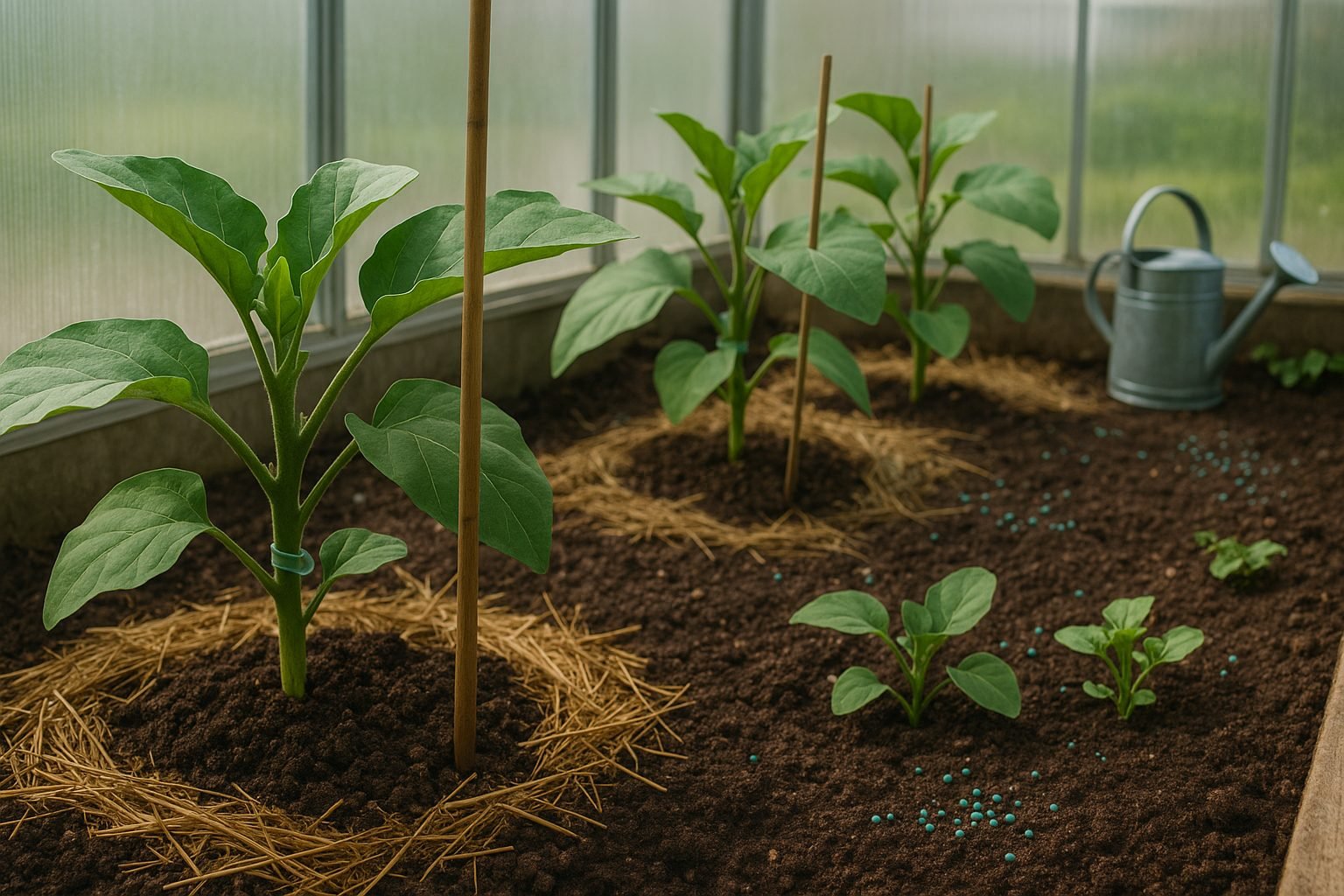
Transplanting eggplant seedlings into your greenhouse beds or containers is a rewarding step that requires careful planning for success. Start by ensuring your plants have enough space: for beds, place each seedling at least 18 to 24 inches apart to allow for healthy airflow and robust growth. If using containers, choose pots at least 12 inches wide for each plant.
Position your eggplants where they’ll receive at least 6 to 8 hours of direct sunlight each day—ideally, a south-facing spot with little shade from other plants. Eggplants thrive in warmth, so keep daytime greenhouse temperatures between 75°F and 85°F (24°C to 29°C), and avoid drops below 65°F (18°C) at night.
Use a ventilation system or cracked windows to maintain humidity around 60-70%, which helps prevent disease while keeping plants hydrated.
Water seedlings immediately after transplanting, giving them a thorough but gentle soak to settle the roots—avoid letting the soil get soggy. In the first week, water lightly every day if the top inch of soil feels dry.
For fertilizer, incorporate a balanced, slow-release granular feed into the soil at planting, or use a diluted liquid fertilizer every two weeks as the plants establish. Remember, eggplants are heavy feeders, so consistent but not excessive nutrition is key.
Mulching the soil surface with compost or straw can further help retain moisture and regulate root temperature, giving your young eggplants the best head start for productive growth.
Caring for Greenhouse Eggplants
Caring for greenhouse eggplants starts with maintaining a steady watering schedule—aim for moist, not soggy, soil. Water deeply when the top inch feels dry to the touch. Eggplants thrive in 60-70% humidity; if the air gets too dry, mist the plants or set out trays of water to raise humidity, especially during dry spells.
Fertilize every 2-3 weeks using a balanced, water-soluble fertilizer high in potassium and phosphorus. Avoid too much nitrogen, which can encourage leafy growth at the expense of fruit. Since greenhouses often have limited insect visits, hand-pollination can boost yields: gently tap each flower or use a small artist’s brush to transfer pollen between flowers.
Pest and Disease Management
Keep an eye out for pests like whiteflies, aphids, and spider mites. Release beneficial insects (like ladybugs), inspect plants regularly, and treat outbreaks quickly with insecticidal soap or neem oil. Also, watch for fungal diseases such as powdery mildew. Ensure good airflow by spacing plants well and pruning lower leaves, and water at the base to keep foliage dry.
Pruning and Support
Pruning is essential—remove excess foliage and suckers, focusing energy on 2-3 strong stems. Snip off any damaged or yellowing leaves to improve light and air circulation. Trellising helps support the heavy fruit; use soft ties or clips to anchor stems to stakes or string, preventing breakage and encouraging upright growth.
This routine care keeps greenhouse eggplants healthy, productive, and much easier to manage throughout the season.
Trellising Eggplants for Support and Productivity
Trellising your eggplants in a greenhouse offers several benefits that can boost your harvest and keep your plants healthy. By providing sturdy vertical support, a trellis prevents heavy eggplant branches from snapping under the weight of growing fruit—this not only protects your plants but also keeps the fruit clean and straight.
To install a simple trellis, start by gathering materials like strong stakes (bamboo or wooden), twine, and plant clips. Secure stakes into the soil next to each plant, making sure they’re at least 5 to 6 feet tall to accommodate growth. As your eggplant grows, gently tie the main stem to the stake using loose loops of soft twine or clips every 6–8 inches, taking care not to constrict the stems. For multiple plants, you can run horizontal lines of twine between stakes, creating a grid for extra stability.
Trellising helps each plant grow upright, allowing better airflow through the canopy—this airflow dries leaves quickly after watering, reducing the risk of fungal diseases like powdery mildew. Additionally, with the plants spaced vertically, you can fit more eggplants in the same area without overcrowding, maximizing your greenhouse’s usable space.
Many gardeners find that trellised eggplants are easier to prune, harvest, and monitor for pests, ultimately leading to healthier plants and higher yields. If you notice stems bending under fruit weight, add another tie or a supportive side shoot to your trellis for peace of mind.
By taking these steps, your greenhouse eggplants will thrive well into the season and reward you with abundant, quality fruit.
Harvesting and Troubleshooting
Knowing when to harvest is key for the best flavor and texture—look for vibrant color, gentle firmness, and a slight give when touched. Overripe fruits often feel mushy, while underripe ones are hard. For example, tomatoes should come off the vine with a gentle twist when fully ripe, whereas peppers generally snap off easily when mature and glossy.
To minimize plant damage and keep the harvest going, use clean, sharp scissors or pruners to cut stems instead of pulling, which can harm roots and branches. Leave a small portion of the stem on the fruit to help prolong freshness.
If you notice poor fruit set, it might be due to inconsistent watering, a lack of pollinators, or temperature extremes. Try hand-pollinating blossoms with a soft brush, ensuring even soil moisture, and offering shade if it’s too hot.
Pests like aphids and caterpillars can quickly ruin a crop; inspect leaves regularly, remove bugs by hand, and use insecticidal soap if an infestation starts.
In all cases, acting quickly helps minimize losses and keeps plants healthy for extended production. Check your garden daily and address issues as they appear.
Conclusion and Tips for Continued Success
Successful greenhouse eggplant cultivation hinges on consistent attention to plant health, timely watering, temperature control, and integrated pest management. Regularly monitor humidity and ventilation to reduce disease risks, and ensure the plants receive sufficient light—supplement with grow lights if necessary.
Rotate crops and experiment with disease-resistant varieties to keep yields strong season after season. Popular options like ‘Black Beauty’ or ‘Nadia’ offer both productivity and flavor. Keep detailed records of your greenhouse’s performance, noting which varieties thrive in your specific setup, and don’t be afraid to test new hybrids or heirloom types each season to discover what grows best in your environment.
For sustained productivity, practice succession planting—start new seedlings every few weeks to stagger harvests and avoid production gaps. Take time to adjust your setup based on observation: if you live in a hot region, invest in shading and cooling systems; in cooler areas, consider double glazing or thermal blankets for heat retention.
Remember, gardening is part science and part art—adapt your practices as you learn more about your local climate, available resources, and unique challenges. Stay curious, network with other growers in your area or online, and always be willing to refine your approach for even better results year after year.