Growing Basics
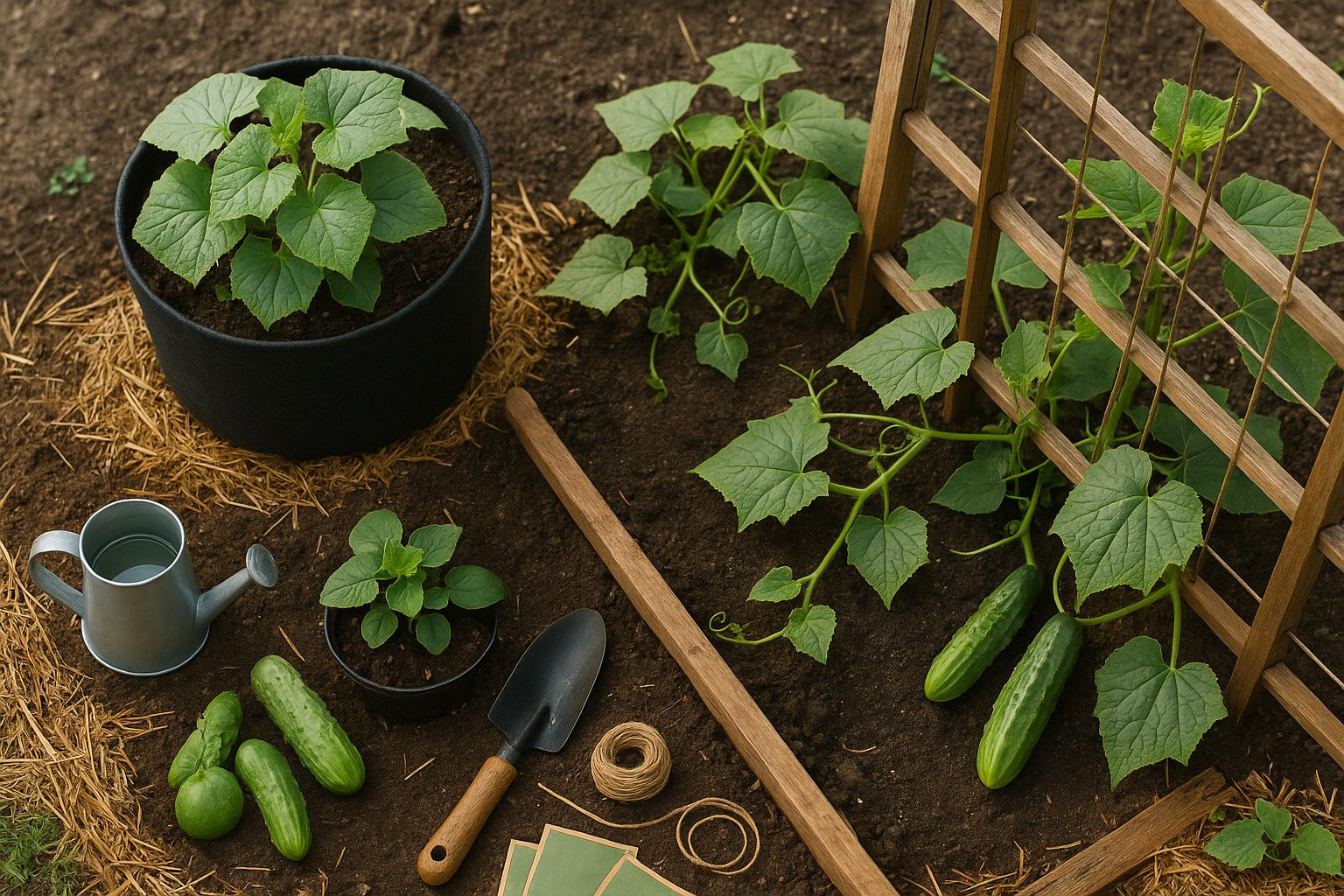
Knowing exactly when to harvest cucumbers is key to enjoying crisp, flavorful results—whether you’re planning to pickle your crop or slice it fresh into salads. The world of cucumbers is surprisingly diverse, with two main types taking center stage: slicing cucumbers, which are larger and perfect for sandwiches or salads, and pickling cucumbers, known for their smaller size and bumpy skins ideal for brining.
Beyond this, your plants might be bush types, great for container gardens with limited space, or vining varieties ready to sprawl out along trellises and garden beds. Both are productive, but they each have unique space and care needs.
For the healthiest crop, cucumbers thrive in full sunlight—aim for 6-8 hours daily—and do best in loose, well-draining soil rich in organic matter. A pH between 6.0 and 7.0 is ideal, and amending your soil with compost before planting helps keep roots happy.
While cucumbers love moisture, they don’t tolerate soggy conditions: water deeply once or twice a week if there’s no rain, keeping the soil consistently moist but never waterlogged. Mulching around your plants helps retain moisture and keeps the roots cool, a real benefit during summer heat waves.
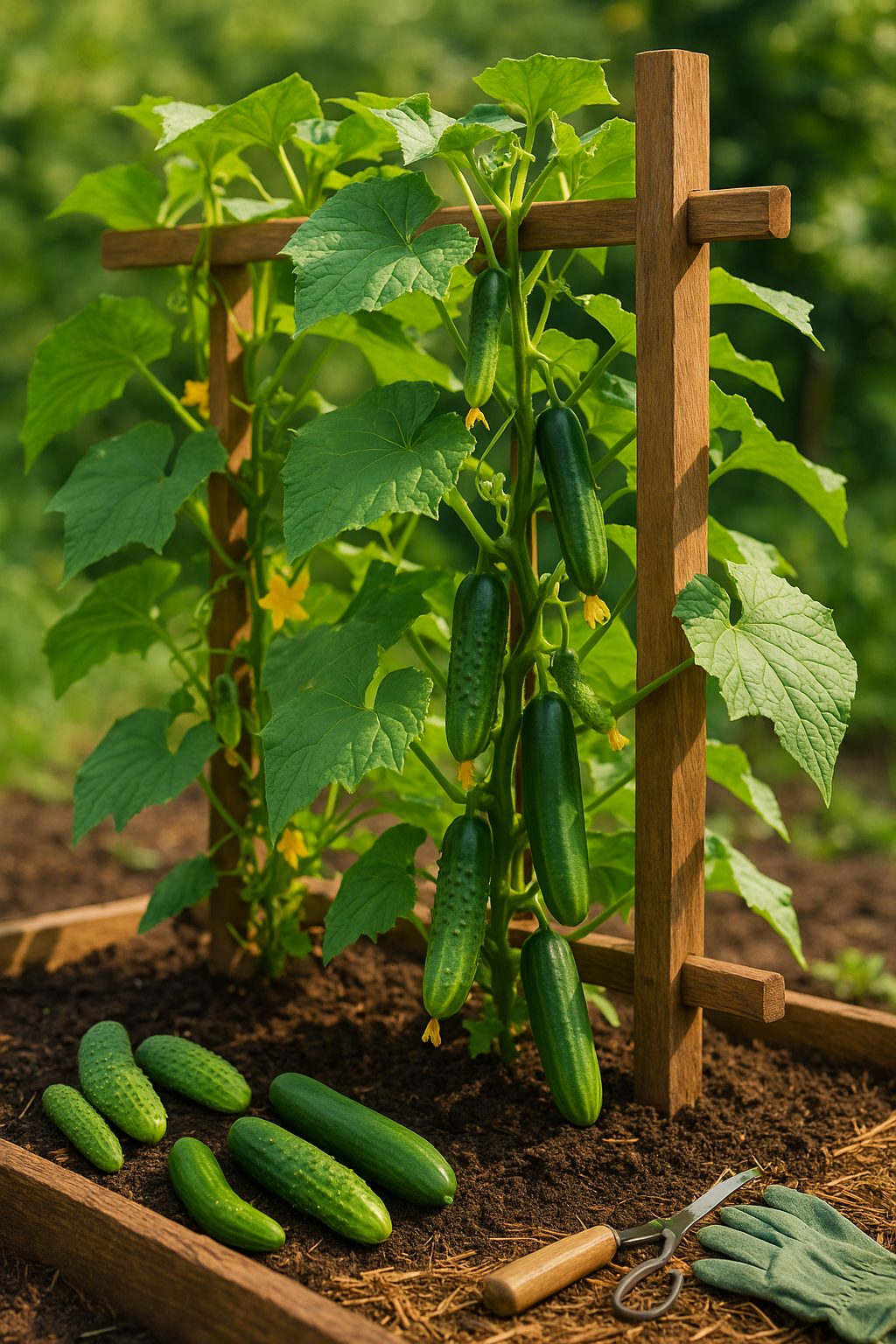
To set your cucumbers up for success, try to sow seeds after all danger of frost has passed, when the soil has warmed above 60°F (16°C). For vining types, a sturdy trellis prevents fruit rot and keeps plants healthier.
Feed your cucumbers with a balanced fertilizer when the vines begin to run, and keep weeds in check so your plants don’t have to compete for resources. Regularly harvesting mature cucumbers encourages the plant to keep producing—a win-win for a long, bountiful season.
With these growing basics covered, you’ll be ready to harvest your cucumbers at just the right time, whether you crave crunchy pickles or fresh, juicy slices.
When to Harvest Cucumbers
Knowing the right time to harvest cucumbers can make all the difference in taste, texture, and even plant productivity. For slicing cucumbers, look for fruits that are about 6 to 8 inches long—though some varieties, like pickling cucumbers, are best picked at 2 to 4 inches. The skin should be a vibrant, uniform green with a slight sheen or glossiness, signaling both freshness and readiness.
A cucumber that feels firm to the touch is likely mature; avoid harvesting if the skin is soft or the fruit is squishy in spots, as these are signs of over-ripeness or inconsistent watering. Glossy skin also means the fruit hasn’t started to toughen or develop bitterness, which often happens if left on the vine too long.
If you let cucumbers grow too large, they may turn yellow, lose their crispness, and develop bitter flavors, while harvesting too early means the fruit might taste bland or lack juiciness. Check your garden every day or two during peak season, as cucumbers can grow quickly.
Harvesting regularly not only ensures you pick fruits at their peak but also encourages the plant to keep producing new cucumbers. Use garden shears or a sharp knife to cut cucumbers from the vine, leaving a small piece of stem attached to preserve freshness. If you’re unsure, err on the side of slightly early harvesting—most cucumbers taste better young and tender than overly mature.
How to Harvest Cucumbers
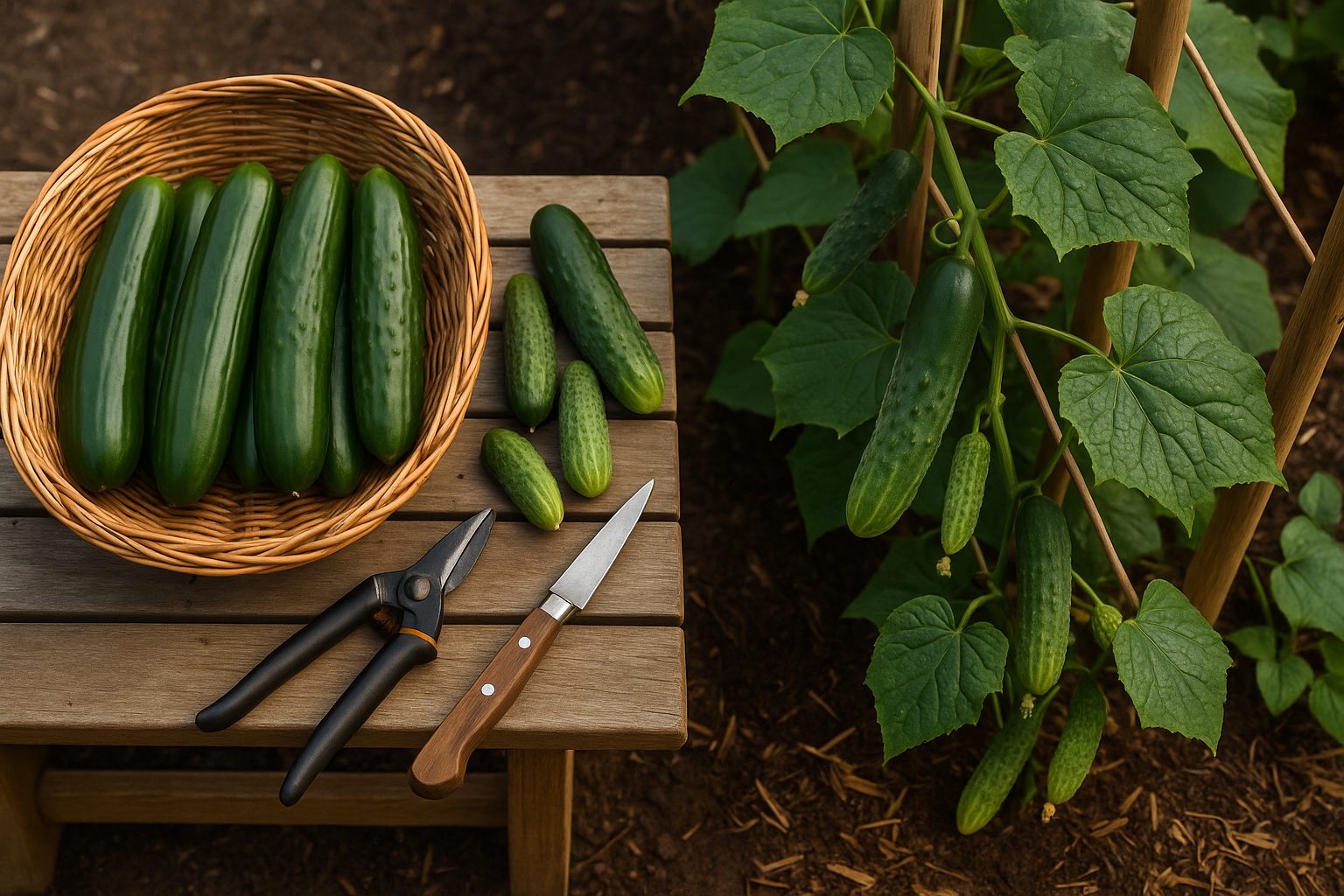
Harvesting cucumbers at the right time not only keeps your plants healthy but also ensures you get crisp, flavorful veggies for your table. The best way is to hand-pick your cucumbers gently—brace the vine with one hand and twist the fruit off with the other. Alternatively, use clean garden shears or a sharp knife to snip the stem about a quarter inch above the fruit. This helps prevent tearing the vine, which can expose the plant to diseases.
Look for cucumbers that are firm, bright green, and the recommended size for their variety (usually 6-8 inches for slicing types, 3-5 inches for pickling). Picking them before they get too large prevents bitterness and encourages more production.
During the peak season, check your plants every 1-2 days, as cucumbers can grow surprisingly fast. Frequent harvesting also signals the plant to keep producing. If you spot a cucumber hiding under leaves, use a small garden trowel or your hand to gently lift the foliage instead of yanking on the vines.
Always handle cucumbers with care to avoid bruising, and place them gently into your basket or container. By sticking to this routine, you’ll not only enjoy a bigger harvest but also healthier, longer-lasting cucumber plants throughout the growing season.
What to Do if Cucumbers Are Left on the Vine Too Long
If you’ve ever missed a few cucumbers hiding under their leaves, you’re not alone—cucumbers grow quickly and can easily become overripe if left on the vine too long. Overripe cucumbers are usually larger, their skins turn yellow or orange, and their flesh becomes watery, seedy, and sometimes bitter or bland.
While these oversized cukes aren’t great for slicing into salads, don’t toss them right away! You can:
- Use the flesh in cold soups or smoothies
- Scrape out and save the seeds for next year
- Offer them to chickens or compost them
However, it’s important to remove these overgrown cucumbers promptly. Leaving them on the plant signals to your cucumber vines that their job is done, which can lead to a slowdown or stop in production, reducing your overall harvest.
To spot cucumbers at their prime picking stage, aim to harvest when they’re firm, bright green, and size-appropriate for their variety—usually about 6 to 8 inches for slicing types. Make it a habit to check your garden every couple of days, lifting leaves as you go, since cucumbers can hide surprisingly well.
Regular picking not only prevents waste but also encourages the plant to keep flowering and producing new fruit, giving you a steady bounty all season long.
Extending Your Cucumber Harvest
To keep fresh cucumbers coming from your garden for months, try combining succession planting with a smart choice of varieties. Start by sowing small batches of seeds every two to three weeks instead of planting all at once—this way, as one crop winds down, another is just starting to produce.
Pair early-maturing cucumber types that can be harvested in about 50 days with slower varieties that take 70 days or more. This ensures a steady harvest and reduces the risk from sudden heat waves or cold snaps.
To extend your season even further, use floating row covers when nights are still chilly in early spring. Also, consider mulching around plants to retain soil warmth and moisture as fall approaches. A simple layer of straw or compost can help roots stay active longer and reduce water stress.
Pests and diseases, like powdery mildew or cucumber beetles, often become more troublesome late in the season. Rotate planting locations each year and remove decaying vines as soon as they’re finished to reduce hiding spots for pests. Try spraying leaves with a neem oil solution or introducing beneficial insects like ladybugs to tackle late-season pest surges without resorting to harsh chemicals.
Storing and Using Your Cucumber Harvest
After harvesting your cucumbers, it’s important to handle them gently to avoid bruising, which can speed up spoilage. Wait to wash cucumbers until you’re ready to use them; excess moisture can promote mold growth, so just brush off any dirt after picking.
For short-term storage, keep cucumbers in the crisper drawer of your refrigerator, ideally wrapped loosely in a paper towel and placed inside a perforated plastic bag. This helps control humidity and keeps them fresh for up to a week.
If you have a lot to store, a cool, humid cellar (not colder than 50°F) can work for a few days. However, cucumbers are sensitive to cold and shouldn’t be stored for long outside the fridge.
For long-term solutions, consider pickling your surplus—quick refrigerator pickles are easy and don’t require special equipment, or try classic canning methods if you want to stock up for the winter.
Cucumbers are also perfect for refreshing summer salads, blended into chilled soups like gazpacho, or infused in water for a hydrating drink. For creative preservation, try homemade cucumber relish or even dehydrate cucumber slices into crunchy chips.
No matter which storage or use you choose, handling your cucumbers gently and using them promptly helps ensure you get the best flavor and nutrition from your harvest.
Recommended Cucumber Varieties
When it comes to choosing cucumber varieties, it helps to match your pick with your garden goals.
For crisp, refreshing slices, Marketmore 76 is a top pick, loved for its mild flavor and reliable harvests even in warm summers. If you prefer making pickles, try Boston Pickling, which produces small, bumpy cucumbers just right for crunching in brine. Those with limited space can turn to Bush Champion, which is container-friendly and still offers generous yields of mild, juicy cucumbers.
For growers worried about disease, particularly powdery mildew, Diva stands out; it resists common cucumber diseases and delivers sweet, nearly seedless fruit. Remember that bush varieties like Spacemaster also adapt well to patios and raised beds, so you don’t need a full garden plot to enjoy homegrown cucumbers.
For a head start, check local garden centers in early spring for starter plants, or browse reputable sources like Johnny’s Selected Seeds, Baker Creek Heirloom Seeds, or your area’s cooperative extension’s recommended suppliers for seeds.
With a bit of planning, you can pick cucumber varieties tailored to your taste, space, and growing conditions—ensuring a season of crunchy, homegrown harvests.