Understanding Cucumber Sunlight Needs
Many gardeners wonder if cucumbers grown in shade can actually thrive, especially when ideal garden spaces are limited. Sunlight is the main driver of cucumber growth, powering photosynthesis—a process that allows plants to turn sunlight into the energy they need to form leaves, vines, and those crisp, refreshing fruits.
For most cucumber varieties, about 6 to 8 hours of direct sunlight each day is optimal. This steady dose enables strong flowering and consistent fruit development, resulting in better yields and tastier cucumbers. When cucumbers receive less sunlight, especially in shady spots, their growth tends to slow, and the plants may produce fewer or smaller fruits.
Different growing environments can impact how much sunlight cucumbers really need.
Outdoor Gardens
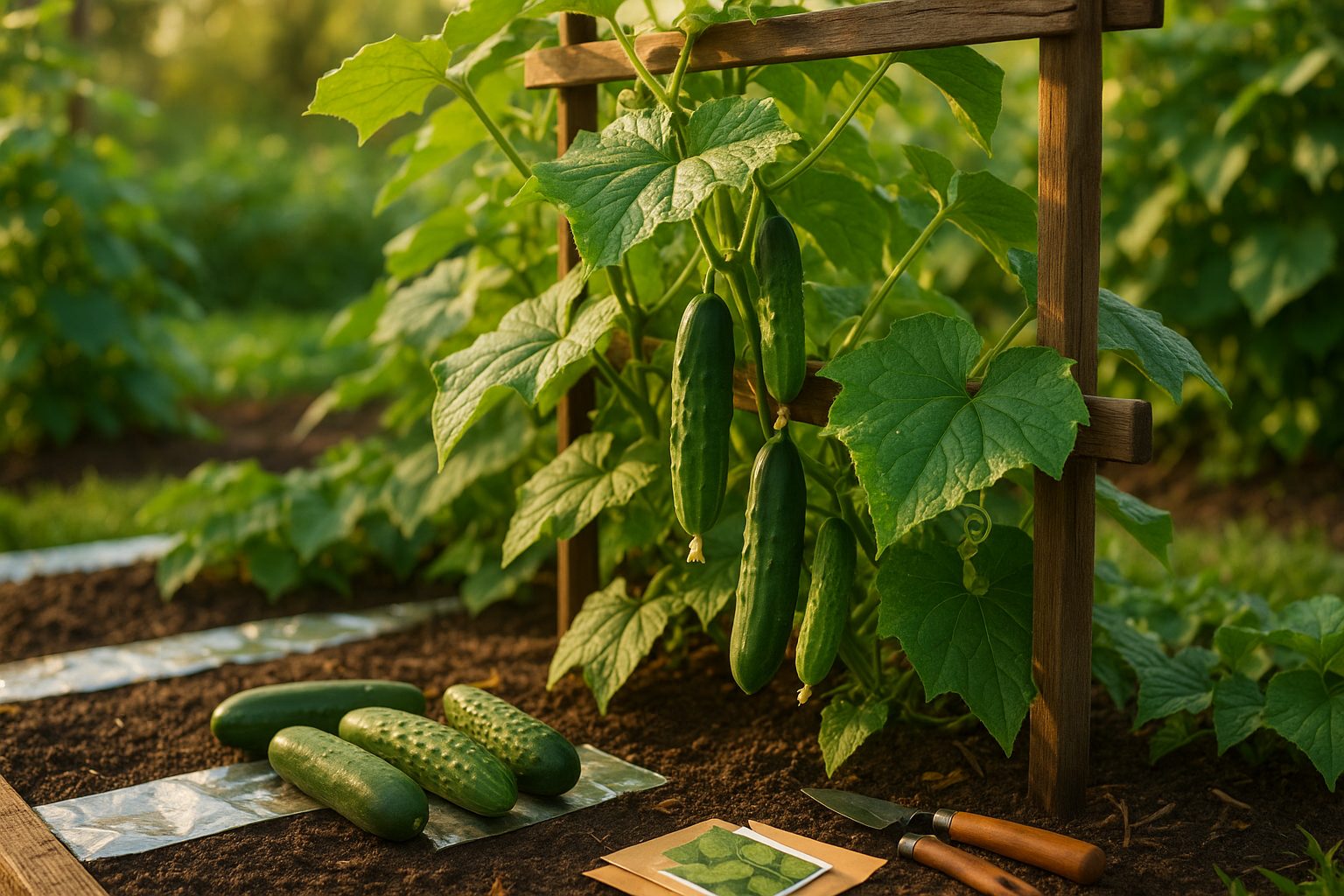
In an outdoor garden, it’s best to locate cucumbers in the sunniest area possible. Partial shade can lead to slower ripening or lankier vines, but if you only have partial sunlight—say 4 to 5 hours—choose varieties bred for low-light conditions and expect a smaller harvest.
Greenhouses
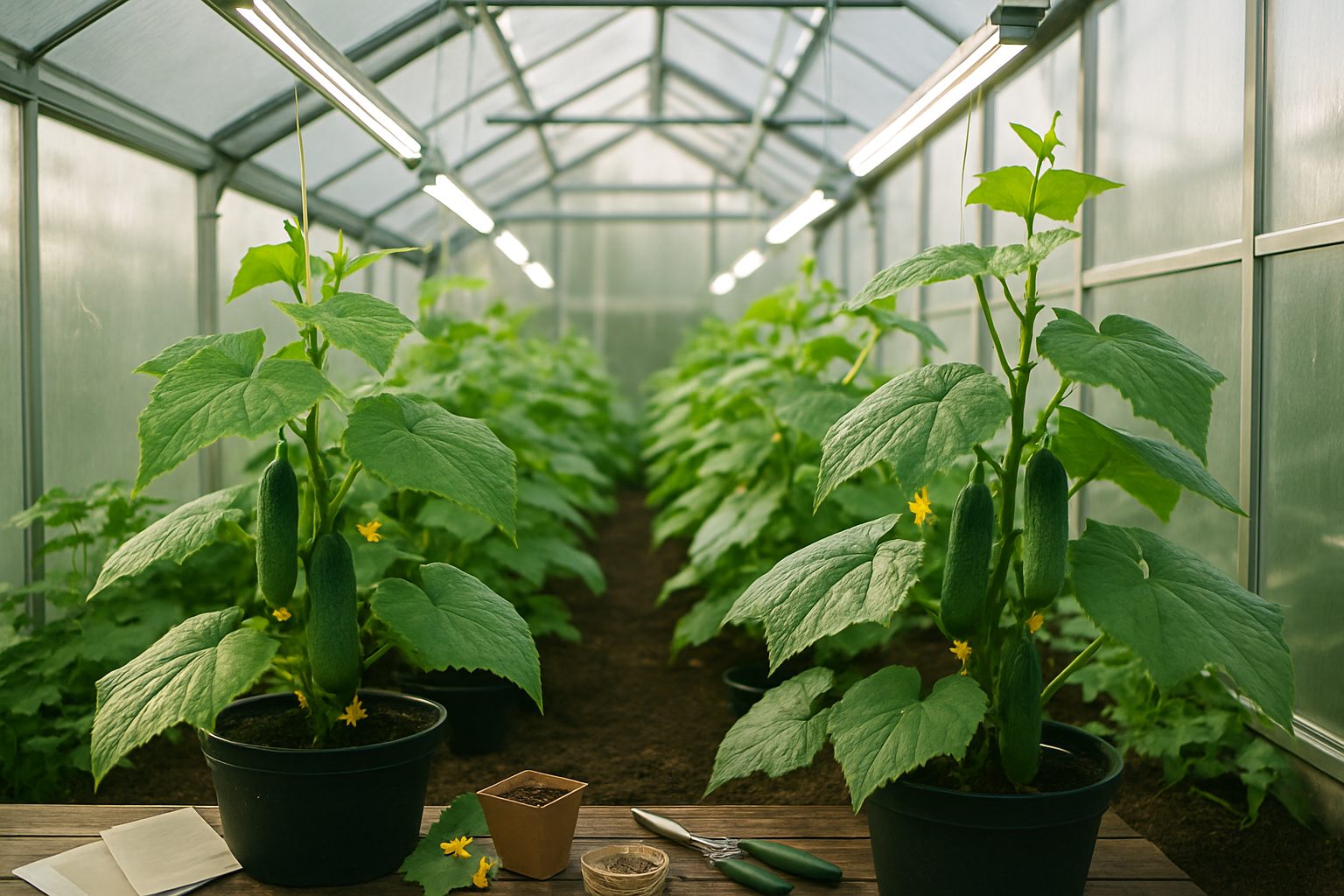
In greenhouses, the situation improves: light diffuses more evenly, and you can position plants to capture the most rays throughout the day. Sometimes, using reflective surfaces or supplemental lighting helps boost light exposure.
Indoor Growing
Indoor cucumber growers face even greater challenges, as window sills rarely provide the extended, direct sun cucumbers crave. In such cases, consider using grow lights set to mimic full-spectrum sunlight for at least 12 to 16 hours daily, allowing plants to photosynthesize efficiently.
Remember, while some cucumbers in shade can manage in less-than-ideal conditions, sunlight remains the main ingredient for success—so prioritize those rays wherever possible for the healthiest, most productive plants.
The Impact of Sunlight on Cucumber Health & Yield
Getting the right amount of sunlight is crucial for healthy cucumber plants and a bountiful harvest. When cucumbers don’t get enough sun—less than six hours of direct light per day—they tend to grow weak, with thin, leggy stems and pale green leaves. You might notice fewer blossoms, and as a result, fewer cucumbers develop. Even the fruits that do grow can be small, oddly shaped, and lacking flavor.
Without sufficient sunlight, photosynthesis and energy production slow down, so your plants just can’t thrive. However, more isn’t always better. Cucumbers exposed to harsh, all-day sunlight, especially in the peak of summer, can suffer from sunscald—appearing as white, dry patches on the fruit—and their leaves might look crispy or bleached at the edges. Excess sun can also cause the soil to dry too quickly, putting extra stress on the plants.
In the sweet spot, about 6 to 8 hours of sunlight per day, cucumbers produce robust foliage, abundant flowers, and strong fruits bursting with flavor. The leaves should look a healthy, vibrant green.
If you notice your cucumber leaves are yellowing, stretching toward the light, or the plant looks sparse, it’s a likely sign they’re craving more sun. Conversely, if you observe scorched patches, wilting during midday, or fruits with blistered skins, consider providing some shade during the hottest afternoons.
Monitoring your plants and adjusting their location or using shade cloth during heatwaves will help ensure that your cucumbers receive just the right amount of sunlight for maximum growth and taste.
Best Positioning and Window Direction for Cucumber Growth
When it comes to growing cucumbers, selecting the right spot is crucial for healthy, productive plants. Outdoors, cucumbers thrive in full sun, so choose a location in your garden or on your patio that receives at least 6 to 8 hours of direct sunlight daily.
Avoid spots shaded by trees, fences, or buildings, as cucumbers struggle in low-light conditions and may produce fewer fruits. For patio growers, pick the sunniest part—often the south or west side of your home in the Northern Hemisphere.
Indoor Growing: Window Orientation
Indoors, window orientation makes a big difference. South-facing windows (in the Northern Hemisphere) let in the most consistent, intense sunlight throughout the day, making them ideal for cucumber containers. In the Southern Hemisphere, north-facing windows are preferable for the same reason.
East-facing windows provide good morning sun, which can still work for cucumbers, while west-facing windows often deliver stronger afternoon light—especially valuable in cooler regions. North-facing windows (in the North) or south-facing ones (in the South) generally don’t provide enough light for robust growth, so supplementing with grow lights may be necessary.
Additional Tips Based on Climate and Location
- In hot, sunny regions, a little afternoon shade can prevent leaf scorch and overheating.
- In cooler or cloudy areas, maximizing direct sunlight is key.
- Apartment dwellers should rotate containers every few days to ensure even growth.
- Remember, hemisphere differences matter: reverse directions for sunlight maximization based on where you live.
- Use reflective surfaces indoors to boost brightness or move containers throughout the season to chase the sun.
With the right positioning and attention to your unique environment, cucumbers can flourish almost anywhere.
Tips for Managing Sunlight in Different Growing Conditions
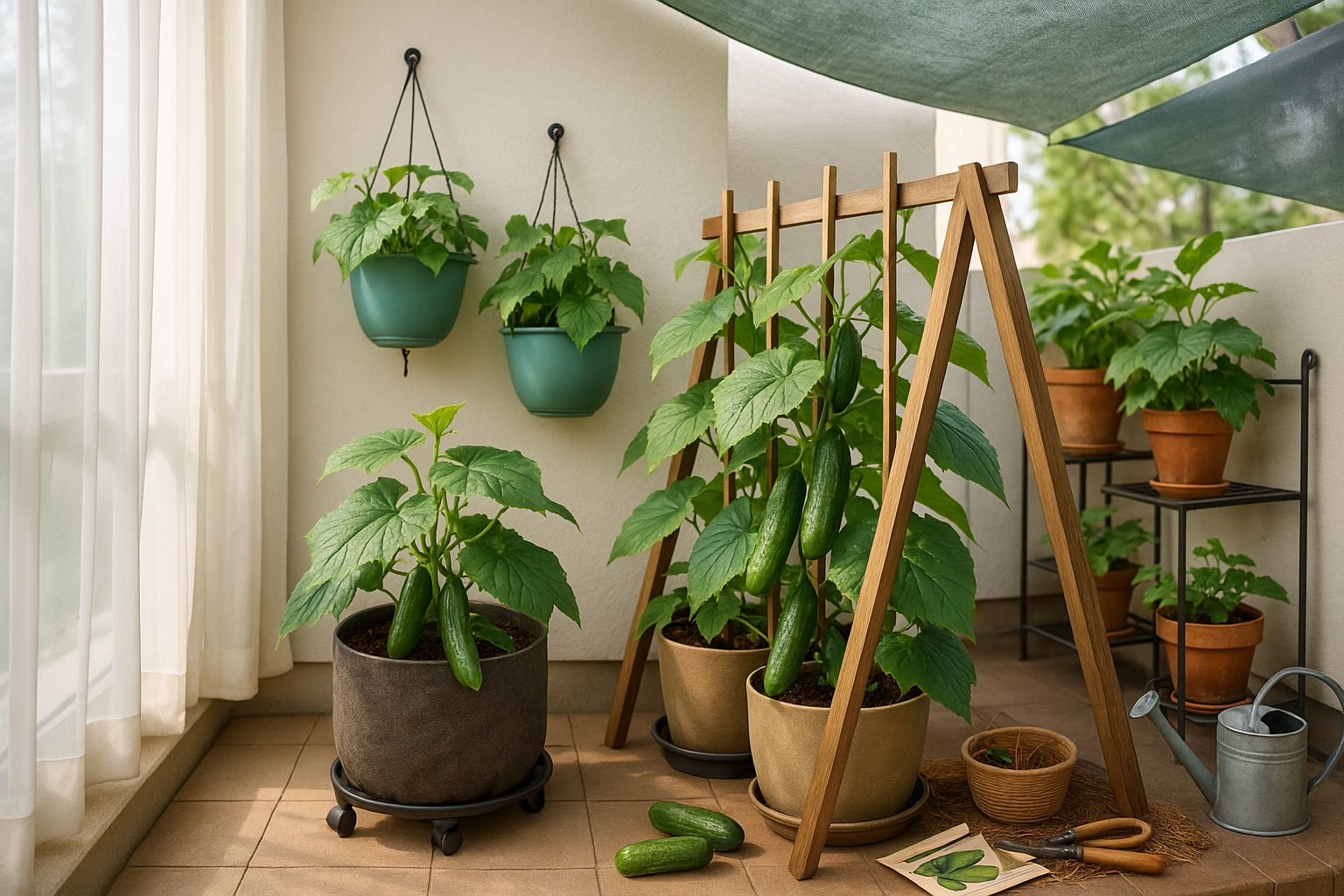
Managing sunlight effectively can make a world of difference for gardeners facing less-than-ideal growing conditions, especially in urban spaces or small balconies.
If your plants don’t get much direct sunlight, start by placing them in the brightest spots available, such as south-facing windows or balcony edges. Use reflective surfaces like white walls, mirrors, or even aluminum foil behind plants to bounce extra light onto the foliage.
For containers or small raised beds, consider moving them daily to track the sun if possible—wheeled plant stands make this easy.
For those with intense afternoon sun that could scorch tender leaves, lightweight shade fabrics (sometimes called shade cloth) can provide relief; drape them over simple frames or use an old bedsheet in a pinch. Balcony gardeners can hang sheer curtains or install bamboo screens to filter sunlight while still allowing airflow.
Elevating smaller pots on plant shelves helps them catch more rays, especially if you stagger the heights to prevent crowding. Hanging planters or vertical gardens also maximize available sunlight in small spaces.
Regularly rotate your pots so all sides of the plant get equal light, preventing lopsided growth. If a particular area is always shaded, choose shade-loving crops like lettuce, spinach, or ferns rather than battling nature.
Finally, make the most of even fleeting sun — like a sunny morning patch — by timing watering and fertilizing during these hours to boost plant health, even in low-light conditions.
With a bit of creativity and observation, you can turn any space into a thriving green nook, regardless of how much or little sunlight you have.
Troubleshooting Common Sunlight-Related Issues
Sunlight is vital for healthy plants, but too much—or too little—can quickly cause visible problems. If you notice your plants developing long, spindly stems that seem to stretch toward windows or light sources, that’s a classic sign of leggy growth from insufficient sunlight.
To fix this, move the plant to a brighter spot or consider supplementing with a grow light, making sure to rotate it regularly so all sides get even exposure.
Yellowing leaves, especially if they’re on the lower part of the plant, can also signal a lack of light; try increasing sunlight gradually to avoid shocking the plant.
On the other hand, if you see bleached, crispy, or brown patches on leaves—often most pronounced on areas directly facing the sun—that’s likely leaf burn from too much direct sunlight.
In this case, relocate your plant to an area with indirect light or use a sheer curtain to diffuse harsh rays, and prune away any severely damaged leaves.
For outdoor gardens, pay close attention to how sunlight changes with the seasons; a spot that’s shady in spring might turn sun-baked by midsummer.
Remember, every plant has specific sunlight needs, so check care tags or do a quick search for ideal conditions.
Catching symptoms early—like leaning stems or pale, splotched leaves—makes it much easier to adjust your plant’s placement and restore its health before permanent damage occurs.
Enhancing Sunlight for Healthier Cucumber Crops
Maximizing sunlight is key to thriving cucumber plants, and a few simple strategies can make a big difference.
Outdoors, reflective mulches—like silver plastic or aluminum foil-lined materials—bounce light up toward the underside of leaves. This helps plants harness more energy from the sun and reduces the risk of fungal disease by allowing the soil to dry faster.
Pruning is also essential: regularly remove lower yellowing leaves and excessive side shoots so sunlight can reach all parts of the plant.
Trellising takes things a step further by training vines to grow vertically, spacing out leaves and fruit for optimal exposure. Plus, it helps keep cucumbers clean and easier to harvest.
For indoor growers, supplementing sunlight with full-spectrum grow lights provides your cucumbers with the energy they need, especially in winter or less sunny rooms. Place lamps about 12–18 inches above the plants and keep them on for 12–14 hours a day to mimic natural daylight cycles, adjusting the height as your plants grow.
Matching watering and feeding schedules to light availability helps too:
- Water early in the morning so leaves dry quickly and reduce the risk of mildew.
- Avoid watering in the evening when light levels drop and humidity remains high.
- Feed cucumbers with a balanced fertilizer every two weeks during periods of strong sunlight and active vine growth.
This supports both foliage growth and fruit production. By fine-tuning these elements, you’ll create ideal conditions for vigorous, productive cucumber crops both indoors and out.
Quick Reference & Extra Resources
For optimal cucumber growth, use this quick reference:
Cucumbers thrive in full sun—aim for 6-8 hours of direct sunlight daily. Position plants where they won’t be shaded by taller crops. If you’re growing cucumbers in containers or on patios, choose the sunniest spot available. In very hot climates, provide light afternoon shade to prevent leaf scorch.
Water regularly to keep soil consistently moist but not soggy. Mulch around plants to maintain soil moisture and regulate temperature.
For more in-depth guidance, check out these resources:
- University of Minnesota Extension’s cucumber growing guide
- The Old Farmer’s Almanac cucumber care page
- Clemson University’s Home & Garden Information Center
Remember, local conditions like temperature, soil type, and container size can affect your results, so observe your plants closely. Experiment with placement and watering schedules, and adjust your practices as needed to find what works best in your garden.