Introduction and Why Grow Cauliflower This Way
Hydroponic cauliflower is becoming a popular topic among home gardeners and commercial growers alike, driven by the promise of fresh, healthy produce without the challenges of traditional gardening. Hydroponics is the art of growing plants—such as cauliflower—without soil, using nutrient-rich water to deliver everything the plants need directly to their roots. Aquaponics builds on this method by integrating fish into the system; the fish waste provides nutrients for the plants, and the plants help filter the water, creating a balanced, interdependent ecosystem. For vegetables like cauliflower that typically require rich, fertile soil and careful pest management, a hydroponic or aquaponic setup can completely transform your growing experience.
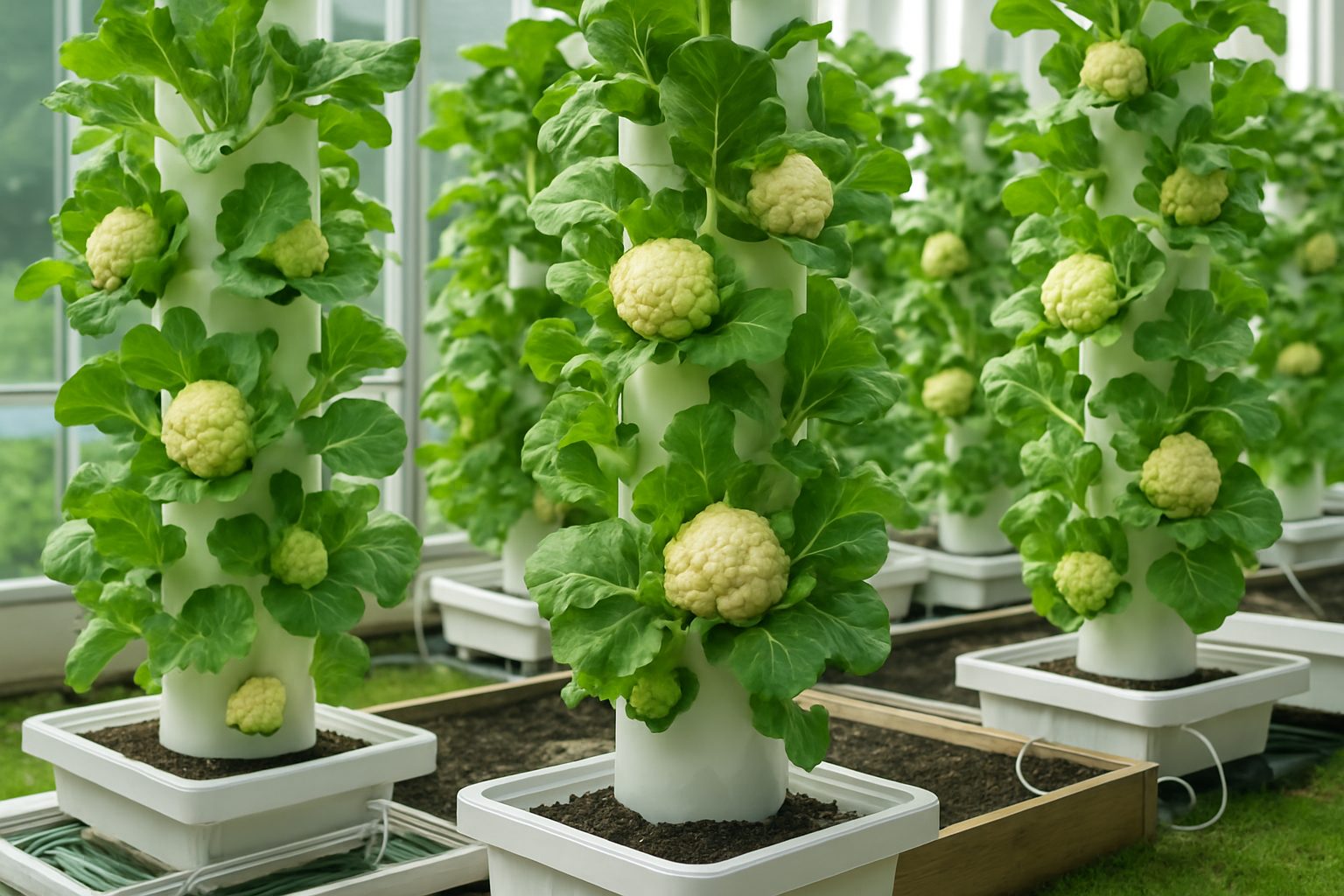
Interest in soil-less growing systems is surging worldwide—and for good reason. Home gardeners are discovering they can cultivate crops like hydroponic cauliflower on patios, balconies, or even indoors, using compact systems that save space and eliminate weeding. Commercial producers appreciate how these methods allow for greater control over the growth environment, making crops less vulnerable to soil-borne diseases and adverse weather. In fact, some urban farms now use vertical hydroponic towers to maximize yields in small city spaces, delivering fresh cauliflower to local restaurants and markets year-round.
Growing cauliflower hydroponically offers notable advantages. Pest problems—for example, those caused by soil-dwelling insects—are drastically reduced in a contained, sterile environment. Water and nutrients are delivered directly to the plant roots, minimizing waste and reducing water use by up to 90% compared to traditional soil gardening. This efficient resource use not only lowers costs but also supports more sustainable practices. Plus, consistent watering and feeding schedules translate to reliable harvests, often producing heads of cauliflower that surpass the size and quality of those grown in standard gardens. Whether you’re a hobbyist or a professional, exploring hydroponic cauliflower could be your step toward a smarter, more sustainable way to grow healthy food.
Choosing the Right Growing System for Cauliflower
When deciding on the best growing system for cultivating cauliflower, both hydroponic and aquaponic options offer unique advantages.
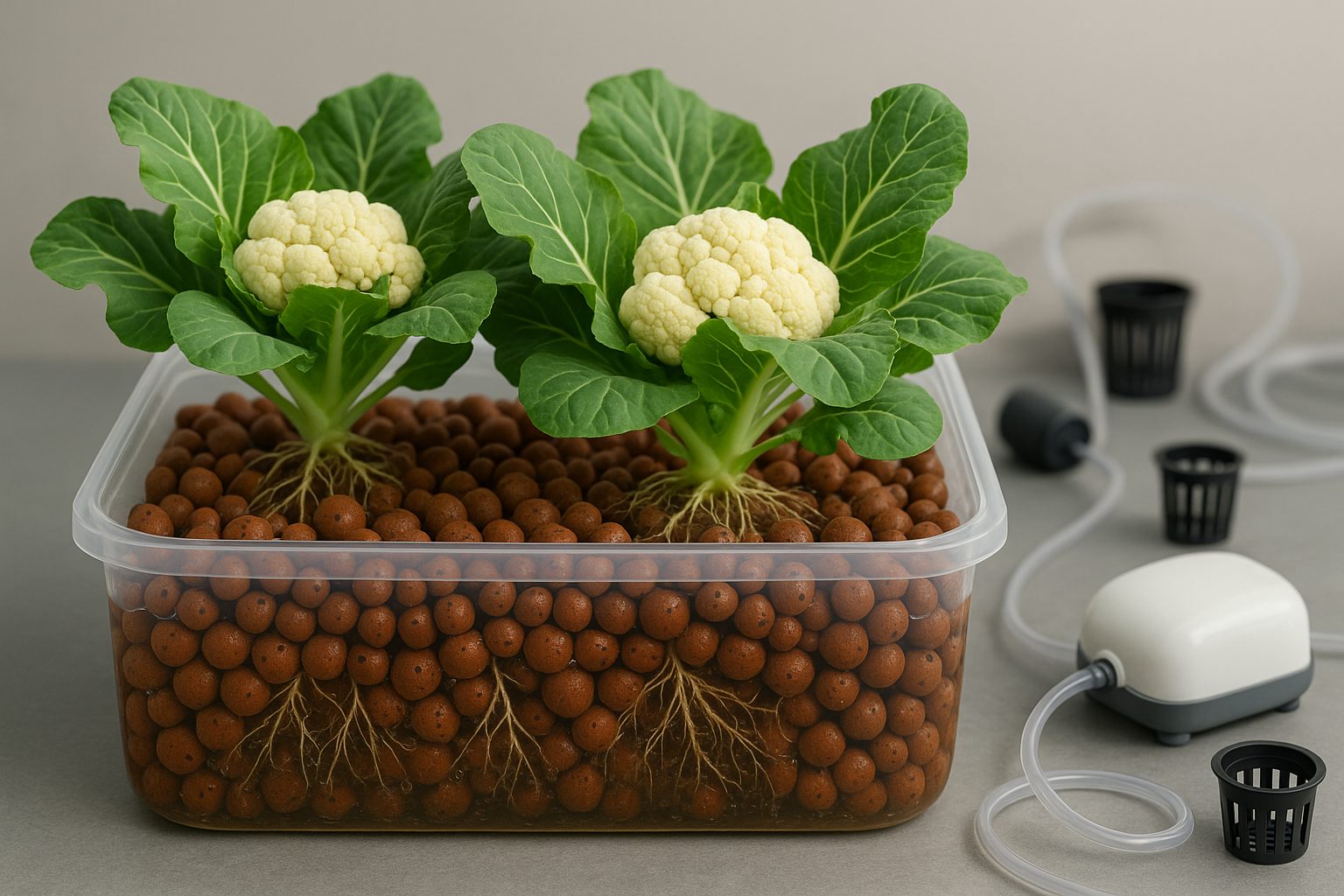
Deep Water Culture (DWC) stands out for beginners due to its simplicity and low startup cost—you only need a container, air pump, and net pots, making it ideal for small spaces and new growers. However, cauliflower’s bulky root system means DWC setups require deeper containers and may need frequent monitoring to prevent root rot.
Nutrient Film Technique (NFT) is often praised for its water efficiency and suitability for leafy greens, but cauliflower’s large head and heavier weight can make channel support and space tricky. Plus, it’s best for advanced growers due to the risk of pump failures or nutrient imbalances.
Media beds, popular in both hydroponics and aquaponics, use gravel or clay pebbles to provide stable support for cauliflower’s root system and also help buffer water quality. This makes them forgiving for beginners and suitable for home setups or small-scale operations.
For those looking to scale up, larger media beds or vertical NFT towers can work if you have more space and access to higher upfront investment, especially when combined with reliable monitoring tools.
In general, if you’re just starting and want an easy, low-fuss system, a media bed in a small hydroponic or aquaponic setup is probably your best bet. If you have prior experience and want to maximize yield per square foot, you might experiment with DWC or NFT, but be prepared for more maintenance and technical troubleshooting.
Think about your available space, time, and budget before committing—there’s no one-size-fits-all, but matching your resources and goals to the right system means a higher chance of success from seedling to harvest.
Key Growing Requirements and Optimal Conditions
Cauliflower thrives when growers closely attend to its specific needs, making it an ideal crop for controlled environments like hydroponic or aquaponic systems. For optimal growth, maintain daytime temperatures between 65–75°F (18–24°C), with nights no cooler than 50°F (10°C). Temperature fluctuations outside this range can lead to poor head formation or bolting.
Humidity should be moderate, ideally between 50–70%, to reduce disease risk while supporting steady transpiration. Cauliflower prefers a slightly acidic root environment, with a pH between 6.0 and 7.0 — monitor this carefully, especially in recirculating systems where pH drift can occur.
When it comes to lighting, aim for 12–16 hours per day using full-spectrum LED or fluorescent lights. Both high intensity and duration are crucial for vigorous vegetative growth and proper head development.
Nutrient Requirements
Essential nutrients must be provided in balanced amounts:
- Nitrogen drives leaf and stem growth.
- Phosphorus supports root and head formation.
- Potassium boosts overall vigor and stress resistance.
- Calcium is especially important for strong curds and preventing disorders like tip burn.
- Magnesium and micronutrients such as boron, manganese, and iron are needed in smaller but vital doses.
In hydroponics, use a high-quality, complete nutrient solution formulated for brassicas; adjust concentrations throughout the plant’s lifecycle, increasing calcium and potassium during head formation. For aquaponics, ensure your fish feed is nutrient-rich and supplement any deficiencies—particularly iron or calcium—if symptoms appear.
Environmental Control
Strict control of environmental factors is critical, as cauliflower is especially sensitive to stress:
- Poor air movement can lead to mold or rot, so provide gentle, consistent ventilation.
- Light duration and intensity should remain stable—sudden changes can cause malformed heads.
- Water quality matters; keep dissolved oxygen levels high and avoid excess salts by regularly testing and changing your nutrient solution.
Since head development is easily disrupted by even minor environmental stress, precision at each growth stage isn’t just helpful—it’s essential for producing healthy, market-quality cauliflower heads.
Step-by-Step Guide: Planting and Caring for Cauliflower
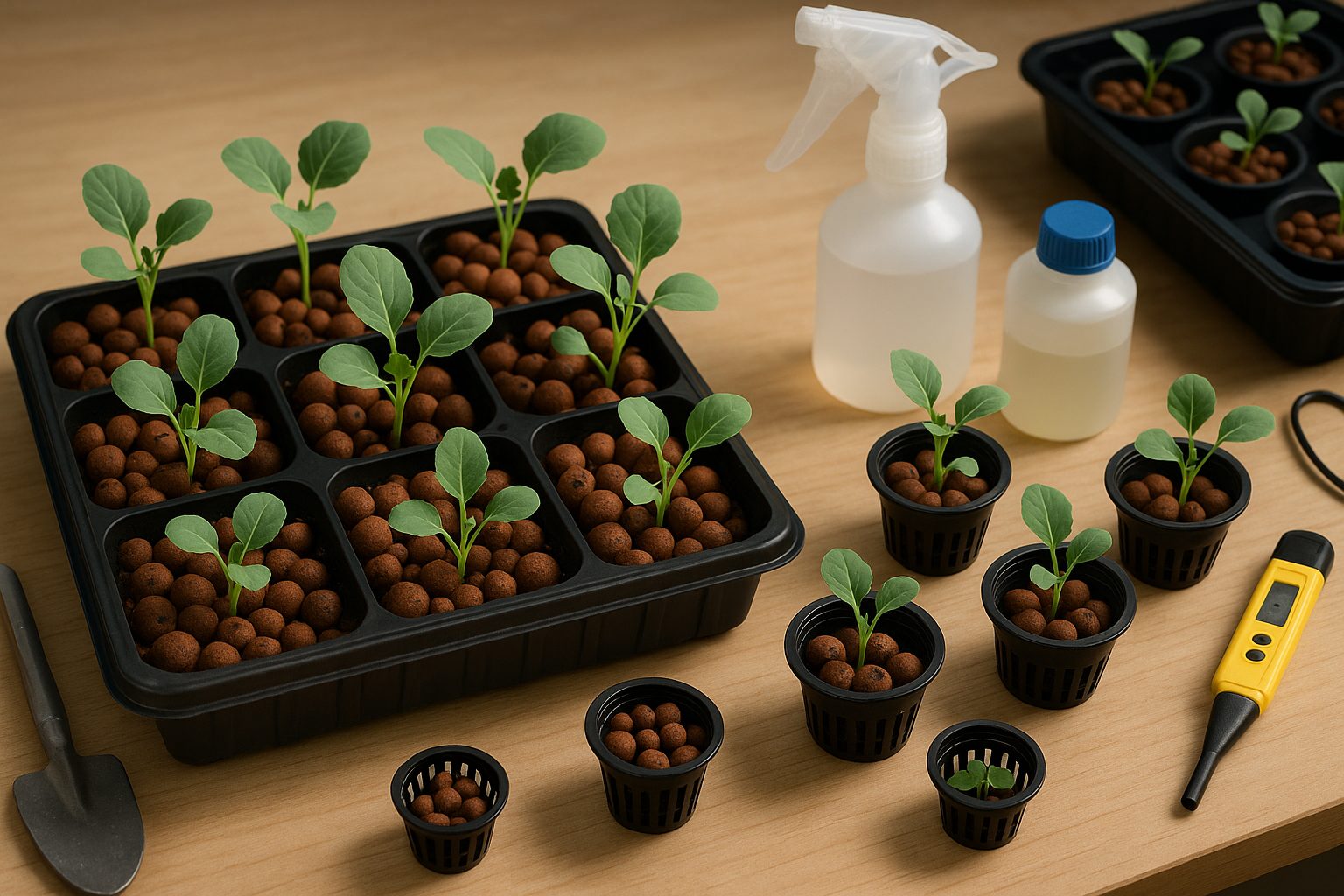
Starting cauliflower from seed requires a bit of patience, but the payoff is worth it. Begin by sowing seeds indoors about 4-6 weeks before your last expected frost, using small trays or starter plugs filled with sterile, damp seed-starting mix. Keep the temperature between 65–70°F (18–21°C) for optimal germination, which usually takes 7-10 days.
Make sure the setup gets plenty of indirect light—grow lights work well if sunny windows aren’t available. Once your seedlings sprout two true leaves and are about 4 inches tall, they’re ready for transplanting into your hydroponic or aquaponic system.
When transplanting, space each plant at least 12-18 inches apart to give those big, leafy heads room to develop. In hydroponics, use net pots filled with inert media like clay pebbles, ensuring roots have full access to the nutrient solution. For aquaponics, rinse the seedlings thoroughly to remove any soil before placing them in your grow bed to avoid introducing pathogens to the fish.
Maintaining Your Cauliflower Plants
Routinely check the water quality and nutrient balance—hydroponic setups require a balanced liquid fertilizer specifically for brassicas, while aquaponics depends on maintaining stable water chemistry and healthy fish populations for nutrients.
Prune excess leaves to improve air circulation around the developing head, and if you notice the curd (the edible part) starting to yellow, consider blanching it by gently tying the outer leaves over the head to shield it from light. Support large heads with soft ties if they become heavy.
Light and Temperature Considerations
Consistent, bright light—12-16 hours daily—promotes vigorous growth, but be mindful of heat buildup, especially in hydroponics, as cauliflower prefers cooler roots.
Aquaponics Tips
In aquaponics, monitor fish health closely and avoid chemical pest control that could harm aquatic life. Both systems benefit from regular checks for pests, balanced pH (aim for 6.0-7.0), and prompt removal of any damaged or diseased foliage.
With attentive care and timely adjustments, you can enjoy crisp, homegrown cauliflower right from your controlled environment garden.
Common Challenges and How to Solve Them
Growing lettuce hydroponically can be incredibly rewarding, but there are some common challenges that every gardener may face.
Nutrient deficiencies often show up as yellowing or pale leaves, which usually means the plant isn’t getting enough nitrogen or other essentials. Regularly check and adjust your nutrient solution using a reliable TDS (total dissolved solids) meter to ensure proper balance.
Pests like aphids and spider mites can also sneak in, even in indoor gardens. Spot them by looking for sticky spots or tiny moving bugs on the undersides of leaves, then rinse plants with water or use insecticidal soap as a gentle control.
Bolting, when lettuce suddenly shoots up and goes to seed, typically results in bitter leaves and is triggered by high temperatures or inconsistent lighting. Keeping your grow area cool (below 75°F) and providing steady day-length lighting can help prevent this.
Poor head development, where lettuce fails to form full heads, often signals overcrowded spacing or inadequate light. Make sure plants aren’t too close together and that your grow lights reach all parts evenly.
Root rot, caused by pathogens like Pythium, shows as brown, mushy roots and wilting plants. Avoid overwatering by maintaining good oxygenation in the water and cleaning your system regularly.
Finally, each hydroponic setup—whether nutrient film technique, deep water culture, or ebb and flow—has its quirks. Leaks, pump failures, or clogged lines are common system-specific issues, so consistently inspect all equipment and have backups like spare pumps on hand.
To prevent problems before they start, practice routine monitoring, maintain clean equipment, and respond quickly to any symptoms. Quick action and consistent care are key for a thriving lettuce crop.
Best Practices and Tips for Success
To boost yield and head quality in your crops, start by using blanching techniques for varieties like cauliflower—simply tie the outer leaves over the heads to shield them from excess sun, keeping them tender and white. Minimizing plant stress is crucial; maintain a consistent temperature, avoid overcrowding, and monitor humidity to promote uniform growth.
Rotate crops regularly, even in recirculating hydroponic systems, to disrupt pest cycles and enhance overall system health. Proper system upkeep is non-negotiable—routinely clean reservoirs and tubing to prevent nutrient buildup and microbial contamination.
For nutrient delivery, invest in a high-quality EC and pH meter and test the water daily. Adjust your feeding regimen as plants develop; young plants need less nitrogen and more phosphorus for root growth, while mature heads thrive on balanced nutrients.
To save water, consider installing a closed-loop system with drip emitters, and always repair leaks swiftly to eliminate waste. Harvest timing makes a big difference in market quality—pick in the cool of the early morning, when heads are firm, compact, and their color is at its peak. Avoid letting heads become too large or over-mature, as this can cause them to split or lose flavor.
By staying vigilant with your system checks, monitoring environmental factors, and harvesting at just the right moment, you’ll consistently enjoy higher yields and premium produce with minimal waste.
Types and Varieties of Cauliflower for Hydroponics/Aquaponics
When selecting cauliflower varieties for hydroponic or aquaponic systems, it’s important to choose cultivars that thrive in controlled environments and mature efficiently. Popular options include ‘Snowball Y’, known for its compact growth and shorter maturity window (50–65 days), making it a top pick for small grow spaces.
‘Amazing’ and ‘Multi-Head’ are both resilient to fluctuating conditions and forgiving of beginner mistakes—great for newer growers.
If you’re working with limited vertical space, ‘Mini White’ or ‘Igloo’ offer petite heads and minimal leaf spread, maximizing production in tight quarters.
For color variety and visual appeal, try specialty types like ‘Purple Cauliflower’, ‘Cheddar’ (bright orange), or ‘Vitaverde’ (green); these not only look striking but also offer different phytonutrients.
Specialty cultivars such as ‘Graffiti’ (deep purple) are especially suited to hydroponics, as they tend to have more consistent head formation when outside soil variables are minimized.
In terms of resilience, hybrids like ‘Depurple’ and ‘Freedom’ show robust disease resistance and reliable yields.
Always consider your available space and climate control capabilities—a modular hydroponic rack, for instance, will benefit from quick-maturing, compact types, while a large aquaponic raft system can experiment with full-sized or colored varieties.
Don’t be afraid to mix and match; rotating varieties can help reduce pest problems and keep your harvest interesting and visually appealing throughout the year.
Conclusion
Hydroponic and aquaponic systems offer unique advantages for cauliflower production, including faster growth, larger yields, and better pest and disease control compared to traditional soil gardening. Key steps to success include selecting quality seeds, maintaining optimal nutrient levels, regulating temperature and humidity, and monitoring water quality.
These methods allow growers to produce fresh, healthy cauliflower year-round using less space and water. If you’re new or looking to improve your skills, start small—experiment with a homemade system and learn as you go. There are plenty of free forums, YouTube channels, and online courses dedicated to hydroponics and aquaponics that provide up-to-date advice and troubleshooting tips.
Joining local gardening communities can also help you connect with fellow growers. With the right approach and ongoing learning, you’ll be harvesting crisp, delicious cauliflower before you know it, all while mastering valuable techniques for future soilless gardening projects.