What Are Leggy Seedlings?
Leggy spinach seedlings catch many gardeners off guard—one day, your young plants look fine, and the next, they’re stretched tall and spindly, barely able to stand upright. But what exactly are leggy seedlings, and why do they happen so often, especially indoors?
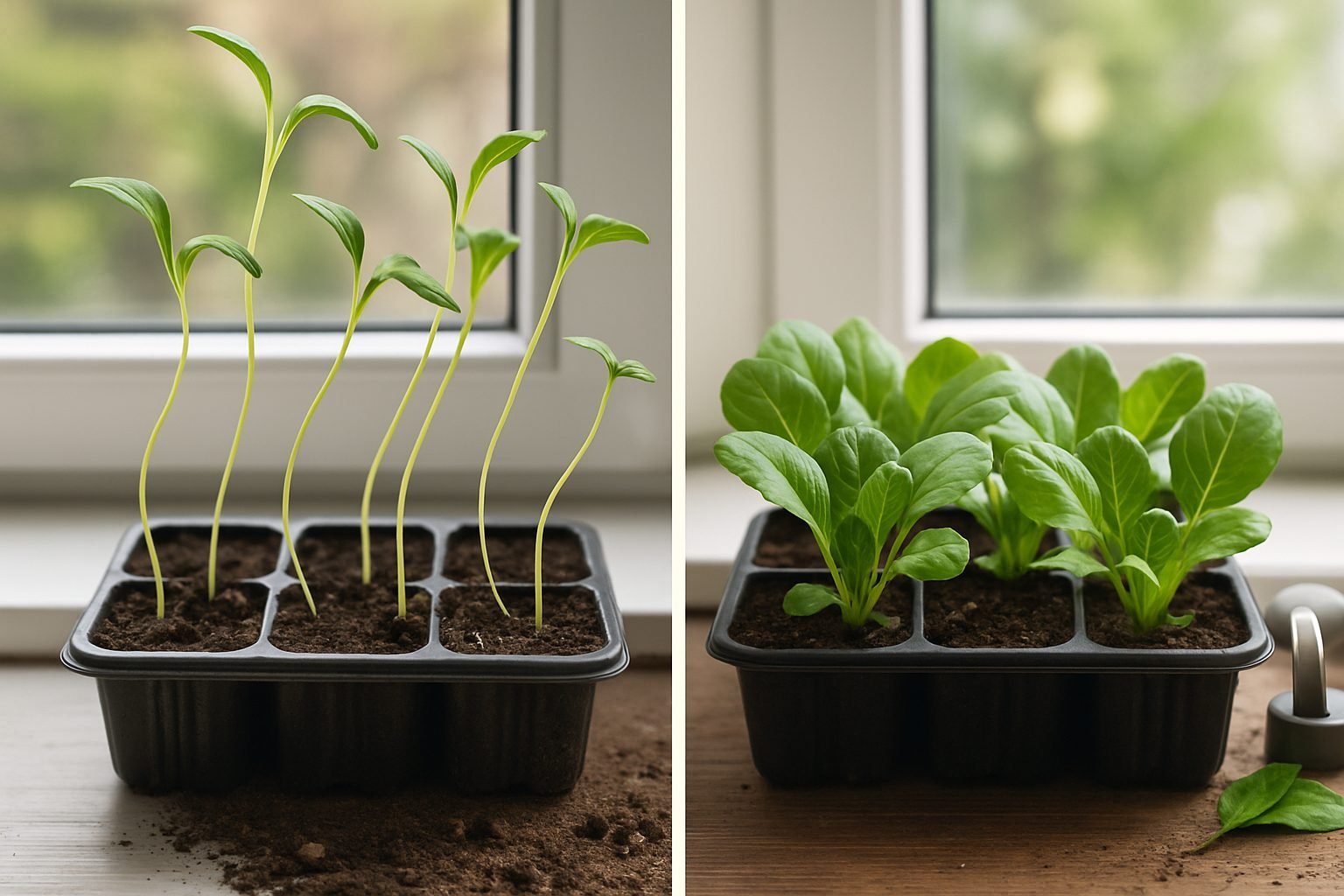
In gardening, “leggy” refers to seedlings that have grown unusually long, thin stems. Visually, these plants look stretched, top-heavy, and fragile, with too much space between the leaves. Instead of developing short, sturdy growth, the seedlings shoot upwards, reaching for a light source that’s too far away or not strong enough.
This problem is especially common for people starting spinach (and other veggies) indoors by seed. Homes rarely offer the amount of intense, direct light that young spinach seedlings crave. When light is lacking, the plants sense they need to compete for resources, triggering rapid upward growth—which sacrifices overall strength and health.
You might notice that the stems bend towards windows or light bulbs; the leaves may look pale or even curl. Sometimes, the seedlings fall over completely, unable to support their own weight.
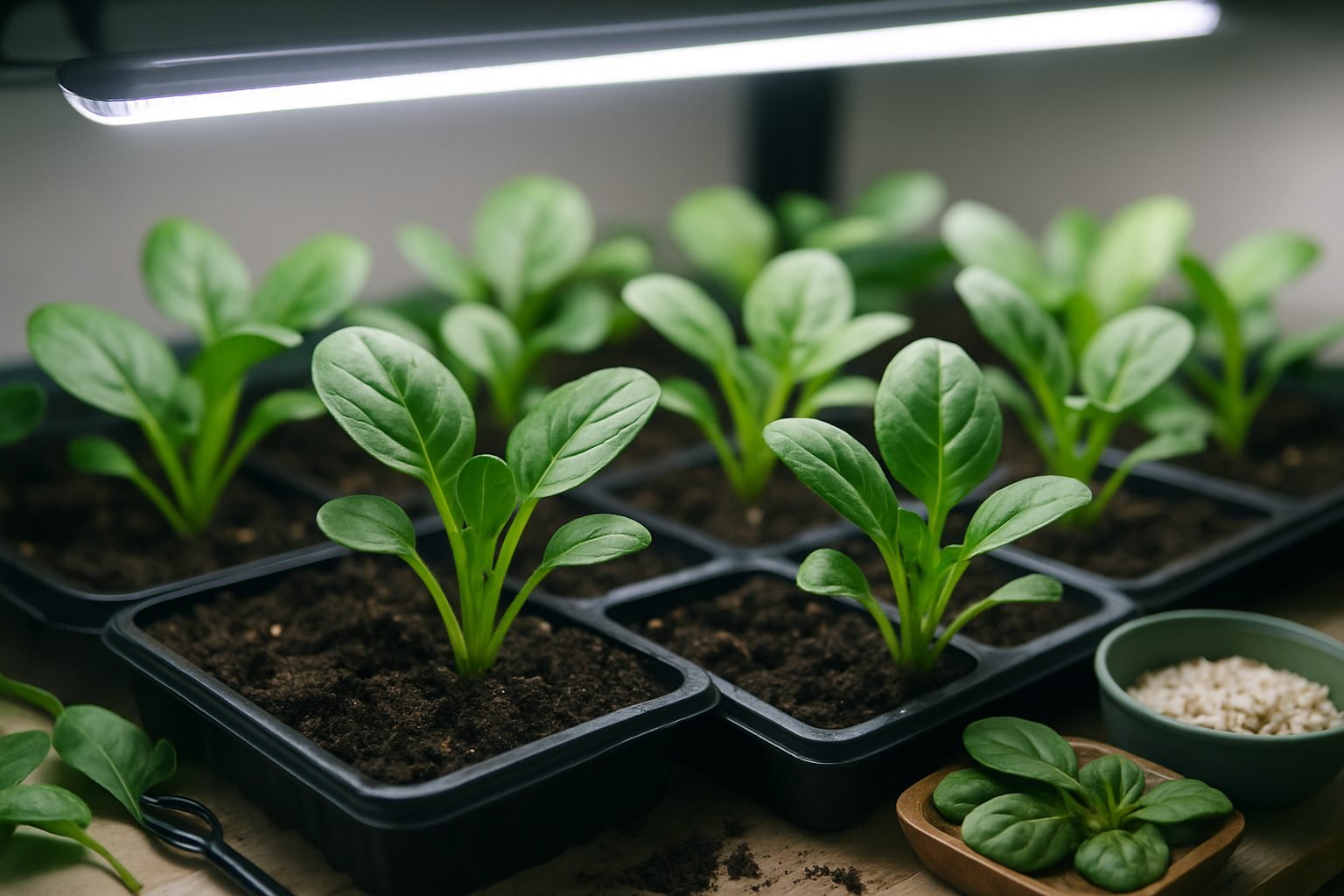
In contrast, healthy spinach seedlings look compact, with thick stalks and leaves that grow close together. They’re a healthy shade of green, sturdy enough to withstand gentle handling, and grow upright without leaning dramatically.
If you’re unsure whether your young plants are leggy, compare them to seedlings shown in gardening resources or community photos online—healthy spinach seedlings will always appear much stockier. Leggy seedlings show gaps between leaf pairs, thinner stems, and an overall scraggly appearance. Recognizing these signs early can help you act fast, improving your chances of rescuing your spinach crop before it’s too late.
Why Seedlings Become Spindly: Main Causes
Seedlings often become tall, thin, and “leggy” when they’re not getting the right growing conditions—a common challenge for indoor gardeners. The biggest culprit is insufficient light. When seedlings don’t get enough, they stretch upwards in search of a better source, a process called phototropism. You’ll notice stems leaning toward the brightest window in the room; it’s the plant’s natural response to seek sunlight, but the result is weak, spindly growth that makes the seedlings prone to falling over.
Another reason for legginess is temperature: warm indoor rooms can trick seeds into rapid growth before they have enough light and leaf development to support themselves. Watering mistakes also play a role; overly soggy or bone-dry soil both stress young plants, weakening their stems even more.
Many gardeners unwittingly encourage legginess by starting trays of seedlings on window sills, which rarely provide consistent, direct sunlight for several hours a day—especially during late winter or early spring.
To avoid these pitfalls, try the following:
- Set up a simple grow light a few inches above your seedlings and keep it on for 12-16 hours daily.
- Position trays somewhere cool but not chilly (around 65-70°F is ideal).
- Aim for even, gentle moisture in the soil.
These small adjustments quickly result in sturdier, healthier seedlings, ready to thrive when it’s time to transplant them outdoors.
The Impact of Inadequate Light on Seedlings
When seedlings don’t get enough light, they quickly show signs of stress: their stems grow long, spindly, and weak in a desperate attempt to reach any available light. This phenomenon, called “etiolation,” happens because plants prioritize upward growth over strength and leaf production when they sense insufficient light. As a result, the seedlings become tall, pale, and often unable to support themselves, making them vulnerable to pests, diseases, and transplant shock.
To prevent these problems, it’s crucial to provide optimal light conditions. Most vegetable and flower seedlings need at least 12 to 16 hours of bright light per day—natural sunlight through a south-facing window can work if it’s uninterrupted and strong, but most indoor gardeners find supplemental grow lights much more reliable.
Fluorescent or LED grow lights should be positioned just 2–4 inches above the tops of seedlings to offer enough intensity without causing heat damage; as the seedlings grow, adjust the height to maintain this distance. To quickly check if your seedlings are getting enough light, observe their appearance: sturdy, short plants with deep green leaves are a good sign, while tall, thin, and pale ones need more light.
You can also use a simple hand shadow test—if you can cast a crisp shadow over the seedlings under the grow light, the intensity is usually strong enough. If your current setup falls short, consider adding another light fixture or increasing the wattage, and always use timers to mimic a consistent day-night cycle. Rotating trays regularly ensures all seedlings get even exposure, preventing uneven growth.
With the right light, seedlings develop strong stems and lush leaves, setting the stage for healthy plants in your garden later on.
Temperature and Watering: Their Role in Seedling Health
High temperatures and inconsistent watering can greatly affect seedling health, often causing issues like legginess—where young plants grow tall, thin, and weak as they stretch toward light while struggling under stress. When indoor temperatures rise above 75°F (24°C), seedlings may grow too quickly, sacrificing strength for height. Meanwhile, fluctuating moisture levels can further stress roots, leading to stunted growth or root diseases.
It’s crucial to maintain soil temperatures between 65-75°F (18-24°C) for most vegetable seedlings. This range encourages steady growth without promoting unwanted stretching. Consistent, light soil moisture is equally important; the soil should feel damp like a wrung-out sponge—never soggy or bone-dry.
To stabilize indoor temperatures, try placing seedlings away from radiators, drafty windows, or south-facing sills that get too hot from sunlight. Using a seedling heat mat with a thermostat can keep soil within optimal ranges, especially in cooler rooms.
For watering, use a spray bottle or watering can with a fine rose to distribute water gently and evenly over the soil, avoiding heavy pouring that compacts the soil or drowns the roots. Setting reminders to check moisture twice a day, or placing a clear plastic cover over trays to slow evaporation, can help maintain steady conditions.
With just a few small adjustments, you can prevent legginess and give your seedlings the best possible start.
Best Practices to Prevent and Fix Leggy Seedlings
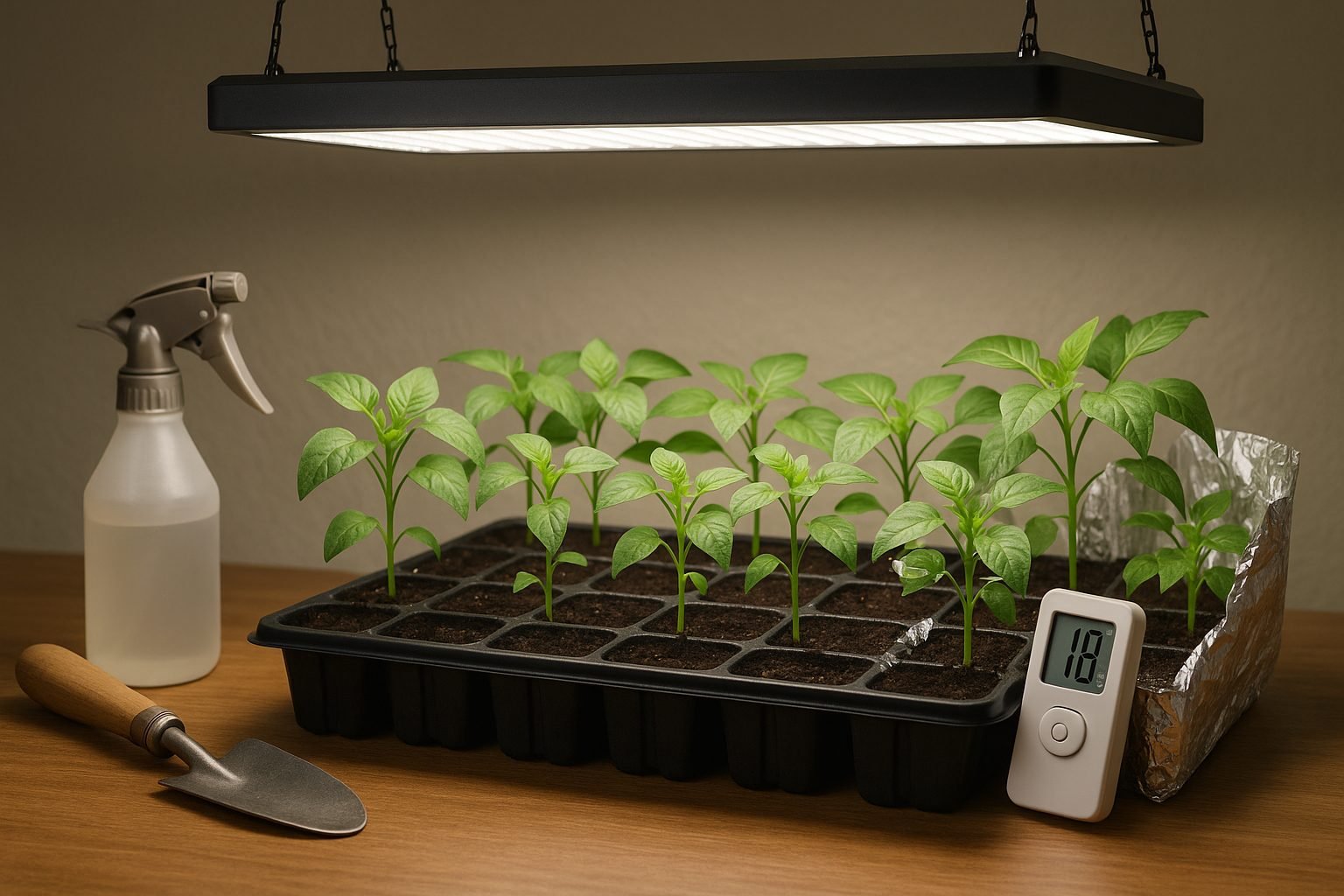
Preventing leggy seedlings starts with providing the right amount and quality of light from day one. Since most indoor windowsills don’t get enough direct sunlight, consider setting up a grow light a few inches above your seedlings on a timer for 12–16 hours a day. LED grow lights are energy-efficient, but even a simple shop light with cool-white bulbs can work well—just make sure the lights are close but not touching the seedlings to keep them growing sturdy. If you’re on a budget, you can create a DIY reflector with aluminum foil around the seedlings to direct more light onto them.
In addition to lighting, keep your room temperature moderate; seedlings tend to stretch if it’s too warm, so aim for 65–70°F during the day and a bit cooler at night. Avoid overwatering, which can encourage weak stem growth and fungal problems; let the top of the soil get just dry to the touch before watering again. Crowding also makes seedlings compete and stretch, so thin them early or start with one seed per cell for better air circulation and light exposure.
If you notice your seedlings already getting leggy, it’s not too late to course-correct. One effective fix is to transplant them into deeper pots, burying the long stems up to the first set of leaves, which encourages stronger root growth and helps stabilize the plant. For certain plants like tomatoes, pinching back the tops (using clean fingers or scissors to snip the tips) can promote bushier growth, but be gentle—this doesn’t work well for all species.
Even after repotting, make sure to maintain optimal lighting and temperatures, and keep watering and spacing in check. Over time, these small adjustments will encourage healthier, sturdier seedlings ready for successful transplanting into your garden or bigger pots. Remember, the key is to respond quickly at the first sign of legginess and adapt your setup as needed—your future harvest depends on it!
Moving Forward: Growing Strong, Healthy Seedlings
To prevent leggy, stretched seedlings in your next seed-starting adventure, focus on giving your plants a strong foundation from day one. Start with quality seeds and choose seed-starting mix instead of garden soil, as it’s lighter and helps roots grow easily.
Place seedlings under bright, direct light—ideally using grow lights positioned just two to three inches above the plants—and keep them on for around 14 to 16 hours a day. Rotate trays regularly or move them closer to sunny windows to ensure even growth. Maintain a consistent temperature between 65–75°F and avoid over-watering, since soggy conditions can weaken stems and invite disease.
A simple checklist to follow:
- Sow seeds at the right depth
- Thin out crowded seedlings
- Provide plenty of light
- Regulate temperature
- Water from the bottom to keep soil moist but not waterlogged
- Gently brush plants with your hand daily to mimic wind and promote strength
As you move forward, remember that growing seedlings is a learning process—what works for one variety or setup might not work for another. Take notes, try new techniques, watch your seedlings closely, and don’t be discouraged by setbacks. Each season offers a new chance to fine-tune your routine and grow even hardier, healthier vegetables.
With patience and mindful observation, you’ll discover approaches that fit your space and style, resulting in strong transplants ready to thrive in your garden.