Introduction to Daikon Radishes
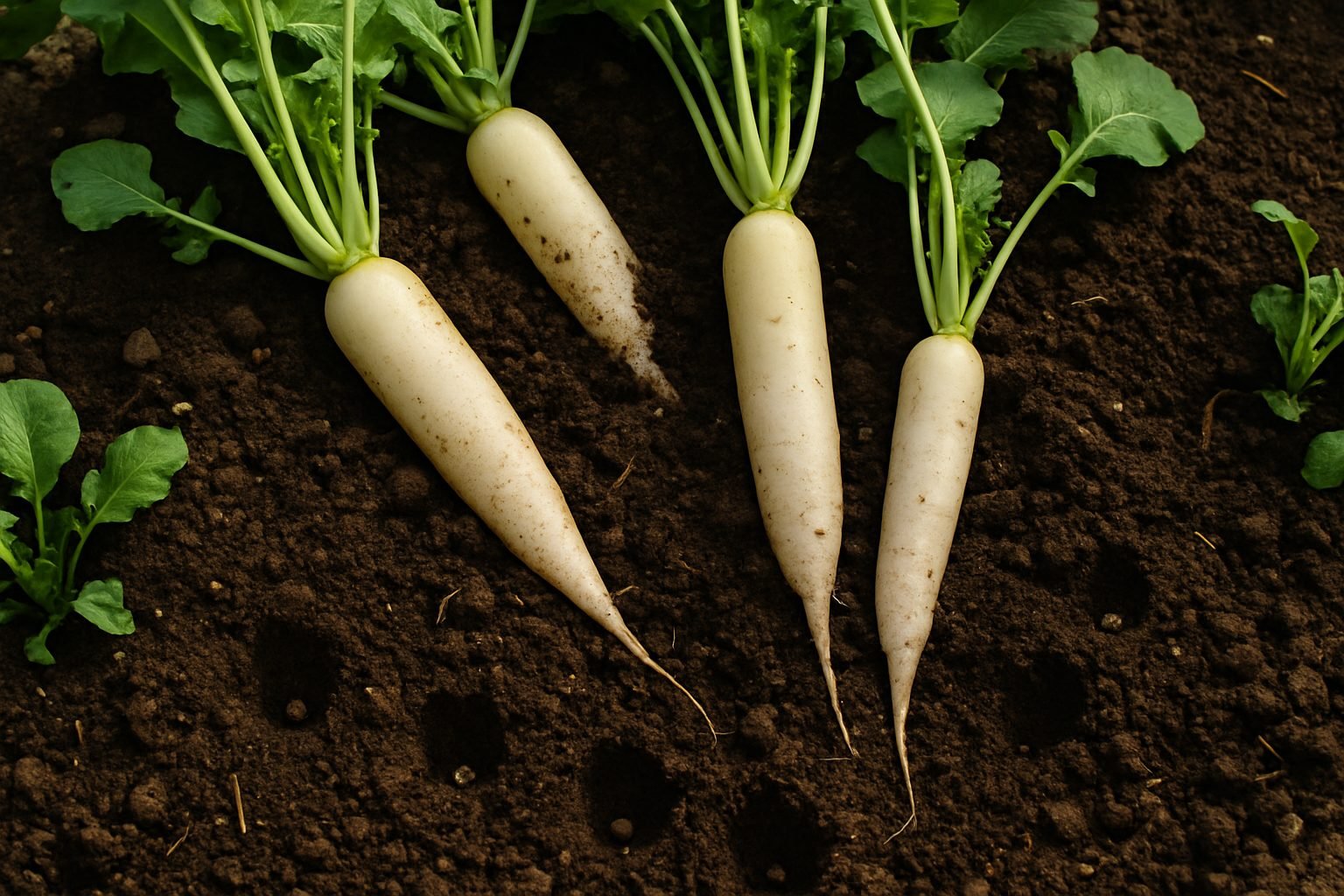
If you’ve ever wondered about growing radishes in clay soil, daikon radishes might be the perfect fit for your garden. Known for their large, elongated white roots—often reaching a foot or more in length—daikon radishes stand apart from their smaller, red cousins. Their crisp texture and mildly spicy, slightly sweet flavor make them a favorite in a wide range of dishes, especially pickled, grated, or added fresh to salads and stir-fries.
In Asian cuisines, particularly Japanese, Chinese, and Korean, daikon is a kitchen staple, used in soups, savory pancakes, and even as a crunchy relish. Their robust growth habit not only delivers impressive harvests but also makes them a valued cover crop among farmers and gardeners, especially for improving heavy, compacted soils.
As their deep taproots break through hard clay layers, daikon radishes naturally aerate the earth and bring nutrients up from deeper layers, benefiting the whole garden ecosystem. Whether you’re an aspiring chef looking for new flavors or a gardener aiming to revitalize your soil, daikon radishes offer both culinary excitement and practical gardening benefits, making them a globally significant crop well worth your attention.
Soil and Climate Requirements
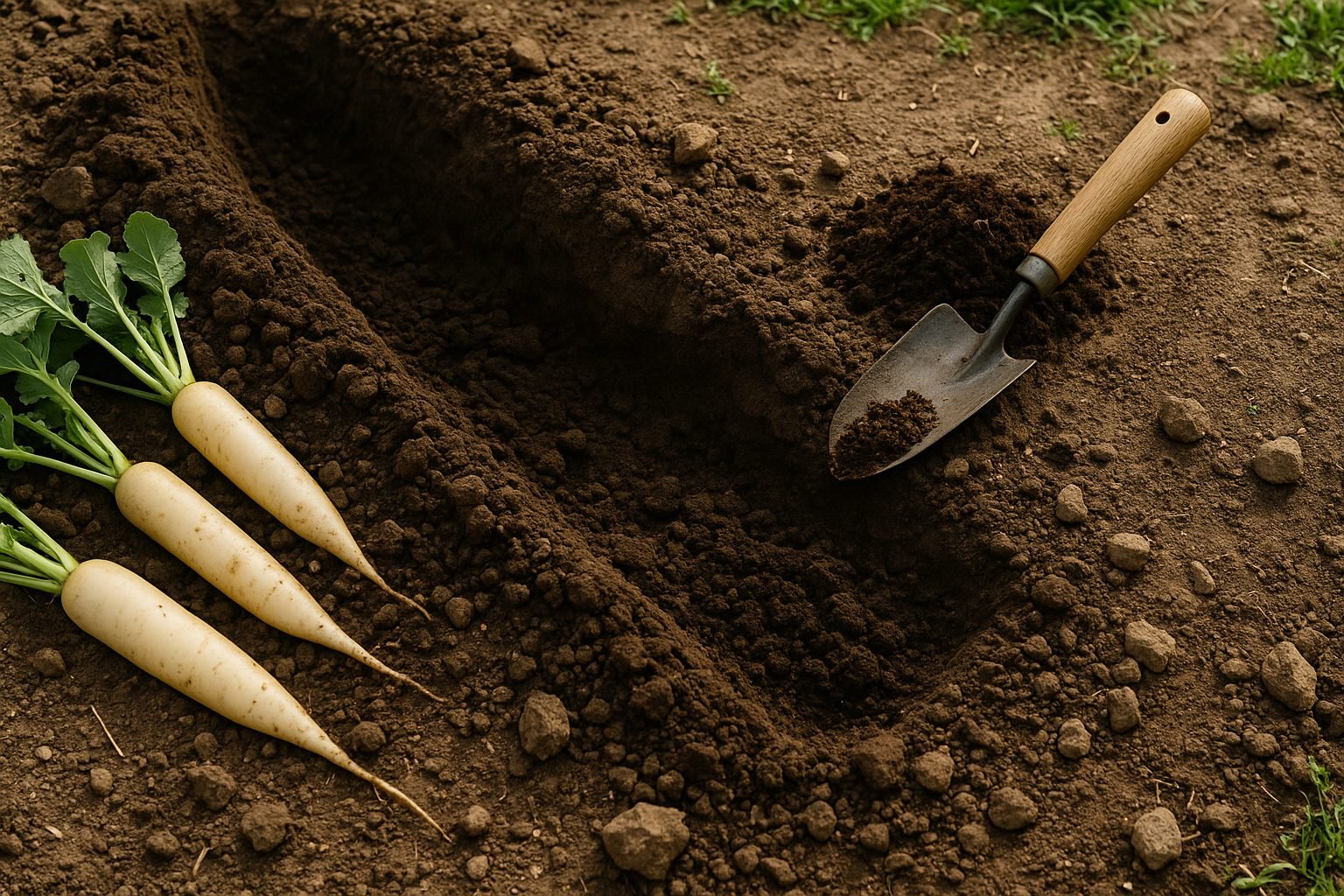
Daikon radishes thrive best in loose, well-draining soil rich in organic matter. Heavy clay or compacted soils can stunt root development, resulting in misshapen or small harvests. However, daikon has a unique advantage—its long, sturdy roots can help break up dense soils over time, improving the structure for future crops.
To prepare the bed, loosen the soil to at least 12 inches deep and remove large rocks. Then, mix in compost or well-rotted manure for a nutrient boost. Daikon is a cool-season crop that grows most vigorously when daytime temperatures range between 50°F and 75°F (10°C to 24°C). Early spring or late summer plantings work best, allowing roots to develop before the weather becomes too hot. In most regions, sowing seeds two to three months before the first expected fall frost yields optimal results.
Varieties like Minowase produce classic long, white roots suited for deep, loose soils and mild climates, while shorter, stumpier types such as Watermelon or Round Black Spanish are better for heavier or shallow soils. If you live in a hot region, look for heat-tolerant varieties or consider fall as the primary growing season.
By matching the right daikon variety to your soil type and climate, you’ll maximize both yield and quality while helping to condition your garden beds for seasons to come.
Planting Daikon Radishes
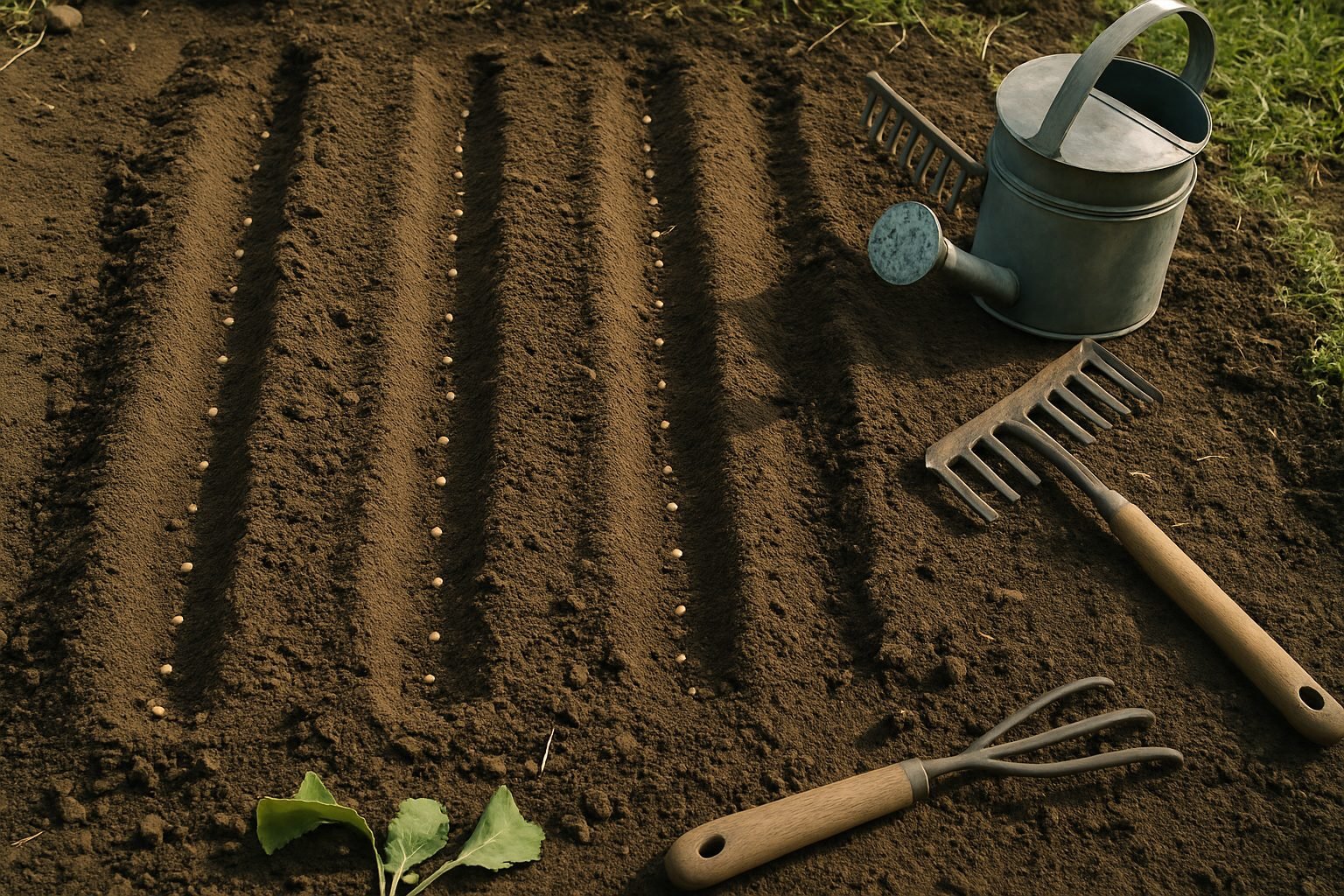
Planting daikon radishes starts with timing: they grow best when sown in late summer to early fall, about 8-10 weeks before your first expected frost. Choose a sunny spot with loose, well-drained soil, as these long-rooted radishes need plenty of space to stretch down without obstruction.
To prepare your garden bed, remove rocks or debris and work the soil at least 12 inches deep, mixing in compost to enrich fertility and improve moisture retention. Create rows about 18 inches apart, and sow seeds half an inch deep, spacing them 2-3 inches apart in the row. As seedlings emerge, thin them to 4-6 inches so each root has ample room to swell—a crowded bed leads to stunted or forked roots.
To keep your harvest going, try succession planting: start a new row every 2-3 weeks through your sowing window. This means you can pull fresh daikon roots over several weeks instead of all at once. Water regularly to maintain consistent moisture, and mulch between rows to keep soil cool and weed-free.
By giving daikon radishes loose soil, the right spacing, and steady moisture, you’ll set yourself up for crisp, healthy roots—and if you’re short on garden space, these tips work great in deep containers too.
Care and Maintenance
Proper care and maintenance are essential to keep your garden thriving and productive. Start by establishing a consistent watering routine; most plants prefer deep, infrequent watering rather than frequent, shallow sprinkles. Aim to water early in the morning so leaves dry quickly, giving your plants the maximum benefit before the hottest part of the day.
To help the soil retain moisture and reduce how often you need to water, spread a 2-3 inch layer of organic mulch, such as shredded bark or straw, around your plants—just be sure to keep mulch a few inches away from stems to prevent rot.
Regular weeding is another key step; weeds compete for nutrients and water. Set aside a few minutes each week to pull weeds by hand or gently hoe around plants.
For optimal nutrient management, apply a balanced, slow-release fertilizer at planting, then supplement with compost or liquid feed midway through the growing season. Avoid over-fertilizing, as it can harm roots and reduce yield—always follow label directions.
Rotate your crops each year to prevent soil-borne diseases and improve soil health.
Finally, inspect plants frequently for signs of pests or diseases, and remove any damaged foliage before problems spread.
By combining these practical strategies—consistent watering, mulching, vigilant weeding, thoughtful fertilization, and regular monitoring—you’ll set your garden up for health, resilience, and an abundant harvest.
Pests, Diseases, and How to Protect Daikon
Daikon radishes are hardy, but they’re not immune to trouble—pests like root maggots and flea beetles, as well as diseases such as downy mildew and root rot, are common problems to watch for.
Root maggots typically cause wilting or stunted growth; you might notice tunnels or brown spots in the roots. Flea beetles leave distinctive small holes in the leaves, giving them a lacy appearance. For fungal infections like downy mildew, look for yellow or gray spots on leaves and sometimes fuzzy growth on the underside.
To prevent these issues, always rotate crops each year and avoid planting daikon where related crops like cabbages have just grown. Floating row covers are a simple, organic way to keep beetles and flies away from young plants. Make sure to space plants well and water early in the day so leaves can dry before nightfall—damp conditions fuel fungal growth.
If you spot pests, try spraying leaves with a mix of water and a tiny amount of dish soap; it deters beetles without harsh chemicals. For maggots, apply beneficial nematodes to soil to attack the larvae naturally. If a plant shows severe disease, remove and trash it (not compost) to avoid spreading.
Checking your daikon every few days makes it easier to catch and treat problems early, giving your radishes the best shot at a healthy harvest.
Harvesting and Storage Tips
Knowing when your daikon radishes are ready to harvest is key to enjoying their crisp texture and mild flavor. Typically, daikons are ready about 60 days after sowing, or when the root is 8 to 14 inches long and visible above the soil. If the leaves are lush and the radish seems to have reached its mature size, gently pull one as a test—if it’s firm and white, it’s time to start harvesting.
Use a garden fork or shovel to carefully loosen the soil around each radish to prevent snapping the long, brittle roots.
Once harvested, daikons can be stored unwashed in the crisper drawer of your fridge, ideally wrapped in a damp paper towel and placed inside a perforated plastic bag. This way, they’ll stay fresh for up to two weeks.
For longer storage, try pickling the roots or burying them in damp sand in a cool location.
In the kitchen, daikon radishes shine raw in salads, pickled for extra crunch, or cooked into stir-fries and soups. Besides culinary use, daikons also serve as excellent cover crops; their deep roots break up compacted soil and add organic matter, making them a smart, sustainable choice for gardeners.
Daikon Radishes for Soil Health: Cover Crop Benefits
Daikon radishes are becoming increasingly popular among farmers and gardeners for their remarkable ability to break up compacted soils—a trait that has earned them the nickname “clay busters.” Their long, sturdy taproots penetrate deep into tough, dense ground, creating channels that improve water infiltration and help aerate the soil. This naturally loosens hardpan layers that are often too stubborn for mechanical tilling, making nutrients more accessible for future crops.
As these thick roots decompose, they leave behind organic matter, enhancing soil fertility and supporting beneficial earthworm and microbial activity. Incorporating daikon radishes into your crop rotation is also a smart strategy for pest and disease management, disrupting cycles that can build up when the same crop is planted repeatedly.
Many growers use daikons as green manure—simply sow them in late summer or early fall, then mow down or till the radishes before they set seed. Their dying foliage and roots add a flush of nutrients back into the soil, setting the stage for healthier spring plantings.
Planting and Care Tips
- Broadcast seeds at a rate of 10–15 pounds per acre for large fields or a handful per 100 square feet in home gardens.
- Irrigate if rainfall is scarce to ensure good seed establishment.
- Leave the tops in place over winter as a natural mulch; the roots will gradually break down, continuing to loosen and enrich the soil well into the next season.
With a little planning, daikon radishes can be a powerful tool in your soil regeneration toolkit.