Introduction
Fast growing pumpkins are capturing the interest of gardeners and farmers around the world—and for good reason. Pumpkins aren’t just a global fall icon; they’re a staple in soups, pies, and festive centerpieces, adding both flavor and color to tables and porches. Whether you want to carve a show-stopping jack-o’-lantern or whip up a hearty pumpkin soup, choosing the right pumpkin variety can make all the difference.
For those in regions with short growing seasons or anyone eager to maximize their harvest, fast growing pumpkins offer efficiency without sacrificing quality or size. Choosing pumpkins that mature quickly helps you avoid early frosts, fit in a second planting, or simply enjoy a more reliable crop.
In this guide, we’ll explore why fast-maturing pumpkins are essential for time-savvy growers, highlight their unique advantages, and introduce the most dependable varieties you can plant this year. You’ll also find proven cultivation tips and clear guidelines on when and how to harvest for the best flavor and longest shelf life. Whether you’re growing for the kitchen, the market, or your front porch, this post will help you get the most out of your pumpkin patch.
Why Choose Fast Growing Pumpkin Varieties?
Opting for fast growing pumpkins offers numerous advantages for both home gardeners and commercial growers, helping you make the most of every planting season. Traditional pumpkin varieties can take up to 120 days to mature, leaving them vulnerable to late frosts, sudden weather changes, and pest outbreaks. This long growing period can reduce yields—especially in regions with short, cool summers.
Fast growing pumpkin varieties, however, often mature in just 75-90 days, allowing you to avoid many of these challenges. For home gardeners, this means a better chance of harvesting pumpkins before early fall frosts, perfect for festive decorations or homemade pies right on schedule.
Commercial growers benefit as well. With faster maturity, they can stagger plantings to achieve successive harvests, boosting yields and ensuring a steady supply for local markets or pumpkin patches. The shorter growing season also limits the crop’s exposure to common diseases like powdery mildew and squash vine borer, reducing the need for chemical treatments.
Fast growing pumpkins are ideal for northern or mountainous regions where warm weather is brief, or areas with erratic weather patterns that quickly shift between hot and cool. Even in places with unpredictable rainfall, these quick-growing varieties allow for later spring or earlier summer planting, lowering the risk of crop failure.
For anyone frustrated by pumpkins that linger all season only to be lost to storms or pests, fast growing pumpkins offer a practical and resilient solution.
Key Traits of Fast Growing Pumpkins
Fast growing pumpkins are popular among gardeners because they can reach harvest in just 75 to 90 days—a significant improvement over standard varieties that often require 100 to 120 days. This quick maturity makes them perfect for regions with shorter growing seasons or for growers who want to stagger their pumpkin harvest throughout the fall. These speedy pumpkins typically produce compact fruits weighing between 2 and 10 pounds and feature dense, robust vines or bushy growth. Many fast growing pumpkins are bred for disease resistance against common problems like powdery mildew, mosaic virus, and bacterial wilt. This resilience helps reduce crop loss and boost overall yield, making fast growing pumpkins a dependable choice for both small gardens and larger plots.
When planning your garden, it’s important to consider their growth habits. Bush-type pumpkins, like ‘Bushkin’, produce fruit more quickly and take up less space—ideal for container gardens, raised beds, or tight areas. These compact plants are easier to manage and harvest but may yield fewer fruits per plant due to limited vine spread. In contrast, vining varieties such as ‘Early Sweet Sugar Pie’ or ‘Baby Pam’ spread extensively and require more room; however, their faster growth often means more fruit per plant if you have the space. Both bush and vining types thrive in well-drained, fertile soil with plenty of sunlight and regular watering. By understanding these characteristics—not only days to maturity but also plant form, fruit size, and disease resistance—you can better plan for a successful, abundant harvest of fast growing pumpkins tailored to your garden’s unique needs.
Top Fastest-Growing Pumpkin Varieties
If you’re eager to harvest pumpkins quickly, choosing the right fast growing pumpkins can make all the difference. One standout option is ‘Jack Be Little’, which matures in about 90 days. These tiny, palm-sized pumpkins are perfect for tabletop décor, kids’ crafts, and can even be roasted whole for a sweet snack. ‘Jack Be Little’ thrives in both small gardens and containers, making it a favorite for urban and beginner gardeners, especially in climates with shorter summers.
Another great choice is ‘Early Giant’, ready to harvest in just 90–95 days. Living up to its name, this variety produces medium-to-large, bright orange pumpkins ideal for early Halloween carving or holiday displays. Early Giants prefer full sun and well-drained soil and are well-suited for gardeners in cooler regions aiming to maximize a short growing season.
If you want both beauty and flavor, consider the ‘Cinderella’ pumpkin (also known as ‘Rouge Vif d’Etampes’), which matures in about 95 days. With its scarlet, fairy-tale-like skin and flattened shape, this variety is popular for autumn centerpieces and baking—its flesh is sweet and smooth, making it perfect for pies. Cinderella pumpkins thrive in warm, sunny spots and are suitable for gardeners across most temperate climates.
For something miniature and ghostly, ‘Baby Boo’ is a white pumpkin that matures in just 95 days. These tiny pumpkins are popular for fall crafts, ornamental displays, and children’s projects. Their vining plants adapt well to container or small-space gardens in both warm and temperate regions.
‘Sugar Pie’ pumpkins, maturing in about 100 days, deserve a spot on this list. Their small, round shape and tender, sugary flesh make them the top choice for homemade pumpkin pies and purees. Sugar Pie pumpkins flourish in most climates but perform best where summers are warm and soil is rich.
Rounding out the list is ‘Jill-Be-Little’, another variety that matures in 90–100 days. These miniature orange pumpkins are perfect for decorating, and their small size makes them ideal for young gardeners or anyone with limited space.
Each of these fast growing pumpkins offers unique shapes, uses, and ideal growing conditions, so you can find the perfect match for your region—whether you’re a city dweller with a balcony, a classroom teacher, or a homesteader seeking quick, abundant harvests.
Tips for Successfully Growing Fast-Maturing Pumpkins
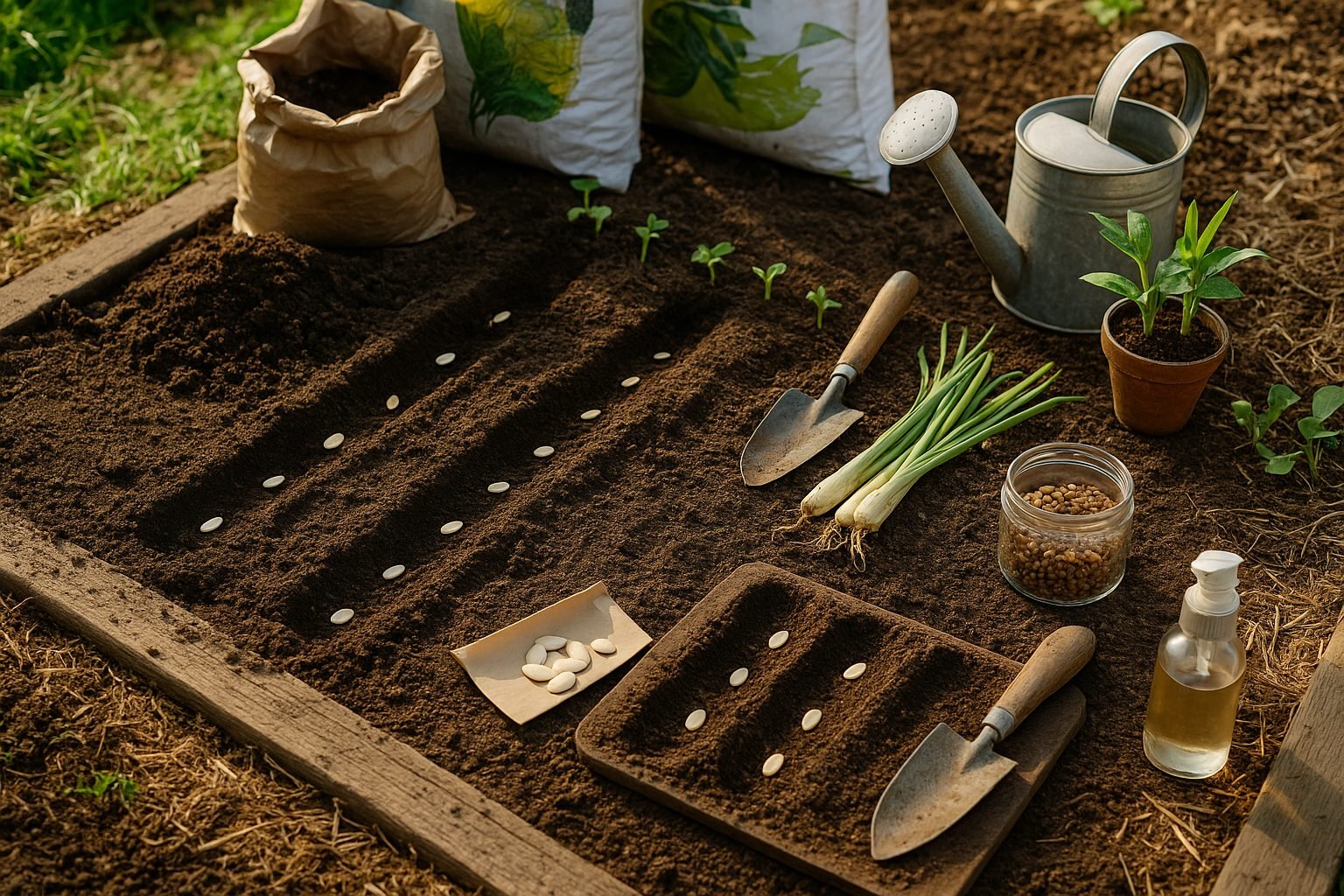
For gardeners looking to get the most from fast growing pumpkins, a few well-timed strategies can make all the difference. Start by planting after all risk of frost has passed and soil temperatures reach about 70°F (21°C)—this encourages quick germination and strong growth. Preparing the soil is key: enrich your garden bed with plenty of compost or well-aged manure before planting. Fast-maturing pumpkins thrive in nutrient-rich, well-drained soil with a pH between 6.0 and 6.8. Mound the soil into small hills about 4-6 feet apart; this helps warm the soil faster and reduces rot, giving your young vines a healthy start.
Consistent moisture is essential, but be careful to avoid soggy soil. Water deeply at the base of the plant early in the morning to promote rapid root development and reduce fungal problems. Adding mulch helps retain moisture and keeps weeds under control. For fast-growing varieties, side-dress with a balanced fertilizer or compost tea every 2-3 weeks, but don’t overdo nitrogen—it promotes leafy vines instead of pumpkins. Use a complete fertilizer at planting, then switch to one higher in phosphorus and potassium once flowers appear to boost fruit set.
Fast-maturing pumpkins can attract pests like squash bugs, cucumber beetles, and vine borers, which can quickly damage tender plants. Use floating row covers early on and handpick pests when you see them. Check your vines daily and encourage beneficial insects such as ladybugs and lacewings. To prevent fungal diseases like powdery mildew, provide plenty of air circulation and avoid wetting leaves during watering. Crop rotation is especially important for disease prevention—avoid planting pumpkins or related crops in the same spot year after year.
To maximize your harvest, train vines along trellises or use vertical gardening methods for smaller varieties, saving space and improving airflow. Succession planting—sowing seeds every two weeks—ensures a steady supply of pumpkins and makes efficient use of limited garden space. Prune side vines once a few fruits have set to direct energy toward maturing pumpkins faster. With these tips, you’ll unlock the full potential of your fast growing pumpkins and enjoy a plentiful fall harvest, no matter how big or small your garden is.
Harvesting and Storing Early Pumpkins
When it comes to harvesting fast-growing pumpkins, timing is key to getting the best flavor and ensuring they store well. Most fast-growing varieties are ready in just 75–90 days after planting. Look for visual cues—pumpkins should have fully developed their color, the rind should feel hard, and the vine near the stem often starts to crack or turn brown.
To harvest, use a sharp knife or pruners to cut the pumpkin from the vine, leaving a few inches of stem attached. This helps prevent rot and extends storage life. Handle pumpkins gently to avoid bruising, since any damage can lead to spoilage. After harvesting, cure them by placing the pumpkins in a warm, dry, and well-ventilated spot for about 10 days. Curing toughens the skin and heals minor cuts, making the pumpkins less prone to rot.
For storage, keep pumpkins in a single layer on a rack or shelf in a cool (50–60°F), dry place with good airflow. Avoid stacking, as it can cause pressure points and trap moisture. Check stored pumpkins regularly for mold or soft spots, removing any that show signs of spoilage. If space is limited, store smaller varieties in shallow baskets or crates lined with newspaper for extra protection.
If you have immature or smaller pumpkins—perhaps harvested due to frost or broken vines—they can still be useful. While they may not keep as long, these can be roasted, pureed for soups, or pickled soon after picking. By taking care when harvesting and storing fast-growing pumpkins, you can maximize their shelf life and flavor, letting you enjoy your harvest for months to come.
Conclusion and Next Steps
Growing fast-maturing pumpkin varieties offers several key advantages for both novice and experienced gardeners. These fast growing pumpkins not only shorten the wait from planting to harvest but also increase the chances of a successful crop, especially in regions with shorter growing seasons. Fast growers help you avoid late-season pests, diseases, and unpredictable fall weather that can threaten slower-maturing pumpkin varieties.
They’re an excellent choice for anyone eager to enjoy homegrown pumpkins for fall decorating, Halloween carving, or delicious autumn recipes. If you’re new to pumpkin gardening or have struggled with slow-maturing types in the past, trying these quicker varieties can make the process far more rewarding and less stressful.
Popular options like ‘Early Giant’, ‘Jack Be Little’, and ‘Cinderella’ are ideal for busy gardeners or those looking to maximize their garden’s productivity. To get started, check resources like your local agricultural extension office, the Old Farmer’s Almanac website, or reputable seed suppliers such as Baker Creek Heirloom Seeds for tips and growing guides.
By exploring fast growing pumpkins, you can achieve impressive results in a single season and discover even more about the joys of growing your own food.