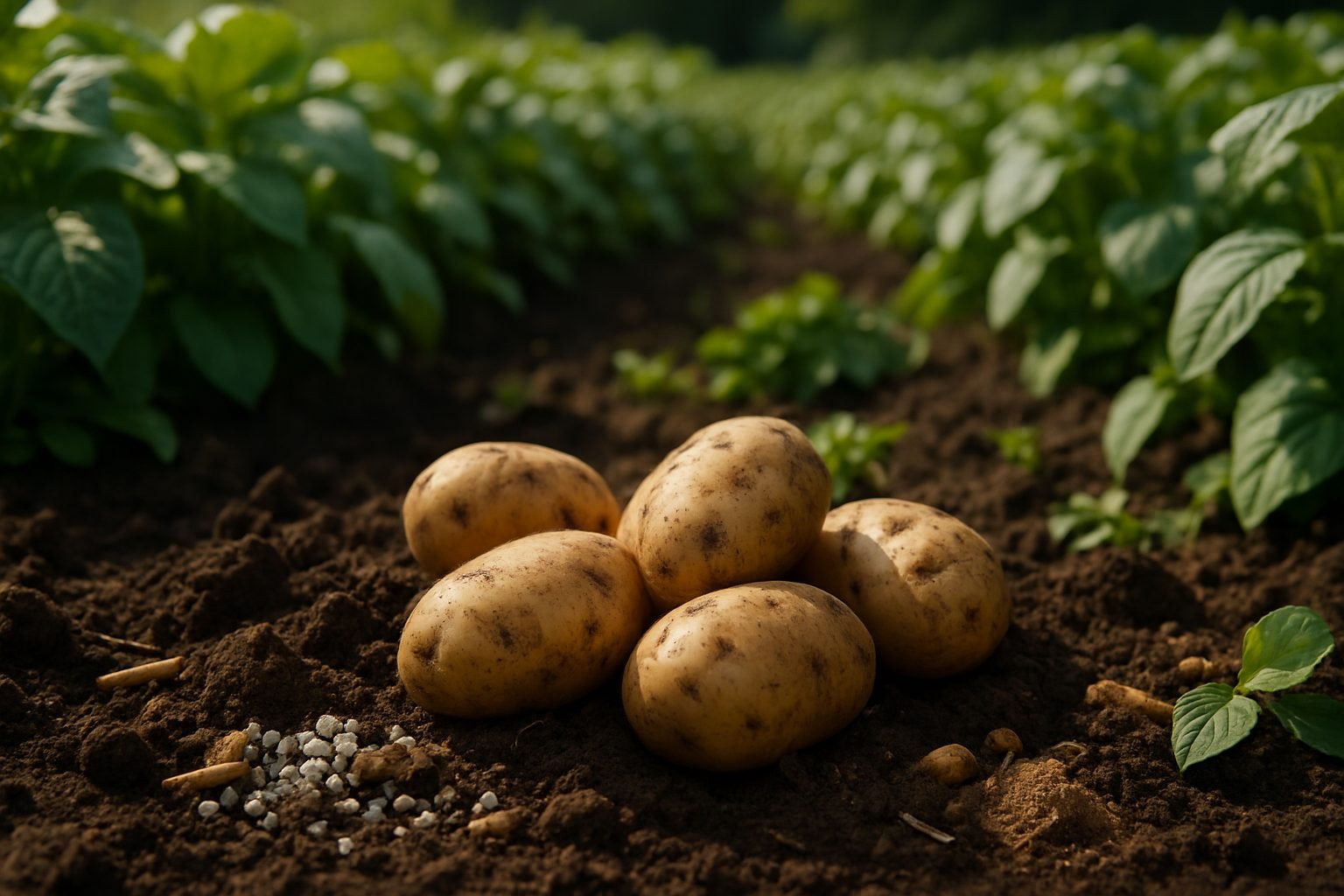
Understanding Potato Nutrient Needs
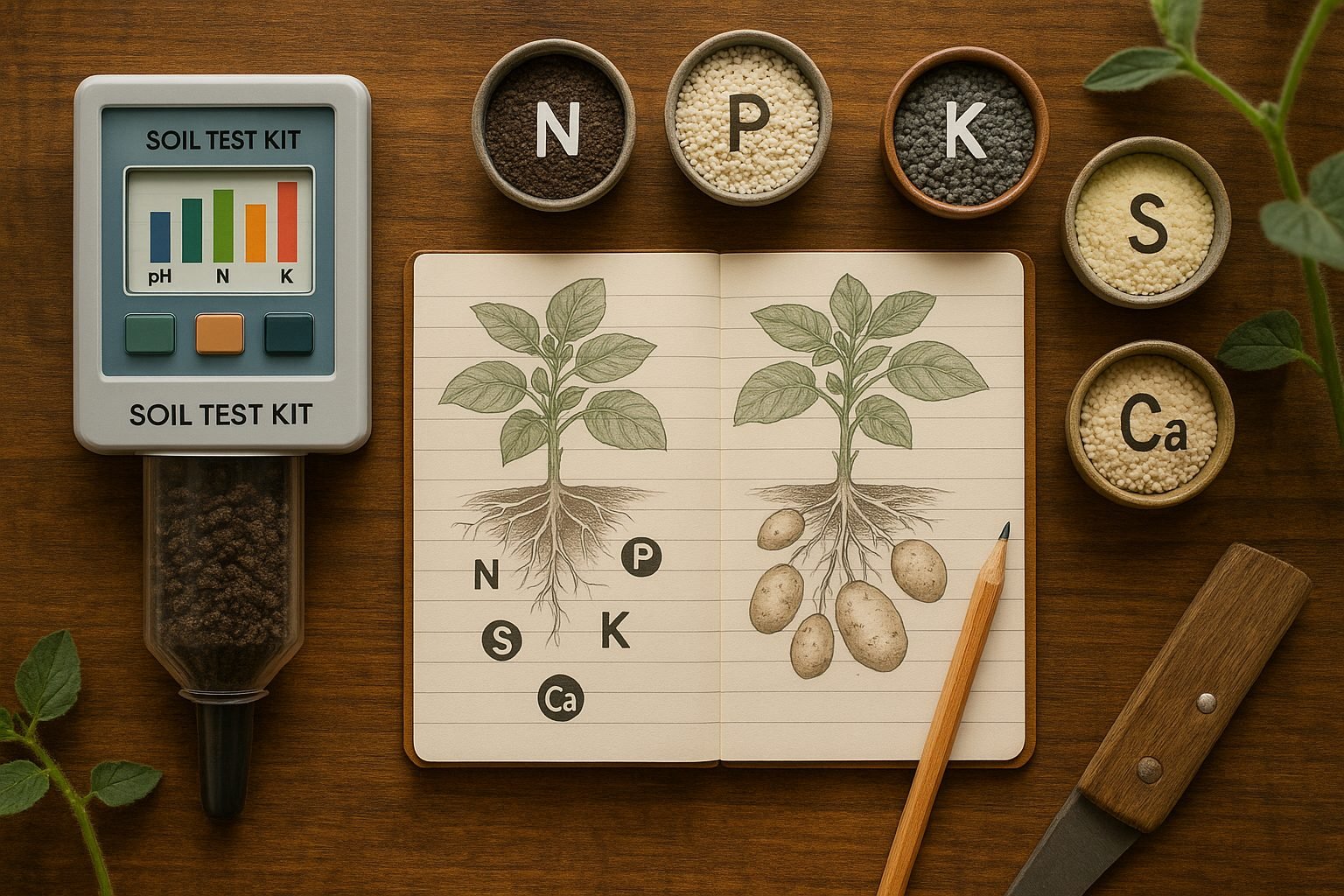
When it comes to cultivating healthy, high-yielding spuds, choosing the right fertilizer for potatoes can make all the difference. Unlike leafy greens or fruits, potatoes have unique nutritional requirements due to the way their underground tubers develop. Their need for the right balance of nutrients is crucial—potatoes require a specialized nutrient mix, not just a generic all-purpose fertilizer, to reach their full potential. Let’s break down why.
Potatoes thrive on nitrogen, phosphorus, potassium, sulfur, and calcium, with each element playing a unique role in the plant’s life cycle. Nitrogen is the engine for lush green growth and helps build the robust foliage necessary for photosynthesis. However, too much nitrogen can result in lots of leaves but few tubers. Phosphorus supports strong root formation and kickstarts tuber initiation, making it vital in the early growth stages. Potassium is perhaps the unsung hero for potato growers: it’s essential for tuber bulking, helps the plant manage water efficiently, and boosts resistance to diseases—ensuring potatoes grow large and have excellent storage quality. Sulfur aids in the production of vital amino acids and proteins, while calcium strengthens cell walls, helping prevent disorders like internal rust spot and hollow heart.
Many gardeners run into common nutrient deficiencies without realizing their impact. For instance, yellowing lower leaves often point to a nitrogen shortfall, which can lead to stunted growth. A phosphorus deficiency typically shows up as purplish tints on older leaves and poor root development, resulting in fewer, smaller tubers. Potassium deficiency can cause leaf scorching and weak plants, producing small, poorly shaped potatoes and lower yields. Sulfur-deficient potatoes may have overall pale leaves and reduced tuber quality, while calcium shortages can cause tuber shrinkage or spotty, cracked skins.
The good news is that with a little observation and the right fertilizer for potatoes, you can correct these issues early. Always test your soil before planting and choose a fertilizer based on your potatoes’ specific nutritional needs—your harvest will thank you!
Types of Fertilizers for Potatoes
When it comes to growing healthy, high-yield potatoes, choosing the right fertilizer is essential. Typically, your options fall into three categories: synthetic, organic, and specialty blends.
Synthetic, or chemical, fertilizers are widely used and offer precise nutrient ratios, such as the popular 10-10-20 or 15-15-15 NPK (nitrogen, phosphorus, potassium) blends designed specifically for root vegetables. Products like Miracle-Gro Water Soluble Plant Food or Osmocote Vegetable & Flower deliver nutrients quickly, helping potatoes develop strong foliage and tubers while ensuring consistent results with minimal fuss. However, overuse of synthetic fertilizers can lead to salt buildup in the soil and may impact long-term soil health.
Organic fertilizers, derived from natural sources like composted manure, bone meal, or seaweed, provide a gentler, slow-release feed that improves soil structure and boosts beneficial microbial activity over time. Popular commercial organics such as Espoma Garden-Tone or Dr. Earth Organic Potato Fertilizer are favorites among gardeners aiming for sustainable, chemical-free harvests. These products enrich the soil but typically release nutrients more slowly, which may require more careful timing and patience.
Specialty blends, designed specifically for potatoes, often combine organic and synthetic ingredients to target the crop’s unique nutritional needs. For example, products like Jobe’s Organics Potato Granular Fertilizer or specialized slow-release formulations balance fast growth with robust tuber development.
When choosing between organic and chemical fertilizers, consider your growing style and goals:
- Organic options promote long-term soil fertility and are safer for the environment but take longer to show results.
- Synthetic fertilizers are convenient and produce quick growth but may come at a cost to soil health and sustainability.
For the best of both worlds, many home growers use a blend of the two—starting with organic amendments to build up the soil and adding a balanced synthetic feed during the crucial early growth stages. This approach ensures healthy plants and a plentiful potato harvest.
Creating a Fertilization Plan for High Yields
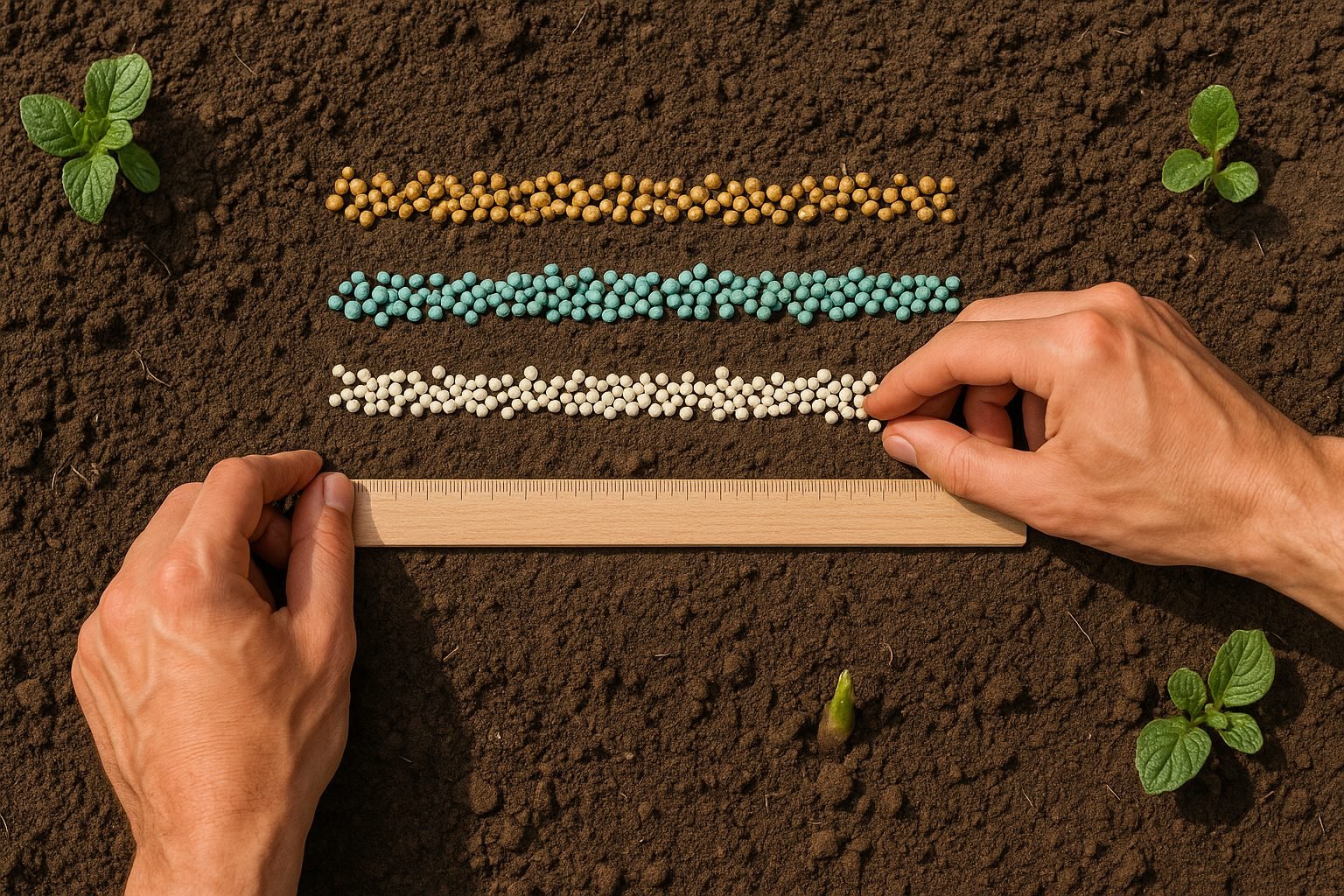
When creating a fertilization plan to achieve high potato yields—say, 50 metric tons per hectare—it’s crucial to match nutrient supply with crop demand at each stage of growth. Start by determining the total nutrient requirements for your yield goal; for example, a target of 50 mt/ha typically needs about 200-250 kg/ha of nitrogen (N), 100-120 kg/ha of phosphorus (P₂O₅), and 250-300 kg/ha of potassium (K₂O).
To avoid under- or over-fertilizing, conduct a thorough soil test before planting. This helps identify existing nutrient levels and tailor your fertilization program, saving money and preventing environmental harm.
At planting, apply about 50% of the total nitrogen, all the recommended phosphorus, and 60% of the potassium—this supports strong root and early shoot development. During early vegetative growth, sidedress with another 25% of the nitrogen and 20% more potassium to fuel rapid top growth. As tuber bulking starts, apply the remaining nitrogen and potassium as a final topdress to maximize tuber size and quality.
For example, if your soil test shows moderate N and low K, your schedule might look like this:
- At planting: 100 kg N, 120 kg P₂O₅, 180 kg K₂O
- Early vegetative: 50 kg N, 40 kg K₂O
- Tuber bulking: 50 kg N, 40 kg K₂O
Always adjust these rates based on your soil test results and observe crop response—leaf color, vigor, and timely flowering offer practical clues if adjustments are needed.
Remember, split applications help prevent nutrient losses and ensure availability when the crop needs them most. By pairing precise soil data with growth stage needs, you can fine-tune your fertilizer inputs for higher yields and better returns.
Application Methods and Best Practices
Choosing the right fertilizer application method can make a big difference in how well your plants use nutrients and how much fertilizer is needed. Broadcasting is a common approach where granules are spread evenly across the soil surface, ideal for covering large areas like lawns or before planting a new bed. Banding places fertilizer in narrow strips close to the seeds or plant roots, making nutrients more accessible as plants start to grow – this is great for row crops and vegetables. Side-dressing involves adding fertilizer alongside growing plants during the season, helping supply nutrients right when rapid growth begins; for example, adding nitrogen beside corn plants midway through their development can boost yields. Fertigation, which combines fertilizer with irrigation water, allows for targeted, controlled feeding and works well in gardens with drip systems or greenhouses, helping to avoid both overuse and runoff.
Timing is just as critical as the method. Applying fertilizer too early can lead to nutrient losses through leaching or runoff, especially in heavy rains, while applying too late may mean plants miss out during their peak growth phases. For most crops, the best timing is just before or at planting, with additional applications as plants reach key growth stages like flowering or fruiting. Checking weather forecasts helps you avoid fertilizing before heavy rain, reducing the risk of washaway.
Safety and sustainability should also guide your practices. Always wear gloves and avoid inhaling dust or fumes when handling fertilizers. To protect waterways and wildlife, don’t over-apply; follow label rates and test your soil to know what’s actually needed. Buffer zones near streams and responsible storage of fertilizers indoors help minimize environmental impact. Choosing organic or slow-release fertilizers can further reduce leaching, prevent nutrient surges, and promote long-term soil health, making your fertilization efforts both effective and environmentally friendly.
Improving Potato Yield Quality with Nutrient Management
Balanced nutrient management is key to growing high-quality potatoes that not only yield more but also produce larger tubers, have a longer storage life, and offer better resistance to disease. Providing the right mix of nitrogen, phosphorus, potassium, and micronutrients helps potatoes develop uniform size and consistent quality, which are essential for market appeal.
For example, farmers who monitor soil tests and customize fertilizer applications notice a significant reduction in small or misshapen tubers. Balanced fertilization also strengthens cell walls, making potatoes less prone to bruising during harvest and more resilient against pests and diseases like late blight.
To maintain long-term soil health, rotating potatoes with legumes or cereals helps break pest and disease cycles while naturally replenishing nutrients. Incorporating organic matter such as well-rotted manure or compost improves soil structure and enhances water retention, reducing the risk of stress during dry spells and providing a steady supply of nutrients as organic material breaks down. This organic approach supports the beneficial microbes essential for potato growth.
On the innovation front, controlled-release and slow-release fertilizers are game changers: they gradually supply nutrients over an extended period, matching the potato plant’s uptake patterns and minimizing nutrient losses due to leaching. For instance, using polymer-coated granules can reduce fertilizer application rates and costs, while also lowering environmental impact.
By combining traditional practices like crop rotation and organic matter incorporation with cutting-edge fertilizer technology, potato growers can strike the perfect balance—delivering healthy, high-yielding crops and richer, more fertile soils year after year.
Frequently Asked Questions on Potato Fertilizers
When it comes to fertilizing potatoes, gardeners often wonder if products like tomato feed—high in potassium—are suitable. You can use tomato feed for potatoes in a pinch, especially as tubers start forming, but make sure it’s balanced. Potatoes also need nitrogen early on for leafy growth and phosphorus for strong roots.
Another lesser-known essential nutrient is sulfur, which is often overlooked but crucial for healthy tubers, improved flavor, and resistance to disease. If your potato leaves turn pale yellow or show stunted growth, it could signal a sulfur deficiency. This can be corrected with fertilizers labeled as “potato food” or with additions like gypsum.
Organic vs. Synthetic Fertilizers
There’s a common myth that organic fertilizers are always better. In reality, both organic and synthetic fertilizers can grow healthy potatoes. Organic fertilizers, such as compost or manure, improve soil texture and microbial life over time, while synthetic fertilizers deliver nutrients quickly and precisely. Choose what fits your gardening goals and local soil conditions.
Recognizing Nutrient Deficiencies
Watch your potato plants closely for signs of nutrient problems:
- Yellowing lower leaves may indicate a nitrogen deficiency.
- Purple coloration can hint at a phosphorus deficiency.
- Scorched leaf edges may suggest potassium issues.
Address these issues by adjusting your feeding schedule, using a complete fertilizer with balanced N-P-K, or adding specific amendments as needed.
Important Tips
Remember, over-fertilizing—especially with nitrogen—can result in lots of leafy growth but fewer potatoes. Always follow product instructions and monitor your plants’ response for the best results.
Resources and Further Reading
For reliable guidance on potato fertilization, start by consulting your local agricultural extension services; they often provide region-specific advice and connect farmers with experienced agronomists. Reputable sources like university agriculture departments (e.g., Penn State Extension or Cornell University Cooperative Extension) offer easy-to-understand fact sheets and research updates on potato nutrition.
Authoritative textbooks, such as The Potato Crop: Its Agricultural, Nutritional and Social Contribution to Humankind, provide in-depth understanding for those seeking more detail. Quality potato fertilizers can be sourced from local farm supply stores or trusted brands like Yara or Mosaic, which often list nutrient specifications and application guidelines on their websites.
For personalized support, many co-ops and agri-retailers offer expert consultations, either in person or online. Embracing technology can also make your job easier—digital tools like the “Crop Nutrient Advisor” app or “Yara CheckIT” can help you identify nutrient deficiencies and tailor fertilizer programs. Online platforms such as AgriWebb or FarmLogs allow you to track potato crop health, schedule applications, and record field data conveniently from your phone.
Stay tuned to reputable ag forums and farmer networks like PotatoPro for community advice and product recommendations.