Introduction
Deformed onions are a frustrating sight for gardeners and farmers, and issues like Twister Disease only make cultivating healthy crops more challenging. Understanding why onions become misshapen is essential for anyone aiming for a bountiful, market-worthy harvest. Deformations can result from pests, diseases, environmental stress, or improper care. Recognizing and addressing these problems early is key. In this article, we’ll explore the main causes and symptoms of misshapen onions, delve into the specifics of Twister Disease, and provide practical prevention and treatment tips to help you grow the best onions possible.
Recognizing Onion Deformation and Twister Disease
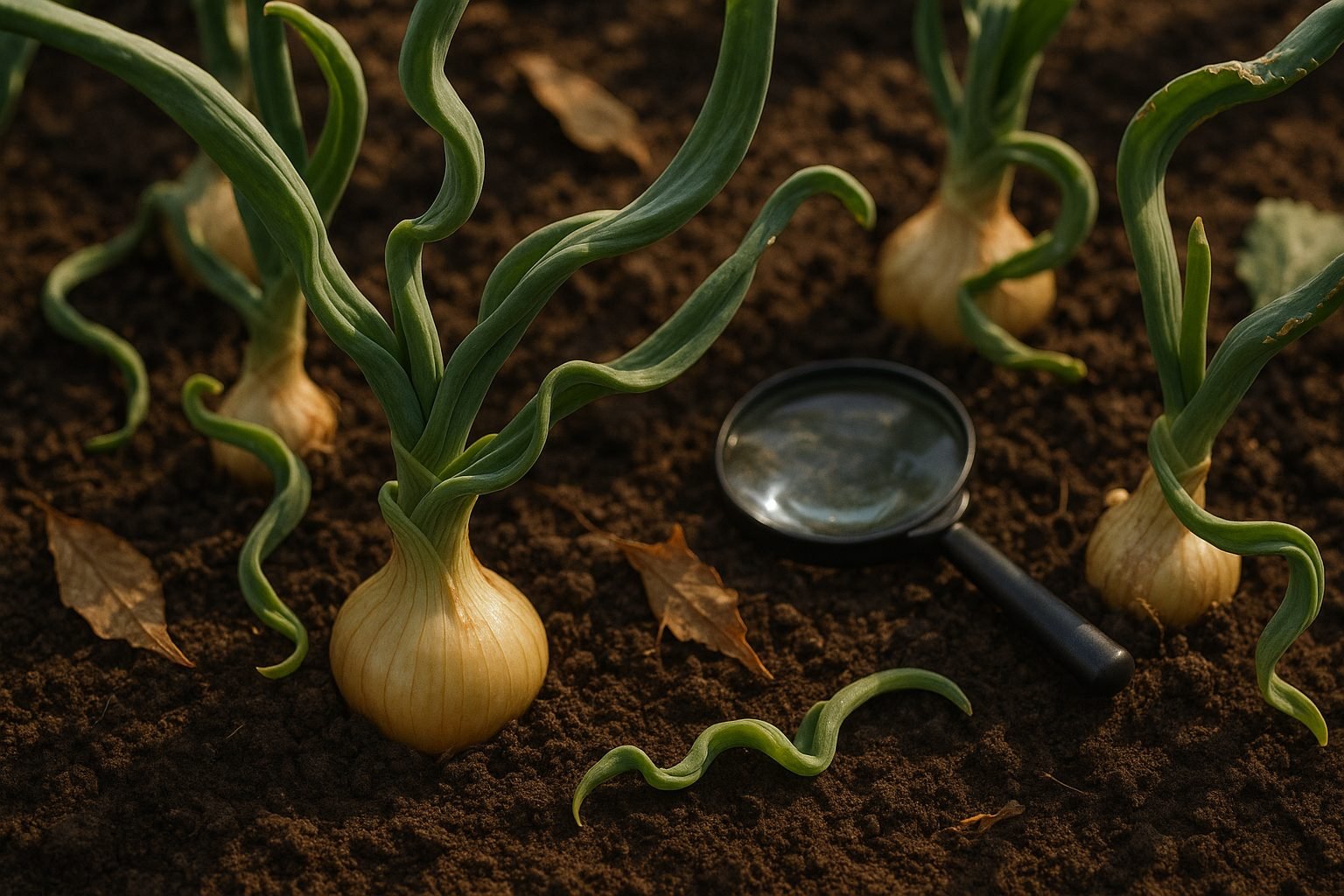
Recognizing onion deformation early can save your crop from bigger losses down the line. Physical signs to watch for include onions growing into unusual, irregular shapes instead of smooth, round bulbs. You might notice twisted or curling leaves, and plants may look smaller or stunted compared to healthy ones.
Onion Twister Disease, caused by a fungal pathogen, is a specific problem that stands out because it makes leaves twist in a spiral fashion—hence the name. The leaves may appear bunched, elongated, and can sometimes split or break, making the plant look almost windswept.
Unlike common issues such as nutrient deficiencies, which often cause more general yellowing or browning of leaf tips, or pests that leave visible holes or chew marks, Twister Disease causes distortion without much discoloration at first. For example, if only the shape of the leaves and bulbs looks abnormal and they are twisting but not showing widespread yellow patches or mushy rot, there’s a good chance Twister Disease is the culprit.
Quickly removing and destroying affected plants and avoiding overhead watering can help reduce the spread. Always compare symptoms closely, as accurate identification leads to better control and healthier onion crops.
Common Causes of Onion Deformation
Onion deformation can result from a mix of environmental, biological, and nutritional factors, each playing a significant role in the bulb’s final shape and quality. One of the top culprits is environmental stress: both drought and waterlogging can disrupt onion growth, leading to misshapen or split bulbs. Inconsistent watering often causes irregular cell expansion, producing uneven or double bulbs.
Pests like onion maggots, thrips, and nematodes can damage developing onions, resulting in stunted or twisted growth. Nutrient imbalances, especially zinc deficiency, are another common trigger—zinc is essential for healthy cell division and elongation in onions, and its lack can cause smaller, distorted bulbs with pale or streaked leaves.
Additionally, poor cultural practices—such as planting too closely, not rotating crops, or failing to weed properly—can stress plants and make them more vulnerable to both diseases and deformities. Fungal infections like Fusarium or bacterial soft rot may also warp or spoil bulbs, particularly in fields with a history of disease.
To reduce deformation, aim for even watering, balanced fertilization, good pest management, and proper crop rotation—practical strategies growers use to ensure healthy, uniform onions.
Understanding Onion Twister Disease
Onion Twister Disease is a damaging condition that primarily affects onions, causing their leaves to twist, curl, and lose vigor. This stunts bulb growth and reduces yield. Scientifically, this disease is commonly linked to viral pathogens such as Onion Yellow Dwarf Virus (OYDV) and Iris Yellow Spot Virus (IYSV), but it can also arise from fungal infections like Fusarium oxysporum.
These pathogens disrupt the plant’s normal physiological processes, leading to the characteristic leaf twisting and yellowing. Onions become infected mainly through vectors like thrips—tiny, sap-sucking insects that feed on the leaves and transmit viruses from plant to plant.
Disease spread is especially rapid in dense plantings or fields that are not rotated, as infected plant debris and surrounding weeds can harbor both the pathogens and their insect vectors.
To protect your garden or farm, keep an eye out for early symptoms, practice crop rotation, remove infected plant materials, and control thrip populations to minimize the risk of Onion Twister Disease taking hold.
Key Symptoms to Watch For
When spotting Twister Disease in your plants, keep an eye out for a few key symptoms that can signal trouble early on. The most common signs include leaves that appear twisted, curled, or start turning yellow—often first at the tips, then progressing inward.
You might also notice that the bulbs aren’t developing as they should, staying smaller than normal or appearing misshapen, and overall plant growth will seem noticeably slower.
Along with these main symptoms, secondary signs can help confirm your suspicions:
- Unusual discoloration on leaves or bulbs
- Soft, mushy spots indicating affected underlying tissues
It’s important to distinguish Twister Disease from pest damage or other diseases. While pests typically cause holes, chew marks, or sticky residue, Twister Disease causes uniform twisting and curling, without physical bite marks.
Similarly, unlike fungal diseases that may create fuzzy patches or widespread rot, Twister Disease’s hallmark is the combination of leaf deformations and poor bulb health. This makes visual inspection a valuable first step in diagnosis.
Treatment & Prevention Methods

To effectively treat and prevent common onion diseases, start by choosing disease-resistant onion varieties suited to your local conditions; your local agricultural extension office can usually recommend good options.
Crop rotation is essential—avoid planting onions or related crops in the same spot more than once every three years to disrupt pest and disease cycles.
Healthy soil is your best friend: test your soil before planting and supplement with balanced fertilizers as needed, paying close attention to zinc levels. Zinc deficiency can weaken onions and make them more susceptible to stress, so apply zinc sulfate if tests indicate a deficiency.
For pest management, regularly scout your crop and promptly remove any infected plants to reduce the spread of disease. Thrips are a common pest for onions, so use sticky traps or natural predators to keep their populations in check, and consider insecticidal soaps for heavy infestations.
Fungicides may be necessary in wet, humid conditions, but always follow local guidance to avoid resistance.
Lastly, onions require steady but moderate moisture—water deeply but infrequently, and avoid wetting the foliage or creating standing water, which can encourage rot. Drip irrigation is ideal for providing consistent moisture without splashing soil onto the bulbs.
With these practical steps, you can keep your onion crop healthier and more productive throughout the growing season.
Conclusion
Recognizing and addressing onion deformation and Twister Disease starts with careful observation of unusual growth patterns or symptoms in your crop. Understanding the common causes—such as fungal infections, nutrient deficiencies, or environmental stress—is essential for prevention. Regular crop rotation, proper soil management, and prompt removal of affected plants can greatly reduce the risks.
Treating early with recommended fungicides or adjusting watering and fertilization practices can help restore plant health. Stay vigilant by routinely checking your onions and acting quickly if you spot any issues. If you have questions or experiences to share about onion diseases, we’d love to hear from you in the comments below!