Introduction
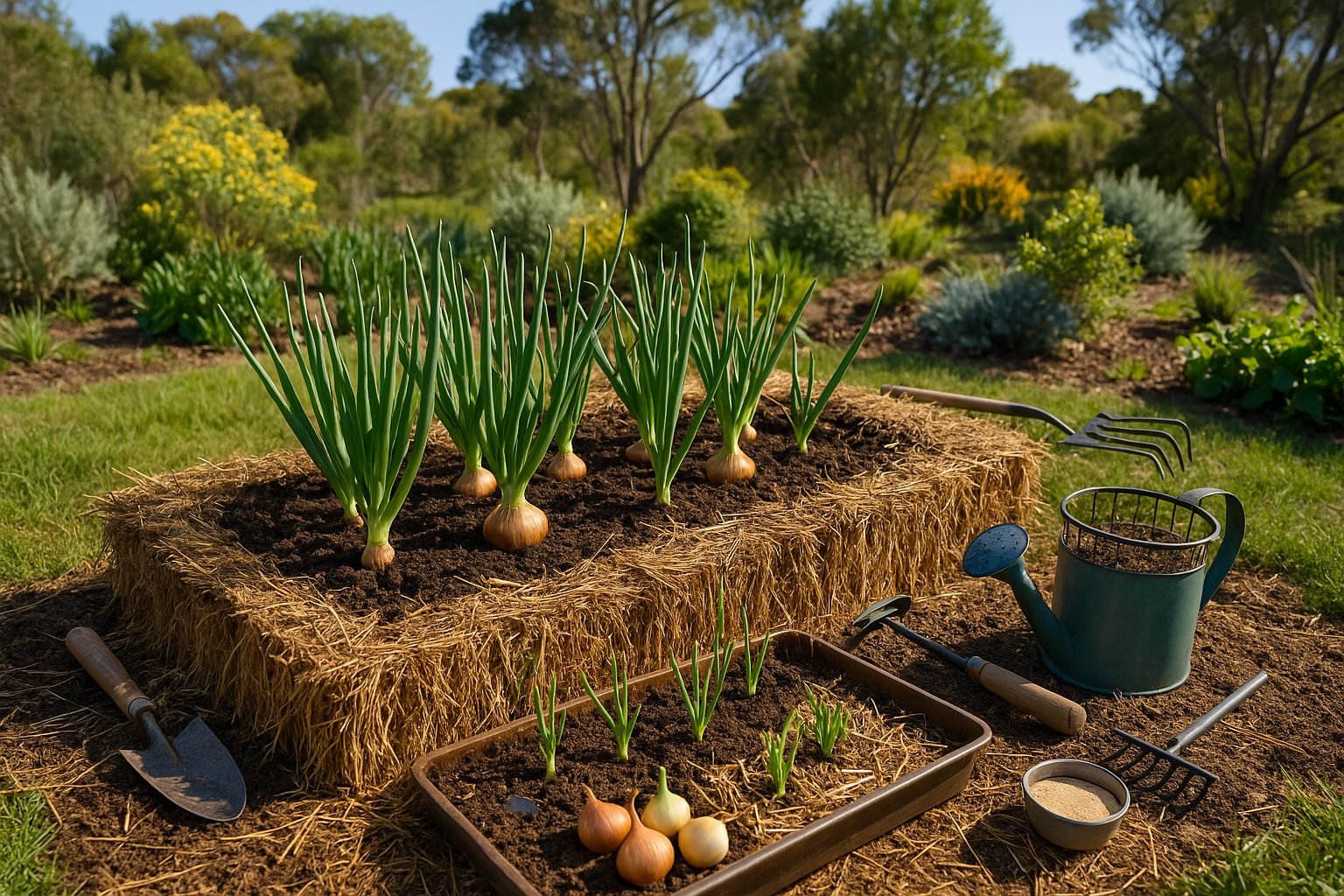
Straw bale onions are gaining popularity as more gardeners explore straw bale gardening—a creative alternative to traditional in-ground planting or raised beds. This method is not only a great space-saver but also a wonderful option for those with poor soil or back issues. Onions, known for their versatility and ease of growth, are a favorite crop for both beginners and experienced gardeners. But the big question is: can you really grow healthy, robust onions in something as simple as a straw bale?
In this article, we’ll explore what makes straw bale gardening unique, why onions are especially suited (or sometimes challenged) by this technique, and provide step-by-step tips for planting, caring for, and harvesting onions directly from a straw bale. Whether your backyard soil is rocky or you’re just looking for a cleaner, more accessible way to garden, you’ll find practical advice and real-life examples to help you decide if straw bale onions are right for your next growing season.
How Straw Bale Gardening Works
Straw bale gardening is a clever technique where straw bales replace traditional soil beds or raised planters as the growing medium. Instead of planting in the ground or raised beds, this method uses regular straw bales that, once properly prepared, serve as both a container and a nutrient source. The process begins by conditioning the bales over 10-14 days. During this period, gardeners water the bales daily and add a nitrogen-rich fertilizer—such as blood meal or commercial lawn fertilizer—to kickstart internal decomposition. This breakdown causes the bale’s interior to become warm and soft, creating a nutrient-rich, compost-like core perfect for root growth.
After the bales cool down, they’re ready for planting. One big plus is the excellent drainage, making it nearly impossible to overwater your straw bale onions or other crops. The elevated setup also reduces bending and kneeling, which is great for anyone with mobility challenges. Plus, straw bale gardens usually have fewer weeds since there’s no native soil letting weed seeds take hold.
Of course, there’s a bit of a learning curve. Beginners might find the upfront cost of straw bales and fertilizers a hurdle, and conditioning the bales requires daily attention for a couple of weeks. Also, because bales dry out faster than soil—especially in hot weather—you’ll need to water more frequently. But with some patience and preparation, straw bale gardening offers a productive, comfortable way to grow onions and other veggies.
Advantages of Growing Straw Bale Onions
Growing onions in straw bales offers a range of benefits, making it an appealing method for both new and experienced gardeners. Onions have relatively shallow root systems, so they don’t need deep, rich soil and thrive in the loose, well-aerated structure of decomposing straw. This allows their roots to spread easily and access nutrients as the bales break down, creating optimal growing conditions without the need to amend heavy or poor garden soil.
One standout benefit is the cleanliness of the harvested bulbs. Because onions grow above the straw rather than directly in the dirt, you’ll often find them almost spotless at harvest time, with far less mud clinging to the skins. This not only saves time on post-harvest cleaning but also helps reduce the risk of rot or soil-borne diseases.
Harvesting onions from straw bales is easier, too, since the straw is soft and loose compared to compacted garden beds—you simply pull aside the straw and lift the bulbs out. Another key advantage is improved pest and weed management; the raised and isolated environment of a straw bale minimizes many common pests, and weeds are far less likely to take hold, meaning less maintenance overall.
Some gardeners, including those active in straw bale gardening forums, report stronger, healthier onion plants and even higher yields thanks to the steady moisture retention and natural nutrients released as the bales decompose. Whether you’re short on garden space or just want to try a cleaner, more manageable way to grow onions, straw bales offer a surprisingly productive solution.
Key Steps to Planting Onions in Straw Bales
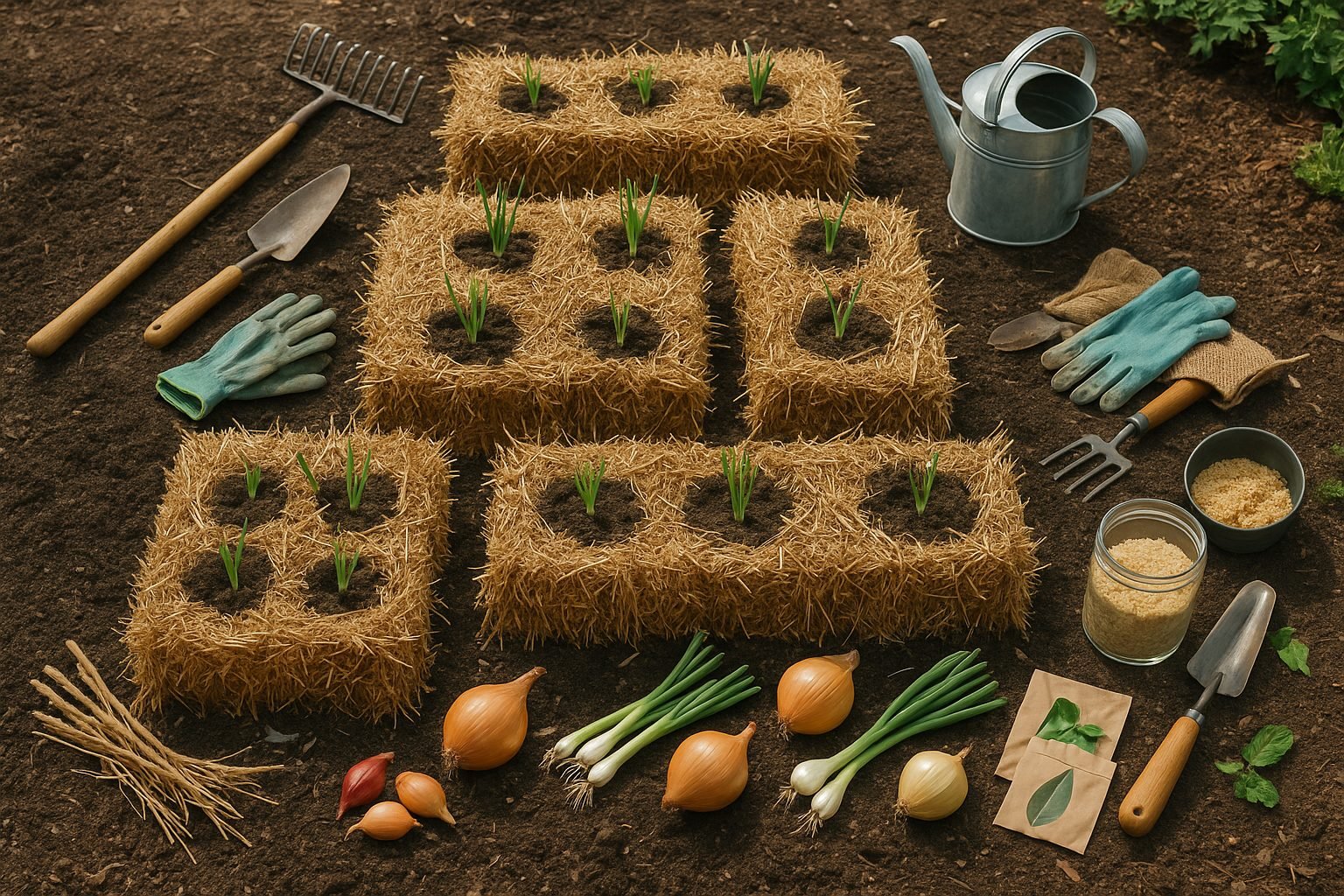
Successfully growing straw bale onions begins with proper bale conditioning—a crucial step to transform straw into a suitable growing medium. Start by choosing weed-free, tightly bound straw bales (avoid hay, as it may contain grass seeds). Position the bales with the cut side facing up to create a stable planting surface. For the first three days, soak each bale thoroughly with water daily to initiate decomposition.
From day four to ten, add a nitrogen-rich fertilizer, such as blood meal or a water-soluble lawn fertilizer, to stimulate microbial activity. Sprinkle about half a cup over the bale’s top each day and water it in well. By the second week, the bales will heat up—a sign that internal composting is underway. After 10 to 14 days, allow the bales to cool and settle. Check the temperature inside with your hand or a soil thermometer; when it feels warm but not hot (around 75°F/24°C), the bales are ready for planting.
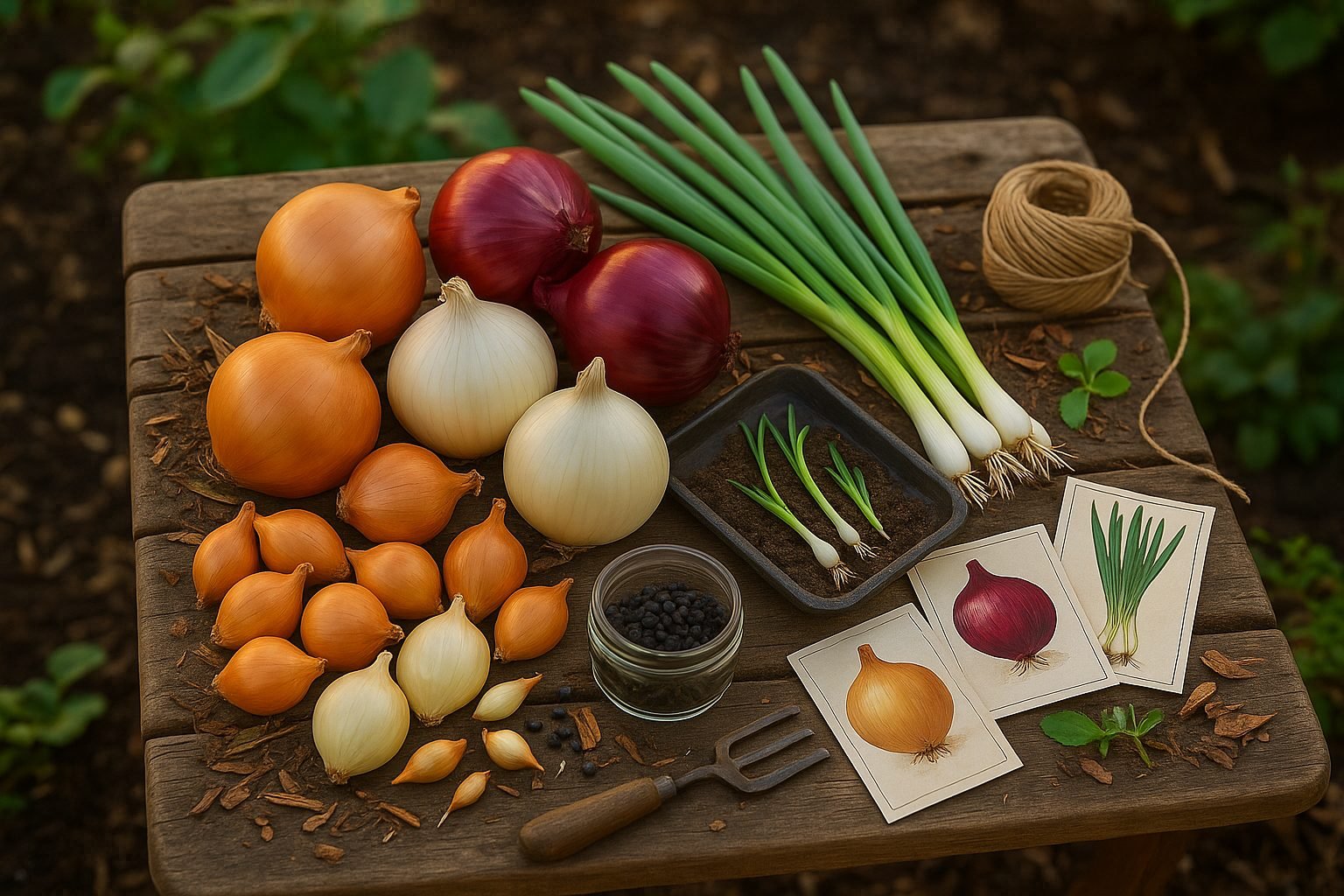
When planting, choosing the right onion variety is essential. Sets (small, immature onions) are the easiest option—they establish quickly and are less prone to rot than seeds. Seedlings or transplants from nurseries or started indoors also adapt well to straw bales due to their developed root systems. Seeds can be used but require patience and careful moisture management. Pick short-day or long-day varieties depending on your climate, with yellow or red onion sets being reliable choices for most regions.
To plant, use your hands or a trowel to make holes 4–6 inches apart and at least 2 inches deep to anchor roots and bulbs. Gently tuck onion sets pointed side up, or plant seedlings so their bases are just inside the bale’s top layer—don’t plant too deep, as onions form bulbs above the root line. If starting from seeds, sow them in shallow furrows and cover lightly with straw or potting mix.
After planting, water thoroughly to encourage establishment; the straw should feel evenly moist but not soggy. Consistent moisture supports root growth and nutrient uptake. Throughout the season, monitor bale moisture and feed with a balanced liquid fertilizer every few weeks to supplement nutrients from decomposition. By properly preparing your straw bales and planning your onion plantings, you’ll create a productive, low-maintenance onion patch perfect for backyard gardens.
Care and Maintenance Tips for Straw Bale Onions
Watering is one of the most crucial aspects of growing straw bale onions, as straw bales dry out much faster than traditional soil beds. Since onions need consistent moisture to develop healthy, full bulbs, it’s important to check your bales daily, especially during warm or windy weather. A simple method is to stick your finger a couple of inches into the side of the bale—if it feels dry, it’s time to water.
Using drip irrigation or a soaker hose placed directly on top of the bales can provide steady, deep watering without washing away nutrients. Manual watering works well too—just aim for the base of your onion plants to help prevent disease.
Regarding nutrients, straw bale onions require extra fertilization because straw isn’t naturally rich in minerals. Begin with a balanced, organic fertilizer high in nitrogen at planting—blood meal, fish emulsion, or composted manure work well to promote early leafy growth. As the onions start to bulb, switch to a fertilizer lower in nitrogen but higher in phosphorus and potassium to support larger, firmer onions.
Reapply compost tea or a soluble organic fertilizer every few weeks since rain and frequent watering can quickly leach nutrients from the bales.
To minimize pests and diseases, encourage good airflow by avoiding overcrowding and promptly remove any yellow or rotting leaves. Applying neem oil or insecticidal soap can help control aphids and thrips. Finally, practice crop rotation each season and never reuse the same bales for alliums to prevent the buildup of soil-borne diseases common to onions.
Common Challenges and How to Overcome Them
Growing straw bale onions comes with its own set of challenges, but with the right approach, you can achieve great results. One common issue is the rapid breakdown of the bales, which can cause instability and compaction around your onions. To prevent this, choose tightly packed, high-quality straw bales and avoid overwatering—bales should be moist but never soggy.
Nutrient loss is another concern since onions are heavy feeders, and straw alone won’t provide all the nutrients they need. To maintain nutrient levels, condition your bales before planting by applying a nitrogen-rich fertilizer, then continue supplementing every few weeks with organic liquid feed or compost tea.
Weed seed contamination can also be a surprise, especially if the bales aren’t carefully sourced. Always inspect bales for visible seed heads before purchase, and mulch the surface with a layer of clean straw or grass clippings to discourage weeds from emerging. If a few persistent weeds do appear, pull them promptly before they take hold.
Experienced straw bale gardeners agree: monitoring moisture, feeding regularly, and sourcing bales from reputable suppliers are key to growing healthy, productive straw bale onions.
Harvesting Onions and Maximizing Your Yield
Knowing when and how to harvest your straw bale onions is essential for maximizing your yield and ensuring your crop lasts in storage. Onions are typically ready to harvest when the tops turn yellow, flop over, and start to dry out—usually in mid to late summer. At this point, carefully lift the onions out of the straw using a garden fork or your hands, being careful not to bruise the bulbs.
Gently shake off any excess straw and lay the onions in a single layer in a dry, airy place out of direct sunlight for two to three weeks. This curing process toughens their skins and prepares them for storage. Once cured, trim the tops and roots, then store the onions in mesh bags, baskets, or any well-ventilated container in a cool, dry area.
For future planting, save your healthiest, best-formed onions as sets to ensure a continuous supply for next season. Trying companion crops like garlic, shallots, or even salad greens alongside your straw bale onions can lead to surprising and rewarding results. This method is adaptable and low-maintenance, making it perfect for both beginners and experienced gardeners alike.
Conclusion
Growing straw bale onions is a simple, low-risk way to enjoy fresh, homegrown produce—even if you don’t have traditional garden space. This method helps keep weeds at bay, encourages healthy root growth, and is a fun project for both beginners and experienced gardeners. With a bit of preparation and consistent watering, you could soon be harvesting delicious onions right from your yard or patio. Give straw bale gardening a try—you might be surprised by the results! Have questions or tips to share? Join the conversation in the comments below and let us know how your straw bale onions turn out.