Introduction to Trap Cropping and Onion Thrips
Using an onion trap crop is an increasingly popular and effective strategy for managing pests in sustainable agriculture. Trap cropping, a time-tested pest management technique, involves planting specific crop varieties to attract and divert pests away from your main harvest.
In onion cultivation, this approach is especially valuable because it targets one of the most persistent and damaging pests in the field—onion thrips. These tiny insects feed on onion leaves, stunting growth, reducing bulb size, and leaving crops vulnerable to disease. Onion thrips are notoriously difficult to control due to their rapid reproduction and their ability to hide deep in the foliage, making them resistant to many standard sprays and interventions.
Farmers and gardeners alike face growing challenges in keeping onion thrips in check. Traditional chemical controls may not always be effective and can add unwanted costs and environmental concerns. That’s where the concept of a trap crop comes in—by strategically planting onions or other attractive crops, growers can lure thrips away from their main onion crop, reducing damage and supporting healthier yields.
Throughout this article, you’ll learn how onion trap cropping works, its scientific basis, and step-by-step guidance on implementing this practice in your farm or garden. We’ll also cover real-life examples, tips for choosing the best onion varieties, and additional integrated pest management tactics to help make your onion harvest more resilient and successful.
Understanding Onion Thrips: Life Cycle and Identification
Onion thrips, scientifically known as Thrips tabaci, are tiny insects that can cause significant damage to onions and other crops. Understanding their life cycle is key to effective management.
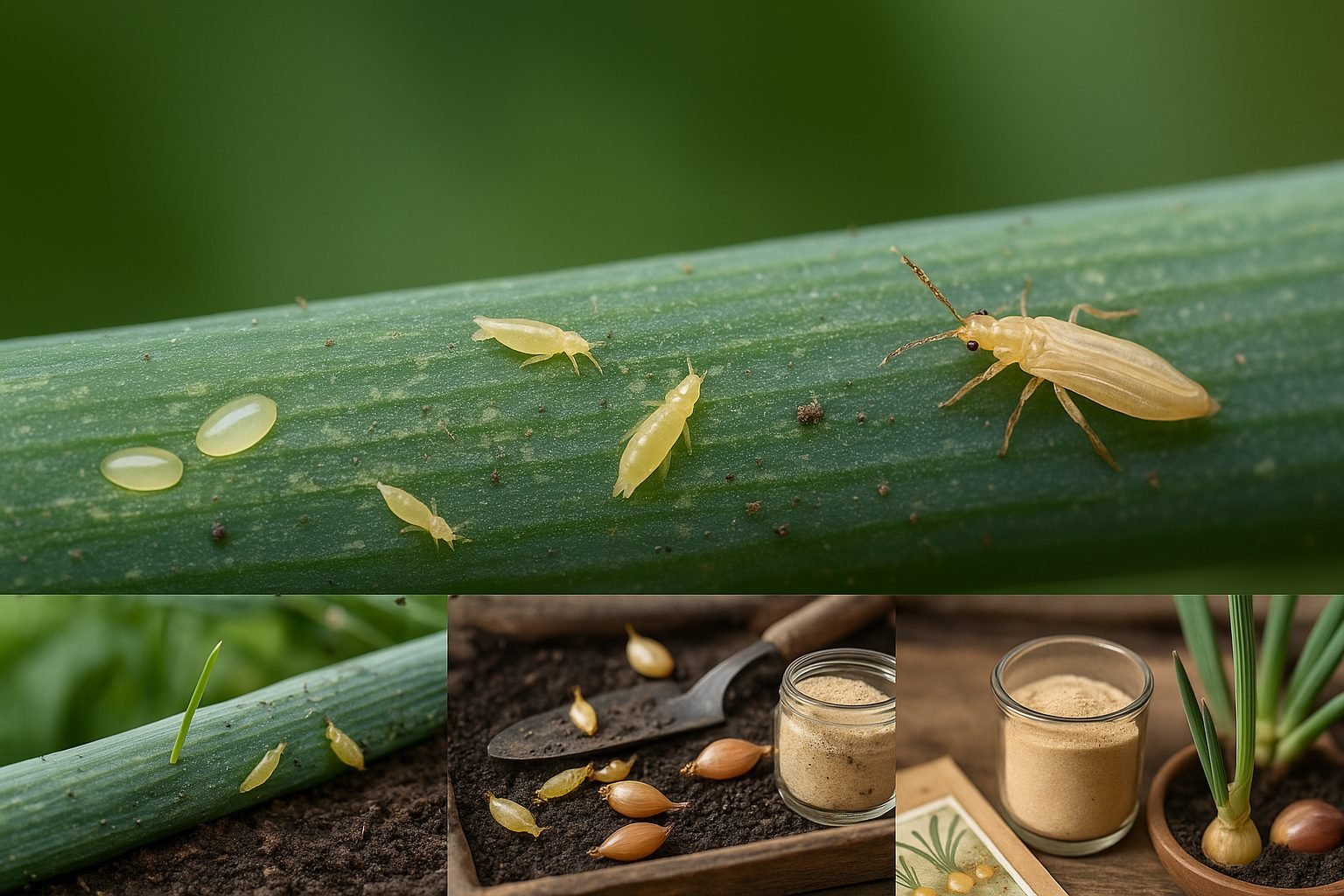
Thrips eggs are laid inside the tissue of onion leaves and are almost invisible to the naked eye, making early detection difficult. After hatching, the larvae—usually yellowish-white and less than 2 millimeters long—emerge and feed aggressively on young foliage, creating silvery or white streaks that are a tell-tale sign of their presence. The next stage is the non-feeding pupa, typically found hidden in the soil or tucked into leaf bases.
Finally, adult thrips are slender, measuring about 1 mm in length, and range from pale yellow to brown. They move quickly and can be detected by gently pulling apart onion leaves and looking for their minute, cigar-shaped bodies or by using a hand lens. Sticky blue or yellow traps placed near plants can also help monitor adult populations.
Thrips thrive in hot, dry conditions—drought-stressed onions are especially vulnerable—so regular watering and mulching can help deter infestations. Keeping surrounding weeds in check and rotating crops also reduces breeding grounds. Checking the undersides of leaves during peak warmth (midday) can help catch an outbreak early, before significant damage occurs.
By knowing what to look for during each life stage and creating less favorable conditions, gardeners and farmers can manage onion thrips more effectively.
Damage Caused by Onion Thrips
Onion thrips are more than just a minor nuisance—they can severely damage onions and related crops if left unchecked. One of the first signs of an infestation is the appearance of silvery or whitish patches on onion leaves, caused by thrips piercing the leaf cells and sucking out their contents.
Over time, these patches become more pronounced, and the leaves may appear speckled, curled, or withered. In severe cases, thrips feeding can stunt plant growth, reduce bulb size, and lead to significant declines in yield and market quality.
Early symptoms to watch for include:
- Tiny, elongated insects (often less than 2 mm long) hiding in the leaf axils or folds
- White streaks on the leaves
- Black specks of excrement
Close inspection with a magnifying glass can help spot these pests before visible damage becomes widespread. Early detection is crucial because thrips populations multiply quickly, and the damage they cause is often irreversible.
Regular crop monitoring—especially during dry, warm periods when thrips are most active—allows for timely intervention with cultural or chemical controls, potentially saving an entire onion crop from economic loss. By acting promptly at the first signs of trouble, growers can outpace the rapid reproductive cycle of thrips and minimize their impact.
How Trap Cropping Works Against Onion Thrips
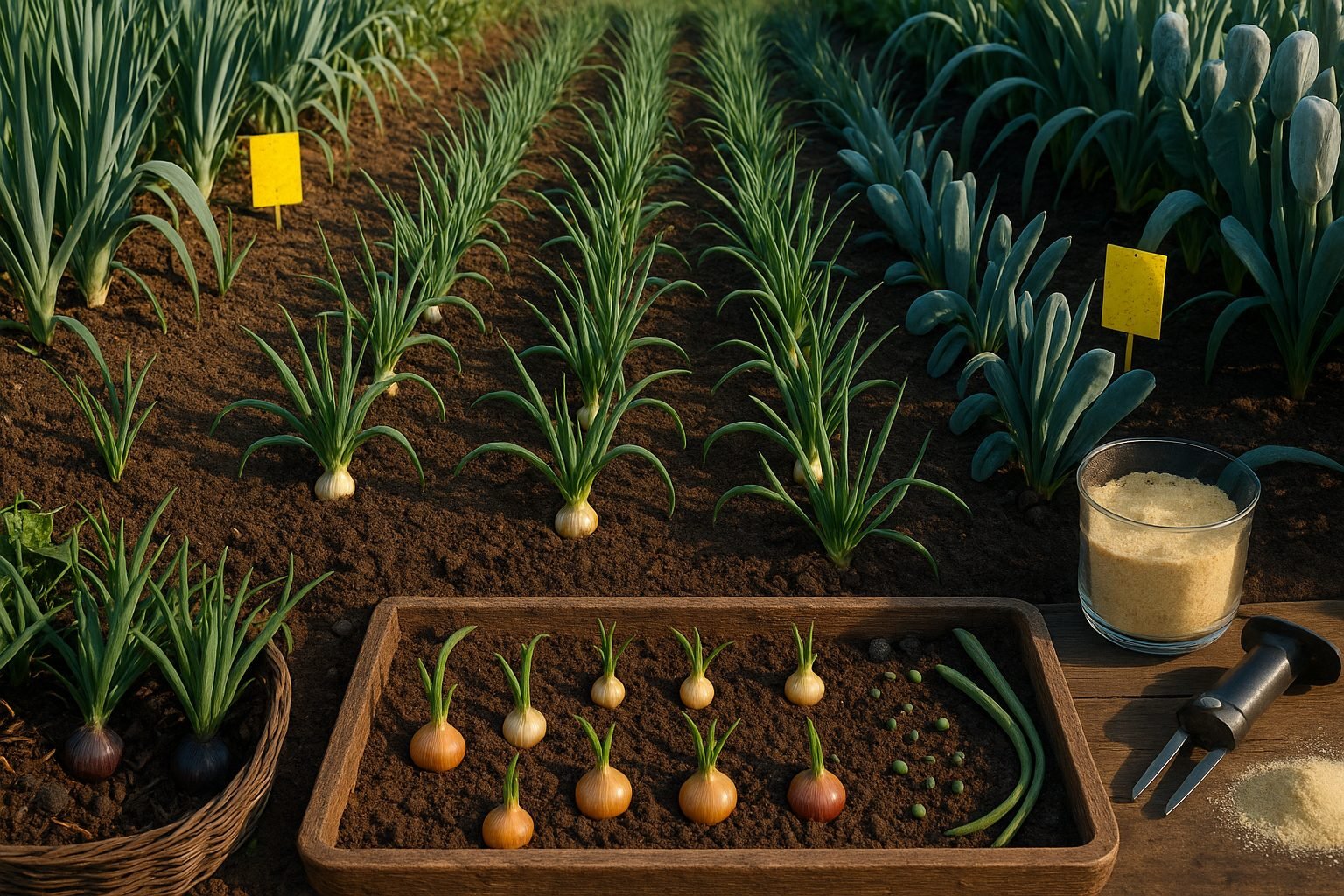
Trap cropping is a smart, eco-friendly strategy in integrated pest management that uses a decoy plant to lure harmful insects away from valuable crops. For onion thrips, farmers often plant attractive alternatives like elephant garlic, leek, or certain older onion varieties near or among their main onion crops.
These trap crops work because onion thrips are more drawn to their strong scent or softer tissue, concentrating pests in a manageable area. For instance, research from Cornell University found that interplanting leeks successfully reduced thrips damage on onions, as most of the pests gathered on the leeks instead.
Other studies in Europe have shown that when trap crops are managed well—by frequently monitoring and removing infested leaves or treating the trap crops—the main onion crops experience lower damage and require fewer chemical sprays.
Advantages of Trap Cropping
- Reduces pesticide use
- Helps preserve pollinators and beneficial insects
- Cost-effective for smaller farms
However, it isn’t a cure-all—trap crops require careful selection and timely management. In years of heavy thrips pressure, their protection may not be complete.
Unlike chemical control, which provides rapid population knockdown, trap cropping works best as part of a larger IPM toolkit involving field monitoring, resistant onion varieties, and targeted spraying only when needed.
Implementing Trap Cropping: Practical Tips for Growers
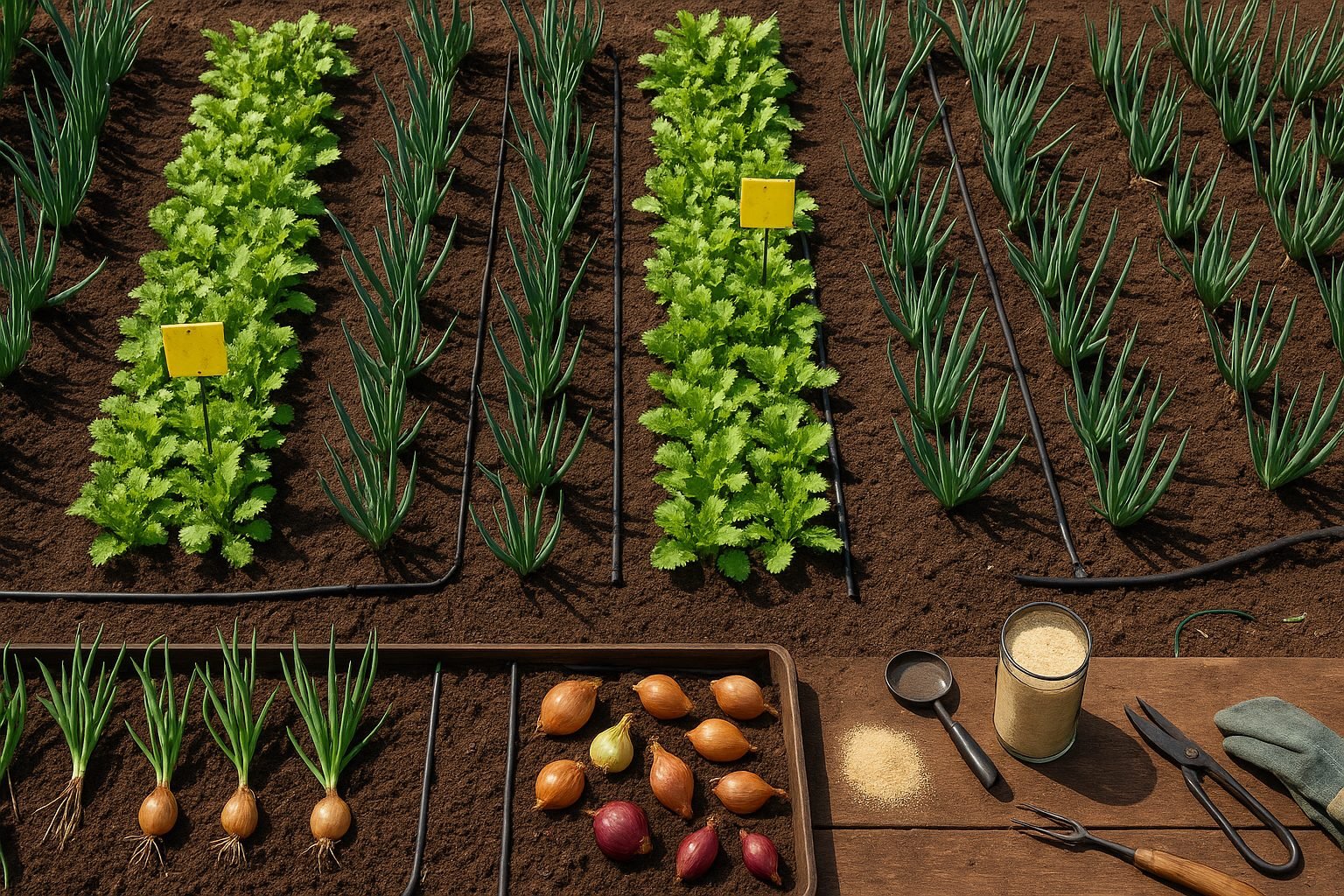
Choosing the right trap crops is the first step to effectively protecting your onion fields—select plants that are more attractive to key onion pests, such as mustard or radish, to lure thrips away from your main crop.
Plant trap crops in dense strips or borders around or within your onion plot, using them as a barrier that captures pests before they reach your onions. Timing is important: sow trap crops a week or two before onions to ensure they’re the pests’ first choice when populations begin to emerge.
Keep the trap crops healthy but be ready to sacrifice them once pest numbers peak—this might mean mowing, removing, or treating infested trap plants to knock down pest populations before they migrate.
Monitor both the trap and onion crops regularly with yellow sticky cards, visual inspections, or sweep nets to track pest movement and activity levels. If you notice higher pest concentrations in trap strips, consider spot-treating with organic or targeted insecticides, or introduce beneficial insects like predatory mites or lady beetles to boost natural pest control.
Finally, rotate trap crops and clean up crop residues between seasons to prevent pests from overwintering, and integrate cultural practices such as crop rotation and proper field hygiene for maximum results.
By thoughtfully combining these approaches, you can reduce pesticide use, protect your onion yields, and foster a healthier farm ecosystem.
Dealing with Pests on Trap Crops
When thrips or other pests start building up on trap crops, it’s important to act quickly while keeping beneficial insects in mind. Begin by regularly monitoring your trap crops—check leaves, stems, and flowers for both pests and natural predators like ladybugs or lacewings.
If pest numbers get high, remove and destroy the infested parts of the trap crop to prevent pests from spreading to your main crop. When choosing control options, prioritize solutions that are gentle on beneficial insects, such as insecticidal soaps, horticultural oils, or neem oil. These products break down quickly and usually don’t harm pollinators or predatory insects when applied in the early morning or late evening.
Avoid broad-spectrum insecticides that can wipe out helpful bugs and lead to pest resistance. If multiple treatments are needed, rotate between different safe products since pests can adapt over time.
To prevent your trap plants from becoming a pest reservoir, be proactive: never let them get overrun, and remove or replace the entire trap crop as soon as it’s heavily infested. You can also interplant additional beneficial-attracting flowers nearby to help boost natural pest control.
With careful attention and these practical steps, you’ll use trap crops effectively—drawing pests away without letting them gain the upper hand.
Conclusion & Additional Resources
Trap cropping offers a sustainable and effective way to manage onion thrips without heavy reliance on chemical pesticides. By planting attractive “trap” plants like leeks or garlic around your main onion crops, you can divert thrips away from your valuable harvest, reduce pest populations, and support pollinator-friendly environments.
Since results may vary based on climate, region, and specific onion varieties, it’s important to adapt this technique through small-scale trials and careful observation in your own fields. Don’t hesitate to experiment with plant arrangements, timing, and different trap species to discover what works best for your situation.
For deeper insights, check out research from university extension programs such as Cornell or the University of California, or explore pest management guides from the USDA and local agricultural offices. Websites like eXtension (extension.org) and the Entomological Society of America also offer up-to-date articles and practical resources to help you refine your approach to thrips management.