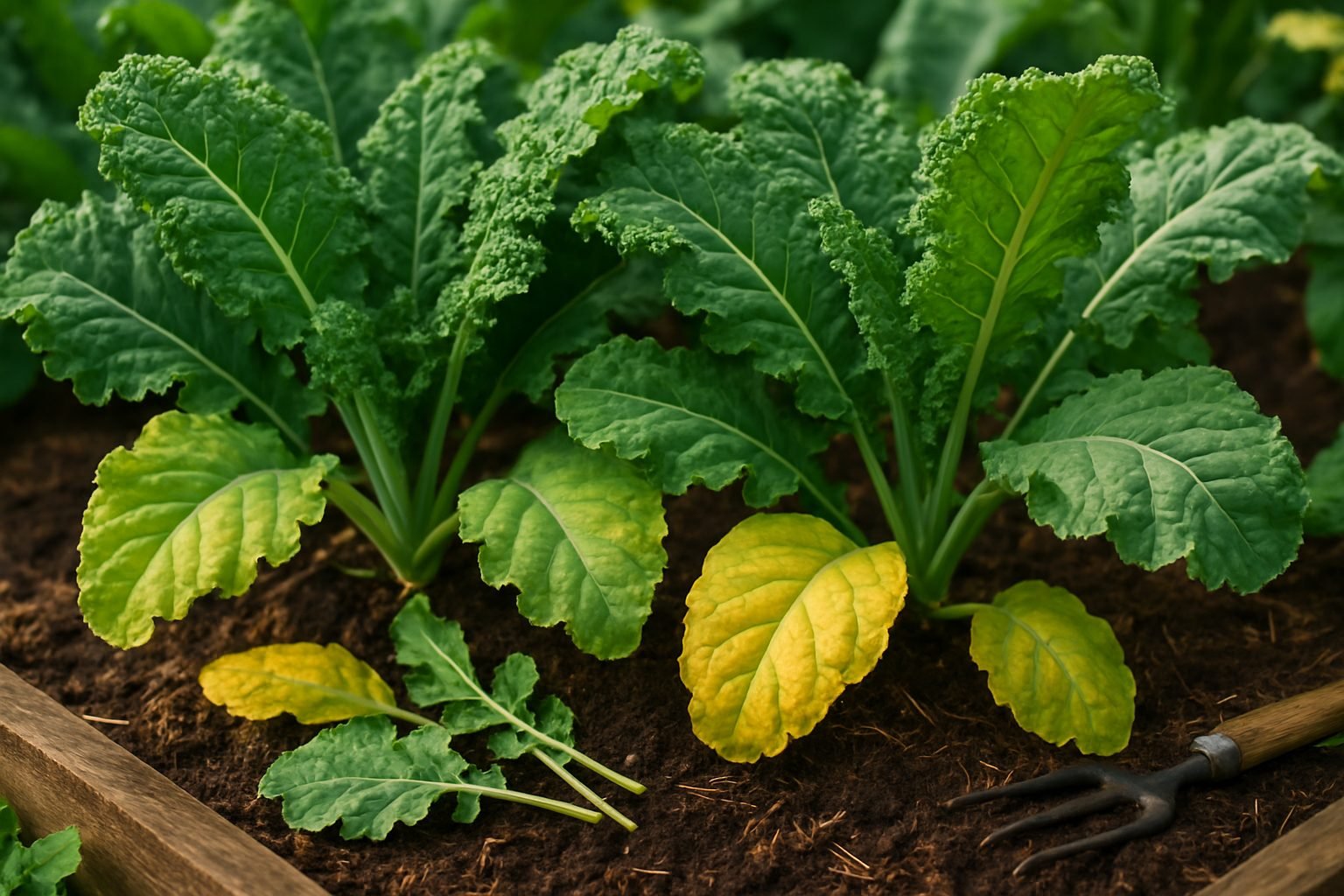
Understanding Yellowing Leaves
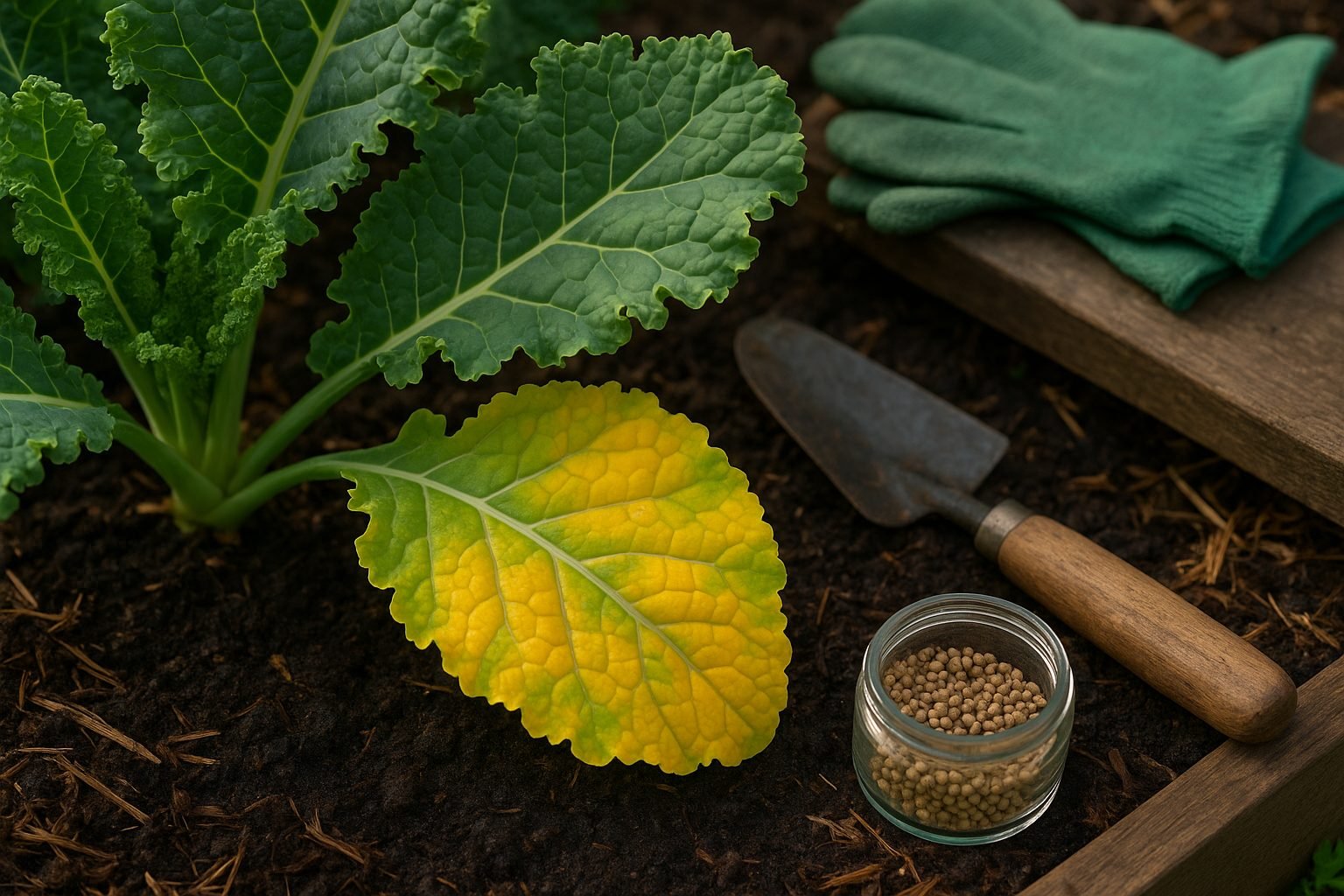
If you’ve noticed yellow kale leaves popping up in your garden, you’re not alone—and it’s a sight that can worry even seasoned growers. Yellowing kale leaves, a condition called chlorosis, happens when the plant doesn’t have enough chlorophyll, the pigment responsible for its trademark vibrant green color.
Chlorosis can result from a number of issues, but for kale—especially the fast-growing Sukuma Wiki variety—it’s often due to imbalances in essential soil nutrients like nitrogen, magnesium, or iron. Because kale grows so rapidly and produces lots of lush foliage, it draws heavily from the soil’s reserves, making it quite susceptible to deficiencies if those nutrients aren’t continuously replenished.
Sometimes yellow kale leaves signal simple overwatering or underwatering, or problems with drainage or root health. Regardless of the cause, catching the change early is critical: when left unchecked, yellowing can quickly spread and sap your plants’ vitality, reducing yields or even killing the crop.
Take a few minutes to monitor your kale patch regularly; spotting yellow kale leaves early means you can address the underlying issue with a targeted fix—whether that’s adding fertilizer, adjusting your watering routine, or checking soil drainage—giving your greens the best chance at a full recovery.
Common Nutrient Deficiencies and How to Spot Them
Yellowing leaves in Sukuma Wiki (collard greens) often signal nutrient deficiencies, with nitrogen, magnesium, and iron being the most common culprits.
If you notice older, lower leaves turning a pale yellow while young leaves remain green, your plants are likely lacking nitrogen—a key nutrient for leafy growth. This deficiency can be addressed by adding well-rotted compost or a balanced, nitrogen-rich fertilizer to the soil.
Magnesium deficiency typically shows up as yellowing between the leaf veins of older leaves, with the veins themselves remaining green. This pattern, known as interveinal chlorosis, is best corrected by working Epsom salts (magnesium sulfate) into the soil or applying it as a foliar spray.
When iron is the missing element, yellowing appears first on young, new leaves, again with the veins staying green while the rest of the leaf turns yellow. Iron deficiency often results from overly alkaline soils, so you can help by lowering soil pH with elemental sulfur or applying an iron chelate supplement.
Regularly mulching with compost and rotating crops also supports overall soil health and nutrient availability. By tracking where and how yellowing appears on your Sukuma Wiki leaves, you’ll be able to identify the specific deficiency and take early action, boosting your plants’ resilience and harvest.
Overwatering, Poor Drainage, and Watering Problems
Too much water can be just as harmful to your plants as too little. When soil becomes waterlogged, excess moisture pushes out the air pockets that roots need to breathe, leading to oxygen deprivation. Without enough oxygen, roots start to suffocate and may develop rot, causing common symptoms like yellowing leaves, wilting, and stunted growth.
Poor drainage—often due to heavy clay soil or pots without holes—makes the problem worse by trapping water around the roots. Uneven watering routines, where the soil swings between soaked and dry, can also stress plants, weakening their defenses and making them more prone to disease.
To remedy these issues, start by checking your pots and garden beds for adequate drainage. Add holes to containers if needed, or mix in materials like perlite or coarse sand to improve soil structure. Outdoors, you can create raised beds or install simple French drains to carry excess water away.
Consistent watering routines help too: use your finger or a moisture meter to check soil before watering, ensuring you only water when needed. Mulching around the base of plants can further regulate moisture and prevent quick drying or over-saturation.
With just a few adjustments, you can keep your plants healthy and their roots breathing easy.
Pests and Diseases: Culprits Behind Yellowing Leaves
Yellowing leaves on your Sukuma Wiki can be caused by more than just watering or nutrient issues—common pests and diseases are frequent culprits. Tiny pests like aphids and leaf miners attack by sucking sap or burrowing into leaves, causing them to yellow or form patchy, distorted areas.
Diseases such as downy mildew or bacterial infections may show as yellow blotches, wilting, or fuzzy growth on the leaf undersides. Unlike nutrient deficiencies, which often create uniform yellowing or fading, pest and disease damage usually features spots, streaks, or irregular patterns, sometimes alongside sticky residue or visible bugs.
Preventing these problems starts with regular checks on both sides of leaves for odd marks, insects, or webbing. Practice good hygiene by removing infected leaves and keeping garden tools clean. Crop rotation helps reduce the buildup of pests and soil-borne diseases.
If you spot issues, try organic sprays like neem oil or a homemade soap solution, applying in the early morning for best results. Staying proactive with a combination of monitoring and targeted treatments will keep your Sukuma Wiki healthier and more resilient against yellowing caused by these unwelcome guests.
Environmental Stress Factors
Environmental stress factors like extreme heat, excessive sunlight, strong winds, and transplant shock are common causes of yellowing leaves in plants. When temperatures soar or sunlight becomes too intense, plants lose water faster than they can absorb it, leading to wilted foliage and yellow patches, especially around the leaf edges.
Strong winds strip moisture and physically damage leaves, causing them to turn yellow or brown and develop dry, crispy spots. Transplant shock occurs when new seedlings are moved too quickly from a sheltered environment to the outdoors, resulting in droopy, discolored, or yellow leaves as the roots struggle to adjust.
Unlike nutrient deficiencies or pests—which often cause specific spotting, holes, or patterns—environmental stress usually shows as uniform yellowing, scorched edges, or widespread wilting.
To protect your plants, try these tips:
- Use shade cloths during blazing afternoons.
- Set up windbreaks with fences or shrubs to buffer gusts.
- Always harden off seedlings by gradually exposing them to outdoor conditions over a week.
By taking these proactive steps, your plants will be more resilient to weather-related stress, keeping their leaves vibrant and healthy even in challenging conditions.
Recovering Your Crop: Steps to Revitalize Yellowing Sukuma Wiki

If your sukuma wiki (collard greens) leaves are turning yellow, start by testing your soil—imbalances in nutrients like nitrogen or iron are common culprits. You can use a simple home test kit or consult your local agricultural extension for detailed guidance.
Next, examine the undersides of leaves for common pests like aphids or caterpillars; remove them by hand or use an approved organic spray if needed.
Review your watering routine: sukuma wiki prefers evenly moist—not soggy—soil, so adjust accordingly if it’s too dry or waterlogged.
With these immediate steps, continue observing your crop closely; don’t be discouraged if older leaves remain yellow even after you’ve corrected problems. Healthy new growth is a good sign that your plant is recovering.
Prune yellowed leaves only if they are wilted, damaged, or heavily infested, as some can still provide nutrients to the plant during its recovery.
When to Worry (and When Not To)
It’s normal for older leaves at the bottom of a plant to turn yellow and drop off; that’s just part of the plant’s natural growth cycle. However, if you notice sudden or widespread yellowing on newer leaves, it could signal problems like watering issues, nutrient deficiencies, or pest infestations.
Don’t panic over a few yellow leaves—simply remove them and keep watching. But if yellowing spreads quickly or affects most of the plant, it’s smart to review your care routine or ask a local gardening expert for advice. Quick action can often prevent a small issue from becoming a bigger one.