Introduction
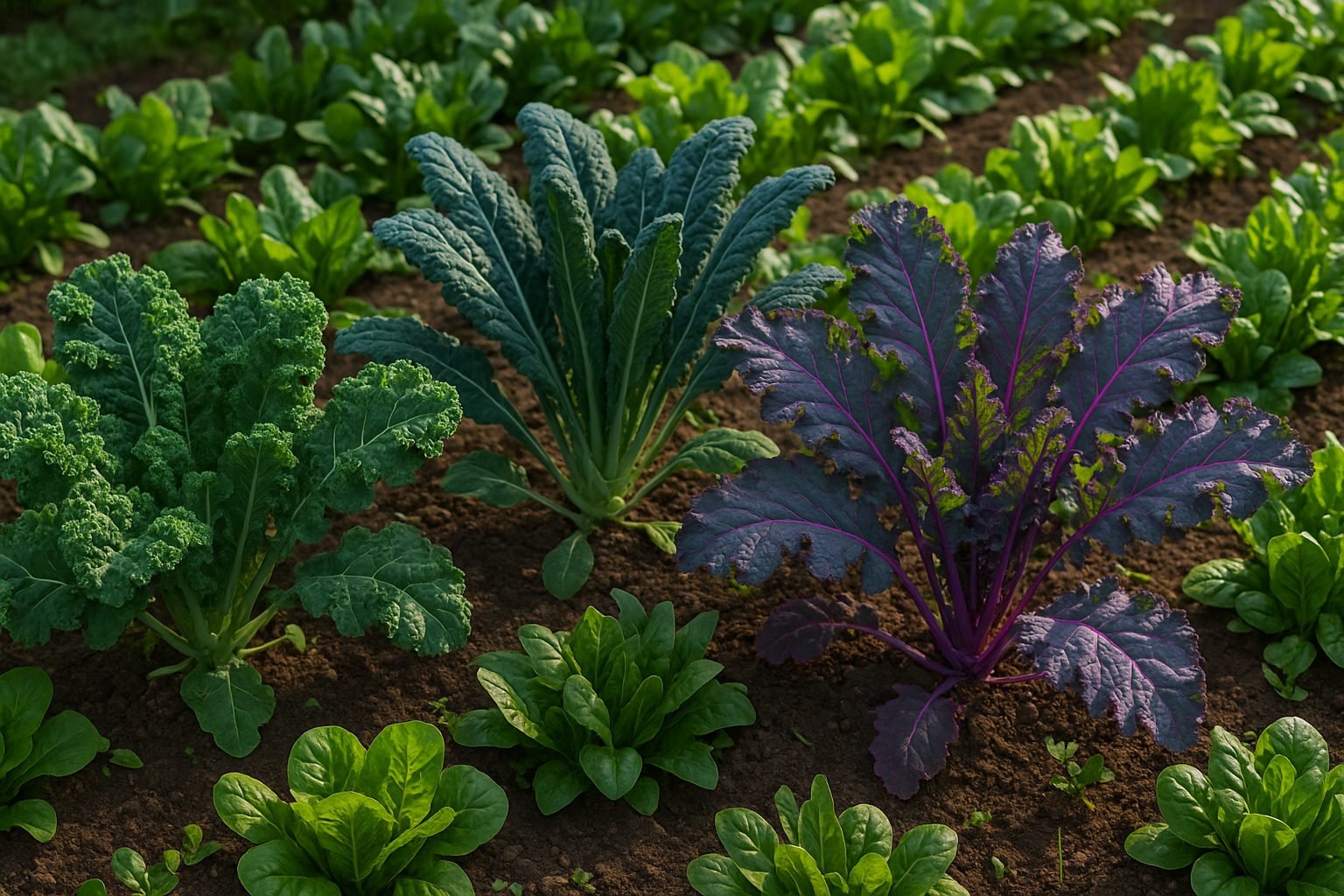
If you’ve ever wondered about kale and greens planting—specifically whether you can grow kale alongside lettuce or spinach—you’re not alone. Many home gardeners want to maximize their garden beds by growing multiple leafy greens together, both for their nutritional benefits and space-saving efficiency. After all, who wouldn’t want a variety of fresh salad ingredients just steps from their kitchen?
Companion planting is a popular practice, but each vegetable has its own quirks, growth habits, and needs. This article explores the ins and outs of growing kale with lettuce and spinach: the potential benefits for soil health and pest management, common challenges like competition for nutrients or shade, and practical tips to help these leafy greens thrive together.
Whether you plant in raised beds or traditional garden rows, we’ll answer your most pressing questions about mixing these powerhouse vegetables so you can harvest vibrant, healthy greens all season long.
Understanding the Growth Needs of Kale, Lettuce, and Spinach
When it comes to kale and greens planting, understanding the unique yet overlapping needs of kale, lettuce, and spinach is essential for a successful harvest. All three are cool-season crops that thrive in temperatures between 45°F and 75°F, but each has slightly different tolerance levels. Kale is the hardiest, able to withstand light frosts while still producing sweet, tender leaves, making it ideal for both spring and fall gardens. Spinach also prefers cool weather but bolts quickly in heat, so it’s best planted in early spring or late summer for a fall harvest. Lettuce favors similar conditions but is generally less cold-tolerant than kale, and some varieties may bolt or turn bitter in warmer temperatures.
Sunlight needs are similar for all three greens; they each appreciate about six hours of sunlight daily but tolerate partial shade. This shading can be particularly helpful during warmer weather to prevent bolting. In terms of soil, these greens thrive in well-draining, rich, loamy soils with a pH between 6.0 and 7.0. Consistent moisture is crucial—keep the soil uniformly moist but not waterlogged, as irregular watering can cause lettuce and spinach leaves to turn bitter or make kale develop tough stems.
A practical tip is to group these greens together in garden beds enriched with compost and covered with mulch to retain moisture. Despite their similarities, their differences—mainly in cold hardiness and bolting tendencies—require careful planning for successful companion planting, especially as temperatures fluctuate between seasons.
Benefits of Growing Kale with Lettuce or Spinach
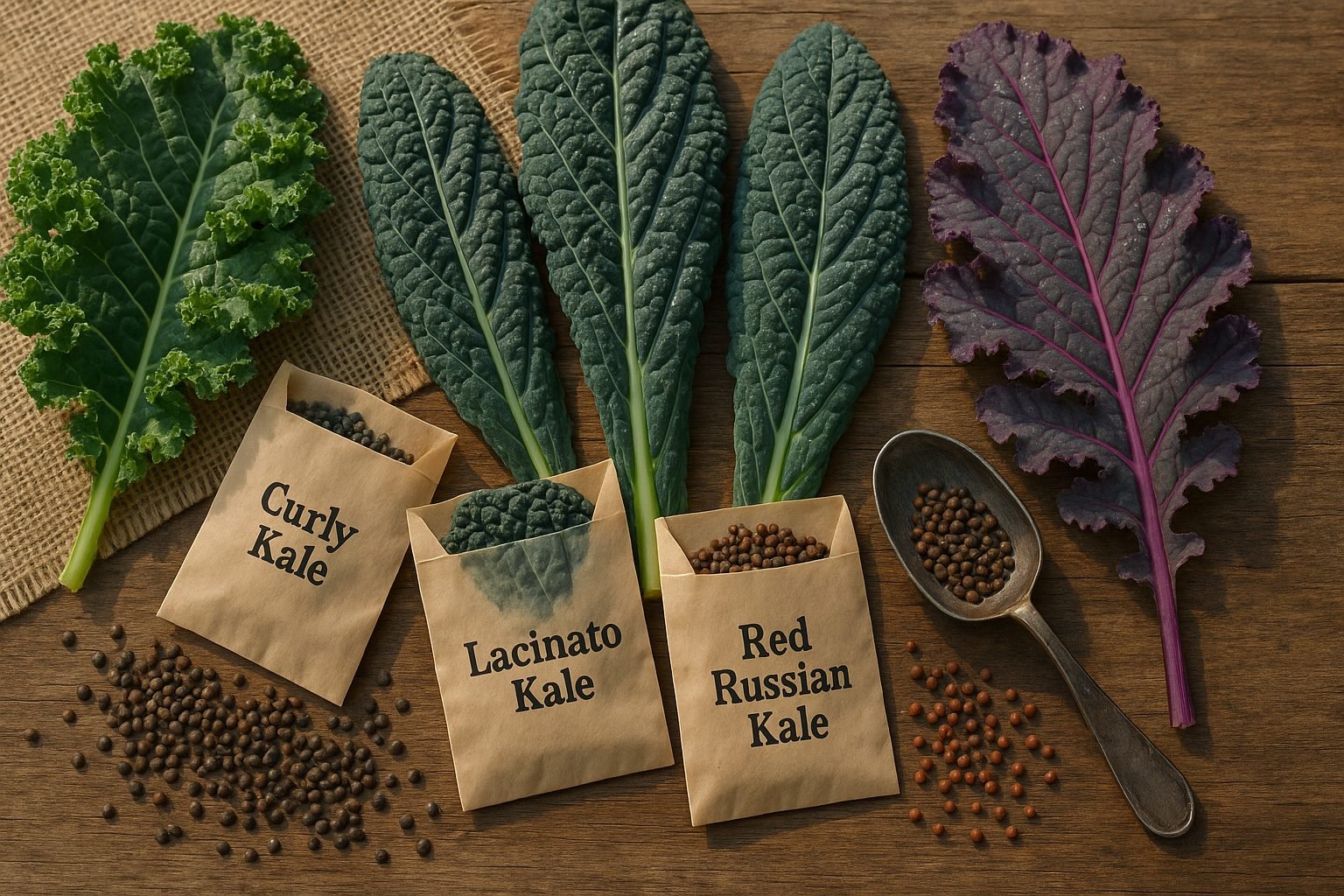
Interplanting kale and greens—like lettuce or spinach—is a smart way to maximize your garden’s productivity, especially if you’re working with limited space. By mixing these crops in your beds, you can take advantage of their different growth habits. Lettuce and spinach have shallow root systems and grow low to the ground, while kale grows taller with deeper roots. This allows you to fit more plants in the same area without them competing too much for light, water, or nutrients. As a result, your overall harvest increases; instead of just a single row of one crop, you can enjoy multiple varieties throughout the season, making your garden both beautiful and abundant.
Mixed planting also offers key benefits for pest management. Many pests that target kale—like aphids and cabbage worms—are less attracted to lettuce or spinach, and some are even deterred by the stronger scent of certain kale varieties. This plant diversity creates a less predictable environment for pests, which helps disrupt their life cycles and makes infestations harder to take hold. In fact, both studies and home gardeners report fewer pest outbreaks when interplanting leafy greens. Additionally, denser plantings provide natural ground cover, reducing space for weeds that can harbor pests. Adding companion flowers such as nasturtiums or marigolds among your greens can enhance this effect, attracting beneficial insects that help control pests.
Soil health also benefits from the cooperative nature of kale and greens planting. The varied root depths help prevent nutrient depletion in any single layer, and their differing nutrient needs reduce the risk of quickly exhausting one type of mineral. Kale’s deep roots bring up nutrients from lower soil layers, making them available to shallow-rooted lettuce and spinach, promoting stronger, healthier plants overall. Regular crop rotation and diversity can also lower the chances of diseases that thrive in monocultures. In short, interplanting kale with lettuce or spinach isn’t just about squeezing more greens into your beds—it’s a practical strategy for healthier plants, a bigger harvest, and a more resilient garden ecosystem.
Potential Challenges and Things to Watch For
When diving into kale and greens planting together, there are several challenges you’ll want to monitor closely to ensure healthy crops. One common issue is nutrient competition. Kale is a hungry feeder, often requiring more nitrogen than lettuce or spinach. If they’re crowded in the same bed, your lettuce or spinach may show stunted growth or pale leaves as kale outcompetes them for essential nutrients. To help, space your plants generously and consider amending your soil with plenty of compost or a balanced organic fertilizer before planting.
Crowding is another problem to watch for—not only does it mean plants have to compete for light and root space, but it can also increase humidity between leaves, raising the risk of fungal diseases like downy mildew or leaf spot. Watering needs can differ as well: kale prefers consistent moisture, while lettuce and spinach can be prone to rot if overwatered, especially in cooler weather. You’ll need to monitor soil moisture carefully and adjust as needed, perhaps by grouping plants with similar water needs together or using mulch to balance soil moisture.
Mixed plantings of greens also attract more pests such as aphids, flea beetles, or leaf miners. If you notice chewed leaves, sticky residue, or visible insects, take action promptly using floating row covers or beneficial insects. Signs that one crop is harming another include yellowing or wilting foliage, slow growth, or an uneven canopy—clear indicators that it’s time to thin out, fertilize, or rethink your kale and greens planting layout.
Best Practices for Planting Kale, Lettuce, and Spinach Together
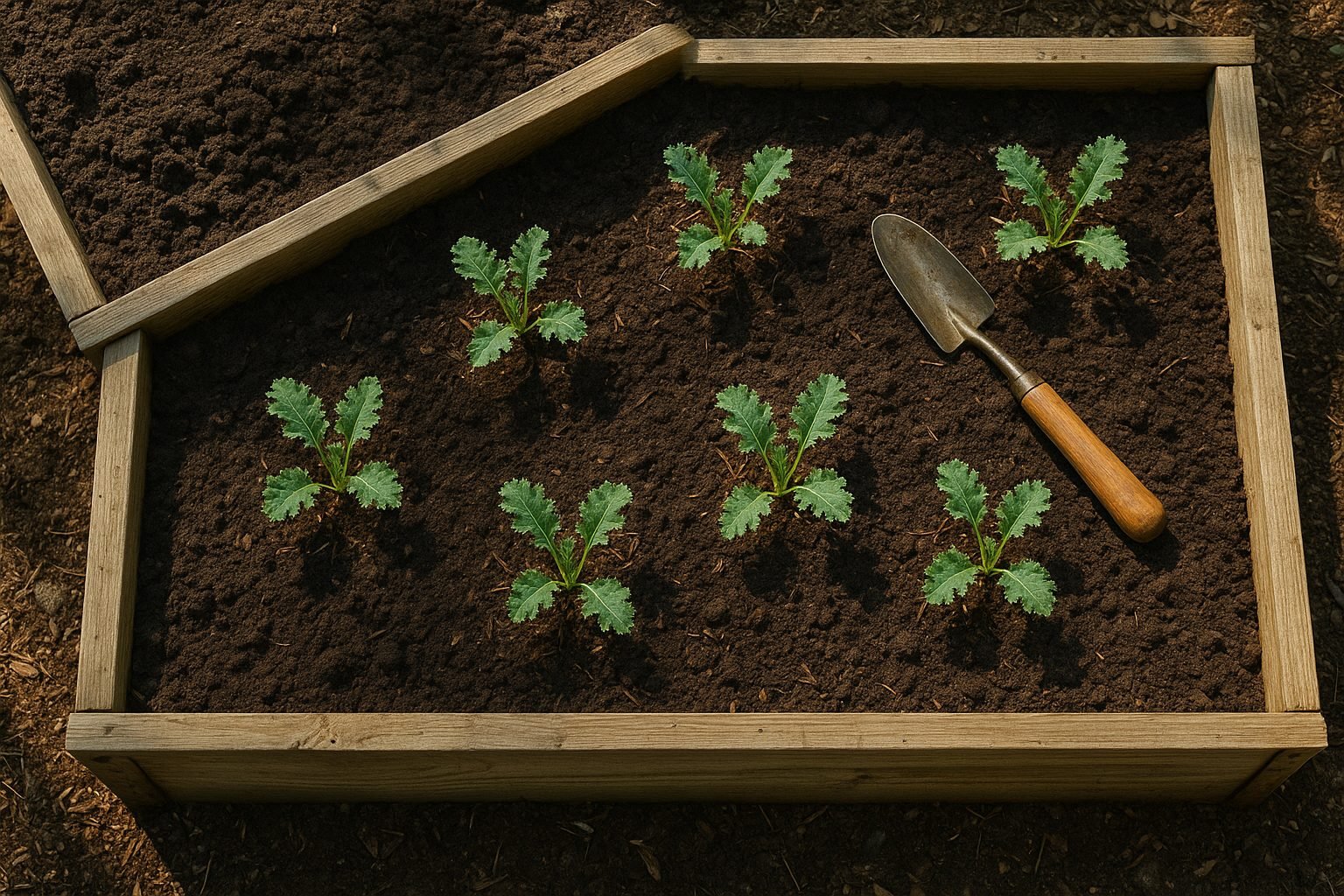
When it comes to kale and greens planting, grouping kale, lettuce, and spinach together in your garden can maximize your harvest. However, it’s important to consider each crop’s growth habits and requirements for the best results. Start by planning your layout with adequate spacing: kale is the largest of the three and should be spaced about 12-18 inches apart, while lettuce and spinach do best with 6-8 inches between plants.
One effective approach is to plant kale in a central or northern-most row (if planting in the northern hemisphere, to avoid shading smaller plants), then interplant lettuce and spinach in parallel rows or blocks adjacent to the kale. Alternatively, use a staggered row technique—place kale at the back, lettuce in the middle, and spinach at the front for easy access and efficient use of sunlight.
Succession sowing is highly recommended, especially for lettuce and spinach, which mature quickly. Sow small batches every 2-3 weeks to ensure a steady supply of tender greens throughout the season, while kale, being longer-lived, can be planted once or twice at the start for a continuous harvest.
Proper watering is crucial, since all three crops prefer consistently moist soil but are sensitive to overwatering. Water deeply at the soil level early in the morning, aiming to keep the soil damp but not soggy. Drip irrigation or soaker hoses work well for minimizing splash-related diseases.
Fertilize moderately—use a balanced organic fertilizer or enrich your beds with compost before planting. Spinach appreciates a bit more nitrogen for leafy growth, so side-dressing with composted manure midway through the season can help. Avoid over-fertilizing kale, which can lead to excessive leafy growth and less flavor.
Mulching is a great way to keep the soil cool and moist, which is especially important since lettuce and spinach can bolt in warm weather. Apply a 2-3 inch layer of straw, shredded leaves, or grass clippings around your plants, being careful not to crowd the crowns.
Monitor for pests such as slugs on lettuce and cabbage worms on kale, and remove any damaged leaves promptly. Finally, harvest leaves as needed: pick outer spinach and lettuce leaves regularly to encourage more growth, and selectively harvest kale leaves from the bottom up to keep the plants thriving throughout the season.
With these thoughtful practices, your kale and greens planting project will reward you with an abundant supply of high-quality greens.
Harvesting Tips and Succession Planting
To get the most out of your kale and greens planting, timing your harvests is key. For kale, start harvesting the outer leaves once the plant has at least six mature leaves, making sure to leave the center intact so the plant keeps producing. Lettuce and spinach work well with a “cut-and-come-again” approach—snip the outer leaves when they’re a few inches tall, or cut whole heads about an inch above the soil to keep the roots in place for regrowth. Regular picking encourages fresh growth and extends your yields.
To keep your garden beds full, succession planting is essential. Sow new rows every 2–3 weeks until late summer. This staggered planting ensures a steady supply of young, tender greens even as older plants bolt or lose quality. As each batch finishes, promptly clear out spent plants and lightly amend the soil with compost to replenish nutrients.
Rotate leafy greens with other crop families—like root vegetables or legumes—each season to prevent disease buildup and maintain healthy, fertile soil. After harvesting, top up your beds with organic matter, such as finished compost or well-rotted manure, to restore nutrients, support soil health, and prepare the ground for your next round of plantings.
Common Questions About Mixing Leafy Greens
Many gardeners interested in kale and greens planting together often wonder if the flavors will blend or if their crops might hybridize. The good news is that while kale, lettuce, and spinach all thrive in similar conditions—cool weather and moist, well-draining soil—their flavors stay distinct, even when planted side by side.
Mixing leafy greens in your garden won’t cause odd-tasting kale or lettuce, as flavor is determined by the plant’s genetics, not its neighbors. Another common concern is the risk of hybridization or cross-pollination between these greens. In reality, kale belongs to the brassica family, while lettuce and spinach are from completely different plant families. Because of this biological difference, there’s no risk of unwanted hybrids.
Gardeners also often ask whether these greens will compete too much for resources. As long as you provide enough space for each plant and enrich the soil with compost or balanced fertilizer, they can all thrive together. Ultimately, planting kale with lettuce or spinach is a smart way to maximize your harvest and enjoy a longer season of fresh greens. The key is to understand each plant’s needs and dismiss any worries about flavor blending or cross-breeding—they simply aren’t issues for home growers.