Introduction to Kale Spacing
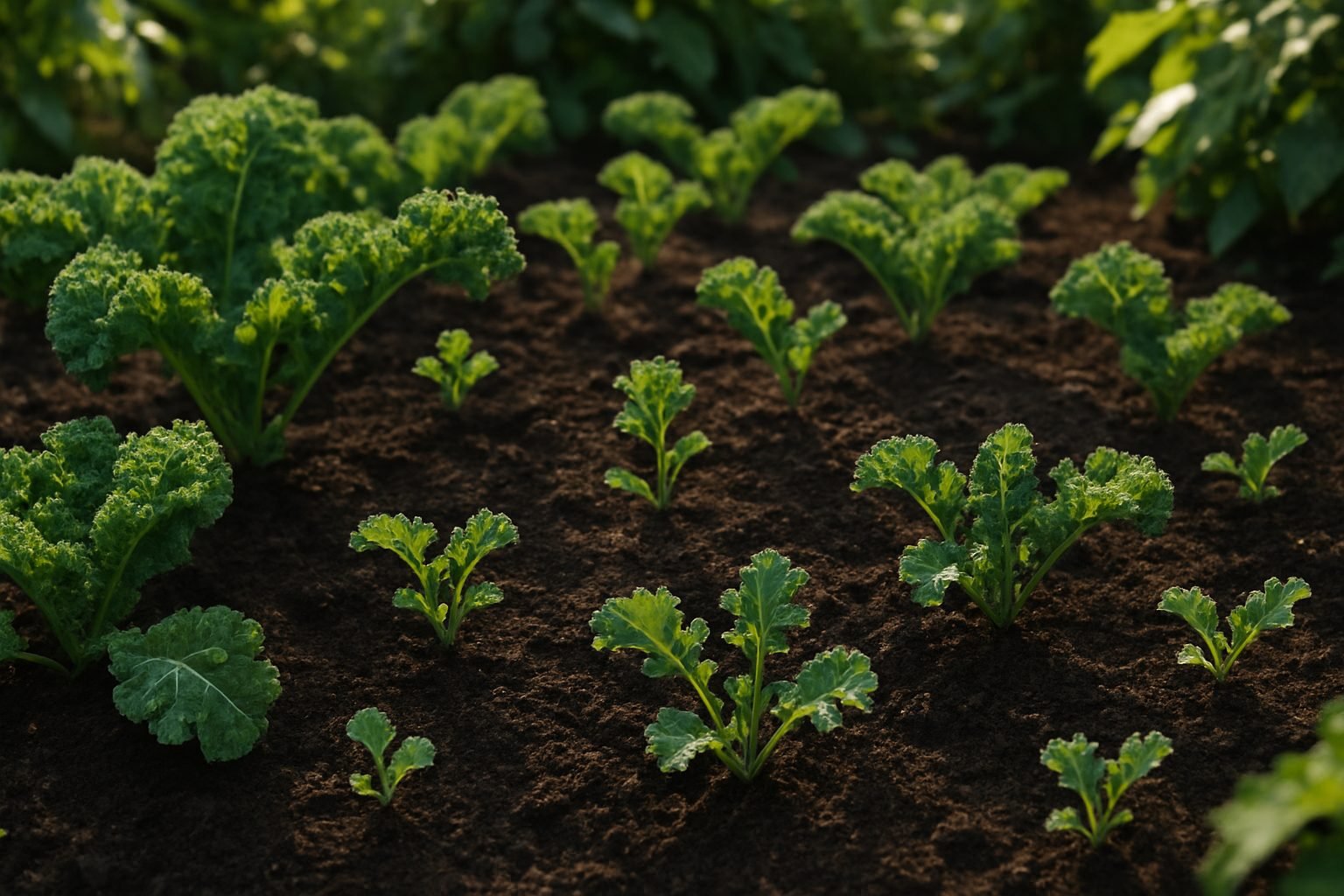
Getting kale spacing right is one of the smartest steps you can take to ensure your plants thrive and your garden yields a healthy, ongoing harvest. Whether you’re aiming for lush full-sized kale leaves, tender baby greens, or nutrient-packed microgreens, the distance between your kale plants plays a huge role in their success.
Proper kale spacing boosts air circulation, reduces the chances of disease, and ensures each plant has access to the nutrients and sunlight it needs.
For full-sized kale, giving each plant 12 to 18 inches apart allows the leafy tops to expand and keeps stems sturdy, reducing competition. Baby kale, often prized for salads, can be spaced a bit closer—about 4 to 6 inches apart—since the leaves are harvested young, before the plants reach maturity. Microgreens, on the other hand, can be sown densely in shallow trays with just enough space for seedlings to sprout and develop their first leaves, as you’ll be harvesting them within 1-3 weeks.
A common mistake many gardeners make is overcrowding their kale, thinking it will maximize their yield. In fact, crowded plants often end up smaller, more susceptible to pests, and prone to fungal diseases like powdery mildew. Overcrowding also makes harvesting awkward and restricts airflow, creating a less productive garden overall.
By paying close attention to kale spacing—tailoring it for your desired harvest style—you’ll foster more robust, healthier plants that reach their full potential and keep giving back all season long.
Why Proper Kale Spacing Matters
Proper spacing is crucial when growing kale because overcrowding can lead to a cascade of issues that harm both the health and productivity of your plants. When kale is planted too closely together, the leaves don’t get enough airflow, creating the perfect environment for fungal diseases like powdery mildew or downy mildew to thrive.
You may notice pale, patchy leaves and a general lack of vigor—both signs your kale is struggling from reduced airflow and increased humidity. Overcrowded plants also compete for essential resources like sunlight, water, and soil nutrients, which often results in stunted growth and smaller, less flavorful leaves.
Yields can drop significantly, as each plant is fighting for its share, directly translating to a less bountiful harvest. On the other hand, providing ample space—typically about 12-18 inches between plants—encourages robust air circulation and gives each plant enough room to soak up sunshine.
With these conditions, your kale will develop larger, healthier leaves, which are easier to inspect and harvest, making pest control and maintenance much simpler. As a bonus, well-spaced kale often develops a sweeter, milder flavor, especially after a light frost, because the leaves have had adequate resources to mature fully.
Gardeners at the University of Minnesota Extension and other horticulture sources recommend sticking to these spacing guidelines for the healthiest plants and best yields. So, next time you’re tempted to squeeze just one more kale seedling into your raised bed, remember: a little space goes a long way toward a tastier and more productive crop.
Kale Spacing Basics: Understanding Recommendations
Kale spacing is key to growing healthy, high-yield plants, and the recommended distance can change depending on how you plan to harvest your crop.
For baby greens, you can plant seeds densely—about 1 inch apart in rows spaced 2 to 4 inches apart—since you’ll be harvesting them early. This approach lets you maximize yield in a small area. Microgreens are even more compact; spread seeds thickly (almost touching) across the surface of a flat or tray and harvest in just a couple of weeks.
For full-sized kale, give each plant more room: most gardeners recommend spacing seeds or transplants 12 to 18 inches apart in rows that are 18 to 24 inches apart. This ensures mature leaves have plenty of space for airflow and sunlight.
When sowing directly into the garden, it’s common to “over-seed” and thin seedlings to the right spacing. With transplants, you can place each young plant at the correct distance from the start.
Spacing can also depend on the kale variety—curly kale often needs more space for its bushy leaves, whereas dwarf or Lacinato (dinosaur) kale may thrive with slightly tighter spacing. Always check your seed packet for variety-specific guidance, and don’t be afraid to experiment—urban gardeners, for instance, often group plants closer together in containers or raised beds to save space.
Remember, good airflow between plants helps prevent disease, so if you live in a humid climate, err on the side of wider spacing to keep your kale healthy and productive.
How to Space Kale: Step-by-Step Guide
Properly spacing your kale is one of the most important steps for a healthy and productive crop, and it all starts with good soil preparation. Begin by loosening the soil to a depth of at least 12 inches, removing rocks and weeds as you go. Mix in compost or well-rotted manure to improve drainage and fertility—a crucial foundation for robust kale.
Once the soil is ready, use a rake to smooth the surface and mark out your planting rows. For garden beds and raised beds, rows should be 18 to 24 inches apart to give mature plants ample airflow and room to grow. In smaller urban gardens or raised boxes, opt for the minimum gap if space is tight.
For seeds, make shallow furrows about half an inch deep, and sow seeds roughly 4 to 6 inches apart within the row. Once seedlings reach a few inches tall and have two true leaves, thin them to 12 to 18 inches apart. This helps them reach their full leafy potential without overcrowding.
If you’re planting nursery seedlings, simply plant them straight into the soil 12 to 18 inches apart, skipping the thinning step. In containers, use pots at least 12 inches across and give each plant its own pot or space—remember, crowding leads to smaller, less flavorful leaves.
Tips for Even Spacing
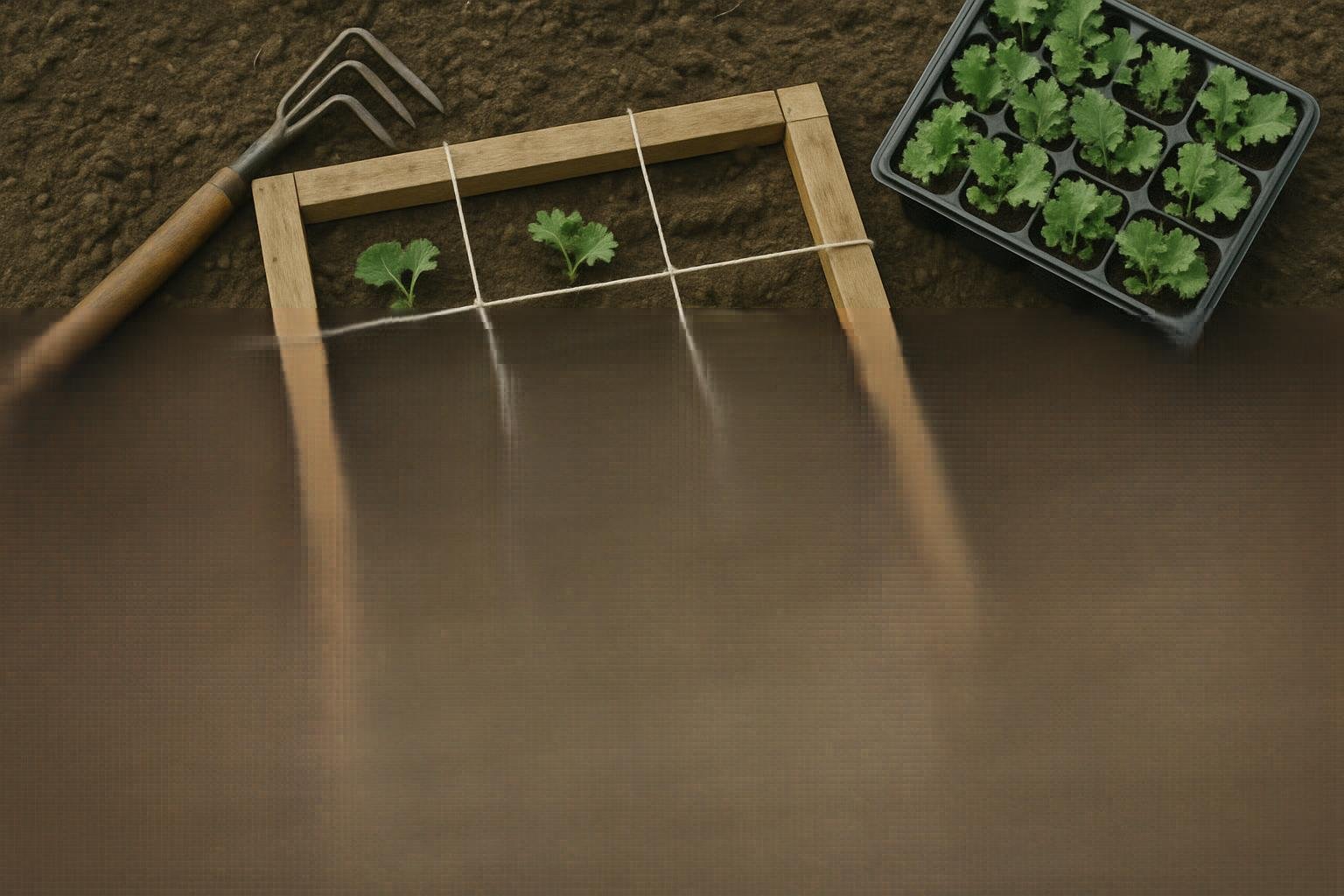
For beginners aiming for even spacing, try using a measuring tape, wooden ruler, or even a stick marked with your desired distances. Some gardeners swear by making a simple planting grid from string stretched over nails on a wooden frame—an easy DIY project to help lay out perfect rows. Even egg cartons pressed into the soil can mark consistent seedling holes for container or square foot gardening.
Ultimately, giving your kale enough space not only boosts growth but also helps prevent disease and makes harvesting easier, setting you up for a season of success.
Spacing by Kale Type: Baby Greens, Full-Sized, and Microgreens
Spacing your kale properly is key to maximizing both yield and plant health, but the right distance depends on how you plan to harvest.
For baby kale—those tender leaves perfect for salads—sow seeds about 1 inch apart in rows spaced 4-6 inches apart. Once seeds sprout, thin seedlings to every 2 inches. This gives each young plant enough space to grow without crowding. Harvest baby kale leaves when they’re 2-4 inches long, usually within 25-30 days. Snip leaves just above the soil or pick outer leaves as needed, a method that encourages regrowth for multiple harvests.
For microgreens, sow seeds even denser: scatter them thickly across the top of shallow trays or small containers and barely cover with soil. Microgreens don’t require much space since you cut them at the first true leaf stage, typically in just 10-14 days. Keep trays evenly moist and provide good airflow to prevent mold. No thinning is needed with microgreens, but daily monitoring is important to avoid overcrowded, damp conditions that can lead to disease.
In contrast, if you’re growing full-sized kale, give each plant room to stretch by spacing seeds or transplanted seedlings 12 to 18 inches apart in rows at least 18-24 inches apart. This wider spacing supports strong root systems, bigger leaves, and better airflow—especially essential in humid climates prone to disease.
The variety of kale also makes a difference: curly kale, with its bushy habit, may need a bit more space than flatter lacinato (dinosaur) types, which grow more upright. If you’re tight on space, stick to lacinato or dwarf varieties, planting them on the closer end of the spacing range. Always check your seed packet for variety-specific recommendations. Following these tailored guidelines means healthier, more productive kale plants all season long.
Troubleshooting Kale Spacing Problems
Improper spacing is a common culprit behind many kale-growing headaches, often leading to leggy, spindly plants that stretch for light or develop weak, underdeveloped leaves. Crowded kale increases humidity between plants, making it a magnet for pests like aphids and diseases such as powdery mildew.
To avoid these problems, always read the seed packet for optimal spacing—typically, leave 12-18 inches between mature plants. If your seedlings are bunched together or you notice stunted growth, yellowing leaves, or excessive stretch, it’s a strong sign that spacing needs attention.
Thinning is crucial: once seedlings have two true leaves, gently pinch or snip extras at the soil line, aiming to leave only the strongest plants. For already established transplants that are too close, carefully dig up and relocate some to open areas, watering them well to minimize transplant shock.
Watch for warning signs like leaves overlapping, persistent moisture, weak stems, or visible pest infestations. Regularly check your rows and, if things are getting crowded midseason, don’t hesitate to harvest some small leaves early—this not only gives you a snack but frees up space for the rest to thrive.
By monitoring plant health and adjusting as needed, you’ll give your kale the best chance for robust, disease-resistant growth.
Harvesting Kale for Best Yields
To get the best yields from your kale plants, harvest leaves once they reach about the size of your hand, typically around 8 to 10 inches long. Start by picking the outermost, lower leaves first, leaving the central, younger leaves to keep growing. This method encourages ongoing production rather than a one-time harvest.
Proper spacing is key: plant kale about 12 to 18 inches apart. This allows enough airflow, reducing disease risk, and gives you space to comfortably reach each plant without damaging neighboring leaves, making the harvest much easier and faster. Overcrowding not only stunts growth but also makes it difficult to access the best leaves.
For a continuous harvest all season, plan to pick leaves every week or two, always taking only a few from each plant. Avoid pulling or tearing; instead, use clean garden shears or pinch the stem close to the main stalk to avoid harming the plant. After harvesting, water and fertilize lightly to help leaves regrow quickly.
Remember that kale is remarkably cold-hardy, so you can continue harvesting well into the fall and even after a light frost, which often sweetens the flavor. By following these steps—watching leaf size, spacing plants thoughtfully, and harvesting regularly—you’ll enjoy a steady supply of fresh, nutritious kale for months.