Introduction
Curious about kale’s frost tolerance and how your beloved leafy greens will survive the chilly months? Winter gardening offers a unique chance to grow nutrient-packed crops like kale, even as temperatures dip. Kale stands out not just for its impressive vitamin and mineral content but also for its reputation as one of the most cold-hardy vegetables you can plant. But how cold is too cold for kale—and what steps can gardeners take to help these plants thrive well into winter?
Whether you’re a backyard gardener or a container enthusiast, knowing just how tough kale really is can help maximize your winter harvest. Some kale varieties handle frost better than others, and with the right planting and care strategies, you can keep those nutritious leaves coming in even after other veggies have succumbed to the cold. In this post, we’ll break down the ins and outs of kale frost tolerance, explore the varieties best suited for the chill, and offer actionable tips for planting, caring for, and harvesting kale during winter’s toughest weeks. Get ready to enjoy fresh greens all winter long and pick up some tricks for overcoming common cold-weather challenges!
Why Kale Thrives in Winter
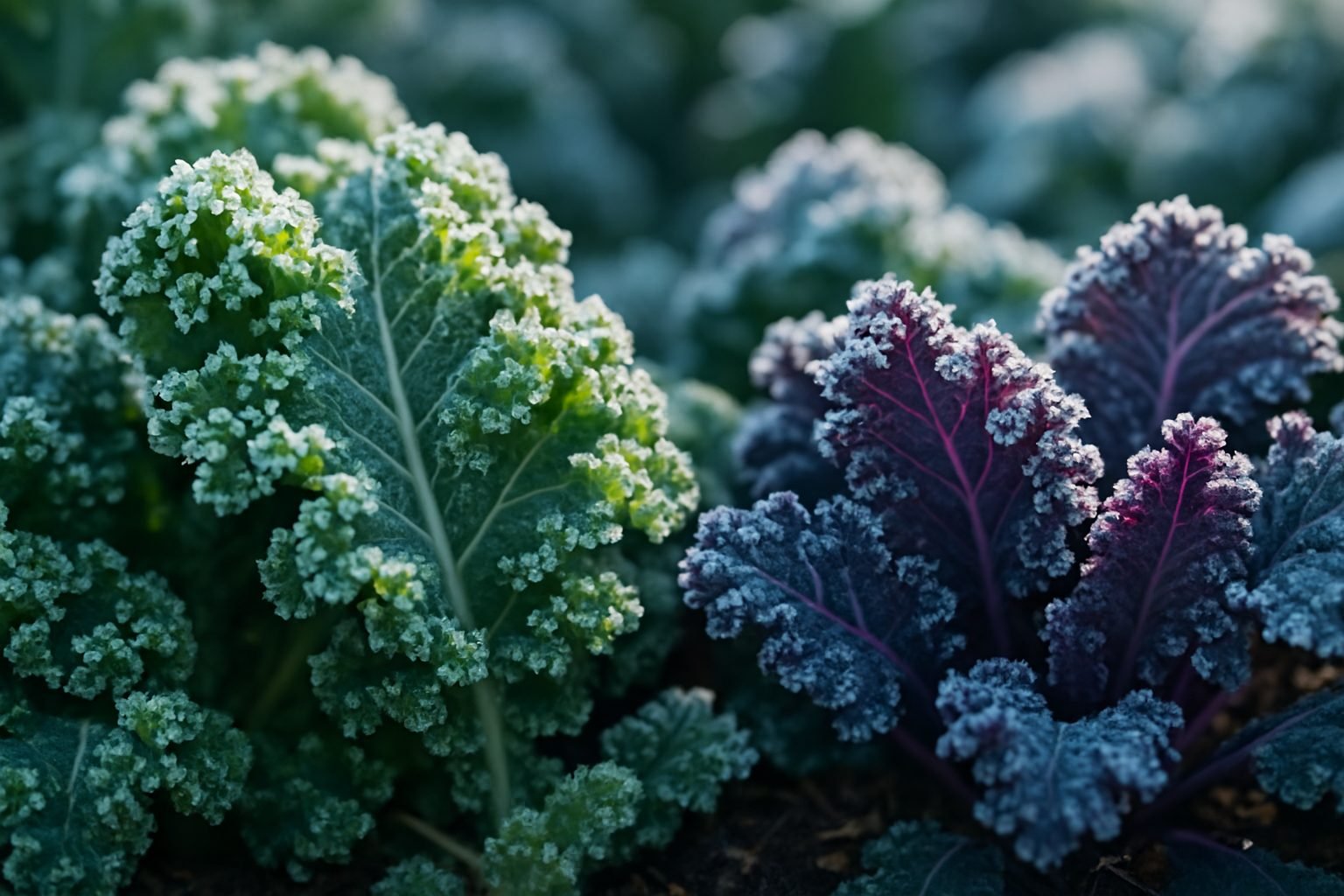
Kale is famous for being one of the hardiest greens you can grow, making it a superstar in winter gardens. Unlike less robust leafy veggies, kale can survive frosts and even light snow, which actually sweetens its flavor and gives the leaves a tender, almost buttery texture.
This happens because, as temperatures drop, kale plants naturally increase their sugar content to act like a kind of antifreeze—sugar lowers the freezing point of the plant’s cell fluids, protecting its structure during chilly nights. The added sugars don’t just keep kale alive; they also mellow out its sometimes-bitter taste, making those cold-season harvests especially delicious.
Compared to other winter greens like spinach or lettuce, which can wilt or become mushy after frosts, kale emerges crisp and perky, ready to be tossed into salads or sautés. Another bonus: the shorter days and lower light of winter slow kale’s growth, resulting in smaller but sweeter and more tender leaves.
If you want a leafy green that thrives in tough conditions and even improves with a touch of frost, kale is hard to beat—it’s a dependable, flavorful choice for any cold-climate garden.
Best Kale Varieties for Winter Gardens
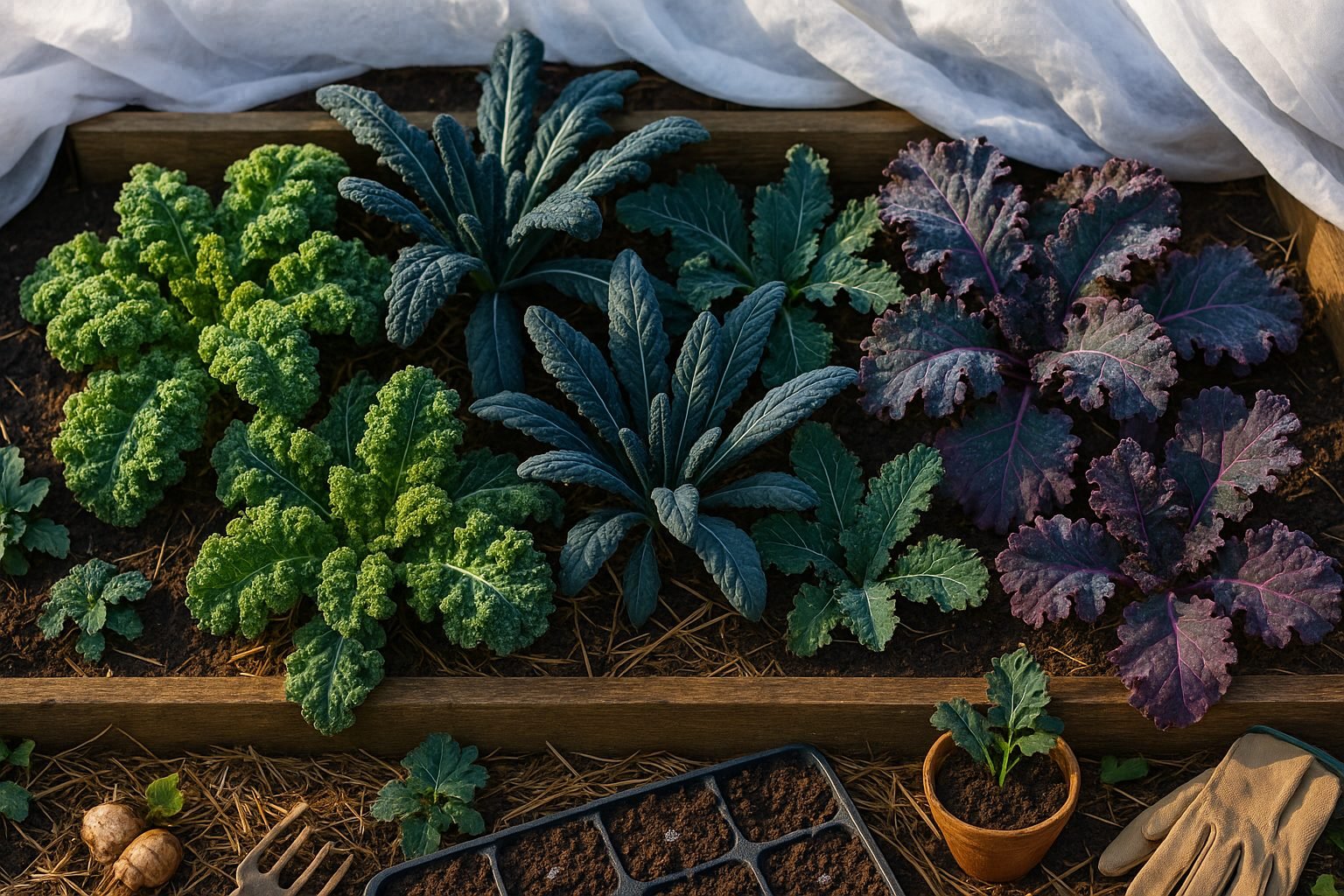
When planning a winter garden, choosing the right kale variety can make all the difference in thriving through chilly temperatures. Winterbor kale stands out for its cold-hardiness—its tight, curly blue-green leaves withstand harsh frosts and even become sweeter in flavor after a freeze, making it a tasty choice for salads or sautés.
Red Russian kale offers beautiful, frilly red-veined leaves with a tender texture and a mild, slightly peppery flavor. It’s excellent raw in salads or tossed into smoothies. For gardeners with limited space, Dwarf Siberian kale is ideal—compact but prolific, it handles cold snaps well and produces crisp, mild leaves perfect for soups and stir-fries.
Lacinato kale, often called dinosaur or Tuscan kale, has dark, puckered leaves and a delicious earthy taste. It holds up in light freezes and works wonderfully in rustic soups, chips, and sautés. Classic Curly Kale remains a favorite for its versatility, ruffled leaves, and robust cold tolerance, growing well in both raised beds and large, deep containers.
If you love making hearty soups and stews, Lacinato or Curly Kale are top picks for their substantial texture. For fresh salads or compact container gardens, Red Russian and Dwarf Siberian are smart choices. With these winter-hardy options, you can enjoy fresh greens even as temperatures dip, making the most of both big garden beds and small city patios.
Planting Kale for a Winter Harvest
For a successful winter kale harvest, timing is everything—aim to sow seeds outdoors about 10 to 12 weeks before your area’s first hard frost. In most regions, this means late summer to early fall. If you start seeds indoors, plan to transplant sturdy seedlings outside around 6 to 8 weeks before frost.
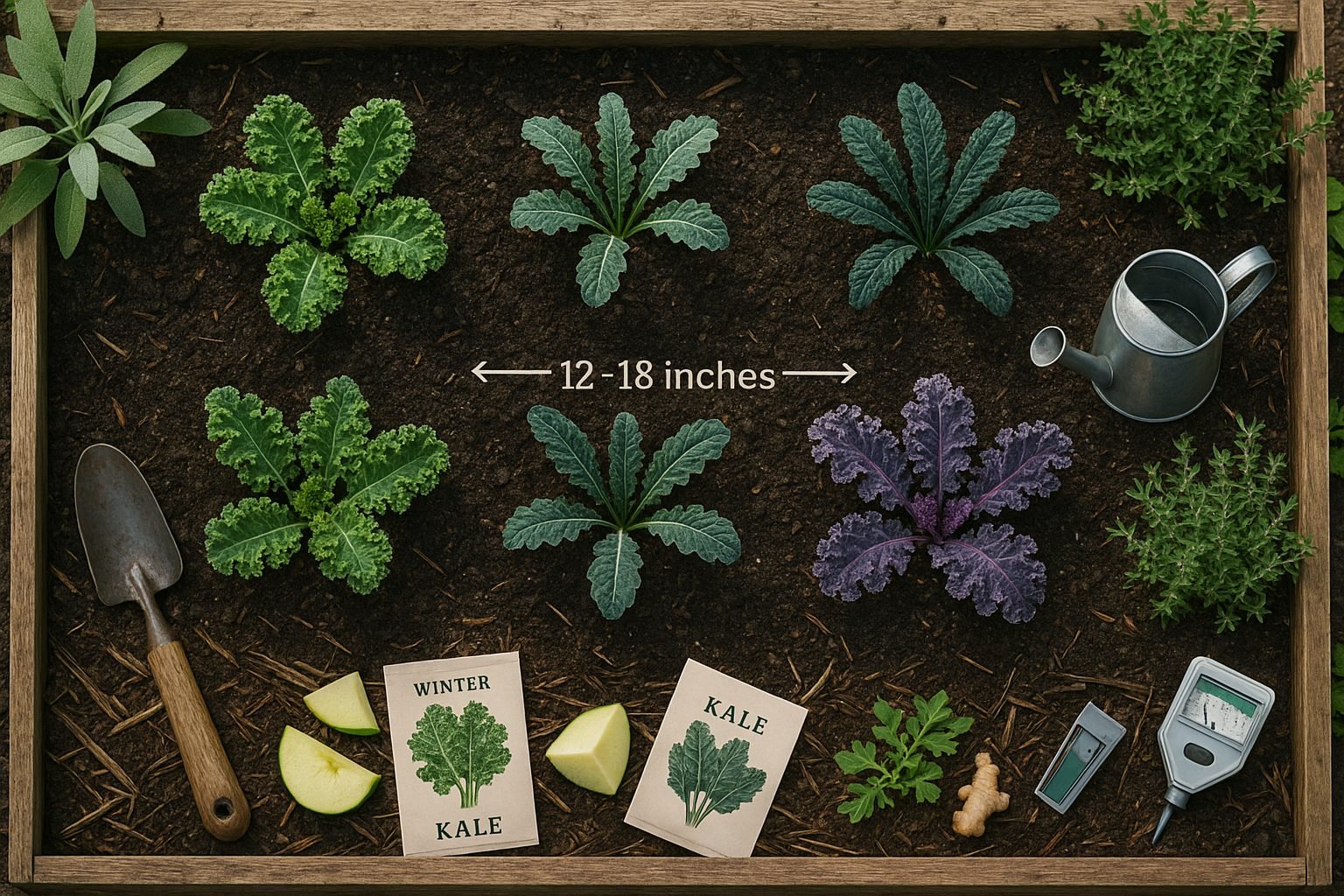
Kale thrives in fertile, well-draining soil enriched with compost or aged manure to boost nutrients before the cold sets in. Aim for soil with a neutral to slightly acidic pH (about 6.0–7.0). Plant seeds or young transplants 12 to 18 inches apart to allow airflow and healthy leaf growth, and place them where they’ll receive at least 4 to 6 hours of sunlight daily—even in winter, kale needs good light for the best flavor and growth.
Mulch around plants to retain warmth and moisture as temperatures drop. To help plants resist disease and pests, consider companion planting with aromatic herbs like sage or thyme, which can deter aphids and cabbage worms. Avoid planting kale where you’ve recently grown other brassicas like broccoli or cabbage, as rotating your crops each year helps prevent soil-borne diseases and maintains nutrient balance for your winter greens.
By following these strategies, you’ll give your kale the resilience it needs to thrive through the chill.
Caring for Kale as Temperatures Drop
As temperatures drop, caring for your kale involves a few simple adjustments that can make a big difference in how well your plants survive and thrive through the cold months.
First, remember that kale still needs water, even in winter—aim for deep, infrequent watering when the soil isn’t frozen. This discourages shallow roots and helps plants tolerate temperature swings.
Mulching is one of the best tricks: add a thick layer of straw, shredded leaves, or bark chips around the base to lock in warmth and moisture while protecting roots from freezes.
To shield your kale from heavy frost or snow, lightweight row covers are an easy fix—simply drape them over your plants, securing the edges with soil or rocks.
For even more protection and a longer harvest window, try setting up a cold frame, which acts like a mini greenhouse and lets you pick fresh kale deep into winter.
Keep an eye out for common winter pests like aphids and cabbage worms, which sometimes hide under leaves. You can manage these pests by hand-picking or with organic sprays like neem oil or soap solutions.
Diseases such as downy mildew and powdery mildew sometimes appear during damp weather, so make sure there’s airflow around your plants and remove any yellowing leaves promptly.
With just a bit of care, you can keep your kale healthy and productive, even when the temperature dips.
Harvesting and Using Winter Kale
Winter kale is ready to harvest when the leaves are firm, deep green, and about the size of your hand. Smaller, younger leaves offer the sweetest, most tender flavor, especially after a light frost has kissed them.
To pick for maximum quality and plant longevity, use clean scissors or garden snips to cut the outer leaves about an inch above the ground, leaving the central bud and at least a handful of inner leaves intact. This method encourages the plant to keep producing fresh foliage all season long.
Once you’ve harvested, rinse the leaves under cool water to remove dirt or bugs, then pat them dry.
Winter kale is delicious simply sautéed with a splash of olive oil and garlic, tossed raw into a smoothie, or chopped into hearty soups and stews.
If you have excess, wrap the unwashed leaves in a damp paper towel and store them in a breathable produce bag in the fridge. They’ll stay crisp for up to a week—just wash them right before using to prevent premature wilting.
For longer storage, blanch the leaves briefly in boiling water, cool them in ice water, then freeze in airtight containers for easy use through the winter.
Conclusion
Growing kale in winter is a rewarding, low-maintenance way to enjoy fresh greens straight from your garden, even when temperatures dip. Kale not only thrives in chilly weather, but many varieties actually taste sweeter after a frost, making it perfect for winter harvests.
With minimal effort—just a bit of planning, well-drained soil, and some row covers or cold frames—gardeners can cultivate a steady supply of nutritious leaves all season long. Experimenting with different types, such as curly, lacinato (dinosaur), or red Russian kale, adds variety to your meals and helps you discover which suits your climate and taste best.
Trying out simple techniques like sowing seeds in late summer, using mulch to retain warmth, or protecting young plants with cloches can boost your success rate. As you gain confidence, exploring new resources such as university extension websites, local gardening clubs, or books focused on cold-season vegetable gardening will help you deepen your skills and expand your winter harvest.
Don’t be afraid to start small—growing winter kale is an approachable way for beginners and seasoned gardeners alike to keep their gardens productive, healthy, and green even through the coldest months.