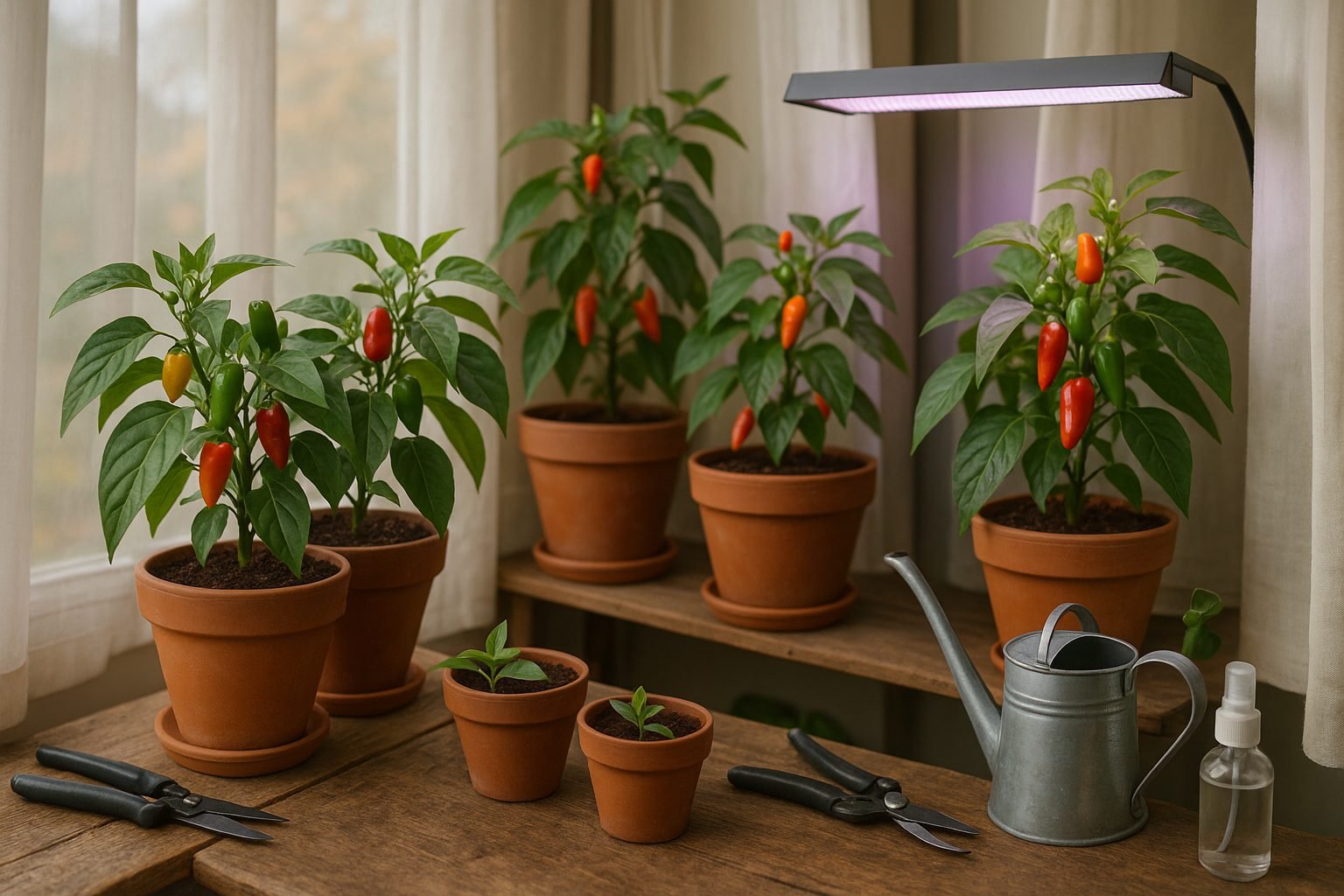
What is Overwintering Pepper Plants?
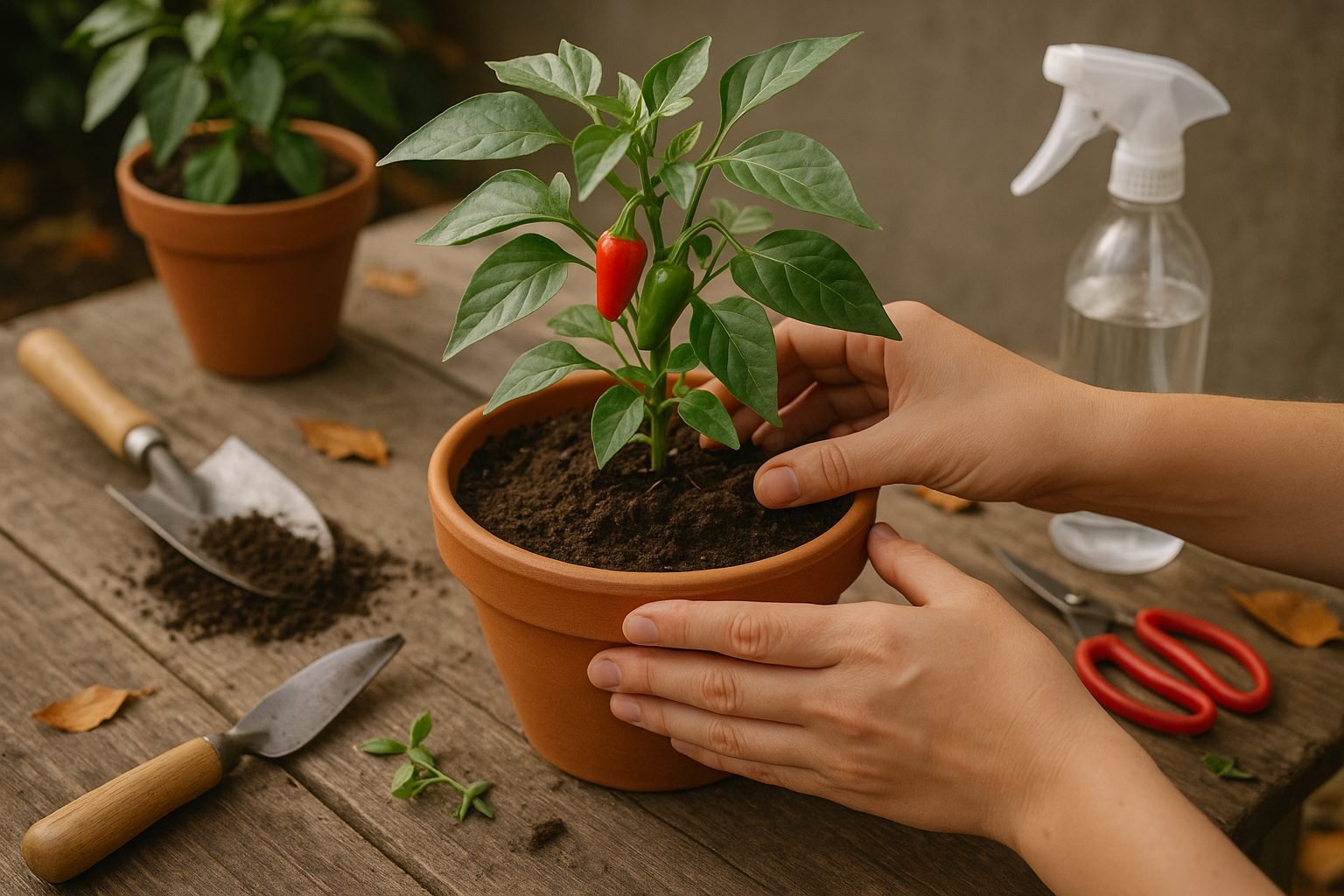
Overwintering hot peppers is a gardening technique that lets you keep your favorite pepper plants alive indoors through the cold months, instead of starting new ones from seed every spring. In simple terms, “overwintering” means giving your pepper plants a protected pause during winter so they can spring back to life when warm weather returns.
Rather than treating peppers as annuals that die each year, many gardeners now choose to carry their plants over. This means carefully digging up healthy, disease-free plants before frost, trimming them back, potting them up, and then moving them indoors—any bright window or grow light spot can be their winter home.
Why bother? First, overwintered pepper plants typically mature faster and produce earlier and heavier crops than first-year seedlings. This head start is especially valuable for slow-growing varieties, like most hot peppers, which can take a long time to flower and fruit. Additionally, overwintering preserves your established plants’ genetics, saving any rare, favorite, or especially productive types you grew last season. You also sidestep the hassle of starting seeds, hardening off, and the uncertainty of unpredictable spring weather.
While any pepper can technically be overwintered, ornamental hot peppers, super-hots like habaneros and ghost peppers, and perennial varieties such as chili and cayenne peppers show the biggest benefits. These types often have long growing seasons and high heat needs—making them perfect candidates for bringing indoors.
Gardeners see the best success with compact, vigorous plants that are already thriving in late summer or fall. Overwintering hot peppers isn’t difficult but does require some care and attention, giving your garden a jumpstart and keeping beloved plants producing year after year.
Why Should You Overwinter Peppers?
Overwintering peppers can be a game-changer for gardeners who want to maximize their harvest and preserve unique varieties. By carrying your pepper plants through the winter months, especially in colder climates, you extend their lifespan beyond the standard single growing season. This gives you a head start in the spring, as overwintered peppers often bounce back faster and produce fruit much earlier than newly planted seeds or seedlings.
You might also notice heavier yields since mature root systems are already established. For those who love growing rare or heirloom peppers that aren’t always available each season, overwintering is a practical way to safeguard your favorites—think of it like saving a living archive of your best plants. It means one-of-a-kind flavors or hard-to-find hot pepper varieties don’t disappear with the frost.
Some people believe overwintering is necessary for all peppers or in every region, but that’s not the case. In frost-free climates, peppers behave as tender perennials and can survive outside year-round with minimal protection. On the other hand, in places with harsh winters, bringing peppers indoors (or placing them in a greenhouse or garage) is most beneficial.
Overwintering is especially handy for varieties that take a long time to mature, like certain habaneros or super-hots, so you don’t have to start from scratch each year. However, for common types that thrive quickly from seed and where space or resources are limited, it’s perfectly fine to grow fresh plants each spring.
The choice really comes down to your climate, the types of peppers you grow, and how much effort you want to invest in your garden’s productivity and diversity.
When & How to Start the Overwintering Process
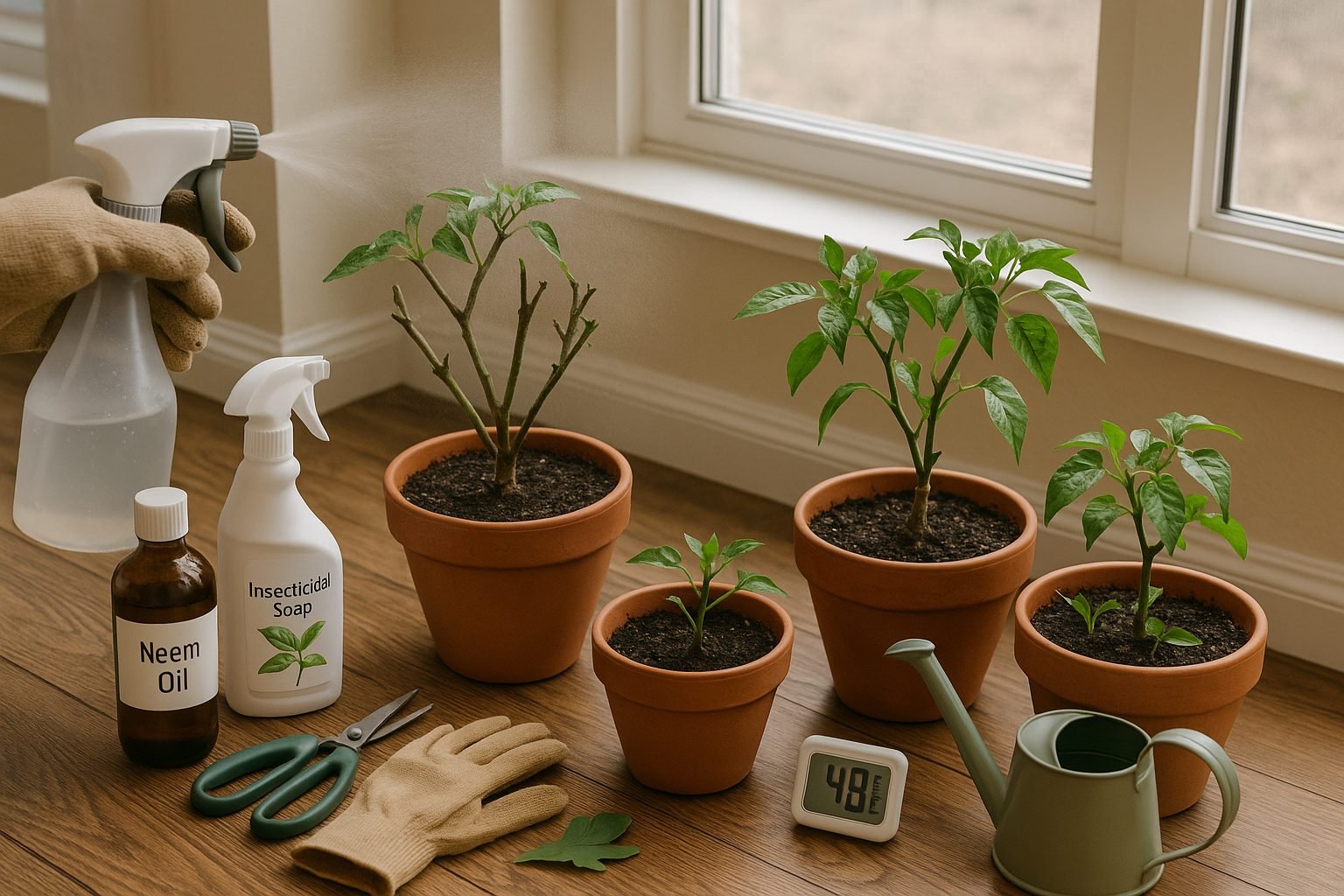
Knowing when to start overwintering your plants is key for their survival through the colder months. Begin the process when nighttime temperatures consistently drop below 50°F (10°C), typically a few weeks before your area’s first expected frost. This timing ensures your plants have a chance to adjust before temperature swings become too harsh.
Start by thoroughly inspecting each plant for pests or diseases—check under leaves and in the soil. Treat any infected plants with neem oil or insecticidal soap to avoid bringing problems indoors. Next, prune away dead or damaged growth to help your plants conserve energy. Consider repotting if you notice roots growing through the drainage holes or significant soil compaction; fresh potting mix can also help remove lurking pests.
Before bringing your plants inside, gently hose them down to dislodge any lingering bugs and inspect pots for hidden hitchhikers. To minimize transplant shock, move your plants indoors gradually over a week. Start by placing them in a sheltered, shaded spot outside during the day and bring them in for a few hours each night, gradually extending the time spent indoors each day.
Once inside, select a spot with plenty of indirect sunlight and away from heating vents or drafts, as sudden changes in temperature and humidity can stress the plants. Water less frequently than during the growing season since most plants enter a dormant phase and need less moisture—overwatering is a common mistake that can lead to root rot.
If you notice dropping leaves or slowed growth, don’t worry; this is a normal response to lower light and temperature. With careful timing and gradual acclimatization, your plants will be well-prepared to thrive again once spring returns.
Caring for Overwintering Peppers Indoors
When overwintering peppers indoors, providing the right environment is crucial for keeping your plants healthy until spring. Peppers need plenty of bright light; placing them in a south-facing window can work if you get at least 6-8 hours of sunlight a day, but short winter days often make this tough.
If natural light is limited, invest in an affordable LED grow light or fluorescent bulbs kept a few inches above the tops of the plants. Consistent watering is another key—let the top inch of soil dry out, then water thoroughly, taking care not to leave the roots soggy, which can lead to rot.
Peppers prefer temperatures between 60°F and 75°F, so keep them away from drafty windows or hot radiators that can cause drastic temperature swings. Low indoor humidity in winter can stress peppers, so try misting the leaves every few days or set the pot on a tray filled with water and pebbles to boost ambient moisture without wetting the roots.
Watch closely for signs of stress like dropping leaves, pale foliage, or wilted stems. A little leaf drop is normal as they adjust, but heavy loss often points to not enough light, overwatering, or cold drafts. If you notice these symptoms, tweak the light setup, water routines, or move the plant to a more stable spot.
Steady care and a bit of troubleshooting will help your pepper plants survive the winter and bounce back strong for next year’s growing season.
Dealing with Indoor Pests Over Winter
When you bring pepper plants indoors for the winter, unwelcome pests like aphids, spider mites, and whiteflies often hitch a ride too. These tiny nuisances thrive in the warm, sheltered indoor conditions and can quickly multiply if left unchecked. If you notice sticky residue, yellowing leaves, or fine webbing, these are telltale signs pests have settled in.
To manage them naturally, start by thoroughly inspecting your plants before moving them inside. Rinse leaves with a gentle stream of water or wipe them with a damp cloth to physically remove bugs.
Once indoors, neem oil or insecticidal soap sprays are safe, effective options—just be sure to follow label directions and test on a small area first to avoid leaf damage. Introducing beneficial insects like ladybugs is another gentle tactic, though less practical indoors.
Maintain good airflow around plants and avoid overwatering, as damp conditions can encourage pests. Prevent future problems by regularly checking both sides of leaves, isolating new or compromised plants, and cleaning pots and trays before use.
You can also prune away dead or infested foliage to limit pest hiding spots. Setting sticky traps nearby will catch flying insects before they become a major problem. By staying vigilant and using these simple, non-toxic strategies, you can keep your indoor pepper plants healthy and productive all winter long.
Transitioning Peppers Back Outside in Spring
After months indoors, overwintered pepper plants need some real TLC before heading back outside. Jumping straight from a cozy windowsill to unpredictable spring weather can shock your peppers—leading to sunburned leaves or even stalled growth.
To avoid this, start the hardening-off process about two weeks before you plan to replant. Begin by placing your peppers in a shaded, wind-protected spot outdoors for just an hour or two each day, gradually increasing their time outside and slowly introducing more sunlight and breeziness over 10 to 14 days. This method helps them adjust to ultraviolet light and temperature swings without stress.
During cool nights (anything below 50°F), bring the peppers back inside to protect them from chills.
Preparing Your Garden Bed
Choose a spot with well-drained, fertile soil and full sun. Amend the soil with compost or aged manure for a nutrient boost, and make sure the ground isn’t waterlogged after spring rains.
When nighttime temps consistently stay above 55°F, your peppers are ready to move.
Dig holes deep enough for each plant’s root ball and water thoroughly before planting. Mulching around the stems can help moderate soil temperature and retain moisture as the weather heats up.
By taking the time to acclimate and prep properly, you’ll set your peppers up for a season of vigorous growth and heavy harvests.
Troubleshooting & Frequently Asked Questions
Even with the best care, overwintering peppers can be tricky, and gardeners often face issues like leaf drop, plant death, or stubborn pests. If your plant is looking wilted or losing too many leaves, don’t panic—this is normal as peppers adjust to life indoors with less sunlight.
Aim to place your plants near a south-facing window or use grow lights to supplement daylight, and reduce watering to prevent root rot, since plants use less water while dormant.
If your pepper doesn’t flower or set fruit right after being brought back outside, give it time; peppers need to rebuild their energy after winter. Be patient and resume normal feeding and sunlight exposure in spring.
Pesky aphids or spider mites may hitch a ride indoors—look under leaves and use a gentle insecticidal soap or rinse the foliage with lukewarm water weekly.
Common Questions
- Can all peppers be overwintered? Yes—though some varieties like habaneros and jalapeños bounce back better than others.
- Do I need to prune? A light trim when bringing plants inside helps, but avoid cutting too much off, as mature branches support regrowth later.
- What if my plant looks dead? Even seemingly lifeless peppers can surprise you with new shoots in spring, so don’t give up too soon.
Tips for Beginners
Keep notes on what works—jot down your pest control, light, and watering routines to refine your process year by year. Resources like the Pepper Geek blog and university extension sites offer trusted advice and troubleshooting forums.
Most importantly, remember that every gardener has a learning curve; even experienced growers lose a plant now and then. With a bit of patience, some trial and error, and good resources, you’ll build confidence and boost your success with overwintering peppers each season.