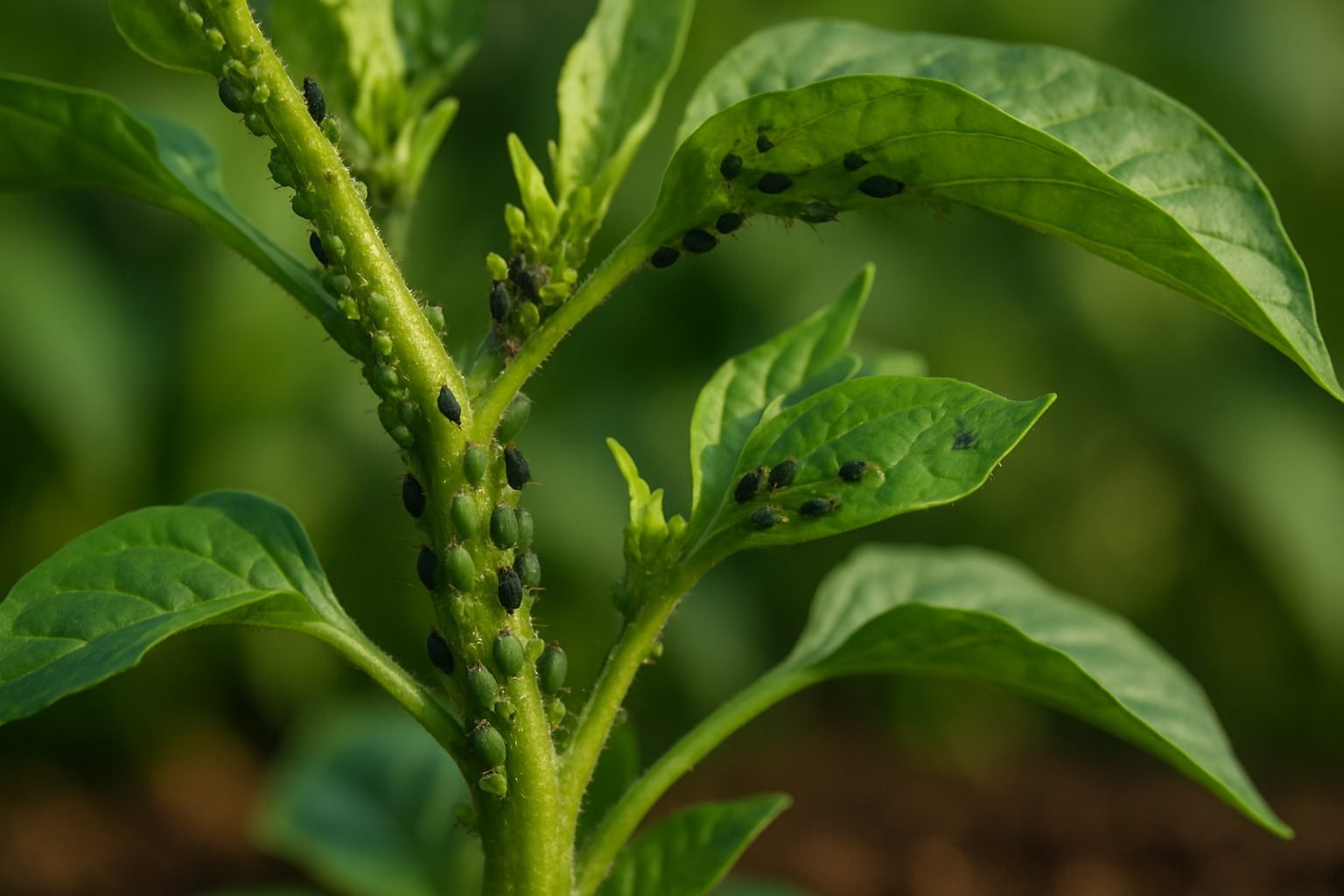
What Are Aphids and Why Do They Target Pepper Plants?
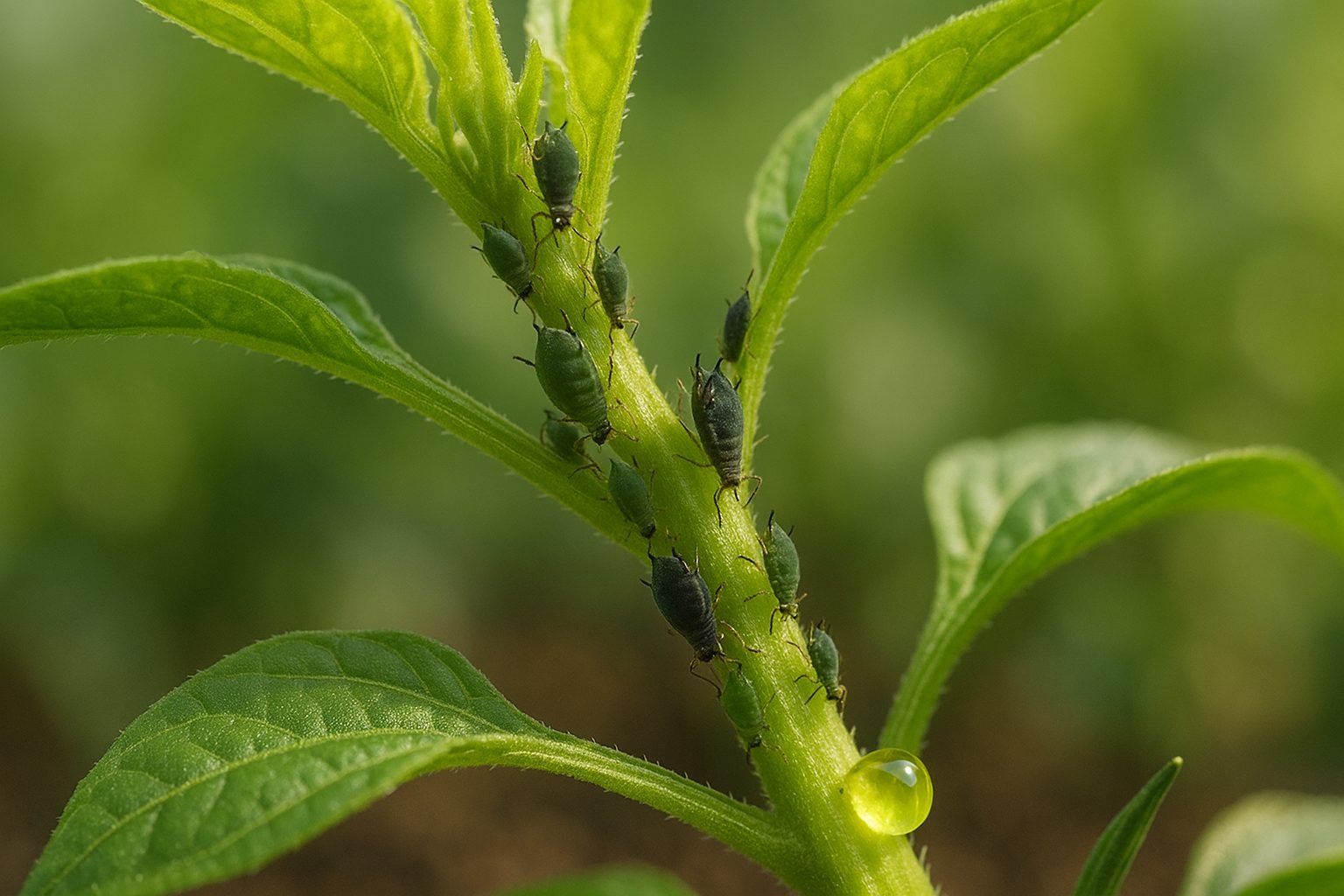
If you’ve spotted tiny green, yellow, or black bugs clustering on your pepper plants, you’re probably dealing with aphids on hot peppers. These common garden pests are easy to miss at first—aphids are usually less than an eighth of an inch long, soft-bodied, and pear-shaped. They reproduce quickly, sometimes giving birth to live young without mating, which makes their population capable of exploding in no time. Young aphids mature in about a week, and under the right conditions, a full-blown infestation can happen almost overnight.
Aphids are particularly drawn to hot pepper plants because these plants offer tender, juicy new growth—their favorite food source. Pepper plants often have thinner leaves and soft stems, providing easy access for aphids’ needle-like mouths to pierce the plant tissue and suck out sap. The sweet sap not only feeds aphids but also causes them to excrete “honeydew,” a sticky substance that attracts ants and promotes sooty mold growth. Another reason aphids flock to peppers is the plant’s lush environment and sheltered leaf undersides, where colonies can thrive undisturbed.
For pepper growers, aphids pose a big headache. Beyond weakening plants by draining their juices, aphids can stunt growth, distort leaves, and reduce fruit production. They also spread plant viruses rapidly, compounding the damage. Left unchecked, aphids on hot peppers can make the difference between a healthy harvest and a disappointing yield. That’s why understanding how aphids live—and why they target peppers—is the first step toward taking control naturally.
Signs of Aphid Infestation on Pepper Plants
Spotting an aphid infestation on your pepper plants early can save you a lot of trouble. The first signs are often curling or distorted leaves; aphids suck sap from tender areas, causing new growth to look shriveled or twisted. Check the undersides of leaves and around emerging buds—aphids love to hide there where they’re protected and can easily feed.
Another giveaway is a sticky residue known as honeydew, which may leave your plant looking shiny or attract ants. If left unchecked, honeydew can foster the growth of sooty mold—a black, powdery fungus that can further weaken your plant and block sunlight.
You might also notice yellowing leaves or slowed, stunted growth; these are red flags for plant stress as aphids drain vital nutrients and introduce toxins. If you spot clusters of tiny green, black, or gray bugs when you inspect beneath the leaves, you’re likely dealing with aphids.
Regular, close-up inspection is key—use a magnifying glass if needed—and be sure to check neighboring plants, as infestations can spread fast. Early detection makes it much easier to manage aphids before your pepper plants suffer serious damage.
The Damage Aphids Cause to Pepper Plants
Aphids can wreak havoc on pepper plants both directly and indirectly. As these tiny insects feed, they insert their slender mouthparts into the plants and suck out the sap, weakening the plant and causing leaves to curl, pucker, or become misshapen.
This leaf distortion doesn’t just look unsightly—deformed leaves are less efficient at photosynthesis, meaning your peppers receive less energy for growth and fruit production.
The situation often gets worse because aphids excrete a sticky honeydew that attracts ants, leading to further stress and sometimes protecting aphid colonies from their natural predators. The honeydew also encourages the growth of sooty mold, which forms a black, powdery coating over leaves and fruit surfaces. This blocks sunlight and interferes with healthy plant development.
Beyond these issues, aphids are notorious for transmitting plant viruses as they move from one plant to another. Viral infections may stunt plants, discolor leaves, or result in misshapen, tasteless fruit, severely compromising both yield and quality.
Even a seemingly small aphid infestation can quickly escalate, leading to sparse harvests or fruits with blemishes, spots, or smaller size than usual.
For gardeners, regular inspection of leaves—especially the undersides—and prompt action at the first sign of aphids are crucial in protecting pepper plants from both the direct and secondary losses these pests can cause.
Natural and Organic Aphid Control Methods
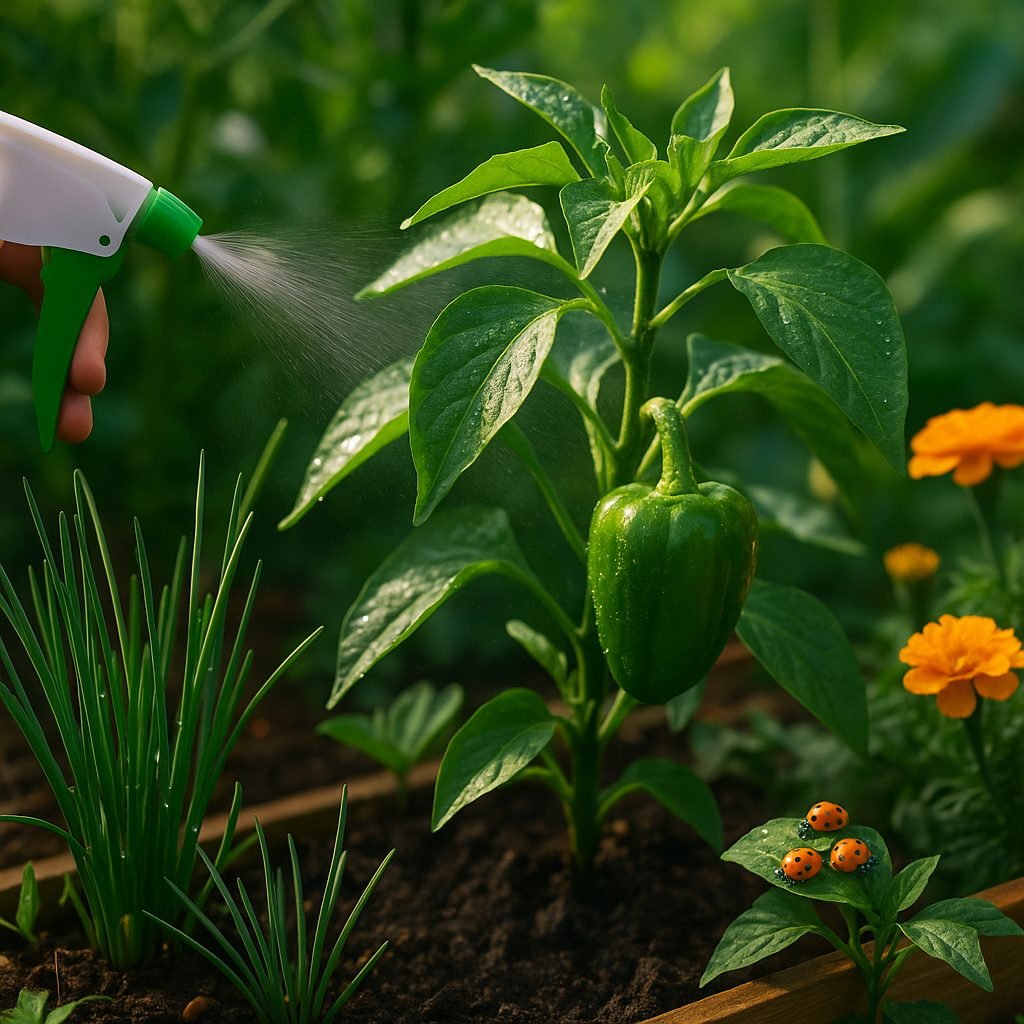
Controlling aphids naturally and organically is simple with a few hands-on techniques. Start by blasting affected plants with a strong jet of water—this knocks aphids off stems and leaves without harming your plants. Hand-picking is another effective method for small infestations; just crush or wipe the aphids off with your fingers or a soft cloth.
For a longer-lasting solution, encourage natural predators like ladybugs and lacewings in your garden—these beneficial insects love to feast on aphids and can dramatically reduce their numbers. You can even buy ladybugs online or at garden centers to release among your plants.
Companion planting is another powerful tool; try growing strong-scented herbs such as chives, garlic, or mint near vulnerable crops to repel aphids. Flowers like marigolds and nasturtiums also deter aphid invasions.
Homemade sprays are easy and safe: mix a few drops of mild dish soap with water to create an insecticidal soap spray, and apply it directly to the affected areas. Make sure to cover the undersides of leaves where aphids often hide, and always test your spray on a small area first to avoid plant damage.
These natural methods not only protect your plants but are also gentle on the environment, pets, and people—helping you keep your garden healthy without harsh chemicals.
Chemical and Store-Bought Treatments: Pros and Cons
Chemical insecticides and store-bought pest treatments can be powerful tools for gardeners facing sudden or severe infestations. These products, available in most garden centers, are designed for fast, broad-spectrum action—meaning they quickly knock down a wide variety of pests. This speed and efficiency make them ideal in emergencies, such as when aphids overwhelm your roses or caterpillars rapidly destroy vegetable leaves.
However, their downsides are significant: chemical sprays often do not discriminate between pests and beneficial insects like bees and ladybugs, which can disrupt your garden’s natural balance. There’s also the risk of toxic exposure to people and pets, especially if products are not applied carefully.
For edible crops, always choose insecticides labeled as safe for food gardens and strictly follow the recommended waiting period before harvesting—this information is usually highlighted on product labels. It’s also essential to check local regulations regarding pesticide use, as many areas have restrictions to protect pollinators and waterways.
When using these chemicals, follow these precautions:
- Apply them early in the morning or late evening to avoid harming active pollinators.
- Wear gloves and protective clothing.
- Never spray on windy days to minimize drift.
Remember, chemical control should be a last resort. Integrated pest management—using physical barriers or encouraging predator insects—offers safer, eco-friendly protection for long-term garden health.
Prevention Tips to Keep Aphids Away from Pepper Plants
Keeping aphids off your pepper plants starts with regular monitoring—take a close look at the undersides of leaves every few days, especially in warm weather, to catch infestations early before they spread. If you spot a few aphids, rinse them off with a strong spray of water, or gently wipe the leaves with a damp cloth.
Healthy, vigorous plants are less prone to pest problems, so make sure your peppers are watered consistently. Let the top inch of soil dry out between waterings, and avoid soggy conditions. Balanced fertilization is also key—over-fertilizing can make plants lush and attractive to aphids, so stick with slow-release or organic fertilizers as directed.
Planting companion herbs like basil, dill, or marigold nearby can confuse and repel aphids while attracting beneficial insects like ladybugs that feast on them. For extra protection, try using fine mesh row covers early in the season to block aphids from reaching your plants, especially if you’ve had issues in previous years.
Catching aphids early and keeping your garden healthy goes a long way in preventing a major problem.
When to Seek Help: Severe Infestations and Resistant Aphids
Sometimes, aphid infestations can spiral out of control despite your best efforts with sprays, soaps, or natural predators. You might notice every stem and leaf teeming with aphids, leaves becoming sticky with honeydew, stunted plant growth, or sooty mold spreading across your garden.
If you’ve tried multiple treatments but the pests keep coming back—or if your usual solutions seem oddly ineffective—you may be facing a population of resistant aphids. Resistance can develop quickly when the same insecticide or method is used repeatedly, so it’s important to rotate between different control strategies, such as introducing beneficial insects, using horticultural oils, and switching up approved insecticides as needed.
When home efforts aren’t enough, don’t hesitate to call your local cooperative extension service or a professional pest control provider. These experts can accurately assess the severity, confirm resistance issues, and suggest integrated management approaches tailored to your situation. Acting quickly—before the infestation becomes overwhelming—helps protect your plants, saves time, and safeguards your garden’s long-term health.