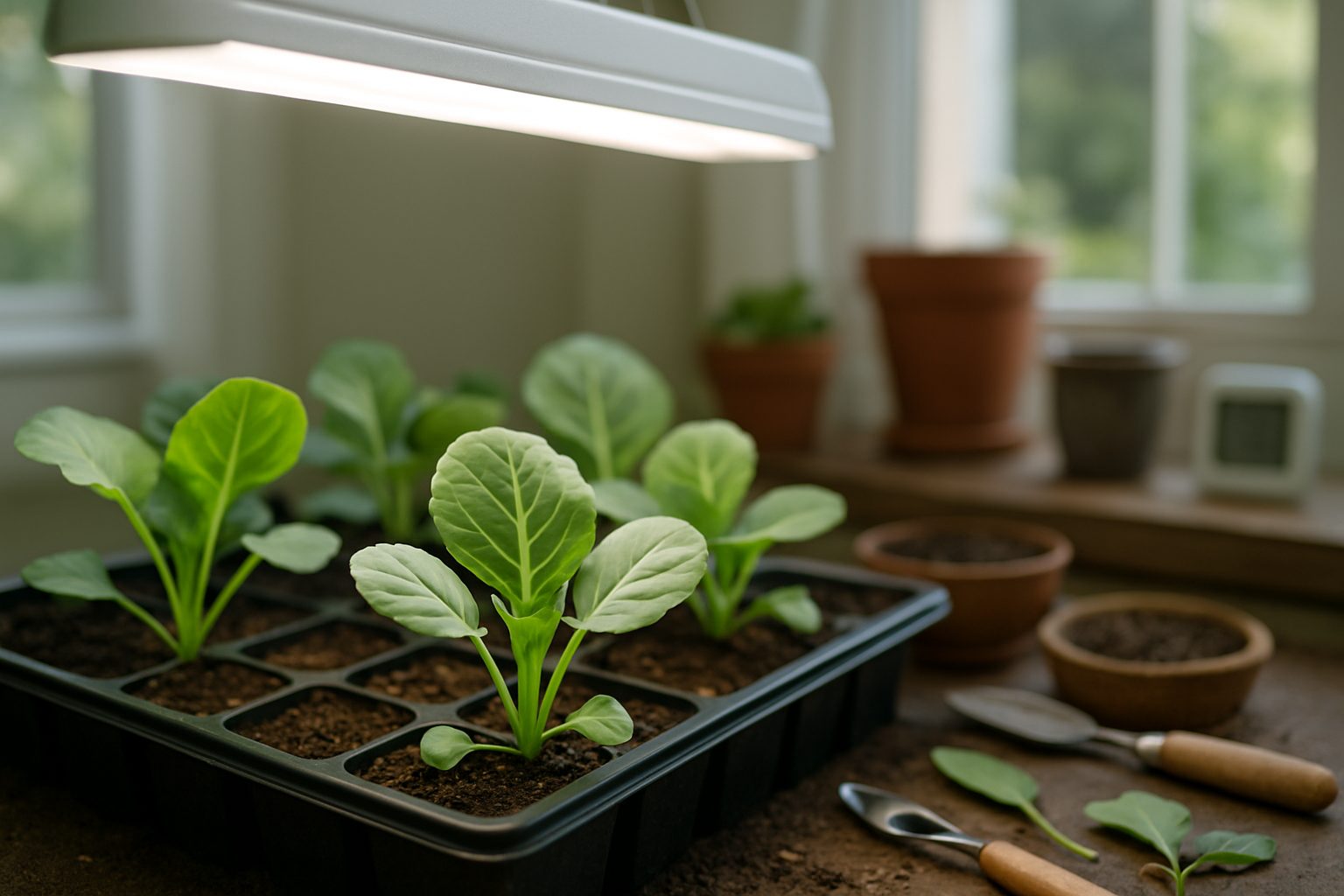
What Are Leggy Seedlings and Why It’s a Problem?
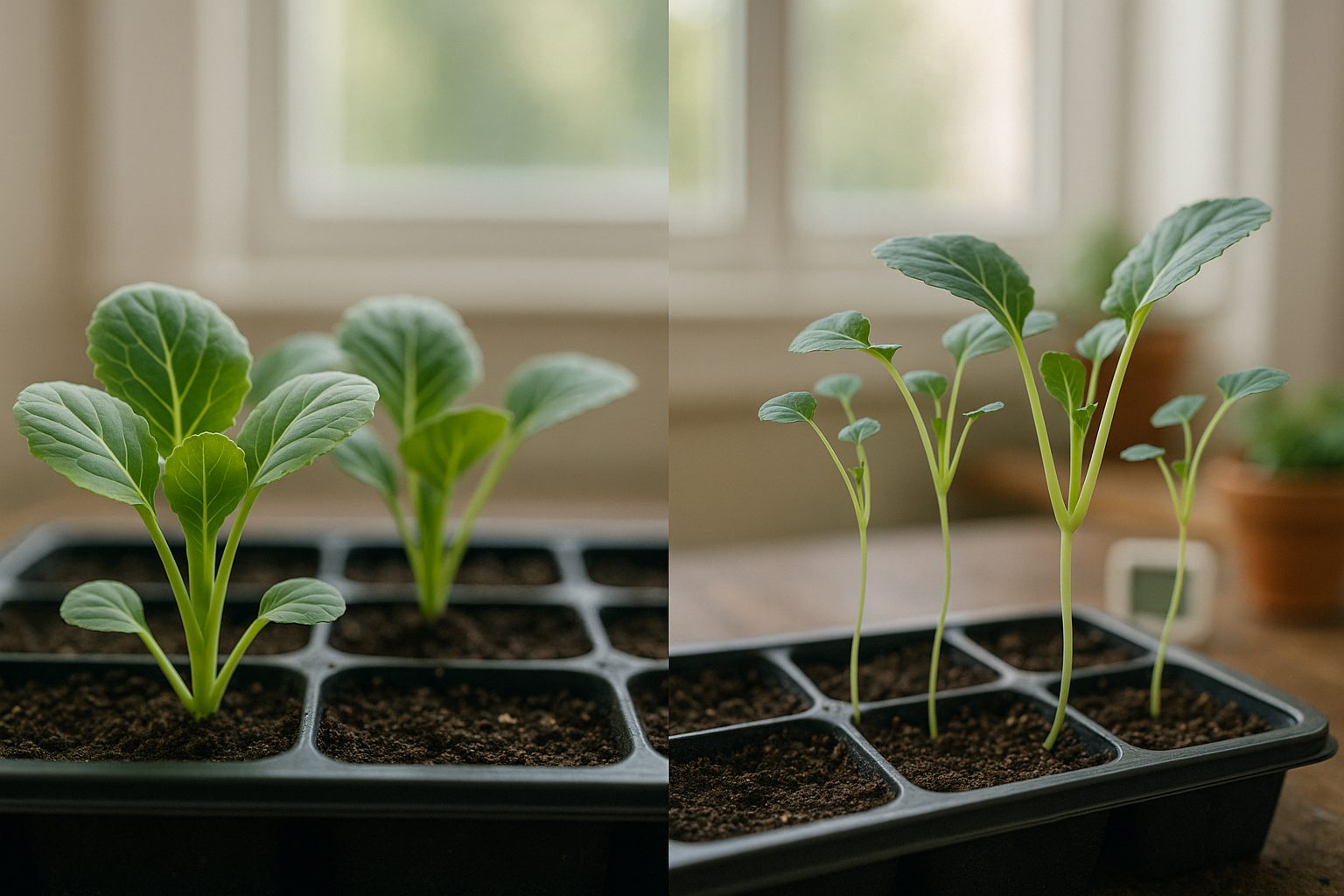
If you’ve noticed leggy cabbage seedlings popping up in your trays, you’re not alone. Leggy seedlings are young plants that have grown unusually tall, thin, and weak, often due to inadequate light or overcrowding. This condition is easy to spot: instead of stocky, upright stems, you’ll see cabbage seedlings that are spindly, stretched out, and sometimes even leaning or falling over their pots. The leaves tend to be smaller and spaced far apart on the stem. This early growth problem might seem minor, but it can spell trouble for your cabbage crop down the road.
Why is Legginess Such a Big Deal?
When cabbage seedlings grow tall and spindly, their stems become weak and brittle. This makes them far more likely to snap or collapse during transplanting or even before. Plus, leggy seedlings struggle to produce strong roots, which are essential for taking up nutrients and water from the soil. As a result, these fragile young plants are less resilient to weather stress, pests, and diseases once they’re planted outside.
Leggy cabbage seedlings also tend to yield smaller, less robust heads at harvest. They are often outcompeted by sturdier plants and may never reach their full growth potential. For example, a cabbage plant that started life with a thick, short stem can anchor itself deeply and focus energy on creating large, tight leaves. In contrast, a leggy seedling spends energy just trying to stay upright, putting it at a disadvantage right from the start.
How to Spot Leggy Seedlings
Look for these signs:
- Tall, thin stems lighter in color than they should be
- Leaves that are far apart rather than clustered
- Growth that seems to be reaching or leaning toward the nearest light source
Catching legginess early gives you the best chance to correct the problem and set your cabbages up for a healthy, productive season.
Common Causes of Leggy Seedlings
Leggy seedlings are a common frustration for gardeners, and the main culprit is usually inadequate light. When seedlings don’t get enough light—or the light comes from the side instead of overhead—they instinctively stretch toward the source, becoming tall, thin, and weak. This stretching happens because of phototropism, a natural process where plants grow toward light to maximize photosynthesis.
Insufficient light intensity, the use of low-wattage bulbs, or placing seedlings too far from a window or lamp can all trigger this spindly growth. But poor lighting isn’t the only factor at play. Overwatering can cause seedlings to focus on top growth at the expense of sturdy stems, while inconsistent watering stresses young plants and makes them more vulnerable to leggy development. Temperature also plays a role: overly warm conditions, especially at night, speed up stem growth before leaves and roots have time to develop properly.
Additionally, sowing seeds too close together leads to crowded seedlings that compete for limited space and light, prompting them to race upward in search of an edge.
To avoid these problems:
- Place seedlings in a spot with bright, direct light—ideally under grow lights about 2–3 inches above the plants.
- Rotate trays daily if using a sunny window to ensure even exposure.
- Water just enough to keep soil moist, not soggy.
- Thin out crowded seedlings early on so each plant has space to spread.
By understanding how light direction, intensity, temperature, and spacing interact with plant biology, you’ll be better equipped to grow strong, healthy seedlings right from the start.
How to Rescue Leggy Seedlings
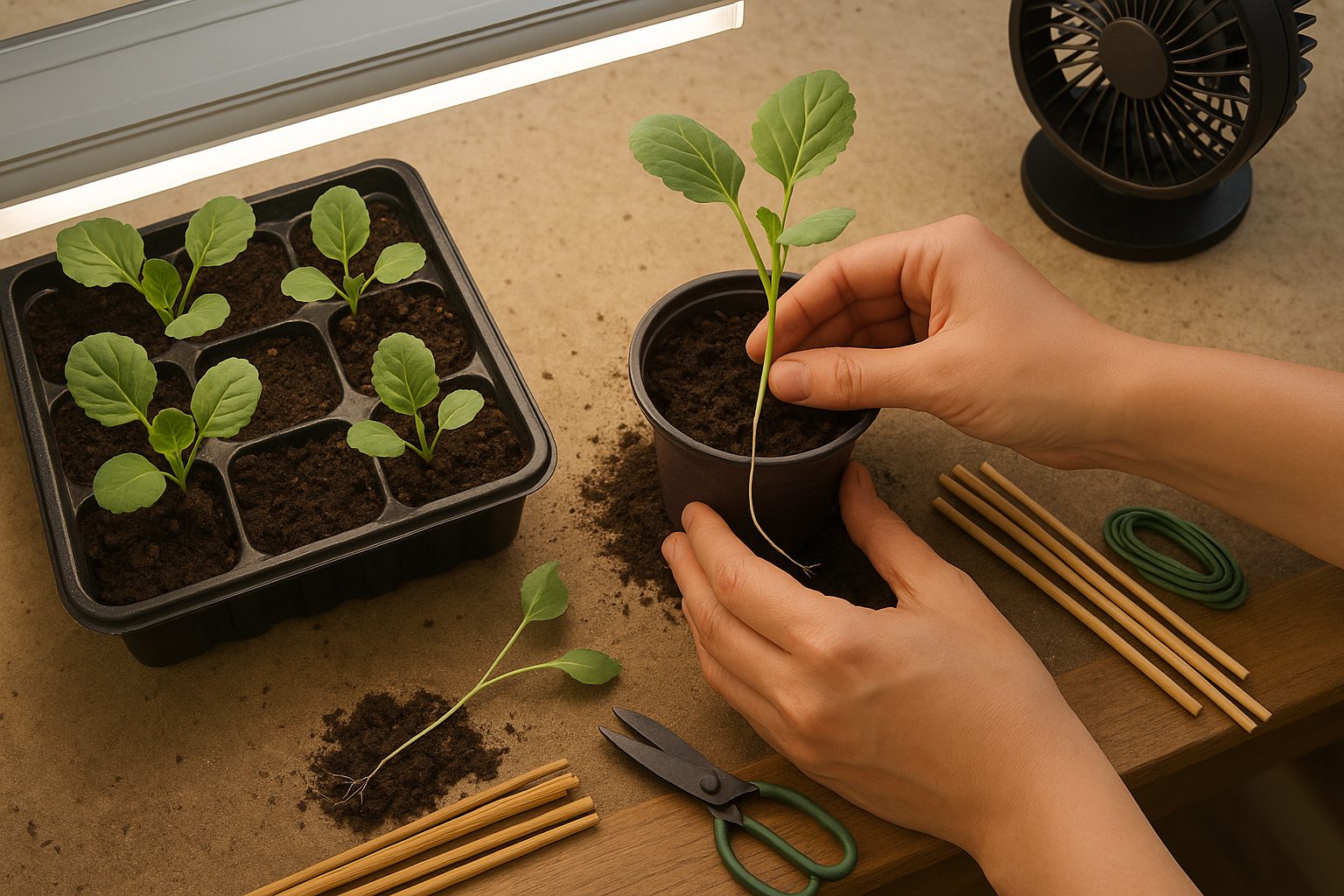
If you notice your seedlings growing tall, thin, and floppy—often called “leggy”—don’t worry. There are practical steps you can take to rescue them.
Start by gently transplanting each seedling into a deeper container or cell; carefully bury the stem up to the first set of leaves. This encourages new root growth and adds stability.
Next, give your seedlings the best possible lighting. Move them to the sunniest spot you have, ideally a south-facing window, or set up a grow light just a few inches above the tops of the plants to prevent stretching. Leave the light on for 12–16 hours daily, adjusting as they grow.
Enhancing airflow is another simple way to build stronger stems. Set up a small fan aimed near (not directly at) your seedlings for an hour or two each day—this gentle movement mimics outdoor breezes and encourages sturdier growth.
For very weak, top-heavy seedlings, insert a toothpick or bamboo skewer next to the stem and loosely tie the plant with soft string or twist ties for support.
Not all leggy seedlings are worth saving, though. If your plants are so spindly they collapse, have yellowing leaves, or stop growing altogether, consider reseeding and adjusting light from day one to give the new batch a stronger start.
By responding quickly and making these small changes, you can often salvage leggy seedlings and help them grow into healthy, productive plants.
Lighting Solutions for Indoor Seed Starting
When it comes to starting seeds indoors, choosing the right lighting is key to growing strong, healthy seedlings. Natural sunlight works well if you have a south-facing window, but cloudy days and short winter hours can limit its effectiveness. That’s why many gardeners opt for grow lights.
Fluorescent lights, such as T5 tubes or basic shop lights, are affordable options for beginners and provide a balanced spectrum suitable for most seedlings. LEDs cost a bit more upfront but last longer, use less energy, and many models are specifically designed for plant growth, making them a great investment for frequent growers.
Whichever option you choose, proper placement is crucial: lights should be positioned 2-4 inches above the seedlings to prevent them from becoming leggy and weak. Adjusting the fixtures as the plants grow is also helpful. Keep the lights on for 14-16 hours a day, mimicking the long daylight hours of spring, but be sure to give seedlings a nightly rest period by turning the lights off.
For even lighting, make sure the entire tray receives light—using reflective panels or white poster boards alongside your setup can bounce light back toward the seedlings, ensuring uniform growth.
For an easy, low-cost setup, try suspending a simple shop light fixture over a shelf lined with seed trays. Adding a plug-in timer to automate the light schedule saves both time and hassle. With a thoughtful lighting setup, you’ll see sturdier, happier seedlings ready for transplanting when the time comes.
Tips to Prevent Legginess from the Start
The best way to prevent leggy seedlings is to focus on their needs right from the beginning. Start by making sure your seedlings get plenty of bright, direct light—ideally from a south-facing window or a high-quality grow light positioned just a few inches above the plants. Lack of light is the most common cause of legginess, so don’t rely on a dim windowsill.
Next, pay attention to spacing: overcrowded seedlings compete for resources, leading to weak, stretched stems. Always thin seedlings according to packet instructions, or start with fresh pots or plugs for each one.
Temperature also plays a key role—keep your seedlings in a spot that’s warm but not hot, generally 65–70°F during the day and a bit cooler at night. Too much heat, especially combined with insufficient light, can cause rapid, spindly growth.
Regularly check your seedlings for early signs of stretching, and adjust lighting, temperature, or spacing immediately. If you spot any issues, act fast by moving seedlings closer to light sources or separating crowded plants.
Don’t overlook seed variety—some plants are naturally more prone to stretching than others. Choose sturdy, compact varieties whenever possible, especially if your setup isn’t ideal.
Finally, healthy soil is your foundation: use a fresh, sterile seed-starting mix to ensure seedlings get balanced nutrients and have good drainage.
By staying proactive and observant from day one, you’ll lay the groundwork for strong, healthy plants and save yourself the disappointment of floppy, weak seedlings later on.
Quick Reference Checklist for Healthy Seedlings
Lighting: Place seedlings under grow lights for 14-16 hours daily, keeping the lights 2-4 inches above the leaves. Rotate trays if using a sunny window to ensure even growth.
Watering: Check soil daily; keep it consistently moist but not soggy. Use a spray bottle for gentle, even watering. Avoid letting seedlings dry out or sit in standing water.
Temperature: Maintain a room temperature of 65-75°F. Use heat mats for warmth-loving plants or if your space is chilly. Remove mats once seeds have sprouted to prevent overheating.
Spacing: Thin seedlings once they have two sets of true leaves, leaving enough room for air circulation and knot-free stems. Use scissors to snip extra seedlings at the soil line instead of pulling them up.
Legginess: Watch for pale, stretched stems — this means seedlings need more light or are crowding each other.
Other Issues: Check daily for yellow leaves (which may signal overwatering or nutrient deficiency), mold or fuzzy growth (reduce moisture or increase airflow), and drooping (caused by either under- or overwatering).
Daily Check
- Lights on/off ✔
- Soil moisture ✔
- Temperature ✔
- Spacing ✔
- Signs of legginess ✔
- Mold or yellowing ✔
Tip: Keep this checklist near your seed-starting station and quickly scan it each morning for healthy, resilient seedlings.