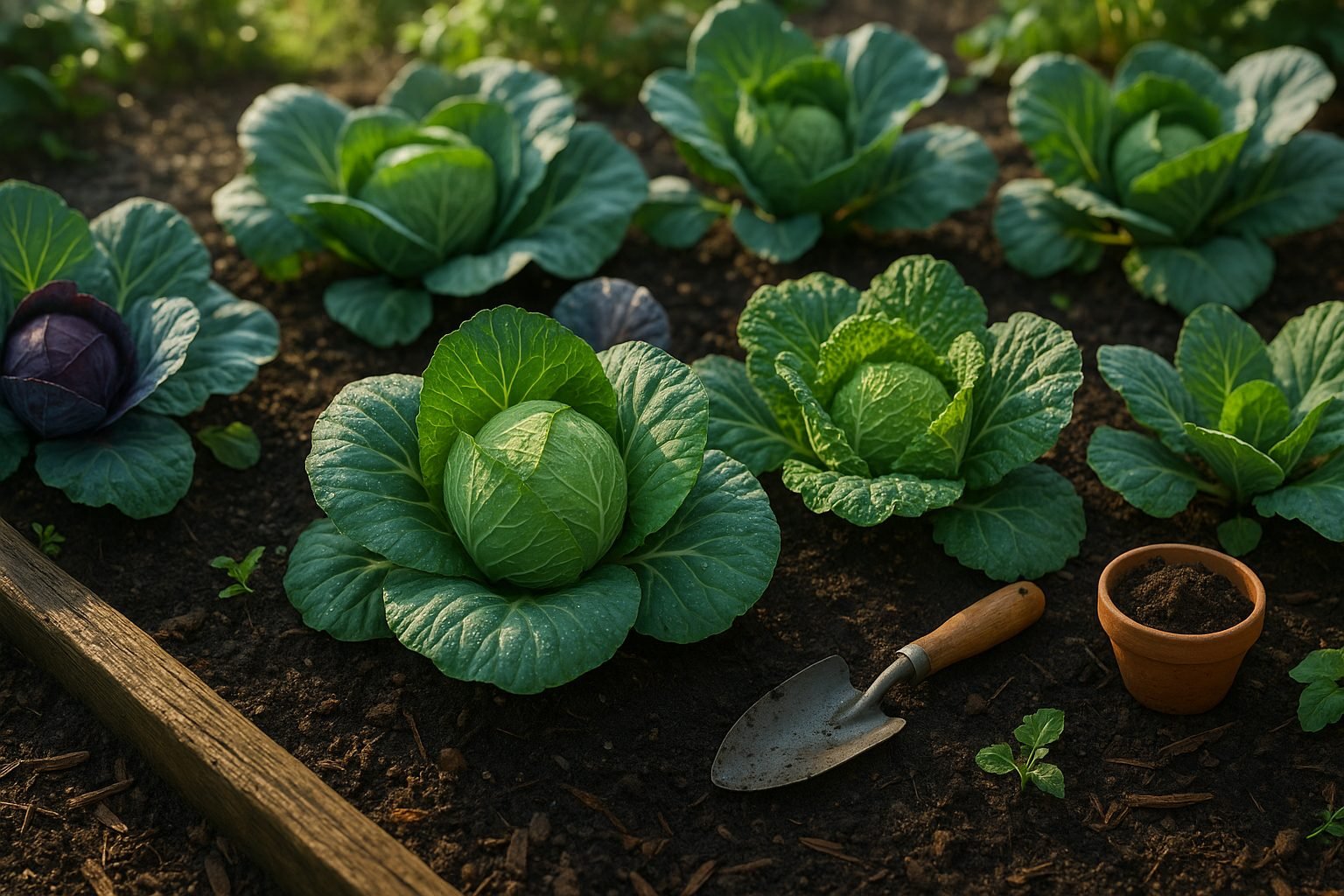
Why Grow Your Own Cabbage?
Learning how to grow cabbage at home can be a rewarding journey for anyone looking to boost their kitchen staples with something fresh, healthy, and incredibly versatile. Cabbage isn’t just a humble leafy vegetable—it’s a powerhouse of nutrition, packed with vitamin C, fiber, and antioxidants, making it the perfect choice for home gardeners who care about what goes on their plates.
When you grow your own cabbage, you get to control every step, from soil selection to harvest, ensuring pesticide-free produce and richer flavors. It’s surprisingly economical, too: from just a few seeds, you can yield several heads of cabbage, often at a fraction of grocery store prices. Plus, there’s no risk of limp, week-old specimens lurking forgotten in your crisper drawer.
Homegrown cabbage also opens the door to endless culinary creativity, whether you’re whipping up comforting soups, crunchy slaws, stir-fries, or even homemade sauerkraut—there’s a recipe for every palate and season.
Environmental Benefits
Beyond the table, growing cabbage at home has real environmental perks. Store-bought produce is often swaddled in plastic and shipped over long distances, racking up carbon emissions and excess packaging waste. When you pick cabbage from your own garden, your environmental footprint shrinks dramatically, making your meals more sustainable with every leaf.
Personal Satisfaction
Perhaps the most underrated benefit is the personal satisfaction and sense of connection gardening brings. Tending to cabbage plants—from the first tender sprout to a robust, harvest-ready head—fosters patience, mindfulness, and a genuine appreciation for where your food comes from. For many gardeners, there’s a special pride in serving up a dish and being able to say, “I grew this myself.”
So, whether you’re after tastier meals, a lighter grocery bill, or a greener planet, growing your own cabbage offers a bounty of rewards that go well beyond the garden.
Choosing the Right Cabbage Variety
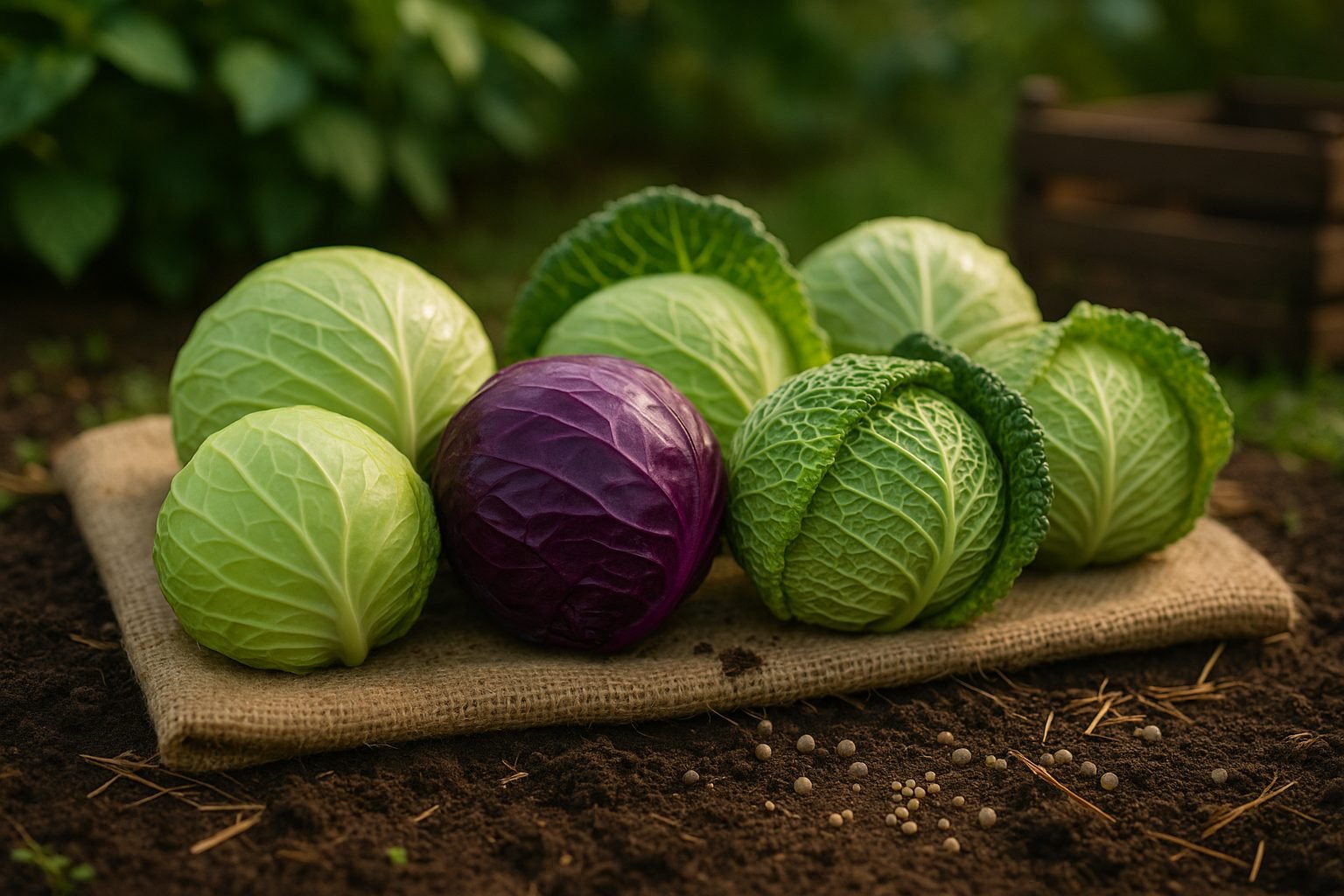
Picking the right cabbage variety for your kitchen and garden starts with understanding the strengths of each type. Classic green cabbage is crisp, mild, and versatile—great for everything from crunchy coleslaw to rolled cabbage leaves or classic sauerkraut.
Red cabbage, while similar in shape, adds vibrant color and a subtle sweetness to salads and pickled dishes; it’s also high in antioxidants. Savoy cabbage, with its frilly, crinkled leaves, is more tender and milder than green types, making it a top choice for raw salads and stir-fries.
If disease resistance is a priority or you garden in humid climates, look for hybrid varieties such as Cheers or Farao, which stand up well to common issues like black rot and splitting. For those in cooler climates, heirloom varieties like January King are prized for their winter hardiness and flavor.
Urban gardeners and those short on space should consider compact cultivars like Caraflex or Golden Acre; both perform well in containers or raised beds, offering full-sized flavor in a small package. Specialty cabbages, such as Red Express (early and suitable for containers) or Mammoth Red Rock (for true heirloom appeal), can also add excitement and diversity.
When buying seeds or seedlings, choose reputable suppliers—your local nursery or trusted online retailers like Johnny’s Selected Seeds or Baker Creek Heirloom Seeds are great starting points. Check that seeds are fresh (look for the current year’s date), and opt for organic or untreated seeds if you’re aiming for a natural, chemical-free harvest.
By matching the right cabbage variety to your taste, growing space, and local climate, you’ll set yourself up for a delicious and rewarding harvest.
Planting Cabbage – When, Where, and How
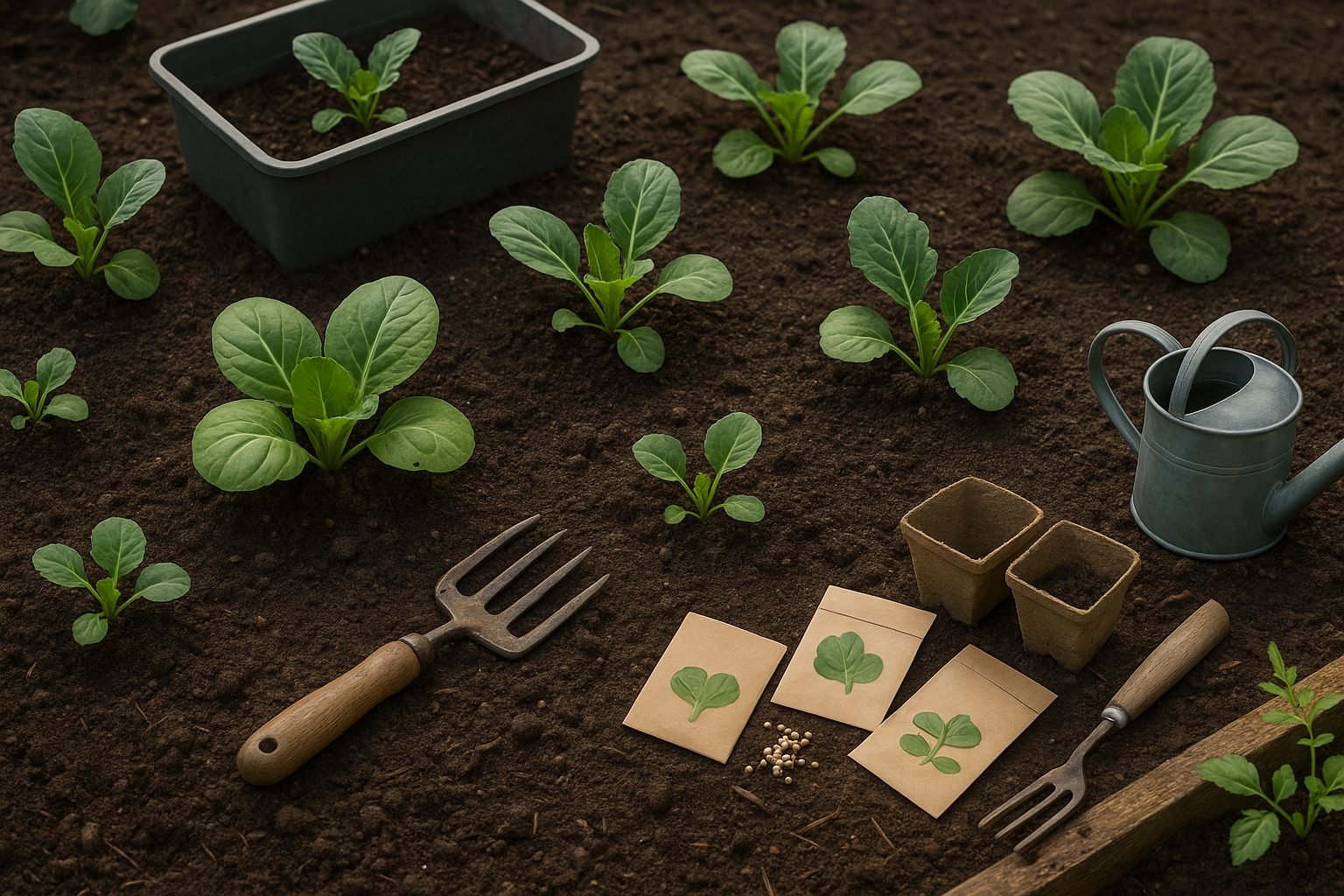
Cabbage is a cool-season crop that thrives when you get the timing right. Plan to start seeds indoors about 6 to 8 weeks before your last expected spring frost, so transplants are ready for the garden when the soil warms to at least 45°F (7°C). For a fall harvest, you can direct sow seeds outdoors in midsummer, about 8 to 12 weeks before the first autumn frost, or start transplants indoors and move them outside once the hottest days have passed.
Choosing the Right Site
Choose a site with full sun (at least 6 hours daily) and well-draining, fertile soil. Loamy or sandy soils rich in organic matter are ideal. Rotate your crop each year—avoid planting cabbages or other brassicas like broccoli or kale in the same spot for at least two or three seasons to prevent soil-borne diseases.
Preparing the Soil
Prepare your site by mixing in compost or aged manure about a week before planting. Ensure the soil pH is between 6.5 and 6.8 for optimal growth.
Sowing and Spacing
- Sow seeds a half-inch deep.
- Thin seedlings to about 12 to 18 inches apart for small-headed cabbage, or up to 24 inches for larger varieties.
- Space rows 24 to 36 inches apart to give plants good air circulation.
Transplanting
When transplanting seedlings started indoors, set them at the same depth as they were in their pots. Gently firm the soil around the roots and water well. Mulching can help regulate soil moisture and temperature.
Container Growing and Companion Planting
If gardening space is tight, cabbage does well in raised beds or containers at least 12 inches deep—just be sure they still get ample sun.
To maximize your garden’s yield and ward off pests, plant cabbage near onions, beets, or nasturtiums. Avoid close neighbors like strawberries or pole beans, which can hinder cabbage growth.
With a little planning and good preparation, cabbage can be a reliable and rewarding crop for gardens of any size.
Caring for Your Cabbage Plants
Caring for your cabbage plants is all about consistency and paying close attention to their needs throughout the growing season. Cabbages require regular watering—about 1 to 1.5 inches per week—to keep the soil evenly moist but not soggy. Watering at soil level early in the morning helps prevent fungal diseases.
Laying down a thick layer of organic mulch, like straw or shredded leaves, not only conserves moisture but also regulates soil temperature and suppresses weed growth, saving you time on weeding.
For optimal growth, feed your cabbages every three to four weeks with a balanced organic fertilizer such as compost tea or a nitrogen-rich blend like blood meal or fish emulsion. Avoid over-fertilizing, as it can lead to loose heads.
Keep weeds in check by hand-pulling and replenishing mulch as needed, since cabbages dislike root disturbance and weeds compete for nutrients.
If your plants start to develop heavy heads, gently mound soil around their bases or use stakes for extra support, especially after rainfall.
Watch for Common Issues
Splitting heads often result from rapid moisture changes, so consistent watering and timely harvesting can help prevent this. Bolting happens when plants face sudden heat; choosing bolt-resistant varieties and providing some shade during warm spells helps reduce this risk.
Aphids and cabbage worms can be deterred with regular inspections and by introducing beneficial insects like ladybugs.
Planting Companions
When planning your garden, plant cabbage alongside helpful companions such as dill, onions, and beets—these plants help deter pests and support growth. Avoid planting near strawberries and tomatoes, which can attract harmful insects or compete for nutrients.
With a little care and some proactive measures, you’ll enjoy a thriving cabbage patch that rewards your attention with crisp, healthy heads all season long.
Managing Cabbage Pests and Diseases
Keeping your cabbage healthy starts with knowing what to watch for when it comes to pests and diseases. The most common cabbage pests—cabbage worms (small green caterpillars), aphids (tiny green or gray clusters on leaves), and slugs (slimy trails with chewed holes)—each leave their own telltale signs.
Handpick cabbage worms early in the morning or after rain, and be sure to inspect the undersides of leaves where they like to hide. Floating row covers work as an effective physical barrier against both cabbage worms and aphids, preventing adult insects from laying eggs. To tackle aphid infestations, spray plants with a strong jet of water or introduce natural predators like ladybugs. For slugs, sprinkle diatomaceous earth around plants or set out shallow containers of beer to trap them overnight.
Diseases such as black rot, which shows as yellowing and V-shaped lesions along leaf edges, can devastate your crop if not caught early—prevent this by rotating crops each year and watering at the base to minimize leaf wetness. Clubroot, marked by wilted plants and swollen roots, is best managed by testing your soil’s pH and keeping it above 7.2, as well as promptly removing affected plants to limit spread.
Throughout the growing season, maintain strong, healthy cabbage by spacing plants for good air circulation, feeding them with balanced compost, and weeding consistently—healthy plants are far less likely to succumb to pests or disease. By combining these proactive measures and staying observant, you can keep your cabbage patch productive and mostly pest-free.
Harvesting, Storing, and Using Cabbage
Knowing when your cabbage is ready to harvest is key to enjoying it at its best. Keep an eye on the head—it should feel firm and dense when gently squeezed. If left too long, cabbage heads can split, especially after rain.
To harvest, use a sharp knife to cut the head cleanly at the base, leaving some outer leaves attached to protect it during storage. After cutting, remove any damaged or dirty outer leaves and shake off excess dirt.
If you plan to store cabbage, avoid washing it until you’re ready to use it; extra moisture can encourage spoilage. For short-term storage, place heads in your refrigerator’s crisper drawer, ideally wrapped loosely in a perforated plastic bag—this can keep the cabbage fresh for up to two weeks.
For longer storage, consider a cool basement, root cellar, or outdoor root clamp, where cabbage stays crisp for several months if kept around 0–4°C (32–39°F) with high humidity.
Cabbage is incredibly versatile in the kitchen:
- Shred it into salads or slaws for crunch
- Add it to soups or stir-fries
- Roast wedges for a caramelized treat
- Ferment it into sauerkraut or kimchi—a rewarding way to enjoy cabbage through winter. Just salt and pack shredded cabbage tightly into a jar, weigh it down, and let nature do the work.
Not only is cabbage budget-friendly and easy to grow, it’s also a nutrition powerhouse, rich in vitamin C, vitamin K, fiber, and antioxidants—all great for immune health and digestion. With a little care, your homegrown cabbage can become the star ingredient in meals that are healthy, flavorful, and satisfying.
Troubleshooting Frequently Asked Questions
Beginners often run into a few common issues when first growing lettuce or similar leafy greens, but most are easily fixable with a bit of observation and adjustment.
If you notice poor head development, it could be due to overcrowding—thin your plants so each has enough space to grow, and make sure they get at least six hours of sunlight daily.
Yellowing leaves often signal overwatering or nutrient deficiencies; check that the soil drains well and isn’t constantly soggy, and consider adding a balanced fertilizer to address any lack of essential nutrients.
Stunted growth might be a sign of transplant shock—after moving seedlings, keep them well-watered (but not soaked) and shaded for the first few days to help them adjust.
Watering mistakes are common: let the top inch of soil dry before rewatering, and always water at the base of the plant to avoid fungal problems.
To boost soil nutrition, work in compost or an organic slow-release fertilizer at planting time, and top-dress during the season if growth seems slow.
Remember, every gardener faces challenges, and each mistake is a chance to learn. Don’t hesitate to ask questions at your local garden center or join online gardening communities, where you’ll find friendly advice and encouragement from others who’ve been in your shoes.
With practice and support, your skills will grow right alongside your plants.