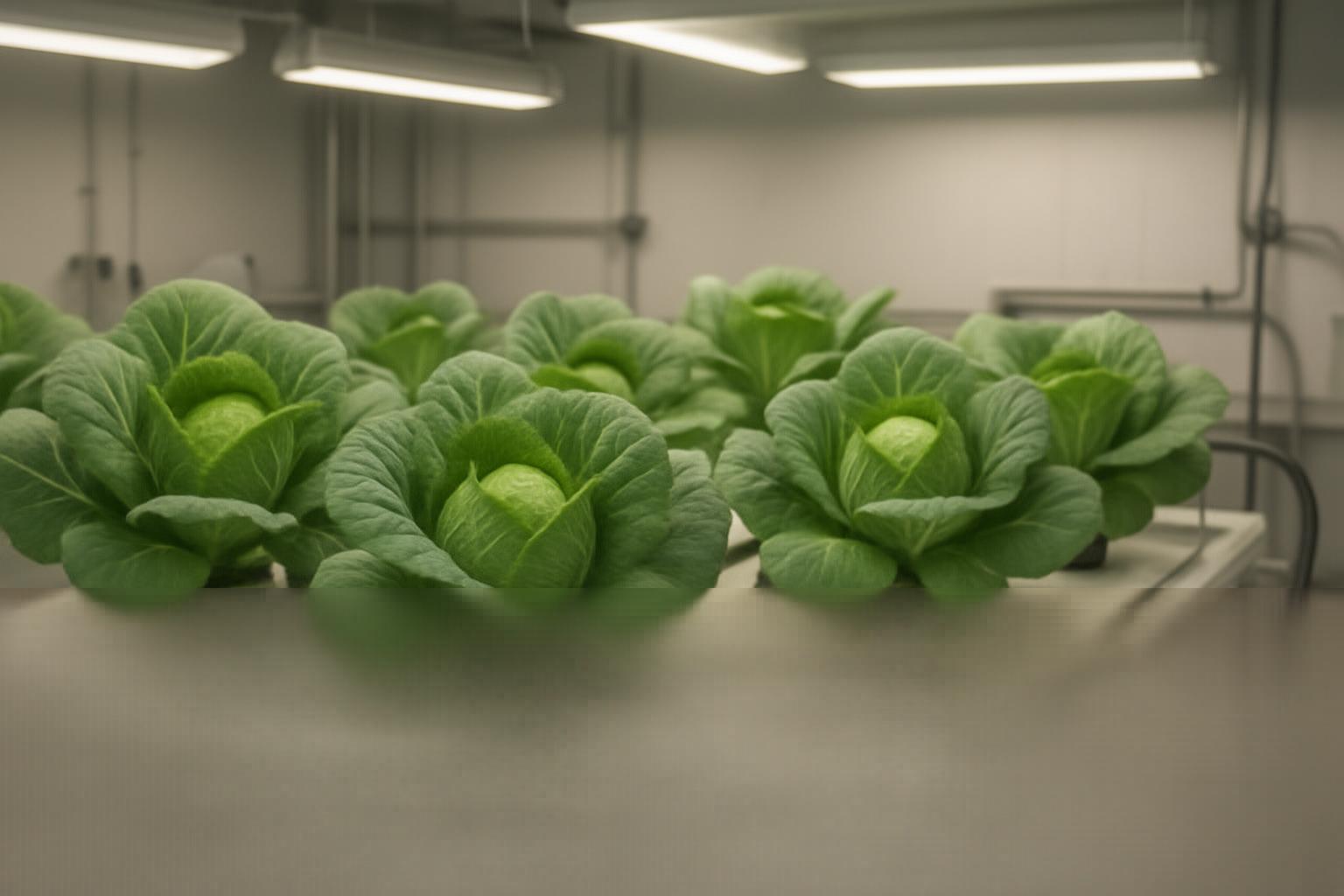
Introduction to Hydroponic Cabbage
Hydroponic cabbage is transforming how gardeners and commercial growers cultivate one of the world’s most popular leafy vegetables. Unlike traditional farming that relies on soil, hydroponic cabbage grows in a nutrient-rich water solution, delivering everything the plant needs directly to its roots. This method is gaining popularity quickly—and for good reason: it’s efficient, saves significant space, and produces cleaner, often healthier, crops. For those with limited garden space, like urban apartment dwellers, or anyone wanting to avoid the mess and unpredictability of soil, hydroponics offers a streamlined solution.
When you compare growing cabbage hydroponically to planting it in the ground, the advantages are clear. Traditional soil gardening exposes cabbage to pests, inconsistent watering, and unpredictable weather. Root diseases and soil-borne pathogens can be persistent problems, especially in humid climates. In contrast, hydroponic systems give growers precise control over water, nutrients, and environmental factors. Growth cycles are faster and more predictable, and the risk of pest infestations is significantly reduced. Plus, since the plants aren’t in contact with soil, hydroponic cabbage harvests are typically cleaner and require little to no washing—perfect for anyone focused on convenience and food safety.
These benefits make hydroponic cabbage especially appealing for various growers. Urban gardeners with limited space can set up compact hydroponic systems on balconies, rooftops, or even indoors with grow lights. Hobbyists enjoy experimenting with high-tech gardening and seeing rapid results, while commercial growers are attracted to the scalability and water efficiency hydroponics offers. Whether you want to maximize yield per square foot, produce fresh greens year-round, or reduce your environmental footprint, hydroponic cabbage is a smart and forward-thinking choice.
Best Hydroponic Systems for Growing Cabbage
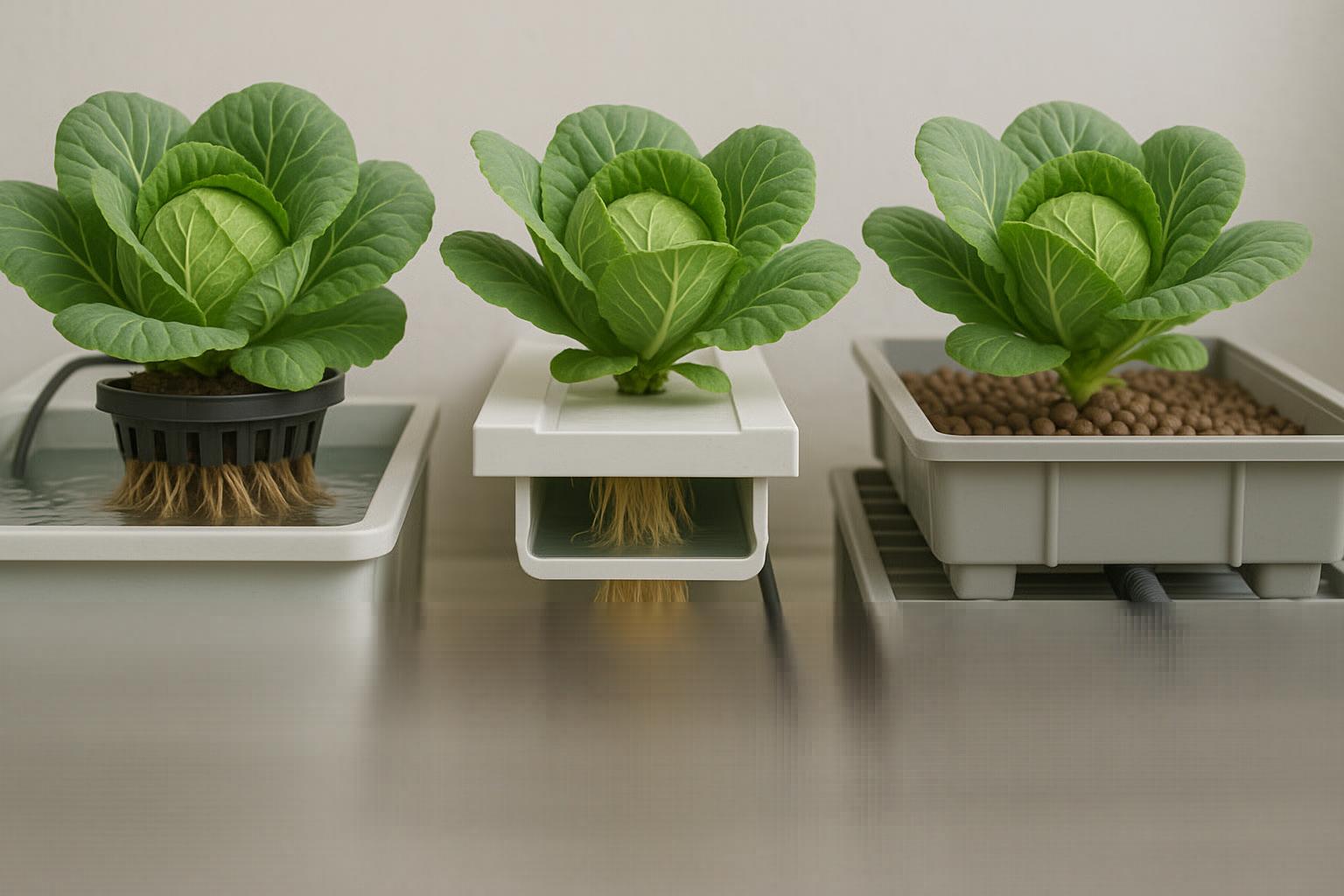
When it comes to growing cabbage hydroponically, three popular systems stand out: Deep Water Culture (DWC), Nutrient Film Technique (NFT), and Ebb & Flow.
DWC is often favored for cabbage because it provides plenty of root space and constant access to oxygen-rich water, supporting their substantial root systems and robust heads. However, you’ll need to ensure each plant is well-supported since cabbage can get top-heavy—use sturdy net pots and anchors as needed.
NFT works great for leafy greens but is less ideal for cabbage due to limited root space and narrow channels, which can restrict root development and plant stability. If you choose NFT, opt for wide channels and space plants further apart to accommodate cabbage’s larger size.
Ebb & Flow (or flood and drain) systems strike a good balance—they periodically soak the roots, then drain, allowing adequate oxygen without waterlogging. The flood tables can also be customized to fit big, heavy cabbages. On the downside, Ebb & Flow systems require more setup and monitoring to prevent issues like root rot or pump failures.
For beginners, DWC is the simplest and most forgiving system for cabbage, requiring minimal technical setup—just keep water levels, nutrients, and oxygenation steady. Regardless of the system you choose, make sure there’s enough space between plants since cabbages grow large.
Start small, monitor your plants closely, and don’t hesitate to reinforce your setup to prevent big cabbages from tipping over or crowding each other.
Starting Cabbage Seeds for Hydroponics
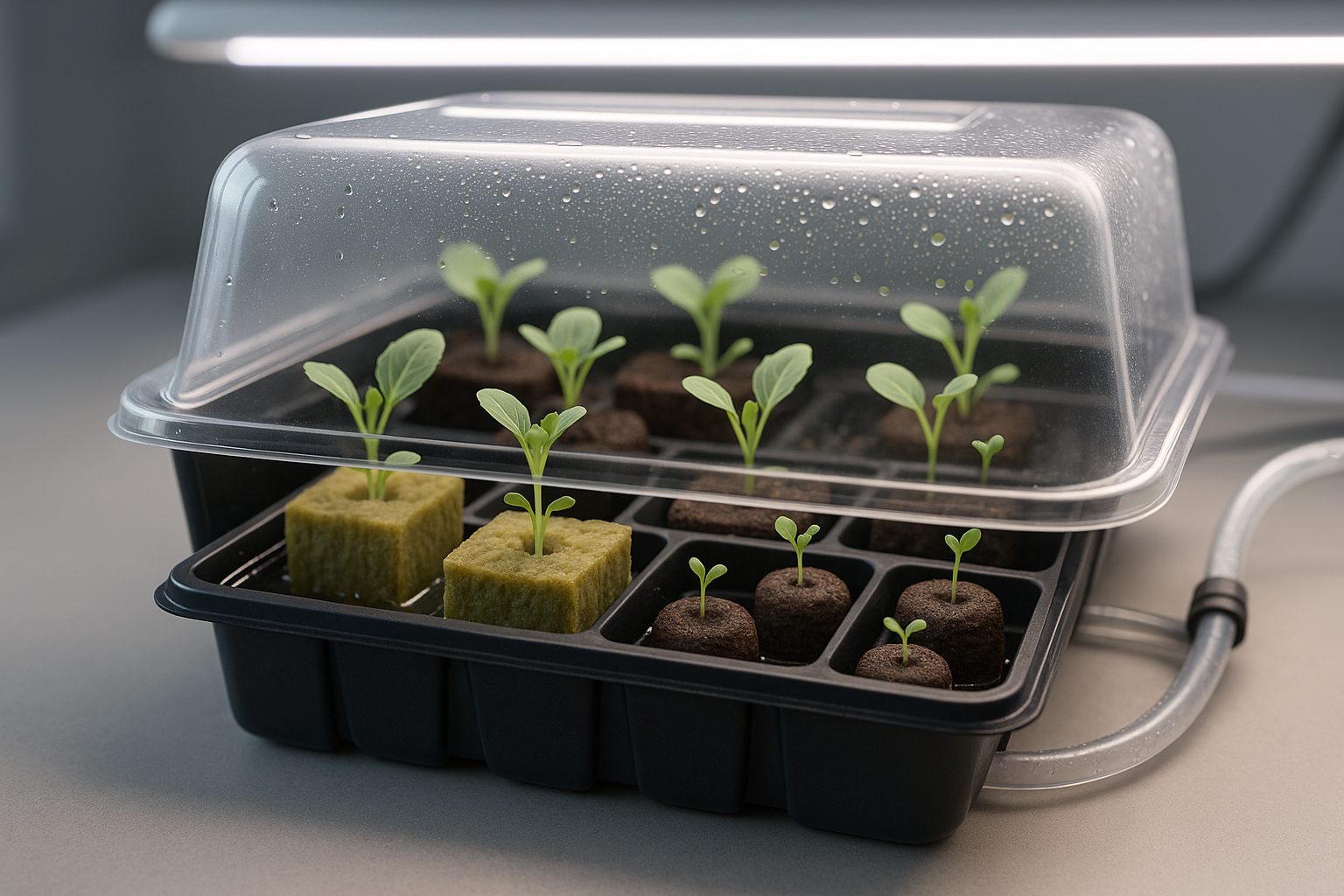
Starting cabbage seeds for hydroponics is simple when you have the right setup and follow a few easy steps. First, choose a quality seed-starting medium—rockwool cubes are a popular choice because they retain moisture well and are easy to handle, but coco coir pellets and peat pellets are also effective and eco-friendly.
Start by soaking your chosen medium in water with a pH of 5.5–6.5 for at least 30 minutes to ensure optimal seed contact. Gently place one or two cabbage seeds about a quarter inch deep in each cube or pellet, then keep them in a tray covered loosely with a lid or plastic wrap to maintain humidity.
Place the tray in a warm spot—ideally, temperatures should stay between 70–75°F (21–24°C)—because cabbage seeds germinate best in this range. For lighting, use a fluorescent or LED grow light set on a 16-hour schedule, kept about 4–6 inches above the tray to encourage compact, healthy seedlings.
Ensure humidity remains around 70–80% by checking for condensation and misting as needed, but don’t let the medium become soggy; aim to keep it moist but not dripping wet. As soon as seedlings emerge, remove the cover, thin to one plant per cube, and increase air circulation to prevent damping-off disease.
Your cabbage seedlings will be ready to move to your hydroponic system once they’ve grown two to three true leaves, usually within 10–14 days, giving them a strong start for healthy, productive growth.
Transplanting and Early Growth Care
Transplanting seedlings into your main hydroponic system is a crucial step that can influence your plants’ overall health and yield. Wait until seedlings have developed strong roots and at least two sets of true leaves—this usually means they are ready to handle the stress of a move.
Gently ease each seedling from its starter tray, taking care not to damage the delicate roots. Rinse off any lingering substrate, like soil or rockwool fibers, to prevent clogging your system. Place seedlings into net pots or holders, ensuring the roots have enough space to dangle freely while remaining moist—this encourages robust root growth.
Always keep plant spacing in mind: overcrowding blocks airflow and light, which promotes disease. While following specific crop guidelines is important, as a rule of thumb:
- Leafy greens like lettuce need about 6–8 inches between plants.
- Fruiting crops such as tomatoes or peppers do best with 12–24 inches of spacing.
For taller or vining species, install trellises or stakes early to prevent breakage and make future maintenance easier.
To avoid transplant shock, maintain a consistent water temperature between 65–75°F, adjust your nutrient solution to half strength for the first few days, and gradually introduce grow lights if seedlings weren’t previously exposed.
Further prevent stress by monitoring water pH and electrical conductivity (EC), and quickly correct any imbalances. Vigilance during these early stages pays off with strong, rapid plant growth and fewer problems down the line.
Nutrient Management and Environmental Control
Hydroponic cabbage thrives when given balanced nutrition and a stable growing environment. The main nutrients cabbage needs are nitrogen (for leafy growth), phosphorus (for root and shoot development), potassium (for overall health and disease resistance), plus key micronutrients like calcium, magnesium, and iron. Use a high-quality hydroponic nutrient mix labeled for leafy greens, and always follow the manufacturer’s instructions to avoid overfertilization.
When mixing your solution, aim for an electrical conductivity (EC) of 2.0–2.5 mS/cm and keep the pH between 6.0 and 6.5 for optimal nutrient availability. Test your solution regularly with EC and pH meters—imbalances can cause nutrient lockout, where plants can’t absorb what’s available.
Environmental conditions play a huge role as well: keep daytime temperatures around 18–22°C (65–72°F) and avoid temperature swings. Too much heat can cause tip burn, while cold can stunt growth. Maintain relative humidity at 50–70%; running a fan helps with airflow and reduces the risk of fungal disease.
Be aware of deficiency symptoms:
- Yellowing leaves often indicate nitrogen deficiency.
- Twisted new leaves may signal calcium or boron shortages.
- Leaf tip browning can mean too much salt or potassium.
If you notice these signs, check your solution’s EC and pH, flush your system if needed, and adjust nutrient ratios. Always start with clean water and containers to prevent buildup over time—a simple rinse between batches makes a big difference.
Monitoring and adjusting your nutrient and environmental parameters may sound technical, but with some basic tools and a regular routine, you’ll have crisp, healthy hydroponic cabbage every harvest.
Growth Stages and Ongoing Maintenance
Hydroponic cabbage goes through two main growth phases: leaf development and head formation. In the early weeks, you’ll see rapid leaf growth as the plant builds up energy and structure—this is when you want to provide consistent lighting (14–16 hours a day is ideal) and use a nutrient solution high in nitrogen.
As the plant transitions to head formation, usually around week four to six, reduce nitrogen and increase potassium to encourage compact, healthy heads.
Regular maintenance is key to successful crops:
- Prune any yellowing or damaged leaves to keep plants healthy and well-aerated.
- Check root systems for signs of rot.
- Adjust your nutrient mix based on the plant’s stage of growth.
Monitoring plant health daily helps catch issues early. Watch for symptoms like stunted growth, wilting, or discoloration, which may indicate problems with the solution or the onset of disease.
Hydroponic systems are less prone to soil-borne pests, but aphids, whiteflies, and fungal diseases like powdery mildew can still be a threat. Introduce biological controls such as ladybugs for aphids and neem oil spray for fungal prevention—these are hydroponic-safe and won’t harm your growing system’s ecosystem.
Finally, ensure good airflow with fans or by properly spacing plants, as this discourages pests and fungal spores from settling. A routine of inspection, cleaning, and quick response to problems will keep your hydroponic cabbage thriving from seedling to harvest.
Harvesting and Troubleshooting
Knowing exactly when to harvest your cabbage is key to enjoying crisp, flavorful heads. Look for cabbage heads that feel firm and dense when gently squeezed—soft spots usually mean they’re either not quite mature or may be starting to rot. Most varieties are ready to pick when the heads reach the typical size for their type, usually between 4 and 10 inches across.
Early morning, when the plants are still cool and hydrated, is the best time for harvesting. Use a sharp knife to cut the cabbage at the base, just above the outer leaves. Leave those big, outer leaves and roots in the ground, as they can sometimes encourage a second, smaller crop. Handle each head carefully to avoid bruising.
If you notice problems like heads bolting (suddenly producing flowering stalks), act quickly. Bolting often means the weather got too hot or the plants were stressed, so harvest right away—even if the heads are smaller. Wilting could signal underwatering or root problems, so check the soil moisture and look for signs of pests. Yellowing or pale leaves often indicate nutrient deficiencies; a balanced fertilizer and compost can help nurse your plants back to health.
Taking these steps ensures a successful harvest and keeps your cabbage patch productive.
Conclusion and Resources
Growing hydroponic cabbage can be a rewarding way to produce fresh, healthy greens right at home, and it’s easier than you might think. With just a few basic supplies and some attention to water, light, and nutrients, anyone can get started—even in small spaces. Don’t be afraid to experiment and learn as you go!
For more in-depth information, check out:
- Books like Hydroponic Food Production by Howard Resh
- Online forums such as Reddit’s r/hydroponics
- Product guides from reputable suppliers
These resources offer helpful advice, troubleshooting tips, and inspiration to take your hydroponic journey further.