Introduction
If you’re searching for fresh inspiration and delicious ideas, cabbage recipes are a must-have for any gardener’s kitchen. This humble vegetable is far more than a soup or slaw staple—it’s a powerhouse of nutrition and adaptability, thriving in gardens around the world and starring in dishes everywhere from Korea’s kimchi to classic Irish colcannon.
Whether you love crisp cabbage salads, comforting rolls stuffed with savory fillings, or stir-fries that highlight its natural sweetness, cabbage is as versatile as it is healthy, loaded with vitamins, fiber, and antioxidants.
For those with garden-fresh cabbage just picked from the soil, the real reward is unlocking the best ways to cook and enjoy its layers of flavor. Not sure how to spot a perfect, tight-headed cabbage or want to keep it fresh after harvest? Curious how steaming compares to roasting, or which seasonings bring out its tastiest side?
In the following post, you’ll discover easy tips on selecting the best cabbages, new twists on traditional cabbage recipes, and practical advice for making every leaf shine. Whether you’re a cabbage newbie or a seasoned grower with an overflowing harvest, these ideas will help you get the most out of every crunchy head.
Choosing and Storing Cabbage
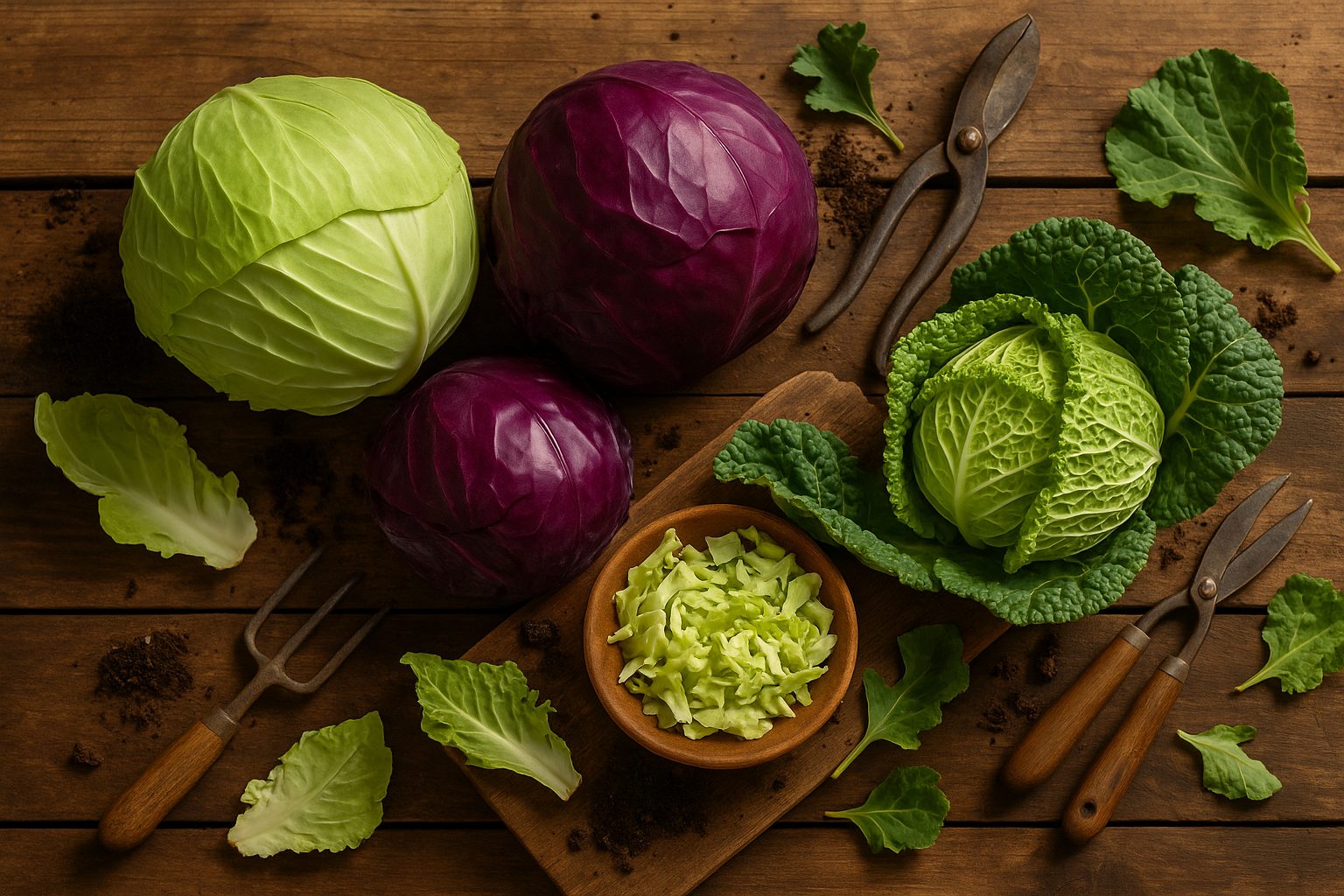
Cabbage comes in a few main varieties, each with its own unique look and texture. Green cabbage is the most common, with smooth, pale green leaves and a tight, round head. Red cabbage stands out with its deep purple-red leaves and is slightly firmer, making it great for slaws and salads. Savoy cabbage is easily recognized by its crinkled, tender leaves and slightly looser head—perfect for wraps or gentle steaming.
When shopping, look for cabbages that feel heavy for their size with dense, tightly packed leaves. Avoid heads with brown spots, loose or wilted leaves, or a strong unpleasant smell, as these are signs they’re past their prime. Also, make sure the stem end is fresh and not dried out.
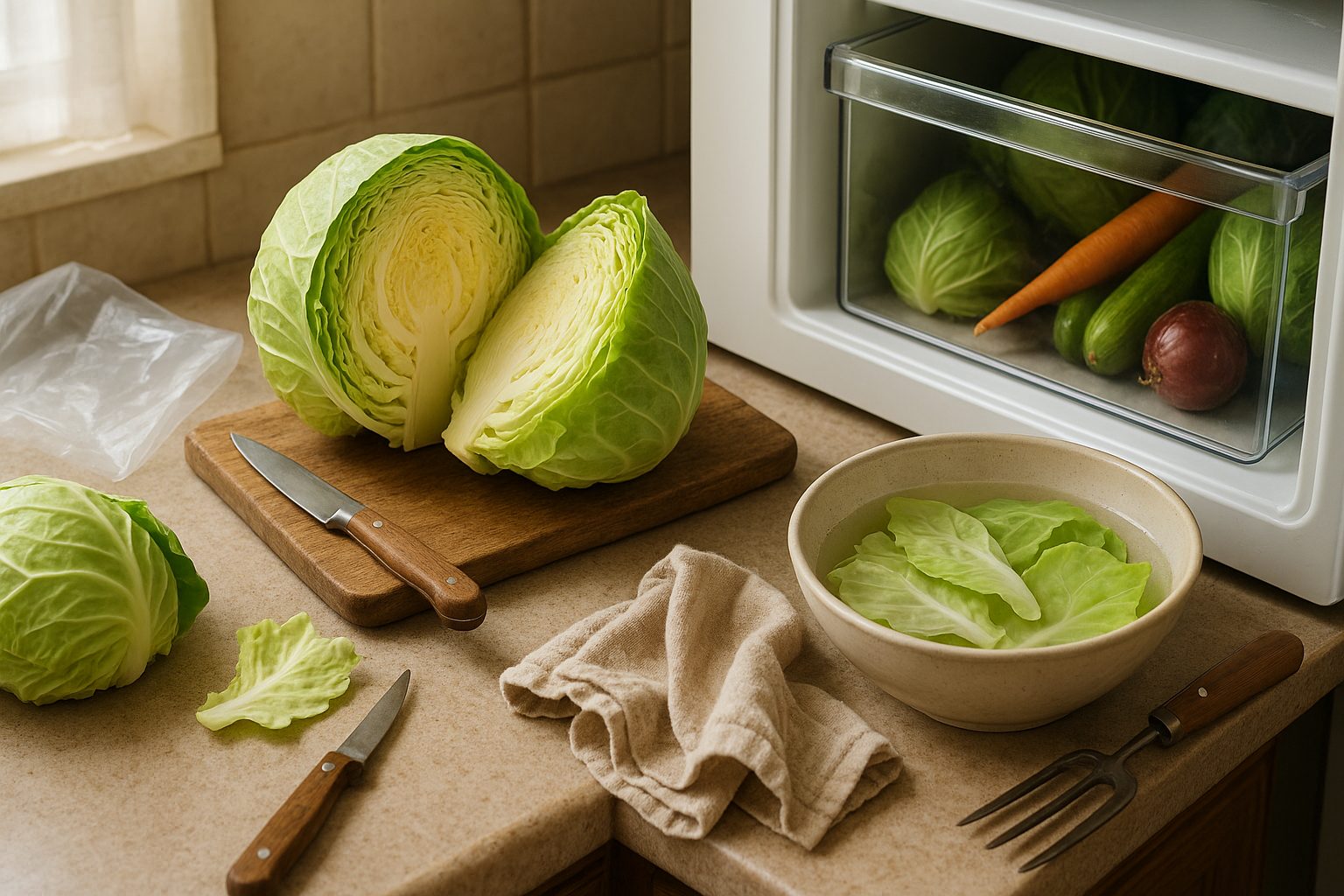
To store cabbage, first remove any loose outer leaves, then place the whole head inside a plastic bag in your refrigerator’s crisper drawer. Proper storage can keep green and red cabbages fresh for up to two weeks, while the more delicate Savoy is best used within a week. Once you cut into a head, wrap the remainder tightly in plastic or a reusable food wrap to prevent it from drying out or absorbing odors, and try to use the rest within a few days.
If your cabbage starts to wilt but isn’t spoiled, try reviving it by soaking it in cold water for a few minutes before using. This way, you’ll always have crisp, versatile cabbage on hand for salads, stir-fries, and soups.
Preparing Cabbage for Cooking
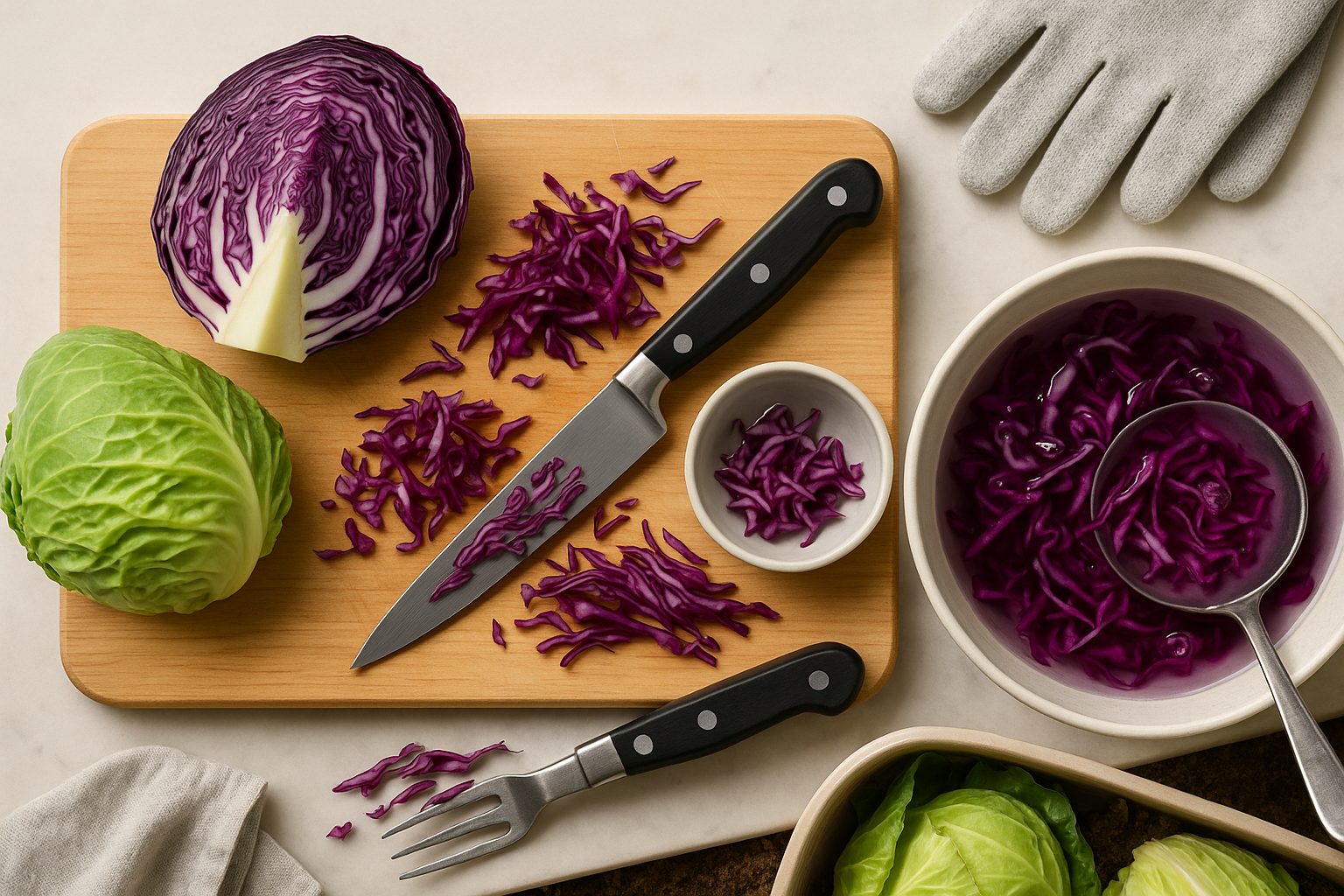
Properly preparing cabbage is the first step to making it delicious and safe to eat. Start by removing any wilted or damaged outer leaves, then rinse the head thoroughly under cold running water to wash away dirt and debris. For tight, compact heads, cut the cabbage into quarters and rinse between the leaves to ensure it’s extra clean.
Next, trim away the tough core with a sharp knife—this part can be tough and bitter, especially in green cabbage varieties. Depending on your dish, choose your cutting style:
- Thin shreds are perfect for slaws and stir-fries.
- Chunky wedges suit roasting or stews.
- Bite-sized pieces work great for sautés or soups.
To reduce cabbage’s natural bitterness, soak the cut leaves in cold water for about ten minutes, or briefly blanch them in boiling water. This also helps tame the sulfur odor that sometimes develops during cooking.
Always use a stable cutting board and a sharp knife—keep your fingers tucked under, using a “claw grip” to avoid accidents, as cabbage’s round shape can be tricky to manage. If you’re working with red cabbage, keep in mind that its color can bleed, so use a non-reactive cutting board and consider wearing gloves to avoid stained hands.
Taking a little extra care during preparation makes your cabbage dishes tastier and your kitchen safer.
Cabbage Nutrition Benefits
Cabbage is a powerhouse of nutrition that can easily boost the quality of your meals without much fuss or expense. Packed with vitamin C, cabbage supports your immune system by helping protect against colds and aiding in wound healing. Meanwhile, vitamin K plays an essential role in blood clotting and bone health.
A single cup of shredded raw cabbage offers over half your daily requirement of vitamin C and plenty of vitamin K, making it a smart addition to salads and stir-fries. Cabbage is also rich in dietary fiber, which keeps your digestive system running smoothly and helps you feel full for longer—especially useful if you’re trying to manage your weight or improve gut health.
Beyond vitamins and fiber, cabbage contains powerful antioxidants like polyphenols and sulfur compounds that may reduce inflammation and lower your risk of chronic diseases. Red cabbage, for instance, is especially high in anthocyanins, the same heart-healthy pigments found in blueberries.
Incorporating cabbage—whether raw, fermented as sauerkraut, or cooked—can enhance a balanced diet by adding variety, boosting your intake of essential nutrients, and supporting overall well-being. Try slipping chopped cabbage into soups or layering it on sandwiches for an easy way to enjoy its fantastic nutrition alongside other fresh foods.
Popular Ways to Cook (and Enjoy) Cabbage
Cabbage is a versatile star in kitchens around the world, and there are plenty of delicious ways to cook and enjoy it.
One classic is braised cabbage, popular in Eastern European cooking—simply shred a head of green or red cabbage, sauté it with onions and a splash of apple cider vinegar, then let it simmer until tender for a tangy, comforting side.
Cabbage rolls are another staple; try filling blanched cabbage leaves with a mix of ground meat, rice, and herbs, then bake them in a tomato sauce.
Asian cuisines use cabbage in quick stir-fries—slice it thin and sauté in a wok with garlic, soy sauce, and a drizzle of sesame oil for a crunchy, flavorful dish.
Cabbage also adds body to soups like borscht (a Russian-Ukrainian beet soup) or spicy Korean kimchi jjigae.
Raw cabbage shines in salads and slaws: toss shredded cabbage with carrots, green onions, a squeeze of lime juice, and a sprinkle of chili flakes for a refreshing Thai-inspired slaw.
For a twist, try a Ukrainian raw cabbage salad with sunflower oil and dill.
To get the most out of each method, don’t overcook cabbage—keeping a bit of bite preserves both nutrients and texture.
For extra flavor, add a splash of vinegar or lemon juice at the end of cooking, or toast spices before tossing them in.
Whether you’re craving something hearty and warm or crisp and fresh, cabbage is an affordable ingredient that can fit any mood or meal.
Preserving and Using Leftover Cabbage
Cabbage is a versatile veggie, but it’s easy to end up with leftovers after making slaws or salads. To keep your cabbage fresh, try pickling thinly sliced pieces with vinegar, salt, and spices—quick pickles can last for weeks and add a tangy crunch to sandwiches or grain bowls.
For longer-lasting preservation, fermenting is a delicious choice. Homemade kimchi or sauerkraut not only extends cabbage’s shelf life but also brings probiotic benefits and zesty flavor to your meals.
If you don’t want to deal with jars, simply shred, blanch, and freeze cabbage in airtight bags for up to three months—perfect to toss straight into soups or stews.
When it comes to using up cabbage bits, think outside the box:
- Add leftovers to stir-fries with ginger and garlic.
- Tuck them into tacos for a satisfying crunch.
- Simmer with broth and spices for a warming soup.
By getting creative and reimagining these scraps in new dishes, you’ll not only save money but also help reduce food waste. Remember, every little bit of cabbage can find a new purpose and keep your meals both interesting and sustainable.
Conclusion and Further Inspiration
Cabbage truly stands out as a versatile, budget-friendly, and nutrient-packed addition to any meal. Whether you prefer it raw in crisp salads, sautéed in stir-fries, or slowly stewed into comforting soups, cabbage adapts beautifully to flavors and cooking styles, making it easy to incorporate into your weekly menu.
Don’t be afraid to experiment—try swapping green cabbage for colorful red, or mix in bold seasonings like garlic and chili for a new twist. Exploring different cooking methods, such as roasting or fermenting, can unlock delicious flavors you might not expect.
For more inspiration, branch out to related veggies like Brussels sprouts or bok choy, which share many of the same health perks and can add variety to your plate. With a little creativity, cabbage and its cousins can keep your meals interesting, nutritious, and delicious all year round.