Introduction to Growing Cabbage in Containers
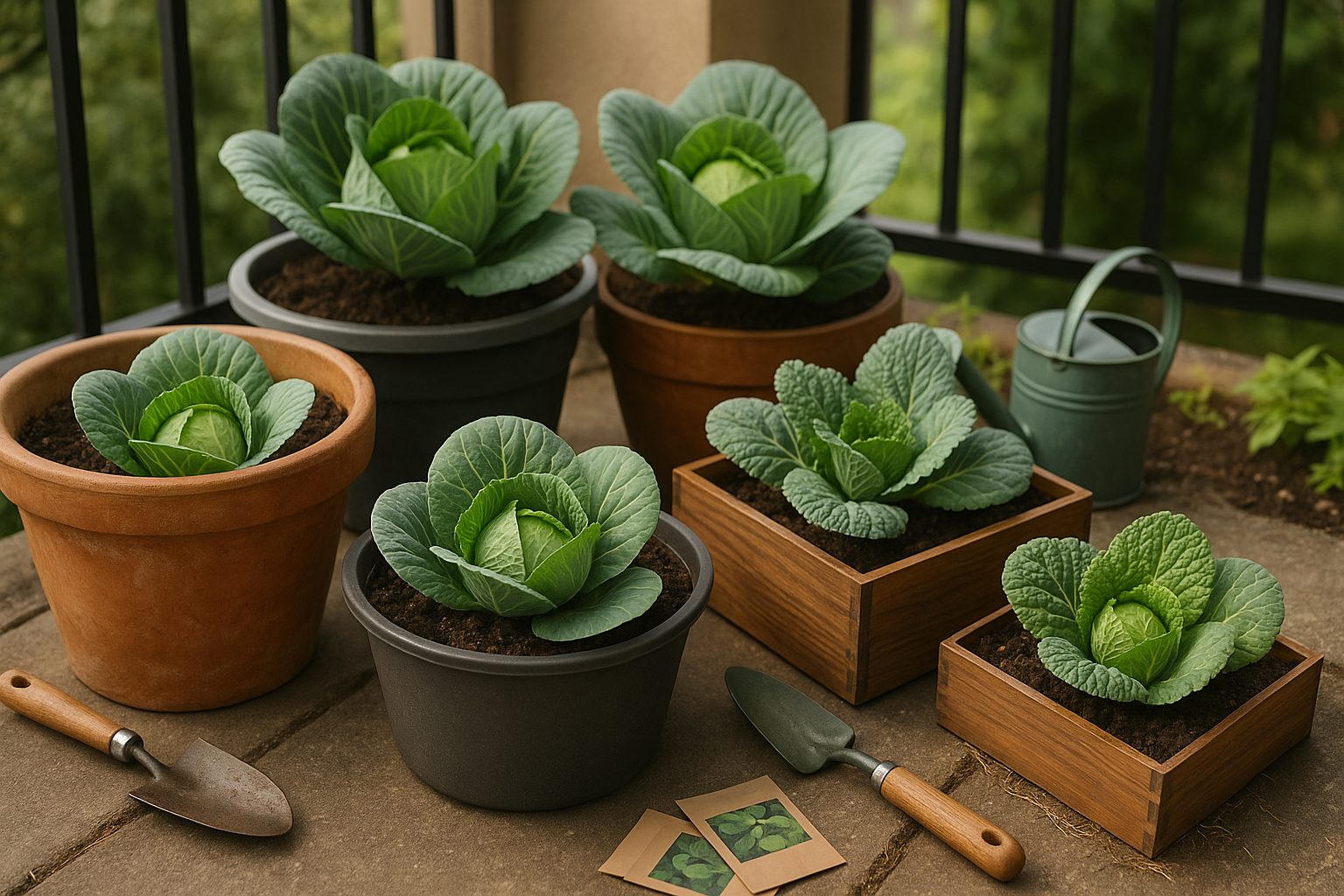
Choosing the right cabbage pot size is essential if you want to enjoy fresh, homegrown heads of cabbage from the comfort of your balcony, patio, or even a sunny windowsill. Many gardeners are discovering that cabbage is well-suited for container gardening, making it possible to grow this nutrient-rich leafy vegetable even if you don’t have a sprawling backyard. Container gardening offers unmatched space efficiency; a single well-chosen pot lets you tuck cabbage plants into small spaces, and their upright growth habits mean you can maximize your harvest without sprawling rows. Plus, tending to cabbage in pots often means less bending over — weeding and watering are easier to manage, and you can move your plants to capture the ideal amount of sunlight as the seasons change.
However, cultivating cabbage in containers doesn’t come without its unique challenges. The biggest hurdles are selecting the right cabbage pot size to allow for healthy root growth, managing soil moisture, and preventing the potting mix from nutrient depletion. Compared to traditional garden beds, potted cabbages are more vulnerable to temperature fluctuations and dry out more quickly, requiring attentive care. But the rewards — such as fewer pest problems, the ability to customize soil, and easier access for harvesting — often outweigh these drawbacks for urban or beginner gardeners.
In this article, you’ll learn exactly what container size works best for cabbage, plus tips on soil blends, sunlight needs, watering routines, and practical troubleshooting advice. Whether you’re starting with seeds or young plants, we’ll guide you through every step to help your container cabbage thrive.
Choosing the Right Cabbage Variety for Containers
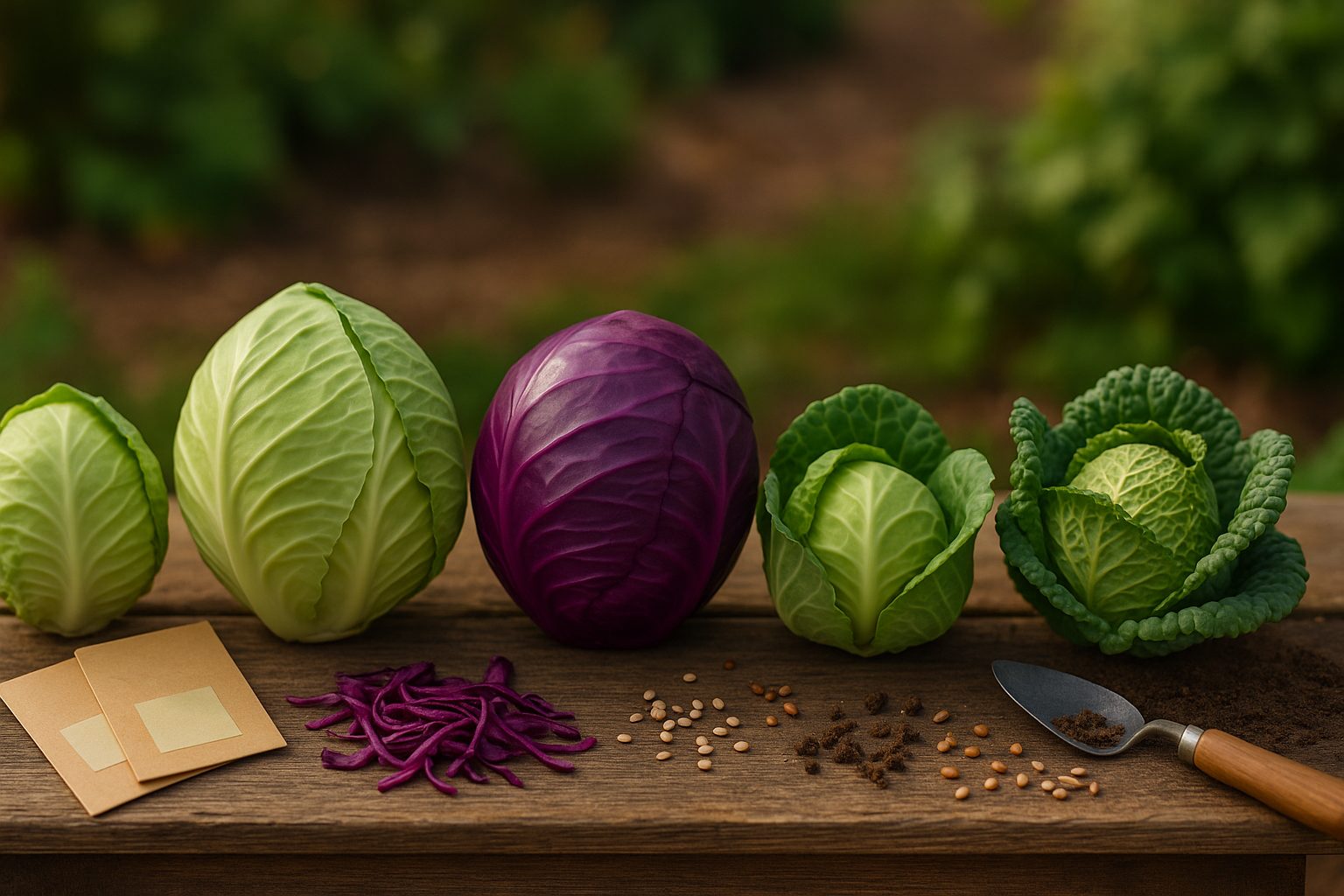
When growing cabbage in containers, choosing the right variety makes all the difference—look for compact types such as mini, dwarf, or small-headed cabbages, which naturally thrive in limited space.
‘Mini’ cabbages like ‘Caraflex’ and ‘Gonzales’ form small, dense heads that mature quickly and don’t overcrowd their pots, making them perfect for patios or balconies. Dwarf options, such as ‘Pixie’ and ‘Golden Acre,’ offer sweet flavor and tender leaves while staying reasonably small; they rarely grow wider than twelve inches, so they’re great for small containers.
Color can also be a fun way to add visual interest—try a purple variety like ‘Red Express,’ which brings a vibrant pop to your space while delivering a slightly peppery crunch, or stick with classic green for a milder taste.
Remember to check the days-to-harvest as well; faster-maturing types like ‘Gonzales’ (ready in about 55-65 days) ensure you can enjoy homegrown cabbage even with a shorter growing season. Flavor is another key consideration—some varieties lean sweeter, perfect for coleslaw or raw salads, while others have a sturdier texture suited for pickling or stir-fries.
Finally, look for disease resistance in your chosen seeds to avoid problems common in container-grown crops.
By matching your taste preferences, space constraints, and expected harvest time with the right variety—like ‘Caraflex’ for a pointed head and delicate taste, or ‘Red Express’ for color and crunch—you’ll set up your container garden for a thriving, tasty cabbage harvest.
Selecting the Best Containers and Potting Mix
Choosing the right container and potting mix is key to growing healthy, robust cabbages. Start with a container that’s at least 12 inches deep, 12–15 inches in diameter, and offers a minimum volume of 3–5 gallons per plant—this ensures cabbages have enough room for their roots to develop stress-free.
Sturdy materials like food-grade plastic, unglazed clay, or wood are excellent choices. Plastic is lightweight and retains moisture, clay allows roots to breathe, and wood insulates roots from temperature swings. No matter the material, make sure your pot has multiple drainage holes on the bottom to prevent waterlogged soil, which can rot cabbage roots.
Round pots or deep, rectangular planters both work well, but always prioritize depth over width if space is tight.
Fill containers with a high-quality, well-draining potting mix—look for blends containing peat, coconut coir, perlite, or vermiculite for aeration and moisture retention. Avoid using garden soil alone; it’s often too dense and may harbor pests or diseases.
Boost fertility by mixing in a slow-release organic fertilizer or compost before planting, and consider adding a handful of aged manure or worm castings for extra nutrients. A touch of lime can also help balance soil pH to the slightly acidic to neutral range cabbage loves (around 6.5–7.0).
By focusing on roomy containers, reliable drainage, and a loose, nutrient-rich potting mix, you’ll give your cabbage plants the perfect home to thrive and form firm, flavorful heads.
Planting and Caring for Cabbage in Pots
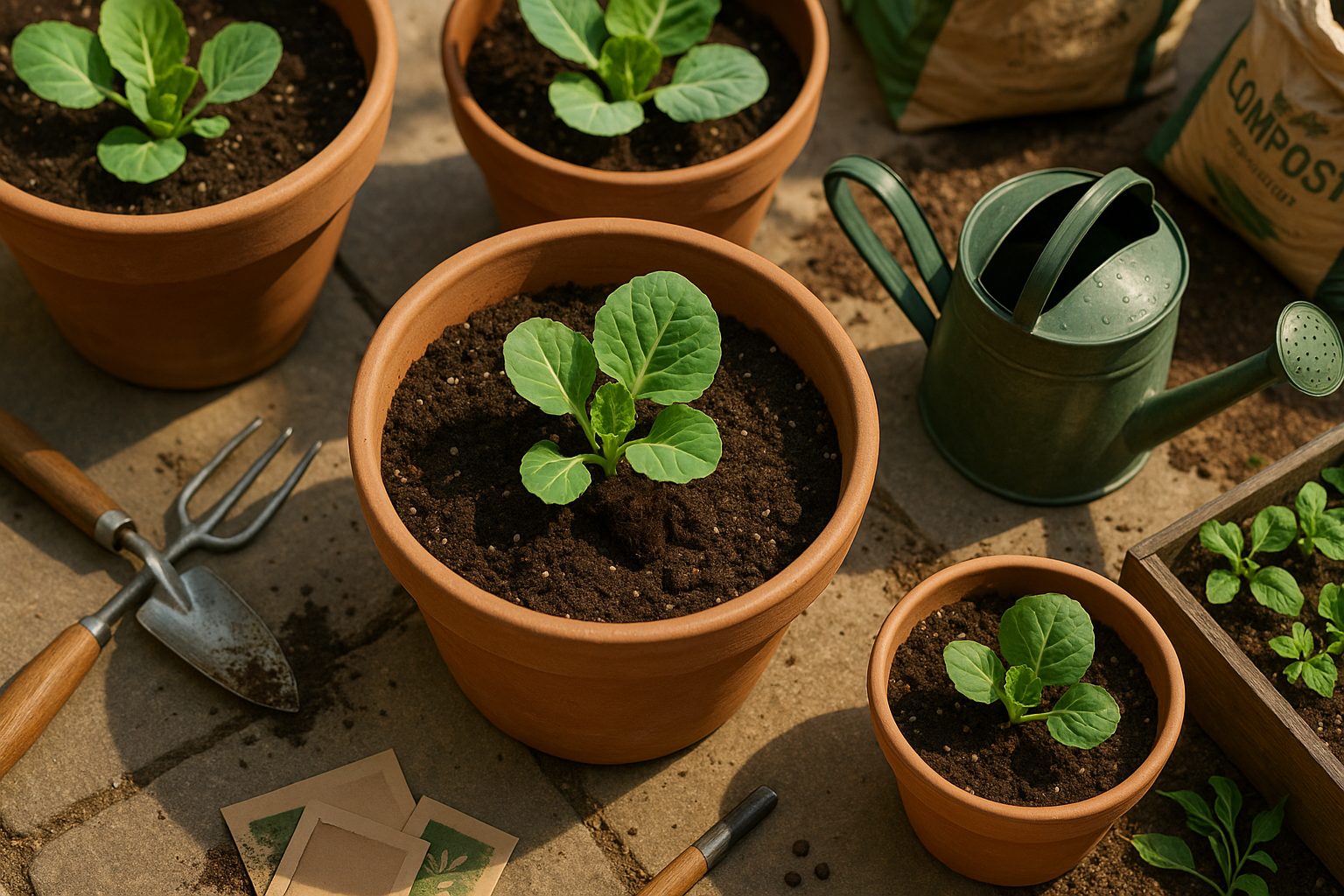
Growing cabbage in pots is a rewarding way to enjoy fresh, homegrown produce even if you have limited space. Start by choosing a container at least 12 inches deep and wide, with several drainage holes to prevent soggy roots.
If you’re sowing seeds, fill the pot with high-quality potting mix and sow seeds about ¼ inch deep, spacing them at least 12 inches apart—cabbage needs space for its big leaves to spread. If you prefer seedlings, gently transplant each one into its own pot or space them appropriately in a larger planter.
Place the pots in a sunny location, aiming for six hours of direct sunlight daily; cabbage thrives in cool temperatures but needs light to form tight, crisp heads. Water consistently to keep the soil evenly moist but not waterlogged—stick your finger an inch into the soil; if it feels dry, it’s time to water.
To help your cabbage grow strong, add a balanced liquid fertilizer (like 10-10-10) every two to three weeks, diluting it to half the recommended strength for containers. Alternatively, mixing slow-release granules into the soil at planting provides steady nutrition.
Watch for leaves turning pale or stunted growth; these might signal the need for more nutrients. Remove yellowing leaves promptly and check for pests like aphids or cabbage worms.
With a combination of consistent care, proper spacing, and regular feeding, you’ll have healthy container cabbage ready to harvest in about 70-90 days.
Common Problems and Solutions in Container Cabbage Growing
Growing cabbage in containers can be rewarding, but it also comes with challenges from pests and diseases.
Aphids and cabbage worms are two common pests you’ll likely encounter; regularly inspect leaves, especially underneath, and remove insects by hand or spray with a diluted solution of water and dish soap. Caterpillars, like the cabbage looper, can be deterred with organic Bacillus thuringiensis (Bt), a natural bacteria safe for vegetables.
Diseases such as clubroot and powdery mildew can affect container cabbage, often due to overly damp conditions or poor airflow. To reduce the risk, plant in well-draining, sterilized potting mix and rotate crops yearly in different containers. Water at the base of the plant to keep leaves dry and avoid wet, soggy soil—cabbages dislike having “wet feet,” which can cause root rot.
Signs of poor growth, like stunted heads or yellowing leaves, often signal watering issues or nutrient deficiencies. Make sure your pots have plenty of drainage holes and avoid letting the soil dry out completely between waterings.
Feed your cabbage monthly with an organic, balanced fertilizer, and consider topping the soil with compost to keep nutrients coming. If your cabbage looks stressed, check for overcrowded roots and, if necessary, repot into a larger container.
By staying vigilant and using organic methods, you’ll maintain healthier, more productive container cabbages right on your balcony or patio.
Harvesting and Storing Container-Grown Cabbage
Knowing when your container-grown cabbage is ready to harvest is key to getting crisp, flavorful heads. Watch for firm, dense heads that have reached a desirable size—typically 4 to 8 inches in diameter, depending on the variety. A good indicator is when the outer leaves begin to curl away from the head, but the head itself feels solid when gently squeezed.
Avoid waiting too long, as overripe cabbage may split. When it’s time to harvest, use a sharp knife or garden shears to cut the head off at the base, leaving a few outer leaves attached to help protect it during handling. Try to perform this on a dry morning to reduce the risk of spreading disease.
After harvesting, remove any damaged or loose outer leaves and inspect the head for pests.
Storing Your Cabbage
To store cabbage, keep it whole (uncut) and place it in a plastic bag in the crisper drawer of your refrigerator, where it can stay fresh for several weeks. Avoid washing before storage—moisture can promote rot. If you have a cool, humid cellar, storing heads in breathable boxes or bags also works well.
With these simple steps, you’ll keep your harvested cabbage crisp, flavorful, and ready for your next meal.
Extra Tips for Success and Frequently Asked Questions
To boost your cabbage harvest in containers, try companion planting by tucking in aromatic herbs like dill or chamomile nearby; they naturally repel pests and encourage healthy growth. Rotating your containers each season is another powerful strategy—moving cabbages to fresh soil every time minimizes disease buildup and keeps the plants thriving.
Don’t skip mulching: a thin layer of straw or shredded leaves insulates roots and retains moisture, so your cabbages won’t dry out between waterings. A common question is how often to fertilize—aim for every three to four weeks with a balanced, water-soluble fertilizer to give cabbages steady nutrition.
And if you’re curious about regrowing cabbage from the stump, just place the leftover base in a shallow dish of water and set it in a sunny spot; with patience, new leaves will sprout, and you can transplant the regrowth back into soil for a second (albeit smaller) harvest.
Ultimately, growing cabbage in containers is straightforward and rewarding, giving you fresh, crisp heads even in small spaces. With the right care and a few simple tricks, anyone can enjoy container-grown cabbage—so gather your supplies and give it a try!