Introduction
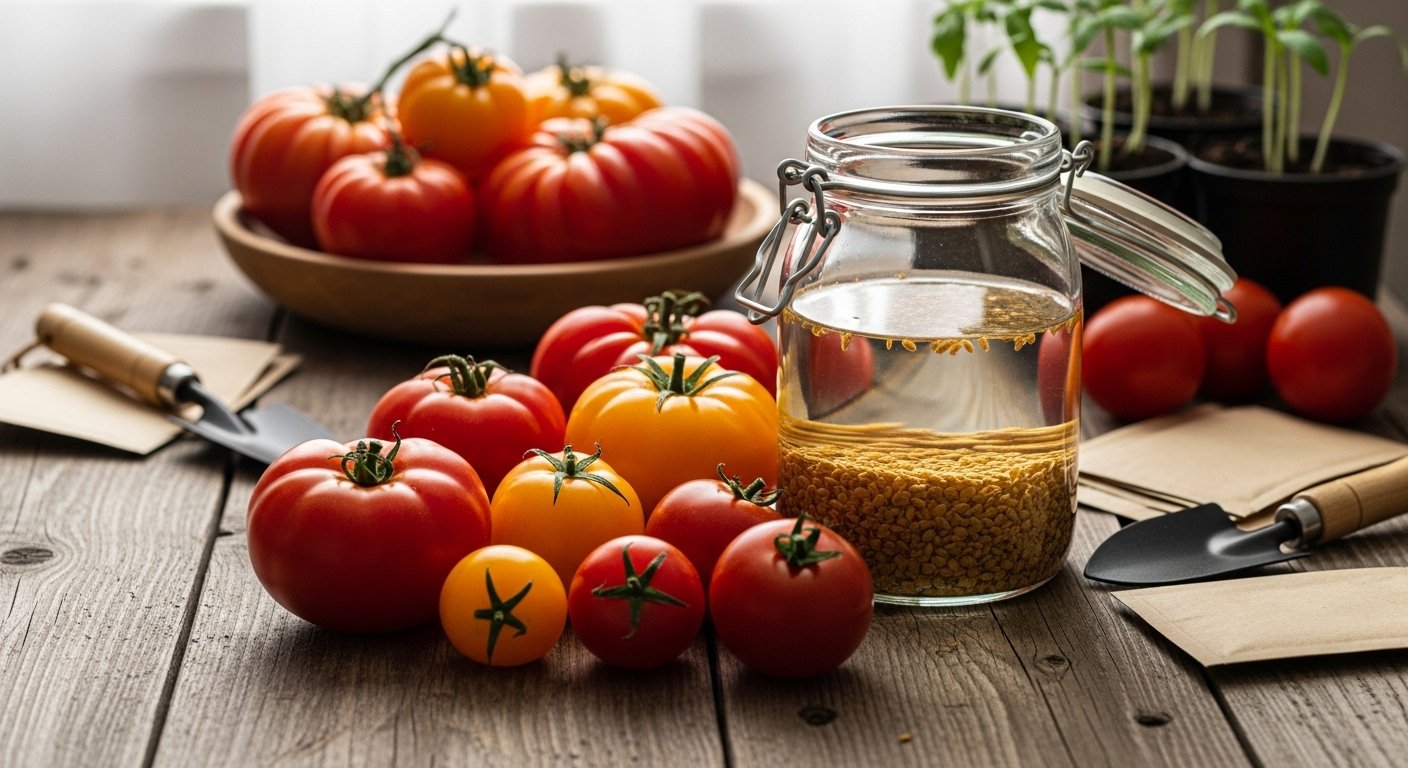
If you’ve ever eyed a plump, juicy tomato on your kitchen counter and wondered if you could grow tomatoes from store-bought ones, you’re not alone. Many home growers are curious whether the seeds inside grocery store tomatoes are viable, and if so, how to turn today’s salad ingredient into tomorrow’s crop. Is it really as simple as scooping out some seeds and planting them?
In this post, we’ll cover everything you need to know: the types of seeds commonly found in store-bought tomatoes, how to properly harvest and store those seeds, the steps for planting them, potential pitfalls you might encounter, and whether the process is actually worth your effort. Let’s dig into the facts before you sow!
Understanding Tomato Seed Viability
When selecting tomatoes at the store, you’ll usually find three main types: hybrid, heirloom, and open-pollinated. Hybrids are bred by crossing two specific parent plants to get desirable traits like disease resistance or uniform size, but their seeds often don’t produce plants identical to the parent.
This means if you save seeds from a hybrid supermarket tomato, what you grow in your garden could look and taste very different—and may not have the benefits you hoped for.
Heirloom and open-pollinated tomatoes, on the other hand, tend to be more genetically stable. Heirlooms are cherished varieties passed down over generations, known for their unique flavors and reliable traits. Open-pollinated simply means the plants are pollinated naturally, often producing consistent results year after year.
If you want to grow tomatoes that are true to the type you loved at the store, look for heirloom or open-pollinated varieties and avoid hybrids for seed saving.
To increase your chances of success, consider searching for seed-specific sellers or local growers who can verify the type, since most commercial tomatoes at grocery stores are hybrids and may disappoint aspiring seed savers.
How to Harvest Seeds from Store-Bought Tomatoes
Harvesting seeds from store-bought tomatoes is an easy way to grow your favorite garden varieties. Start by choosing a ripe, healthy-looking tomato—organic is best, since some conventional tomatoes are treated to prevent sprouting. Look for blemish-free fruits with rich color and a slight softness when pressed.
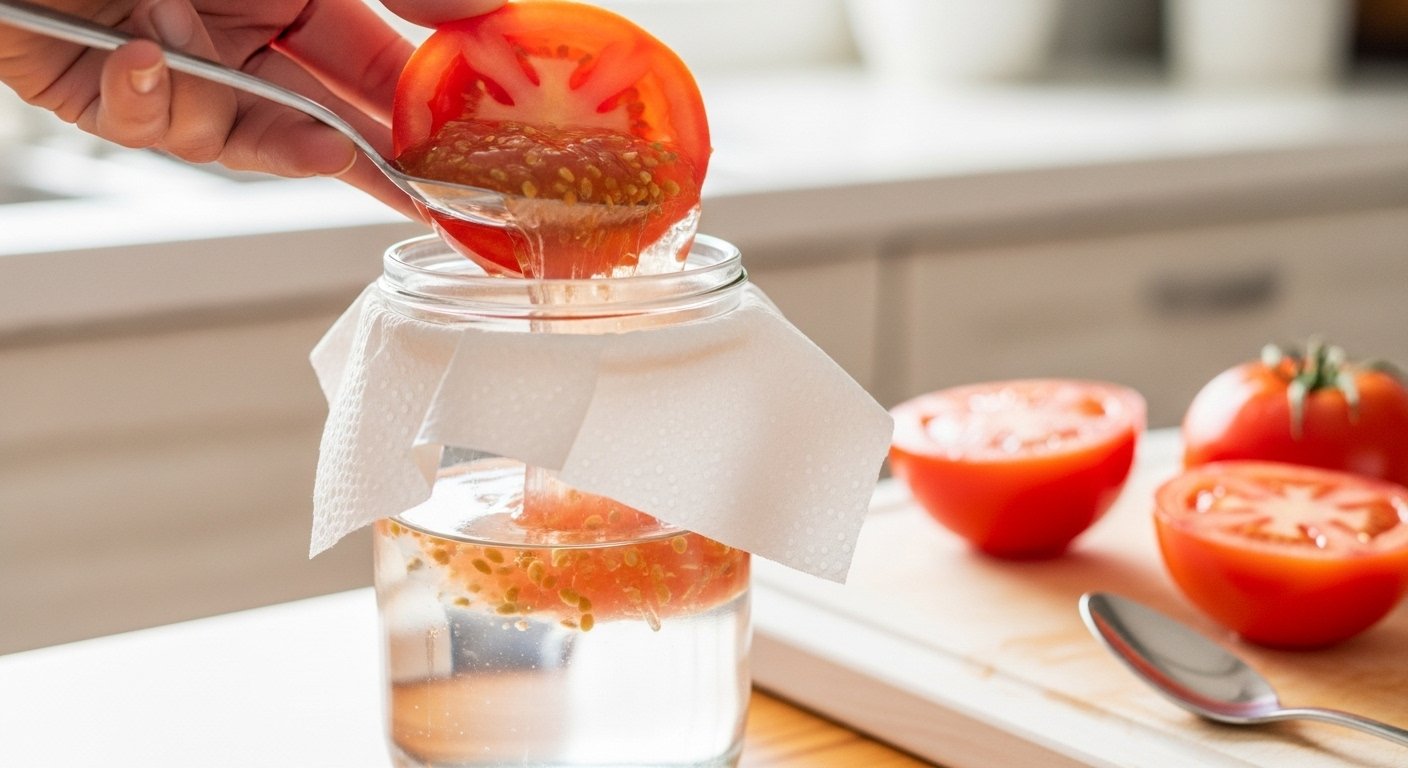
Slice the tomato in half, then use a spoon to scoop the jelly-like pulp, containing the seeds, into a glass jar. Add about twice the amount of water to the pulp, loosely cover the jar with a paper towel, and let it sit at room temperature for 2–5 days. During fermentation, a thin layer of mold will form on top—this is normal and helps break down the seed coating.
Stir the mixture daily and check for sour aromas, which indicate the process is working. When the seeds sink to the bottom and the pulp floats, pour off the liquid, add fresh water, swish the seeds around, and repeat until the seeds are clean.
Finally, spread the seeds on a paper towel or plate to dry in a warm, airy spot out of direct sunlight. Let them dry for at least a week, stirring occasionally to prevent clumping. Once the seeds are fully dry and no longer stick together, store them in an envelope or airtight container in a cool, dark place—ready for planting next season.
Testing and Storing Harvested Seeds
Before planting harvested seeds, it’s smart to check their viability with easy home tests. Try the water float method by placing seeds in a cup of water for a few minutes; discard any that float, as they’re likely not viable. Another option is the paper towel test: dampen a paper towel, sprinkle a few seeds on it, fold it up, and keep it in a warm spot for a week. Viable seeds will sprout.
Once you’ve identified healthy seeds, store them in a cool, dry, and dark place to maintain their potency. Airtight containers, like glass jars with tight lids, help prevent moisture, which can cause mold or premature sprouting—add a silica gel packet for extra protection.
Avoid common storage mistakes like keeping seeds in plastic bags (which can trap moisture) or in places that experience temperature fluctuations, such as garages or sheds. Label seeds clearly with the type and harvest date, so you don’t lose track of freshness.
With careful testing and storage, your seeds will be ready to give next season’s garden a strong start.
Planting and Growing Tomatoes from Harvested Seeds
Starting tomatoes from harvested seeds is both rewarding and cost-effective, but it requires some extra care—especially with seeds from store-bought tomatoes. Begin by scooping out the seeds and allowing them to ferment in a jar of water for a few days. This process removes the gelatinous coating and helps prevent diseases.
After fermentation, rinse and dry the seeds thoroughly before planting.
Starting Seeds Indoors
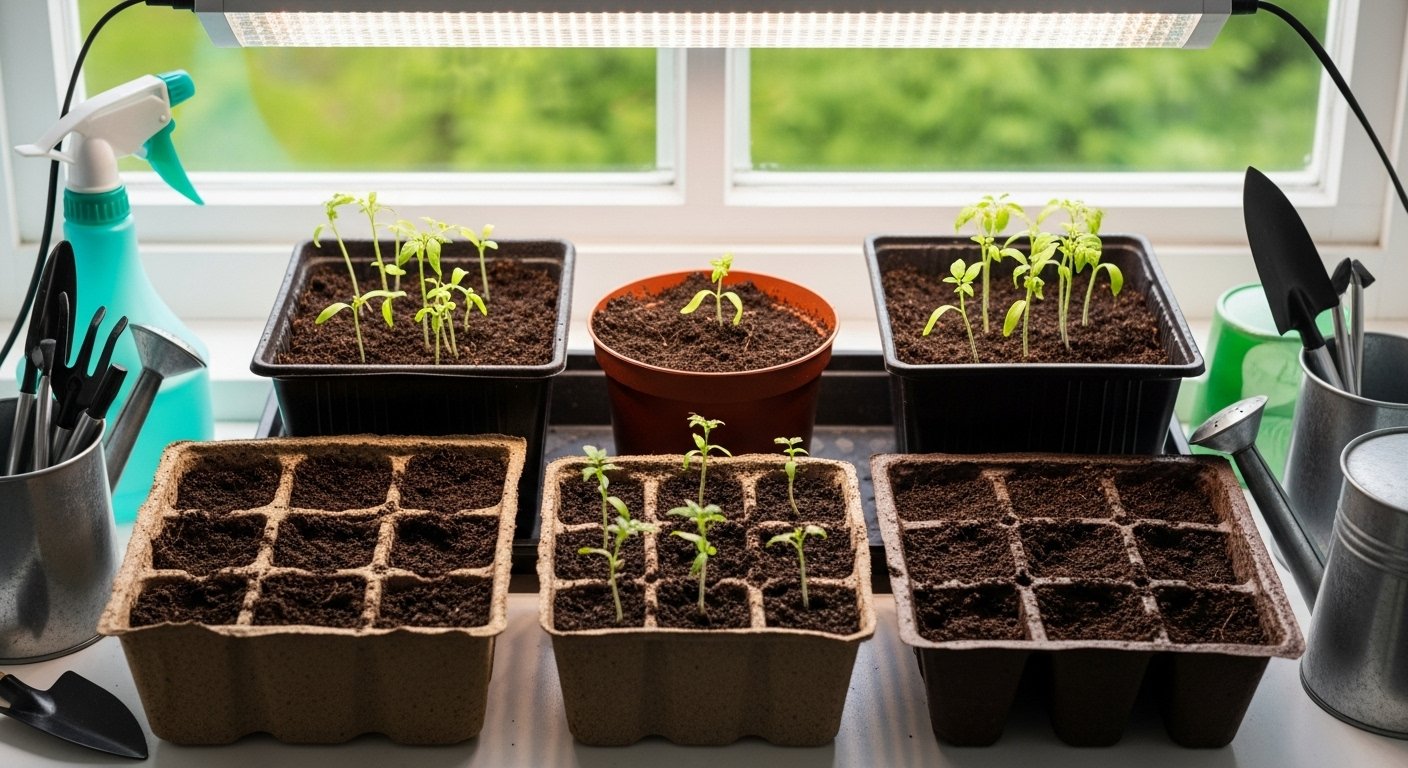
Plant the seeds in small pots or seed trays filled with a seed-starting mix about 6-8 weeks before your last expected frost. Keep the containers in a warm spot (around 70-75°F) and provide plenty of light—use a grow light or place them on a sunny windowsill, aiming for at least 14-16 hours of light per day. Water gently to keep the soil moist but not soggy.
Hardening Off and Transplanting
Once seedlings have two sets of true leaves and outdoor temperatures are stable, harden them off by gradually exposing them to outdoor conditions over the course of a week. Then transplant them outside into rich, well-draining soil with plenty of compost. Space the plants 18-24 inches apart in a location that receives at least 6-8 hours of sunlight daily.
Water deeply about once a week, aiming to keep the soil moist but not waterlogged.
Important Tips
- Seeds from grocery store tomatoes may not breed true or could carry diseases.
- Opt for organic or heirloom varieties when possible.
- Consider using disease-resistant varieties for more consistent harvests.
Potential Issues and Troubleshooting
When growing plants from seed, several common issues can pop up, but knowing what to look for and how to respond can save your crop.
Poor germination often results from old or improperly stored seeds—always use fresh seeds and ensure the soil stays evenly moist but not soggy. Diseases like damping-off, characterized by seedlings that suddenly wilt and collapse, can be minimized by using clean containers, well-draining soil, and avoiding overwatering.
Sometimes, plants may not grow “true to type,” producing unexpected fruit or flowers; this usually happens with seeds from hybrids or cross-pollinated varieties. To avoid this, choose open-pollinated seeds from a trusted supplier.
Watch out for warning signs like yellowing leaves, stunted growth, or mold on soil surfaces—these can indicate nutrient deficiencies or fungal issues. Remove sickly seedlings promptly and space your plants to boost air circulation.
By staying attentive and acting early, you greatly increase your chances of healthy, productive plants.
Is It Worth Growing Tomatoes from Store-Bought Seeds? (Pros & Cons)
Growing tomatoes from seeds taken from store-bought tomatoes can seem like a budget-friendly and fun experiment, but there are some pros and cons to consider.
On the plus side, it’s inexpensive and can be a great way to use tomatoes you already enjoy eating. However, most store-bought tomatoes are hybrids, which means their seeds may not produce plants with the same taste or vigor as the original fruit. Disease can also be an issue, since supermarket tomatoes might carry viruses that could impact your home garden.
In contrast, commercial seed packets are bred for reliability, known traits, and clearer disease resistance. If you’re just curious or want to involve kids in gardening, trying seeds from a store-bought tomato can be a rewarding mini project—just don’t rely on it for your main crop.
For a bigger yield or specific tomato qualities, it’s best to stick with reputable seed sources. Whichever path you choose, a little experimentation can lead to fun surprises.