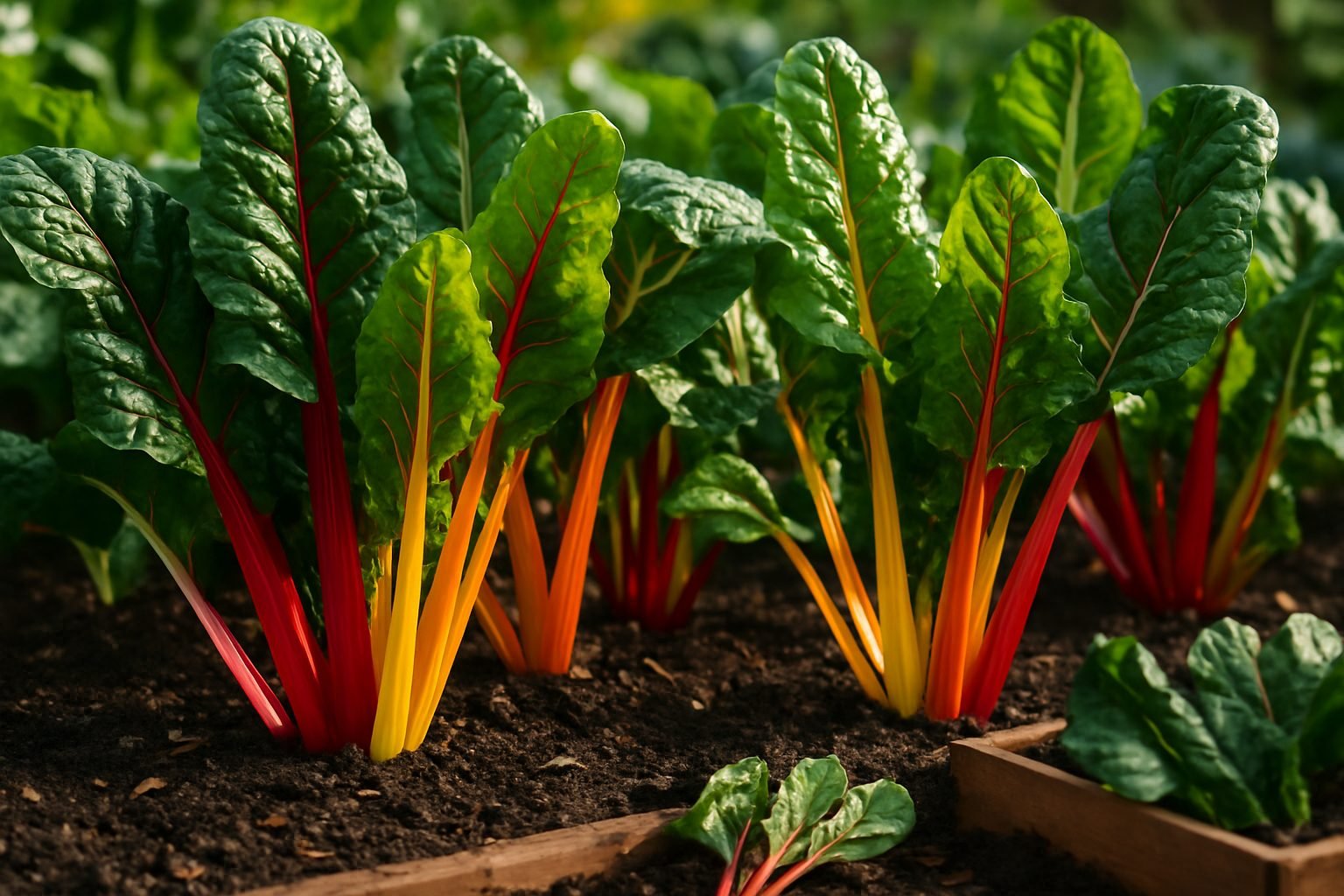
Choosing the Right Swiss Chard Variety
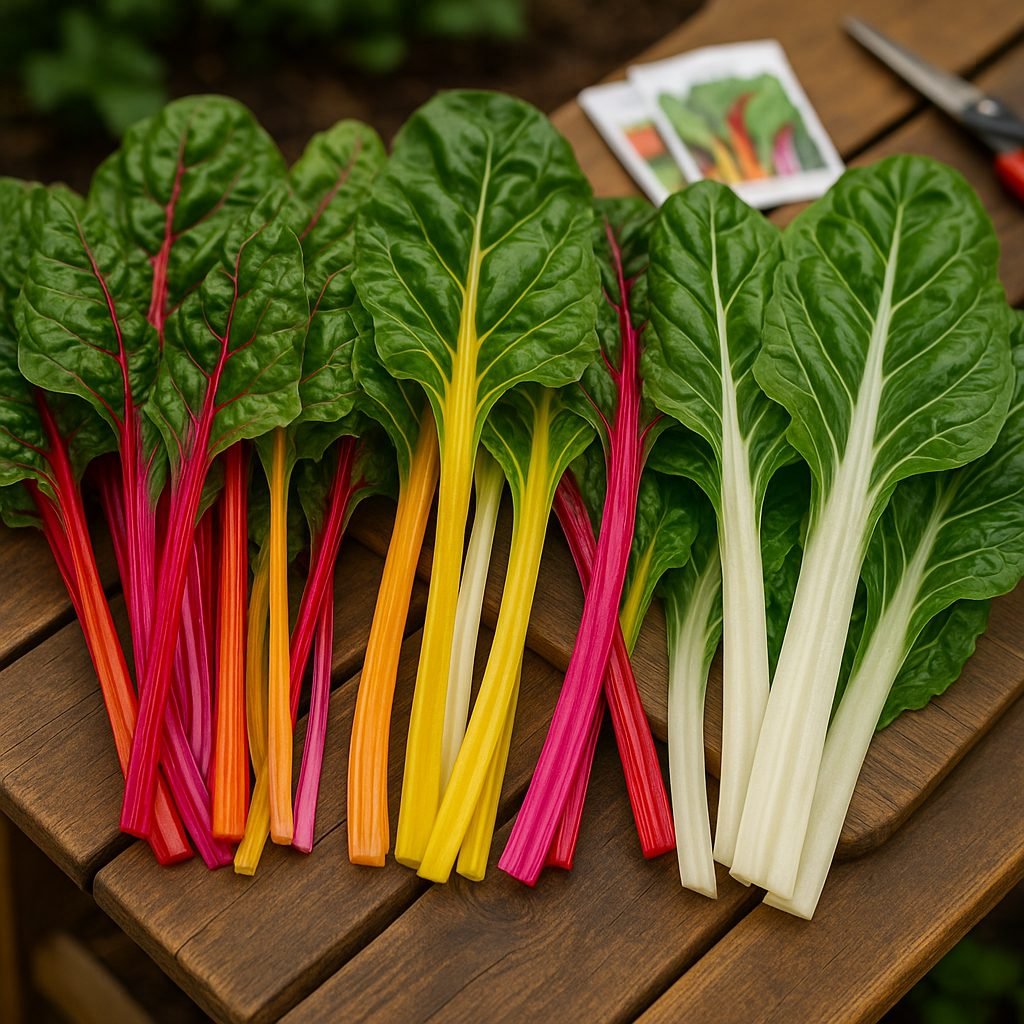
When it comes to growing vibrant, healthy greens, many gardeners wonder about Swiss chard’s sun or shade requirements—especially when picking the right variety for their space. swiss chard is a versatile leafy vegetable loved in kitchens worldwide, celebrated for its mild, earthy flavor and strikingly colorful stalks that brighten salads, sautés, and soups. From the kaleidoscope hues of Rainbow and Bright Lights to the bold, broad leaves of Fordhook Giant, each variety brings something unique to your table and garden.
Rainbow and Bright Lights Swiss chard are known for their dazzling stems in red, yellow, orange, and pink, making them as decorative as they are delicious. Fordhook Giant, on the other hand, is prized for its robust, dark green leaves and thick white stems, offering a larger, more tender yield ideal for hearty dishes. If your garden is compact, opt for Rainbow or Bright Lights—these varieties grow upright and won’t take over small beds or containers. Fordhook Giant thrives with more space and rewards you with an abundant, continuous harvest throughout the season.
When choosing a variety, consider not just your garden’s size, but also how much Swiss chard you want to harvest. Small spaces or decorative containers pair perfectly with compact, colorful varieties, while dedicated vegetable plots suit larger, higher-yielding types. No matter your choice, understanding Swiss chard sun and shade preferences will help you select the perfect variety and position for a lush, productive garden all season long.
Preparing Your Garden for Swiss Chard
To give your Swiss chard the best start, begin by choosing a spot in your garden with rich, well-draining soil. Swiss chard prefers soil that’s full of organic matter like compost or aged manure, which helps retain moisture without becoming soggy.
Aim for a neutral to slightly alkaline pH level—test kits are inexpensive and widely available, so take a moment to check. A pH between 6.5 and 7.5 is ideal.
For sunlight, Swiss chard loves full sun, but if you live in a very hot climate, offering some afternoon shade can help prevent the leaves from wilting or becoming bitter.
When picking your site, ensure there’s enough space for plants to grow—chard leaves get broad, so allow around 12 to 18 inches between rows.
Before planting, loosen the top 8 to 10 inches of soil and mix in a couple of inches of compost for added nutrients.
As for timing, you have two options:
- Sow seeds directly outdoors as soon as the soil is workable in early spring.
- Get a head start by beginning seeds indoors 2–4 weeks before your last expected frost.
For a continuous harvest, consider sowing seeds every two weeks throughout the spring. This careful preparation will encourage strong, healthy Swiss chard that thrives in your garden all season long.
How to Plant and Grow Swiss Chard Successfully
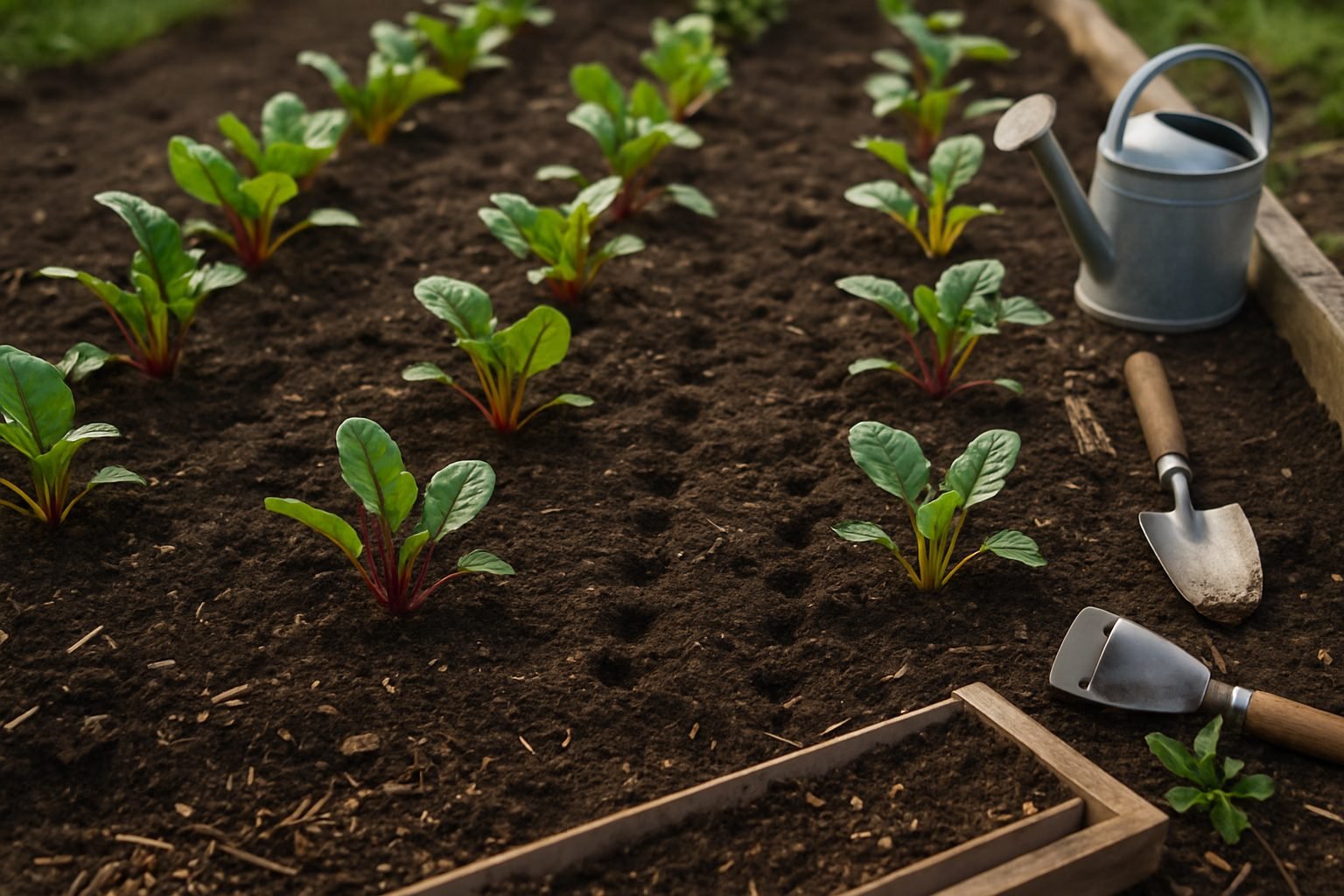
Planting Swiss chard successfully starts with knowing the right way to sow seeds. Direct sowing into the garden is common since chard tolerates cool soil, but you can also start seeds indoors a few weeks before the last frost if you want an early start.
For direct seeding, plant each seed about half an inch deep and space them about 2 inches apart in rows that are at least 12-18 inches apart. Chard seeds are actually seed clusters, so several seedlings may sprout from one spot. Water the soil gently after sowing and keep it consistently moist—chard likes even moisture and can struggle in dry conditions.
If you started chard indoors, transplant seedlings outside when they have two true leaves and nighttime temperatures remain above freezing. Harden the young plants by gradually exposing them to outdoor conditions over a week, then plant them 6-8 inches apart to give them room to grow.
As chard grows, thin out crowded clumps so only the healthiest plant is left every 6-8 inches. This boosts air circulation and reduces disease risk.
Ongoing Care
Water deeply about once a week or more often during hot, dry spells, aiming for moist but not waterlogged soil. Fertilize monthly with a balanced, all-purpose fertilizer or enrich the soil with compost at planting time and as a midseason top-dressing for robust leafy growth.
Companion Planting
Swiss chard pairs well with onions, beans, and cabbage family crops. It benefits from the pest-repelling power of onions and the nitrogen-fixing ability of beans, while its upright leaves can shade the soil for more delicate companions. Avoid planting with potatoes or corn, which can compete for nutrients.
With these steps, your Swiss chard crop will thrive and provide a steady harvest of nutritious greens all season long.
Maintaining Healthy Swiss Chard: Watering, Feeding, and Sunlight Needs
Healthy Swiss chard thrives when you strike the right balance between watering, feeding, and sunlight. Start by watering thoroughly when the top inch of soil feels dry—avoid keeping the soil soggy, as Swiss chard’s roots are prone to rot in waterlogged conditions. If you’re gardening in containers, ensure pots drain well to prevent standing water. Mulching around the base can help regulate soil moisture, reducing how often you need to water during hot spells.
For feeding, Swiss chard is a moderate feeder and benefits from regular boosts. Mix in compost or a balanced slow-release fertilizer at planting time, then side-dress with compost or a low-nitrogen, high-phosphorus fertilizer every 4–6 weeks. Too much nitrogen can create lush leaves but make plants more susceptible to pests, so stick to fertilizer mixes with balanced NPK ratios.
Swiss chard loves sunlight but can wilt under scorching midday rays, especially in warmer regions. Aim for six hours of full sun each day, but if you’re growing where summers are hot, provide dappled afternoon shade or grow in a spot with morning sun to avoid leaf scorch. If the plant doesn’t get enough light, you’ll notice smaller, pale leaves and slow growth. On the other hand, too much hot sun leads to wilting, crispy leaf edges, and bolting.
By paying attention to these basics, you’ll raise Swiss chard that’s vibrant, tender, and productive all season long.
Protecting Swiss Chard from Pests and Problems
Swiss chard is a resilient leafy green, but it can still attract pests like aphids, leaf miners, and slugs.
Aphids cluster on stems and undersides of leaves, sucking plant sap—try spraying them off with a strong jet of water or use insecticidal soap for stubborn infestations.
Leaf miners tunnel inside leaves, creating unsightly trails; remove and dispose of affected leaves right away to keep their numbers down.
Slugs love young chard, especially in damp gardens, so use barriers like crushed eggshells or set shallow dishes of beer to lure and trap them.
Besides pests, watch for yellowing leaves, often a sign of overwatering, poor drainage, or nutrient deficiencies—check that soil isn’t soggy and feed with a balanced organic fertilizer if needed.
Bolting, when plants suddenly send up flower stalks, typically happens in hot weather; choose bolt-resistant varieties and provide some afternoon shade to delay this.
Prevent most issues by spacing plants for good airflow, rotating crops each season, and keeping the garden bed free of debris where pests can hide.
Regular inspections let you spot and fix problems early, ensuring a steady harvest of healthy, vibrant Swiss chard.
How and When to Harvest Swiss Chard
Swiss chard is ready to harvest when the outer leaves reach about 6 to 8 inches long, usually 4 to 6 weeks after planting from seedlings. Look for leaves that are vibrant in color and firm—avoid harvesting any yellowed or wilted ones.
To pick Swiss chard without damaging the plant, use a clean pair of garden scissors or a sharp knife to cut the outermost leaves about 1 to 2 inches above the soil. Always leave the tender central leaves intact, as these will continue to grow for future harvests.
By removing only a few leaves at a time and spacing out your picking sessions, you’ll encourage the plant to keep producing new foliage throughout the season. Water regularly and add mulch to help keep the soil moist, which supports lush regrowth and extends your Swiss chard harvest well into the cooler months.
Storing and Using Your Harvest
To keep your Swiss chard fresh in the short term, rinse the leaves, dry them thoroughly, and store them in a sealed bag with a paper towel in the crisper drawer. It usually lasts up to a week this way. For long-term storage, blanch chopped chard in boiling water for two minutes, then cool it quickly in ice water before freezing in airtight containers or freezer bags.
Swiss chard is super versatile in the kitchen:
- Sauté it with garlic for a quick side
- Stir it into soups and stews near the end of cooking
- Use the tender leaves as a healthy wrap for fillings