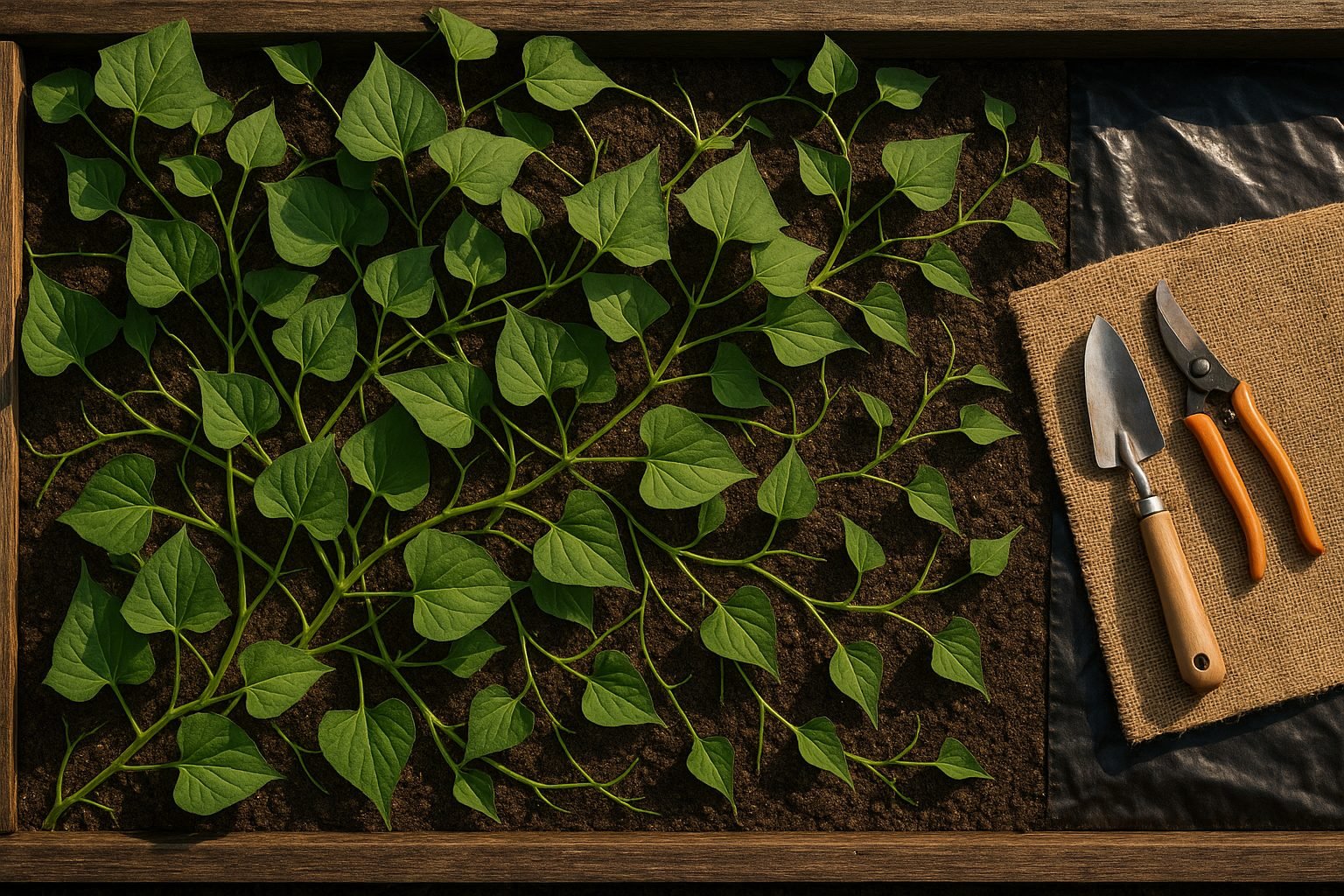
Understanding Sweet Potato Climate and Temperature Needs
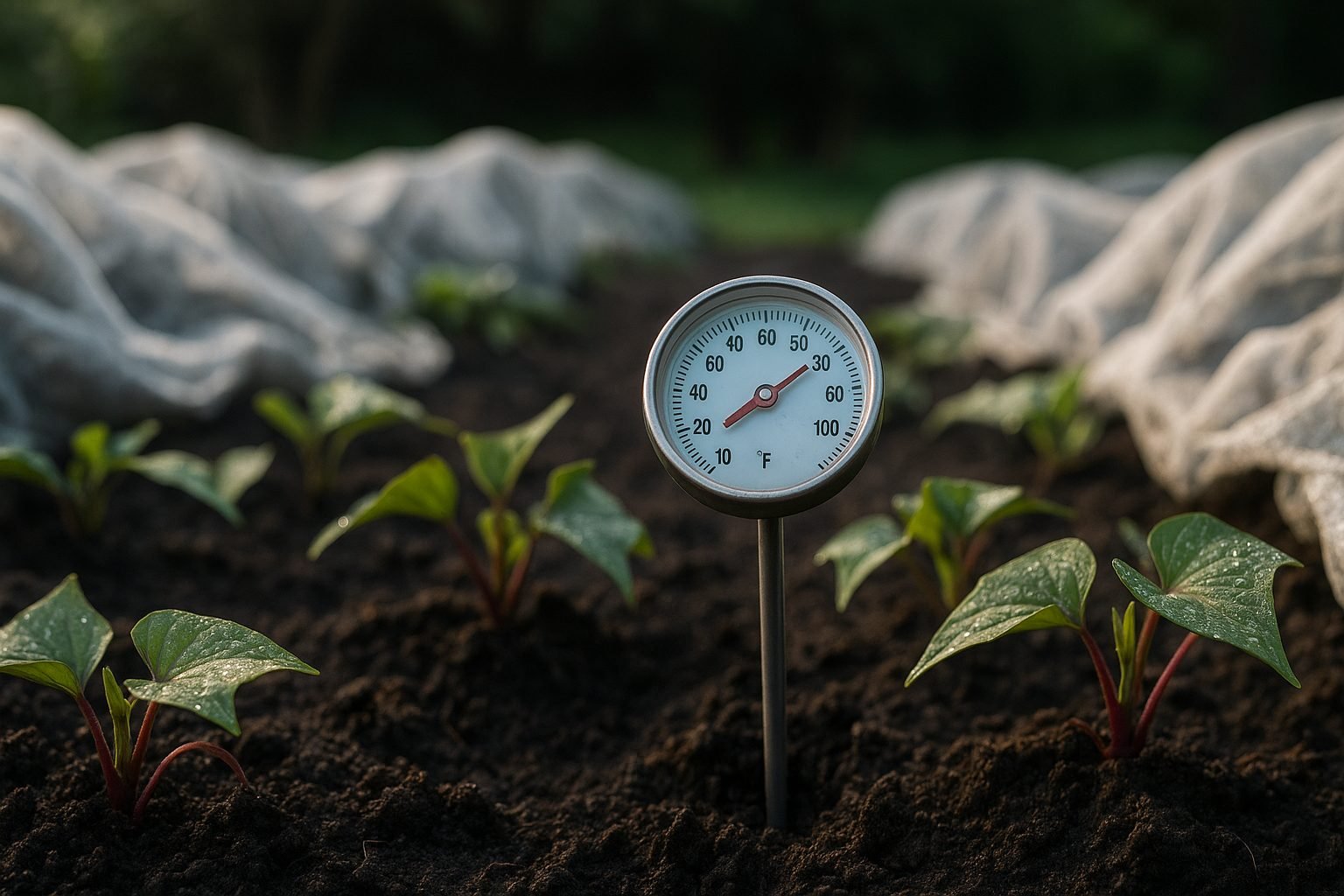
Wondering about sweet potato frost tolerance as you plan your garden? Knowing how cold is too cold for sweet potatoes can make all the difference between a bountiful harvest and a season of disappointment. Sweet potatoes thrive when daytime temperatures consistently stay between 70°F and 85°F, with soil temperatures above 60°F for healthy root development.
Unlike some hardy veggies, sweet potatoes are extremely frost-sensitive; even brief dips below 50°F can stunt growth, and a frost will almost always damage or kill the vines and tubers. This vulnerability means timing is everything—planting too early or leaving your crops in the ground too late in the fall is risky. Even a light frost may leave blackened, wilted leaves and start rot in underground tubers.
Microclimates and Their Effects
However, not all gardens face the same risks. Microclimates—small areas where conditions differ from the surrounding region—can influence sweet potato frost tolerance in surprising ways. For example, planting on a south-facing slope might help your soil warm up faster in spring, while a valley or low spot could pool cold air and bring earlier frosts.
Unpredictable weather patterns, like a sudden cold snap or unseasonably cool nights, also pose threats, so stay alert to forecasts. Season-extending techniques such as row covers or raised beds can offer extra protection in borderline situations. With careful attention to temperatures and microclimates, you can stretch the growing season and protect your sweet potato crop from chilling setbacks.
Regional and Microclimate Suitability
Sweet potatoes thrive best in warm, frost-free regions and are generally ideal for USDA Zones 8 through 11, where long, hot summers allow them to fully mature. If you live in cooler or marginal climates—such as USDA Zones 6 or 7—don’t worry; with a few strategic adjustments, you can still enjoy a successful sweet potato harvest.
Start by giving your slips (young sprouts) a head start indoors about 6 to 8 weeks before your last expected frost. Use containers, trays, or even jars of water to sprout slips from organic sweet potatoes placed on a sunny windowsill or under grow lights. Once the risk of frost has passed and the soil warms to at least 65°F, transplant the slips outdoors, ideally in raised beds or black plastic mulch, which helps retain heat.
Choose a location that receives full sun throughout the day; sweet potatoes need at least six hours of direct light to form large, healthy tubers. In areas with short summers, you can further extend the growing season by using row covers or cold frames to protect young plants during cooler spells.
Additionally, steer clear of low-lying spots where cold air settles—microclimates matter, and south-facing slopes or walls can give you a vital temperature boost.
By tailoring your planting strategies and site selection, gardeners in less-than-ideal climates can maximize their sweet potato yields and enjoy this nutritious crop even outside of the traditional southern growing belt.
Getting Started: Choosing Varieties and Planning Your Plot
Choosing the right sweet potato variety is the first step for a successful harvest, and your local climate plays a big role. In warmer southern regions, classic ‘Beauregard’ or ‘Centennial’ are favorites thanks to their early maturity and reliable yields, while gardeners in cooler areas do well with ‘Georgia Jet’ or ‘Vardaman’ varieties that mature quickly and tolerate shorter seasons.
When deciding how many to plant, a good rule is to allow about 3-5 plants per person; each plant produces 3-5 pounds of sweet potatoes, enough for several hearty meals. For a family of four, 12-20 slips (young plants) should provide plenty for daily use and some storage.
Before you get planting, find a sunny, well-drained spot—sweet potatoes thrive in areas with full sun and sandy or loamy soil. Avoid low-lying or heavy clay spots, which hold water and can cause the roots to rot.
Loosen the soil 8-12 inches deep and work in plenty of compost or well-rotted manure to boost fertility and drainage. Plan to give each plant about a foot of space in all directions, as sweet potatoes love room to spread.
For the most bountiful harvest, rotate your crop yearly to avoid soil-borne pests and diseases, and consider using raised beds if your soil doesn’t drain well. Starting with the right variety, a sensible planting plan, and a thoughtfully prepared site sets you up for a sweet and satisfying season.
Planting Sweet Potatoes: Step-by-Step Guide
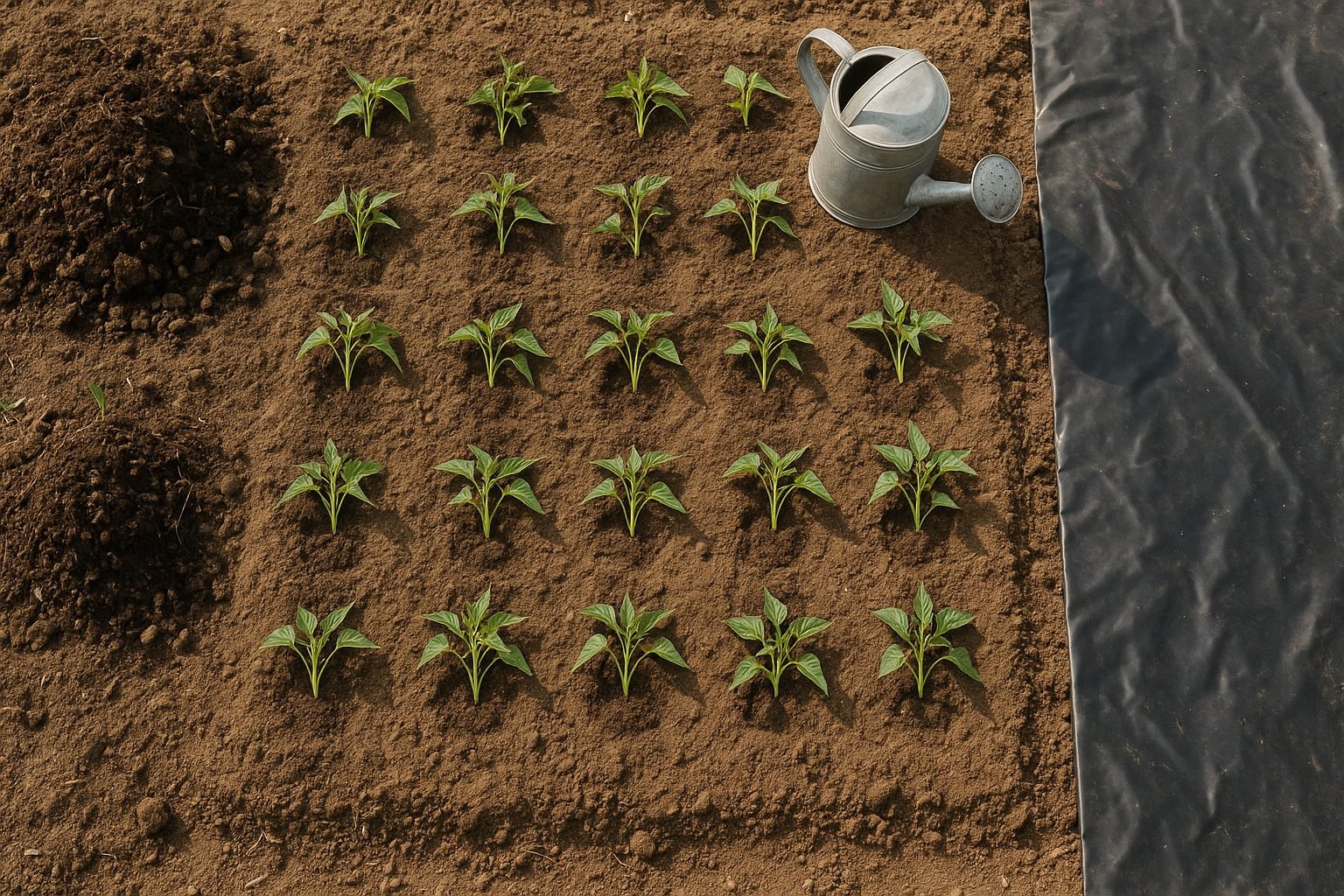
Successful sweet potato planting starts well before you tuck those slips into the ground. First, choose a sunny location with loose, well-draining soil—sweet potatoes despise soggy roots. Prepare the soil by loosening it to at least a foot deep, incorporating plenty of compost or aged manure to create fluffy, nutrient-rich beds.
If your soil is heavy or clay-based, consider raised rows or beds 8–12 inches high; this prevents waterlogging and warms faster in spring, which is key for sweet potatoes’ heat-loving nature.
Plant slips (young vine cuttings) once both soil and nighttime temperatures are reliably above 60°F—usually several weeks after the last frost. Space slips 12–18 inches apart in rows about 3 feet apart. Make a small hole with your hand or a dibber, set each slip so the lower nodes are buried up to the first leaves, then press soil gently but firmly to hold it upright.
Water thoroughly right after planting to settle the soil and reduce transplant shock. Keep the bed consistently moist—but never waterlogged—throughout the first couple of weeks.
In cooler or short-season areas, warm the soil ahead of time with black plastic mulch and consider row covers to trap warmth after planting. In very hot climates, plant early in the spring or provide some afternoon shade for young slips.
Mulching with straw or compost helps retain moisture and prevents weeds, which can quickly compete with your tender slips. Consistent but not excessive watering, especially as roots form, is key to strong establishment—you want soil that’s damp like a wrung-out sponge, not soggy.
With these steps, your sweet potatoes will settle in and grow vigorously, ready for months of sunshine and, eventually, an autumn harvest.
Ongoing Sweet Potato Care: Watering, Feeding, and Training Vines
To keep your sweet potatoes thriving all season, consistent care is key. Sweet potatoes prefer soil that’s evenly moist but never soggy—water deeply once a week, especially during dry spells, to keep the soil moist 6–8 inches down. Avoid shallow, frequent watering, which can cause shallow tubers. If your region gets regular rain, you may not need to water as often.
For healthy growth, feed your plants with a balanced fertilizer low in nitrogen, like a 5-10-10 blend, once after planting and again mid-season. Too much nitrogen will cause bushy leaves but fewer tubers, so stick to the recommended dose and avoid high-nitrogen products.
Weeds can compete for nutrients and water, so keep them in check by regularly hand-pulling or carefully hoeing around the vines. Applying a 2–3 inch layer of straw or leaf mulch helps suppress weeds, lock in soil moisture, and regulate temperature.
As vines spread, consider gently training them to grow within your planting bed or around obstacles; just lift and redirect the vines every so often to keep them from rooting outside your desired area. Pruning isn’t usually necessary unless space is tight—if so, snip back the longest runners to prevent them from overtaking walkways or neighboring plants.
For gardens with limited space, you can support vines by guiding them over low trellises or along ground covers. This also keeps tubers forming closer to the mother plant for easier harvests.
With these steps, your sweet potatoes will stay healthy and productive all growing season.
Harvesting, Curing, and Storing Your Sweet Potatoes
Knowing when to harvest your sweet potatoes is key to enjoying the best flavor and storage life. Look for yellowing leaves, which signal the tubers are mature—usually about 90 to 120 days after planting, depending on your variety. Use a garden fork or spade to gently loosen the soil around the plant, being careful not to nick the delicate skins; even minor cuts can invite rot during storage.
Once you’ve gathered your harvest, curing is the next essential step. Spread your sweet potatoes out in a warm, humid spot—ideally around 85°F with 85–90% humidity—for about 7 to 10 days. Curing helps toughen the skins and converts starches to natural sugars for that deliciously sweet flavor.
After curing, store your sweet potatoes in a cool, dark, and well-ventilated place like a pantry or basement, where temperatures stay between 55–60°F and humidity is moderate. Avoid storing them in the fridge, as cold temperatures can alter their texture and taste. Check your stored tubers regularly for any signs of spoilage and remove any that show shriveling or soft spots.
With proper harvesting, curing, and storage, you’ll be able to savor homegrown sweet potatoes for months to come.
Troubleshooting Common Sweet Potato Problems
Sweet potatoes are hardy crops, but they can still encounter issues from pests, diseases, and growth problems. Here are some common challenges and how to handle them.
Pests
One common pest is the sweet potato weevil, which bores into roots and stems, creating dark tunnels. Watch for chewed leaves or unusual holes. To manage them:
- Use floating row covers early in the season.
- Remove any infested plants immediately.
Wireworms also attack roots, leaving small holes and causing wilting. To control wireworms:
- Practice crop rotation.
- Avoid planting in areas with grassy weeds.
Diseases
Diseases like root rot and scurf cause sweet potato skins to darken or develop mushy patches. Prevent these problems by:
- Planting disease-free slips.
- Ensuring good soil drainage.
- Avoiding overhead watering.
Growth Issues
Poor growth or deformed roots often result from compacted soil, insufficient sunlight, or overcrowding. To improve growth:
- Loosen soil thoroughly before planting.
- Keep beds free of weeds.
- Space slips about 12–18 inches apart.
Additional Tips
For future seasons, practice crop rotation by not planting sweet potatoes or related crops in the same spot two years in a row. Always clean up plant debris after harvest to reduce overwintering pests and diseases. Adding compost can also boost soil health and resilience. Regular checks and good garden hygiene go a long way toward hearty, healthy sweet potatoes.
Total Word Count
When trying to hit a target word count for your writing, like the 1,750 words you may need for a detailed blog post or article, it helps to break your work into sections or headings. For example, outlining key topics or questions first ensures you don’t miss any major points.
As you draft, give yourself permission to explore subtopics, add examples, or include quotes and statistics—they all boost your total while making your content richer. Don’t forget editing: sometimes, expanding on a brief point or rephrasing a sentence adds both clarity and length.
If you find yourself short, add actionable tips, real-life anecdotes, or a frequently asked questions section to deliver more value for readers and meet your goal.