Introduction
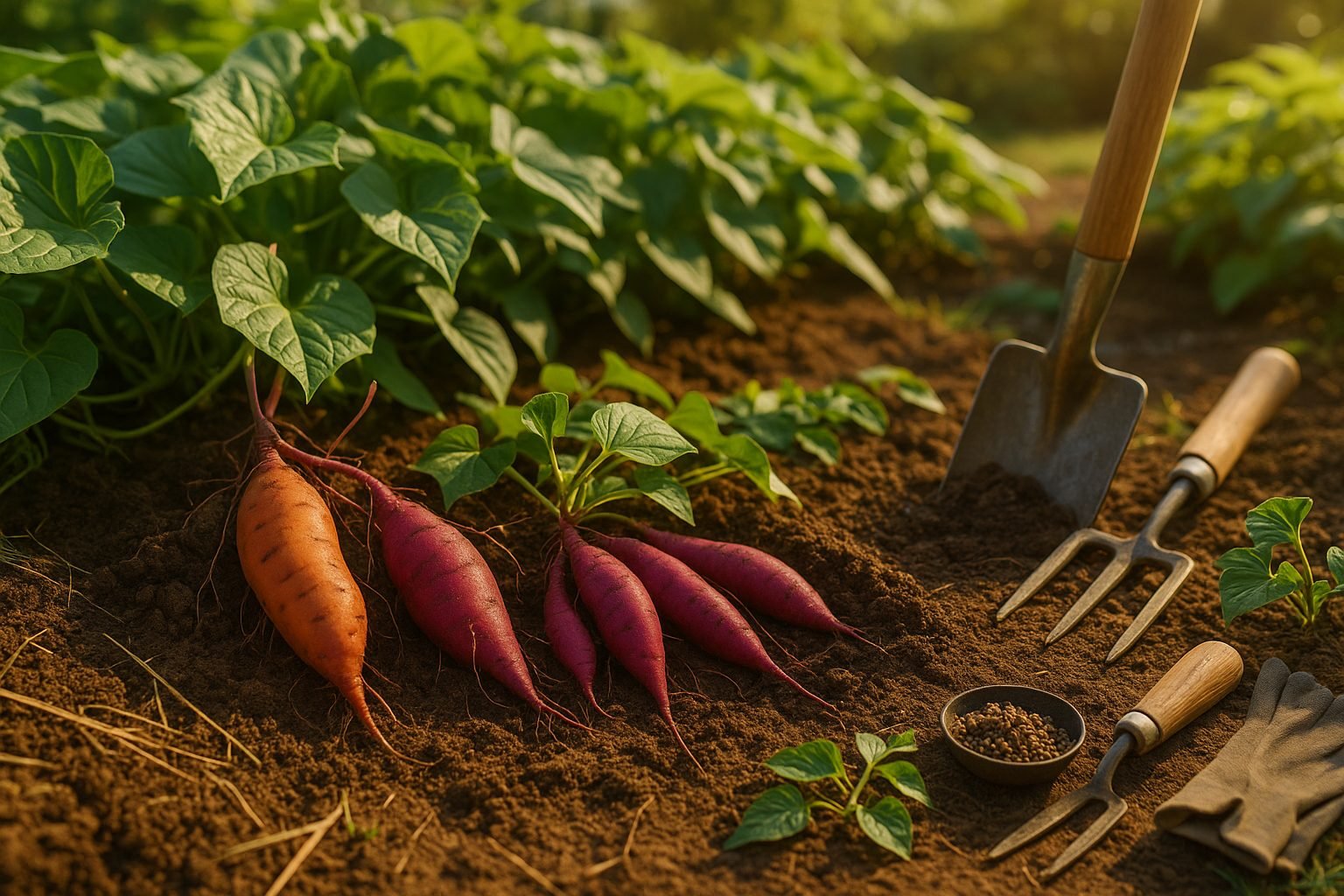
Year round sweet potatoes are more than just a gardener’s dream—they’re a possibility worth exploring if you love this vibrant, nutritious root vegetable. Known for their naturally sweet flavor and impressive nutritional profile, sweet potatoes have become a staple in home gardens and kitchens alike. But can you actually grow sweet potatoes year round, ensuring a steady supply for your table no matter the season?
For home gardeners, the ability to extend or maintain a perennial sweet potato patch has major benefits: not only can you enjoy fresh harvests throughout the year, but you also reduce grocery trips and maximize your garden’s productivity. In this article, we’ll explore what it takes to grow sweet potatoes year round, including tips for different climates, selecting the right varieties, using containers or indoor setups, and maintaining plant health during the off-season.
Whether you live in a warm region or want to experiment with indoor growing, you’ll find practical advice to help you enjoy sweet potatoes well beyond the typical planting season.
Understanding Sweet Potato Growth Cycles
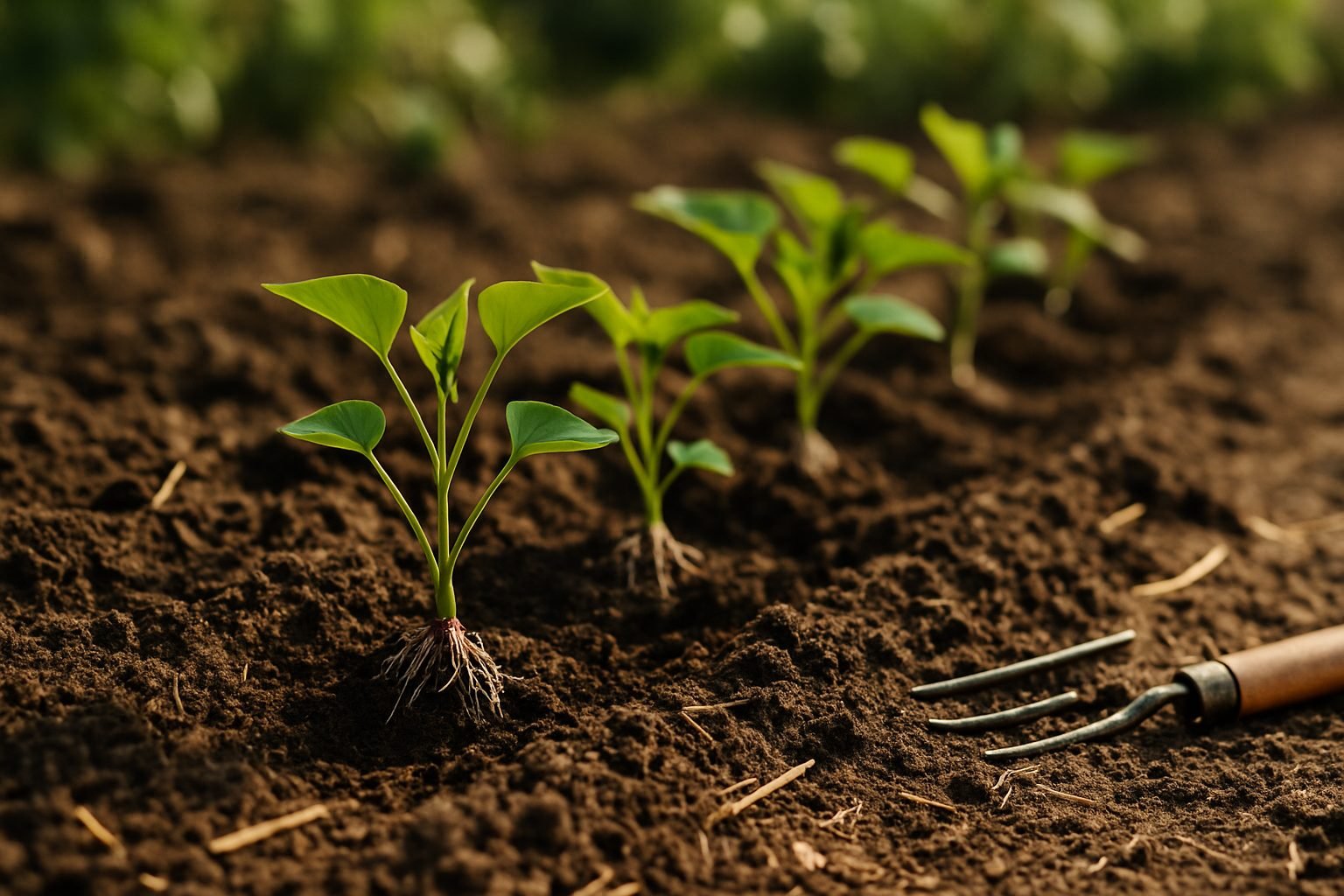
Sweet potatoes thrive in warm climates and are naturally suited to regions with long, frost-free growing seasons. Ideally, they prefer daytime temperatures between 75-95°F (24-35°C) and soil temperatures consistently above 65°F (18°C), making them true warm-season crops. Their growth cycle begins with slips—small shoots grown from mature sweet potatoes. When planted, these slips take root and quickly develop into trailing vines. From there, the plants need about 90-120 frost-free days to produce sizable, flavorful tubers. This process requires full sun exposure, well-draining soil rich in organic matter, and consistent moisture, especially as the roots start expanding underground.
Sweet potatoes are particularly sensitive to cold. Even a light spring or fall frost can seriously damage their growth, and cool soil temperatures slow or stop tuber development altogether. This sensitivity limits their natural growing season, which is why they’re typically cultivated from late spring to early fall. Growing sweet potatoes year round is usually only possible in tropical and subtropical regions where temperatures rarely dip below their ideal range. In cooler climates, cold weather signals the end of the growing cycle, causing vines to blacken and requiring harvest before the first frost to avoid tuber damage. For gardeners in temperate zones, season extension techniques like greenhouses or row covers can sometimes prolong growing times, but true year round sweet potatoes are mostly limited to consistently warm areas or controlled indoor environments.
Climate and Environmental Requirements for Year Round Sweet Potatoes
Sweet potatoes thrive best in warm, sunny conditions, which makes their environmental needs quite specific for year round sweet potatoes. Ideally, these tubers require daytime temperatures between 70°F and 85°F, with nighttime temperatures staying above 55°F. Anything lower can dramatically slow their growth or even damage the vines and roots.
For soil, sweet potatoes perform best in loose, well-draining sandy loam that’s rich in organic matter. Compact or heavy soils can stunt root formation and lead to poor yields. Since sweet potatoes are sun lovers, they need at least six to eight hours of direct sunlight each day to grow large, healthy tubers.
Growing sweet potatoes year round in colder climates or areas with short frost-free periods can be challenging. Frosts easily kill vine growth, so gardeners in these regions often rely on heated greenhouses or season-extending methods like row covers and cold frames. Replicating long, consistently warm days indoors can also add complexity and cost.
Humidity and rainfall play important roles as well. Sweet potatoes prefer moderate humidity—too dry can stunt growth, while too much moisture can encourage fungal diseases or root rot, especially if soil drainage is poor. To prevent issues, regular but not excessive watering is essential, keeping the soil damp but not soggy.
In regions with heavy, sustained rainfall, growers might create raised beds to improve drainage or harvest a bit earlier to avoid tuber rot. Overall, adapting to the specific climate and environmental needs is crucial for successfully growing year round sweet potatoes.
Year-Round Growing Strategies
Achieving year round sweet potatoes is totally doable with a bit of creativity and planning, even outside their usual warm-season window. One great way to get a head start is to begin sweet potato slips (rooted cuttings) indoors as early as late winter, using small containers or jars of water placed on a sunny windowsill. This jumpstarts their growth before it’s warm enough to plant outside.
For the main growing season, greenhouses and cold frames are game changers—they trap heat, shield plants from chilly nights, and can extend your growing window by several weeks or more. If outdoor space is tight or your growing season is short, consider growing sweet potatoes entirely indoors. Use deep containers (at least 12 inches) filled with loose, well-draining soil, and provide consistent warmth (around 75–85°F) along with strong grow lights. Rotate the containers occasionally for even light exposure, and keep the soil moist but not soggy.
In milder climates, succession planting—planting new slips every few weeks—helps maintain a steady supply of tubers. Some gardeners even overwinter sweet potatoes by mulching beds thickly with straw or leaves, or by growing them in protected spots near heat-retaining walls.
To maximize yields year round, focus on optimizing soil nutrition with compost, giving each plant enough space, and regularly checking for pests—especially indoors, where spider mites and aphids are common. Harvesting young “baby” sweet potatoes can also free up space for new slips while providing you with a tender, delicious crop.
With smart timing, creative use of indoor and outdoor spaces, and attentive care, harvesting homegrown sweet potatoes in every season is absolutely within reach.
Best Varieties for Year-Round Cultivation
When aiming for year round sweet potatoes, choosing the right variety makes all the difference. For shorter growing seasons or indoor setups, look for early-maturing cultivars like ‘Beauregard,’ known for its quick production (about 90–100 days) and reliable yields. Another great option is ‘Georgia Jet,’ prized for its rapid growth, adaptability to cooler climates, and compact vines, making it perfect for containers and small indoor spaces.
If disease resistance is a concern, consider ‘Covington,’ which offers strong resilience against common root diseases—especially valuable when reusing potting mixes or rotating crops indoors. Varieties like ‘Bush Porto Rico’ are also excellent for limited spaces, as their shorter vines are easier to manage inside a greenhouse or on a sunny windowsill.
Keep in mind that some cultivars thrive better in containers, while others need more space and warmth. When sourcing slips (young sweet potato shoots for planting), look to local garden centers or reputable online suppliers specializing in heirloom or container-friendly varieties. Ordering early in the season ensures you get healthy, vigorous slips tailored to your growing conditions and method, setting you up for year round sweet potato success.
Troubleshooting Common Challenges
Growing year round sweet potatoes indoors or in protected environments comes with unique challenges. However, with a few proactive steps, you can keep your crop healthy and productive. One common issue is inadequate lighting, as sweet potatoes need plenty of bright, direct light to thrive indoors. Supplemental grow lights set on a 12-16 hour timer can help mimic natural sunlight, especially during the short days of winter.
Humidity and temperature control are equally important—sweet potatoes grow best in warm, humid conditions, ideally between 75-85°F and 60-70% humidity. Using a small humidifier and a heat mat beneath containers can help recreate these tropical conditions, while proper ventilation prevents excess moisture, which can lead to root rot.
If you notice yellowing leaves or mushy roots, check for soggy soil and reduce watering. Indoor gardens are also more vulnerable to pests like spider mites and aphids, so routinely inspect your plants’ leaves and try neem oil or insecticidal soap at the first sign of trouble.
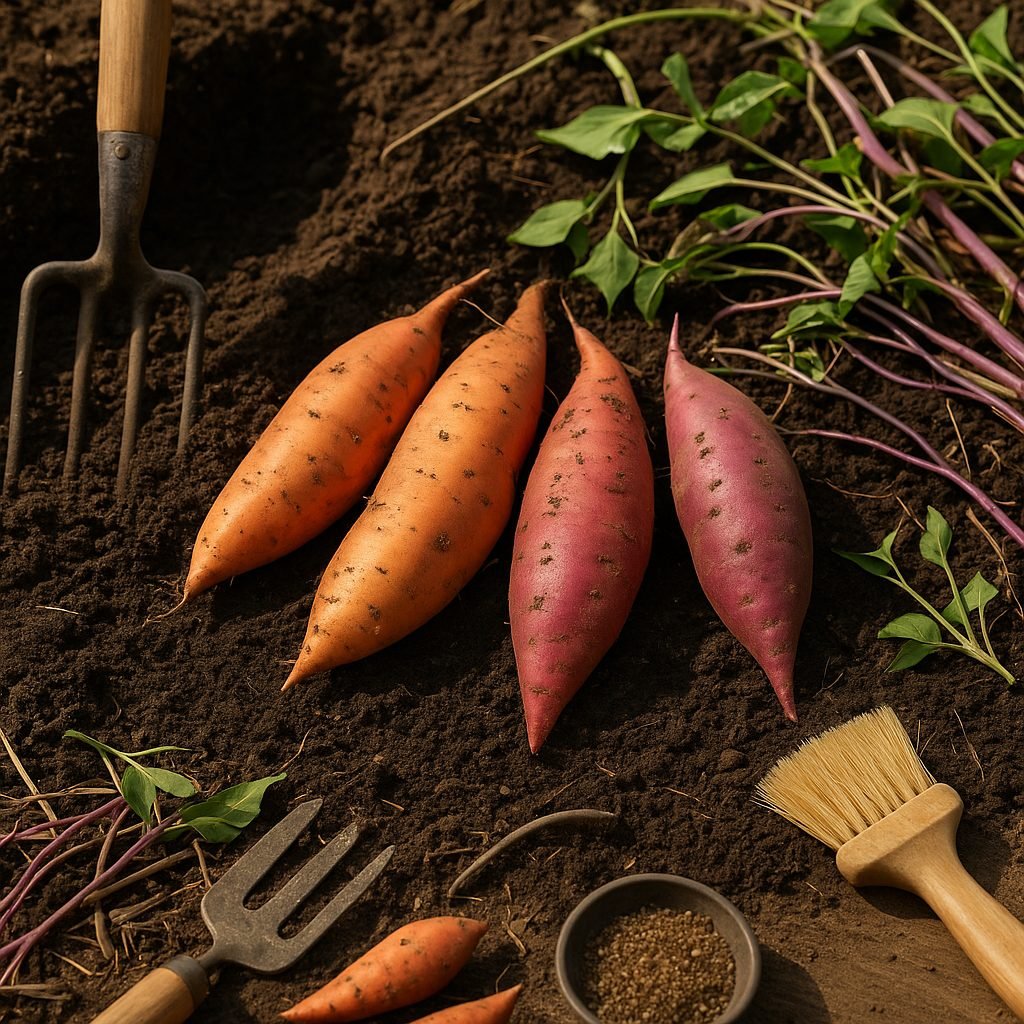
When harvesting a steady stream of tubers throughout an extended growing period, proper storage is critical. Cure the sweet potatoes in a warm, humid spot for about 10 days to toughen their skins, then store them in a cool, dark place (around 55-60°F), ensuring good air circulation to prevent spoilage and sprouting.
Conclusion & Next Steps
Growing year round sweet potatoes is entirely possible when you tailor your approach to your local climate and available resources. In warm, frost-free regions, you can plant and harvest sweet potatoes almost anytime, making year-round cultivation simple. For gardeners in colder climates, techniques like using greenhouses, indoor container growing, or starting slips early indoors can help extend your growing season—transforming what’s usually a summer-only crop into a nearly year-round project.
Whether you have a backyard plot, a sunny windowsill, or a heated hoop house, there’s a strategy for everyone to enjoy fresh sweet potatoes regardless of the weather. Ready to expand your homegrown harvest? Check out our articles on how to grow carrots indoors and cold-weather gardening tips for root vegetables to keep your garden thriving through every season.