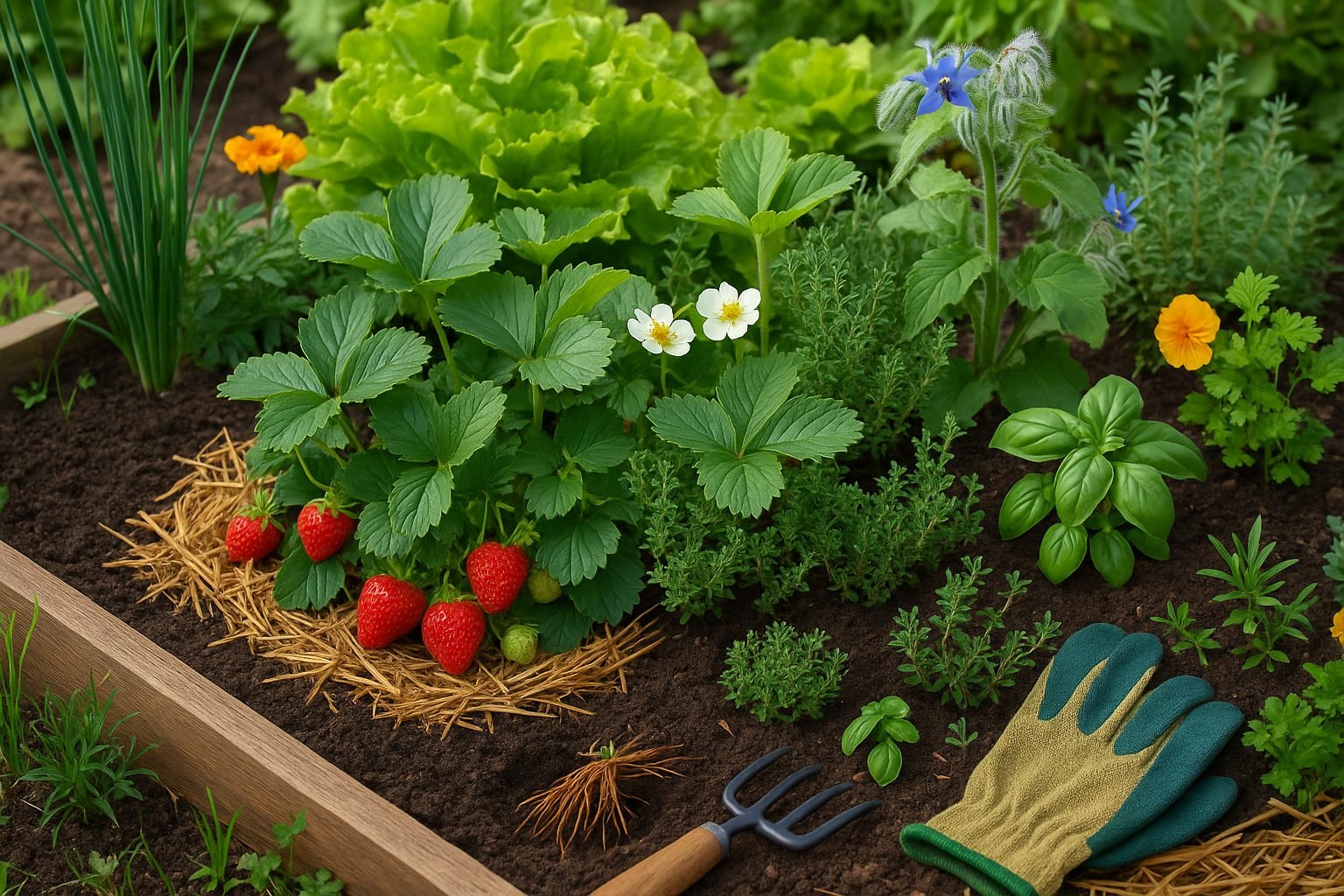
Introduction to Companion Planting with Strawberries
Interplanting strawberries is more than just a space-saving strategy—it’s a smart way to boost your garden’s health and productivity. Companion planting, the time-tested practice of growing different crops close together for mutual benefit, can make all the difference for strawberry gardeners. By surrounding your strawberries with compatible neighbors like lettuce and herbs, you can improve pest control, enhance soil health, and maximize your harvests without the need for harsh chemicals or extra effort. It’s about building a tiny ecosystem where each plant helps the others thrive.
The real key to success with interplanting strawberries lies in carefully choosing which plants will share their space. Some companions, like leafy lettuces, provide ground cover that suppresses weeds and helps keep the soil moist—two critical factors for juicy, happy strawberries. Others, including fragrant herbs such as basil, thyme, or chives, can deter common pests, reducing the chances of disease and saving you time on maintenance. Selecting the right partners not only supports the healthy growth of your strawberry plants but also encourages higher yields and tastier fruit.
In this article, we’ll dive deeper into the basics of companion planting, focusing specifically on interplanting strawberries with lettuce and herbs. You’ll discover which combinations work best, how to arrange plants for optimal results, and practical tips to turn even a small patch of garden into a thriving, multispecies oasis. Whether you’re growing in a backyard bed or a few pots on your balcony, you’ll gain actionable advice to make your strawberries flourish alongside their new leafy and herbal friends.
Top Companion Plants for Strawberries
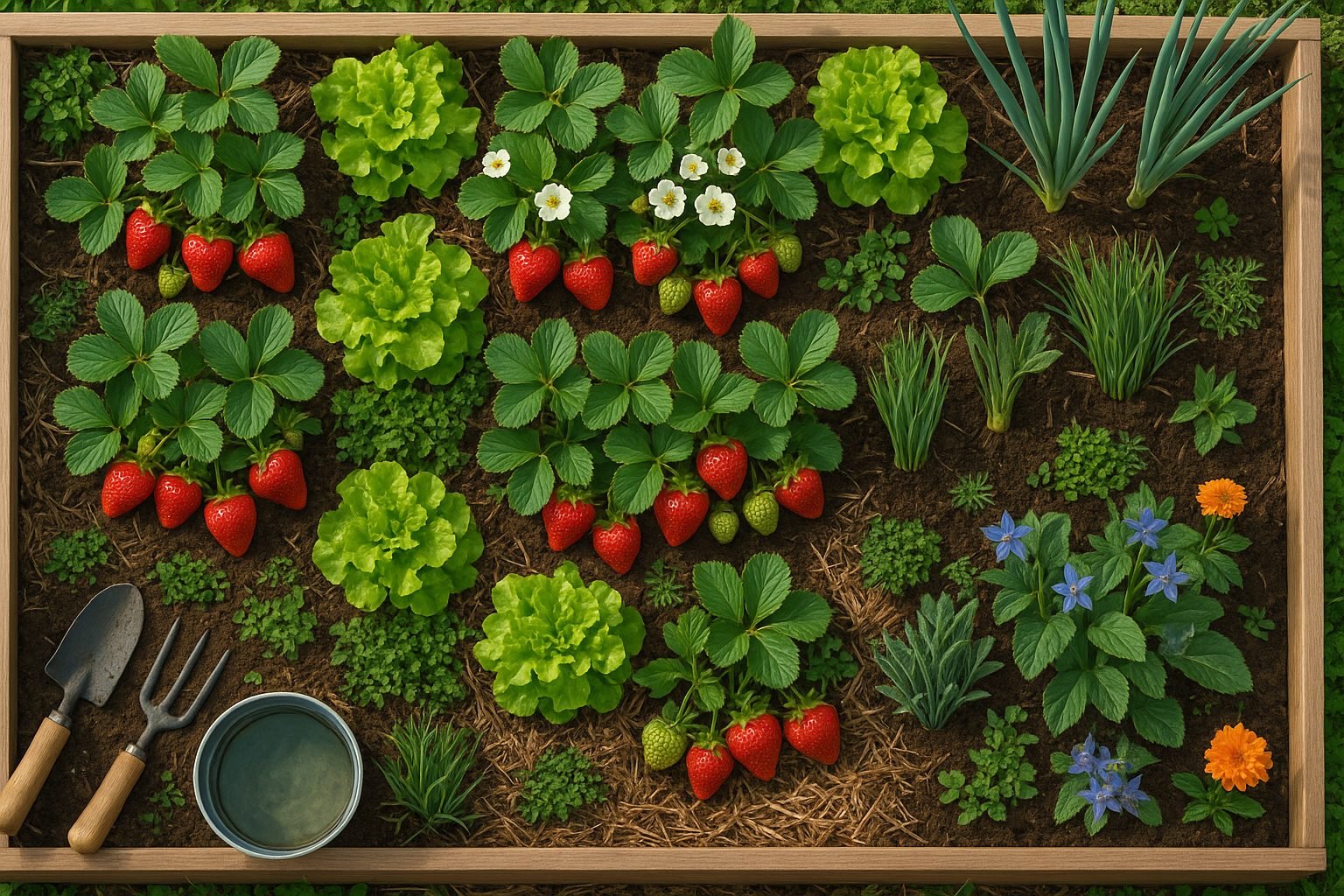
Pairing strawberries with the right companion plants can boost their health and yield while minimizing pests and diseases in your garden.
Leafy greens like lettuce and spinach are great strawberry neighbors. They act as living mulch, keeping soil moist and weeds at bay. Simply tuck them between strawberry rows, leaving at least 8 inches for airflow.
Alliums such as onions, garlic, and chives naturally deter strawberry pests like aphids and slugs. For best results, interplant them sparsely along bed edges.
Borage, a classic strawberry companion, attracts pollinators and predatory insects. Its mineral-rich leaves can be chopped and used as mulch. Just be sure to give borage a dedicated spot nearby, since it grows tall and may shade strawberries.
Asparagus and strawberries make a smart perennial duo. They share space and enhance soil health without competing, as their root systems are at different depths. Keep their crowns 12–18 inches apart for strong, healthy plants.
Aromatic herbs like sage and thyme help repel common pest insects and can be dotted along strawberry patch borders. Meanwhile, marigolds and yarrow draw in beneficial insects and keep root-knot nematodes at bay. Plant these at patch corners or between strawberry plants for a natural pest barrier.
Catnip is another under-appreciated option. It fends off flea beetles and keeps cats away from ruining your ripening fruit. However, be aware that it can spread vigorously, so consider planting catnip in containers set near the patch.
Finally, dill attracts pollinators and helps control aphids. Let it flower near the strawberries, but thin any self-seeded plants to prevent overcrowding.
For the best results:
- Pay attention to each plant’s mature size and sun requirements.
- Maintain a layer of mulch to conserve water.
- Avoid overcrowding so strawberries get enough light and air.
Strategic placement of these companion plants can create a vibrant, low-maintenance strawberry patch that naturally supports healthy growth, abundant harvests, and fewer problems with pests or disease.
Beneficial Herbs to Grow with Strawberries
Companion planting strawberries with herbs like thyme, sage, dill, borage, and catnip can give your berry patch a surprising boost. Herbs such as thyme and sage produce aromatic oils that naturally ward off pests like aphids and slugs—common nuisances for strawberry plants—while taking up little space, making them easy to tuck along bed edges or between rows.
Dill attracts beneficial insects such as ladybugs and predatory wasps, which help keep pest populations down. Borage is a pollinator magnet, drawing bees with its star-shaped blue flowers; this means bigger, juicier berries thanks to improved pollination. Plus, borage’s leaves are said to enhance the strawberries’ flavor, and its flowers are even edible as a unique salad topper.
Catnip can deter harmful insects such as flea beetles and ants, and as a bonus, it helps keep neighborhood cats from digging in your beds (although some felines may react differently, so monitor first!).
Integrate these herbs by interplanting them in your strawberry patch, using them as living borders, or mixing a few plants into large containers to maximize space on patios or balconies. Just be mindful to provide each herb with its basic needs—well-drained soil, enough sunlight, and a bit of space—so both your strawberries and herbs thrive.
These beneficial partnerships not only protect and flavor your strawberries but also add beauty and biodiversity to your garden, making your harvests even sweeter.
Plants to Avoid Near Strawberries
When planning your strawberry patch, it’s important to know which plants to keep at a distance to prevent issues like poor growth, disease, or low fruit yield.
Vegetables from the cabbage family—including broccoli, cauliflower, kale, and Brussels sprouts—should be avoided near strawberries because they compete heavily for the same nutrients and can stunt your berries’ development. The brassicas also release chemicals into the soil that can inhibit strawberry growth.
Another group to avoid is the nightshades, such as tomatoes, peppers, eggplants, and potatoes. These plants can spread verticillium wilt and other soil-borne diseases that are devastating to strawberries. Plus, they are all heavy feeders, creating fierce nutrient competition.
Fennel is another notorious neighbor to skip, as it exudes compounds that prevent other plants from thriving nearby. Similarly, keep mint and other vigorous herbs away from your berry beds—they spread quickly, hog resources, and can overtake strawberry plants.
On the other hand, strawberries pair well with leafy greens like spinach and lettuce, which don’t compete for nutrients and can even help shade the soil to retain moisture.
The Key Dos and Don’ts
- Do rotate your crops to prevent disease buildup.
- Do allow adequate space between different plant families.
- Do choose companion plants known to be compatible, like bush beans or onions.
- Don’t plant close relatives or known disease hosts next to your berries.
- Don’t cram too many plants into one space.
- Don’t ignore signs of disease or poor growth.
A careful selection of neighboring plants not only keeps your strawberries healthy but can lead to bigger harvests and less hassle during the growing season.
Companion Planting Strategies & Crop Planning
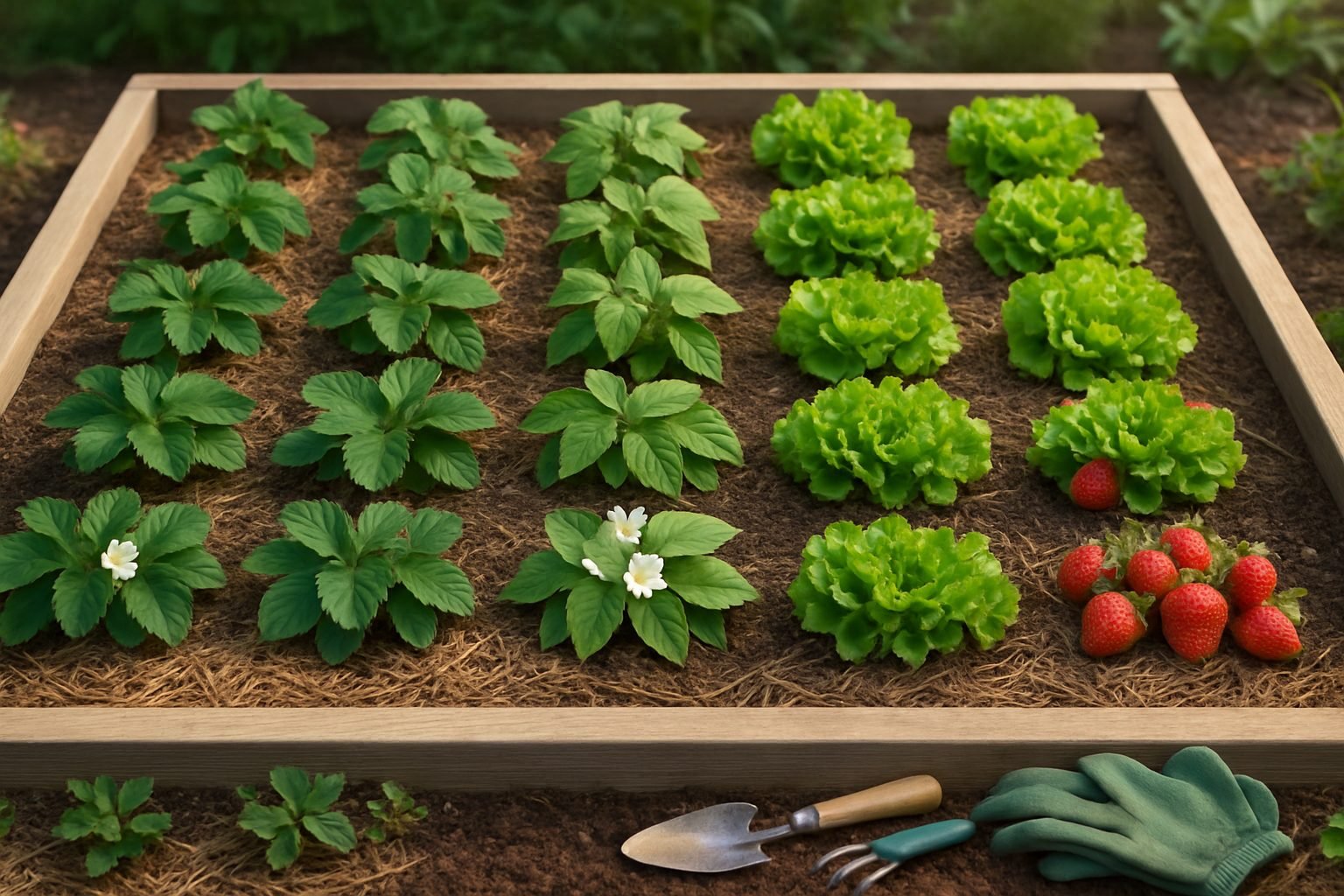
Designing a strawberry patch with companion planting in mind is a smart way to boost berry production and keep problems at bay. Start by giving each strawberry plant about 12-18 inches of space, as they need good airflow to prevent mold and disease.
Surround your strawberries with helpful companions like bush beans, spinach, or lettuce, which thrive in similar sun and water conditions without competing for root space. Plus, bush beans can actually help add nitrogen to the soil, promoting healthier strawberries. Avoid planting brassicas (like cabbage or broccoli) nearby, as they tend to compete and attract pests that also affect strawberries.
Try succession planting by following an early lettuce harvest with late-season radishes or bush beans. This helps your patch produce throughout most of the season while keeping the soil covered.
Crop Rotation Tips
For simple crop rotation, never plant strawberries in the same spot two years in a row. Instead, rotate your berry patch with nitrogen-fixing cover crops such as clover or vetch. This prevents soil depletion and reduces disease buildup that targets strawberries.
Beginner-Friendly Layout
Plant strawberries in a four-foot-wide raised bed: interplant a row of strawberries down the center, then alternate rows of bush beans and lettuce on either side. Mulch with straw to keep berries clean and block weeds.
Every fall, transplant a few runners to a different area of your garden where beans or peas grew that year, maintaining the rotation and keeping your patch healthy.
With these companion planting and rotation strategies, even novice gardeners can enjoy sweet, healthy berries year after year.
Troubleshooting & Maximizing Strawberry Yields with Companions
Dealing with pests and poor soil are common headaches for strawberry growers, but companion planting offers natural solutions to boost yields and keep plants healthy. Marigolds and nasturtiums, for example, attract beneficial insects that prey on aphids and deter pests like slugs, while herbs such as borage and thyme improve pollination and can even enhance fruit flavor.
If you struggle with soil fertility, planting legumes like beans nearby can help fix nitrogen, giving your strawberries a nutrient boost. Regularly inspect your plants for signs of trouble—holes in leaves, spots, or stunted growth usually signal a pest or nutrient issue. Remove damaged leaves and watch for ant trails, which often lead to aphids.
Keep your strawberry bed free of debris, mulch with straw to suppress weeds, and water at the base to avoid mildew. Try out different companion plants each year, making note of what works and what doesn’t—maybe basil helps with insects one season but is less effective the next.
Keeping a simple garden journal with planting combinations, observed pests, and harvest yields lets you refine your approach every season, leading to healthier plants and sweeter strawberries with less guesswork. Experiment, observe, and record; over time, you’ll develop a custom companion planting plan tailored to your garden’s unique needs.