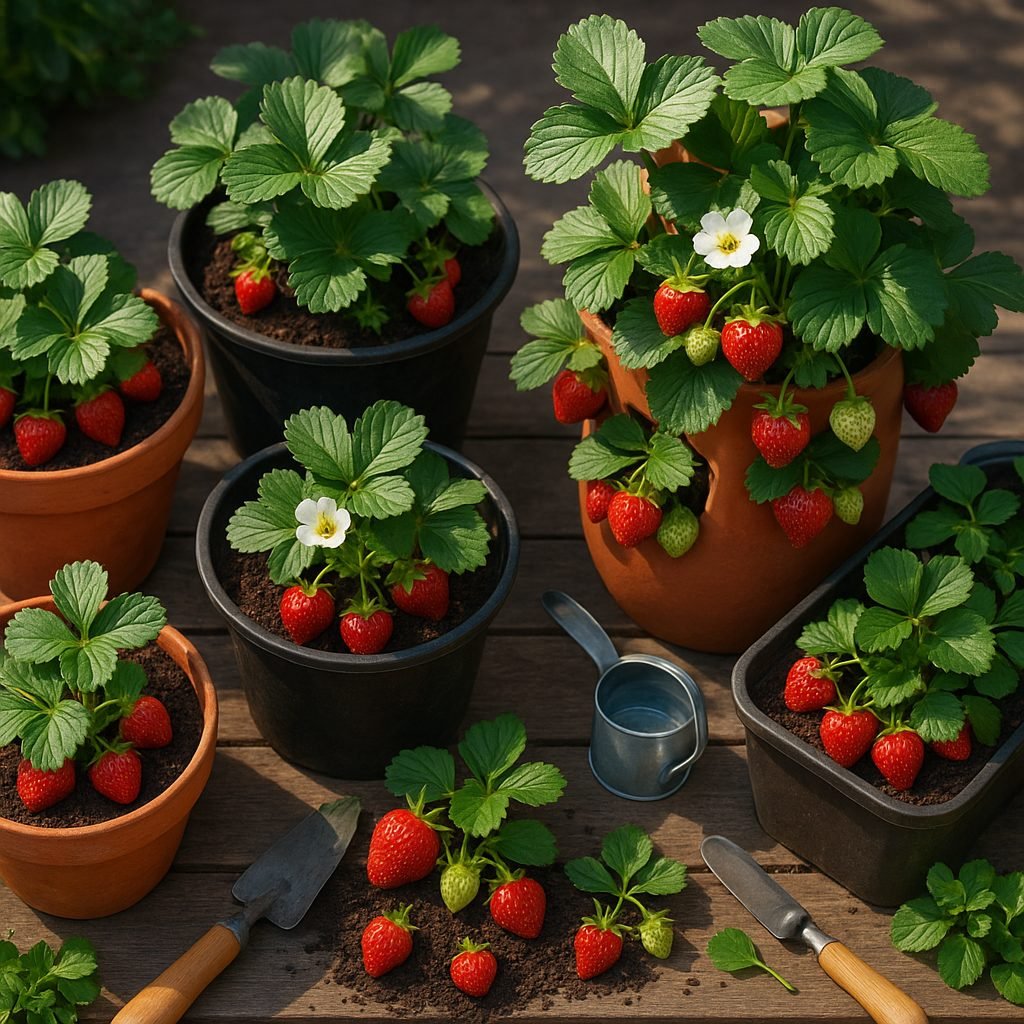
Choosing the Best Strawberries for Containers
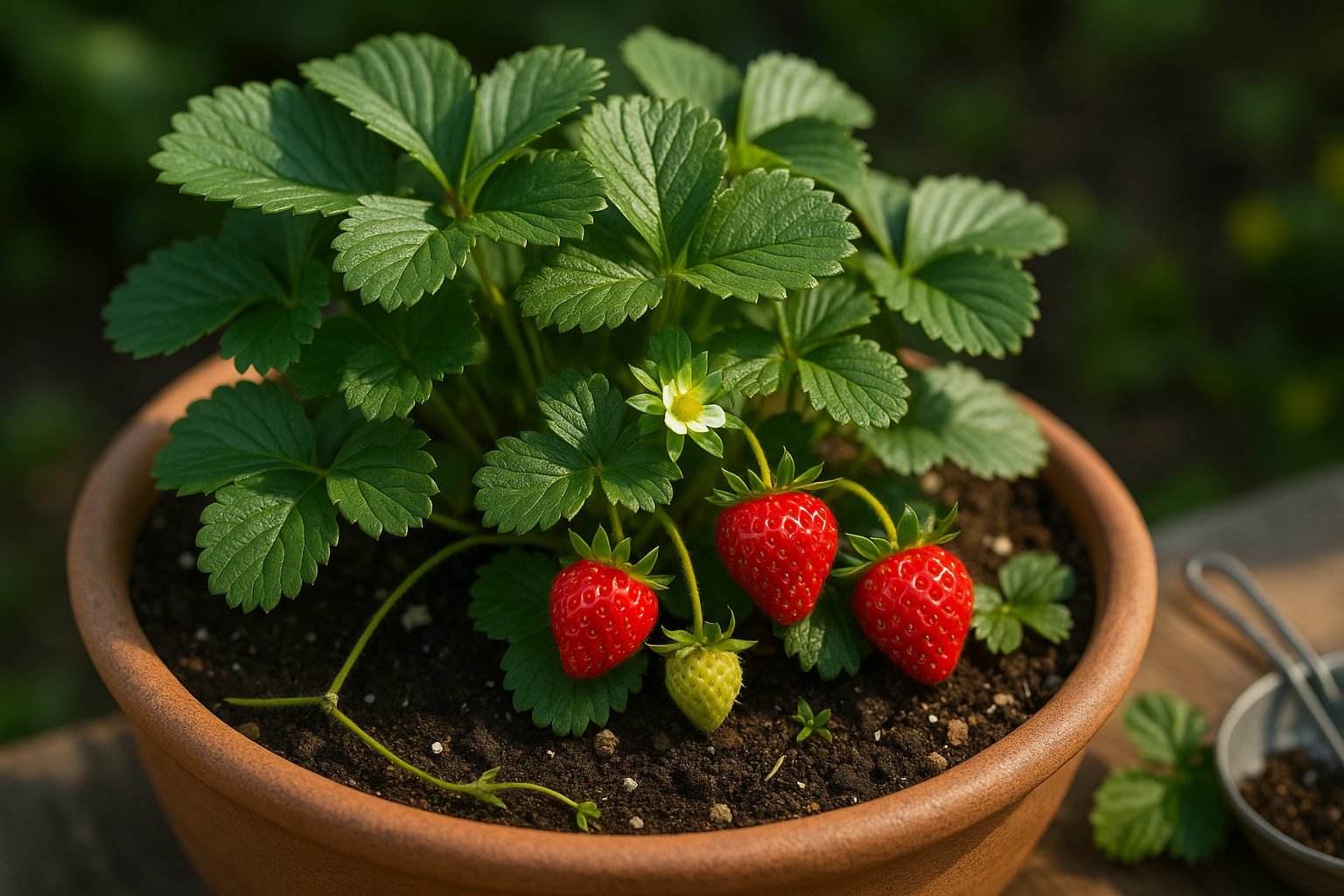
Growing strawberries in pots is a fantastic solution for anyone short on garden space but eager to enjoy sweet, homegrown berries. Choosing the best strawberries for containers starts with understanding which varieties thrive in this environment. You’ll want compact plants—they not only fit well in pots but also devote more energy to fruit production rather than sprawling runners.
Everbearing and day-neutral types are standout choices, providing multiple harvests throughout the season instead of a single flush. Everbearing strawberries such as Ozark Beauty and Seascape offer flavorful, medium-sized berries and are highly productive, making them favorites among container gardeners. Day-neutral varieties like Albion and Tristar deliver excellent yields as well, with sweet, firm fruit that remains consistent, even in variable weather.
Disease resistance is another key trait for potted strawberries; look for varieties known to resist common issues like powdery mildew and verticillium wilt, as pots can sometimes stress plants and make them more vulnerable. Mara des Bois, for instance, is prized for its intense aroma and flavor, along with a reputation for vigor and resilience in tight spaces.
For the best results, select a mix of everbearing and day-neutral plants, ensuring a continuous supply of succulent strawberries all summer. Make sure your pots have good drainage, use high-quality potting mix, and keep the plants well-watered—potted strawberries dry out quickly.
With the right varieties and a few simple care steps, you’ll be surprised at just how rewarding and plentiful strawberries in pots can be, even on the smallest patio or balcony.
Picking the Perfect Pot and Soil
Choosing the right pot and soil is key to growing lush, sweet strawberries in containers. For strawberries, opt for containers at least 8-10 inches wide and deep, giving each plant plenty of room for roots and runners.
strawberry pots, with their multiple pockets, allow you to grow several plants vertically—great for small patios. Hanging baskets are another space-saving favorite, especially for cascading varieties, while standard planters are ideal if you want easy access and more control over spacing.
Regardless of the type, make sure your container has plenty of drainage holes to prevent soggy roots and rot. When it comes to material, clay pots look attractive and let roots breathe but dry out quickly, so they may need more frequent watering. Plastic pots hold moisture longer and are lighter to move but don’t provide the same breathability.
Place your containers where strawberries get at least six hours of sun daily—balconies and sunny decks work perfectly.
For soil, skip garden dirt and choose a high-quality potting mix designed for vegetables or berries. The best soil is light, well-draining, and rich in organic matter. Mix in compost for extra fertility and one part perlite to three parts potting mix for better aeration and drainage.
Aim for a slightly acidic pH (around 5.5 to 6.5)—many garden centers offer pH test kits and adjusting agents if needed.
Healthy soil not only boosts berry size and flavor but also helps avoid disease and pests in container-grown strawberries. With the right setup, you’ll enjoy a bountiful harvest all season long.
Planting and Repotting Strawberries
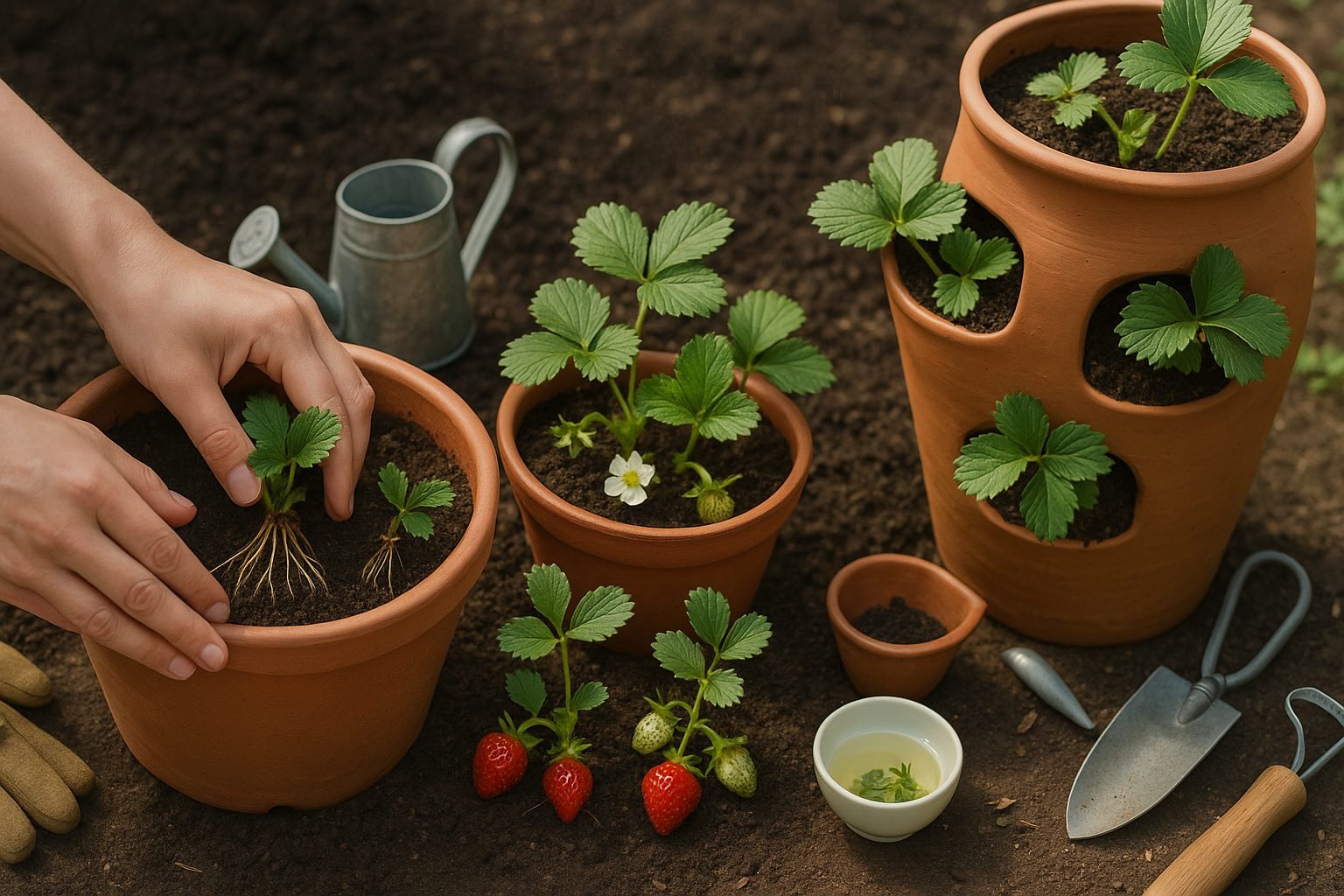
Planting strawberries in containers is a fun and rewarding way to enjoy fresh berries—even if you only have a balcony or small patio. Start by choosing healthy bare root or plug strawberry plants and a deep container with good drainage.
Fill the pot with high-quality potting mix. For bare root strawberries, fan the roots out and plant so that the crown sits just above the soil surface—burying the crown invites rot. For plug plants, gently loosen the roots and nestle them in at the same depth as the nursery pot.
If you’re using a strawberry tower—pots with side openings—layer the soil in stages: add soil to the bottom, insert young strawberry plants into the lowest holes, and repeat this process as you move up, spacing plants 8–10 inches apart to ensure good airflow and reduce disease risk.
After planting, water thoroughly and keep the soil just moist, not soggy.
When to Repot
Over time, strawberries can outgrow their containers; signs like crowded roots, fewer berries, or wilting indicate it’s time to repot. Gently tip out the plant, trim away old or dead roots, and move it to a pot that’s a couple of inches wider, using fresh soil.
Every 2–3 years, consider dividing mature clumps by pulling plants apart at the roots and replanting healthy sections.
Managing Runners
Don’t forget about runners—the long stems that produce baby plants. You can let a few runners root to grow new plants or snip them away to focus the plant’s energy on fruit production.
By giving your strawberries enough space and regularly repotting or dividing them, you’ll keep your container patch healthy and productive season after season.
Essential Care: Watering, Feeding, and Pruning
Proper care is crucial for healthy, productive strawberry plants, starting with regular but mindful watering. Strawberries prefer consistently moist soil, so aim to water them early in the morning with about one to two inches per week, depending on rainfall and temperature. Stick your finger into the soil—if the top inch feels dry, it’s time to water. Too much water can lead to root rot, while letting plants dry out stresses them and reduces fruit quality. Mulching with straw helps keep moisture even and prevents soil splash on the berries.
Feeding is just as important: use a balanced, slow-release fertilizer mixed into the soil at planting, then supplement every four to six weeks with a diluted liquid fertilizer high in potassium, especially during flowering and fruiting. Avoid over-fertilizing, as this encourages leaves at the expense of fruit.
Pruning also boosts plant health and yield. After planting, remove all flowers from first-year plants so they can focus on root growth. Regularly snip off yellowing or damaged leaves and thin out the oldest leaves after the harvest to allow light and air into the center of the plant. For runners—those long stems with baby plants forming at the ends—pinch off most of them unless you want more plants for next season. Too many runners sap energy and crowd the bed, reducing fruit production.
With a little consistent watering, wise feeding, and timely pruning, your strawberry patch will reward you with a bounty of sweet, juicy fruit.
Common Problems: Pests, Diseases, and Troubleshooting
Gardening in containers is rewarding, but it comes with its share of challenges—including pests, diseases, and plant health hiccups. Among the most common pests, slugs can quickly chew holes in leaves and fruits, especially if containers are kept in shady, damp spots. Place copper tape around pots or handpick slugs in the evening to keep them at bay.
Aphids and spider mites are also frequent culprits, sucking sap and leaving sticky residue or webbing. You can often manage them by spraying plants with a mix of water and a few drops of mild dish soap, or by encouraging ladybugs, their natural predators.
Fungal diseases like powdery mildew, which coats leaves with a white, powdery film, and root rot—marked by wilting, yellowing, and mushy roots—are common in containers because limited soil dries out or stays soggy more quickly. Avoid overhead watering, give plants good air circulation, and always use clean pots with well-draining soil to minimize the risk. For root rot specifically, water only when the top inch of soil feels dry and be sure containers have drainage holes.
Sometimes fruiting plants like tomatoes or peppers in pots might not set much fruit; this can happen if they’re stressed by inconsistent watering or lack of pollination. Moving containers to sunnier spots, watering regularly, and giving plants a gentle shake during flowering can help.
Leaf burn—brown, crispy edges—often comes from over-fertilizing or hot afternoon sun. Try moving pots to a spot that gets morning light and feed plants with a diluted fertilizer.
Yellowing leaves are sometimes just old leaves dying back, but can also signal issues like overwatering, poor drainage, or nutrient deficiencies. Check soil moisture, adjust feeding, and don’t be afraid to trim back damaged leaves.
Keeping a close eye on plants and acting early makes container gardening much simpler and more enjoyable.
Harvesting and Year-Round Care
To get the juiciest, most flavorful strawberries, pick your berries in the morning when they are fully red and slightly soft, but before the midday sun makes them mushy. Gently grasp the stem above the berry and twist to avoid bruising the fruit or damaging the plant.
Harvest every couple of days during peak season for the best quality and to keep berries from overripening on the vine. After harvesting, refrigerate strawberries as soon as possible and avoid washing them until you’re ready to eat, as extra moisture can lead to spoilage.
In colder climates, prepping your plants for winter is key. After the first hard frost, trim back dead leaves and cover your strawberry patch with 4 to 6 inches of straw mulch or pine needles to insulate the roots. For container or raised bed strawberries, consider moving pots to a sheltered area like a garage or shed, or wrapping them in burlap for added protection from freezing temperatures.
Once spring arrives, remove mulch gradually as new growth appears, allowing sunshine and air back in. To encourage healthy new growth, feed the plants with a balanced fertilizer, snip off any damaged leaves, and keep an eye out for pests.
With consistent care and the right overwintering steps, your strawberry plants will reward you with an even better harvest year after year.