Can Chickens Eat Swiss Chard?
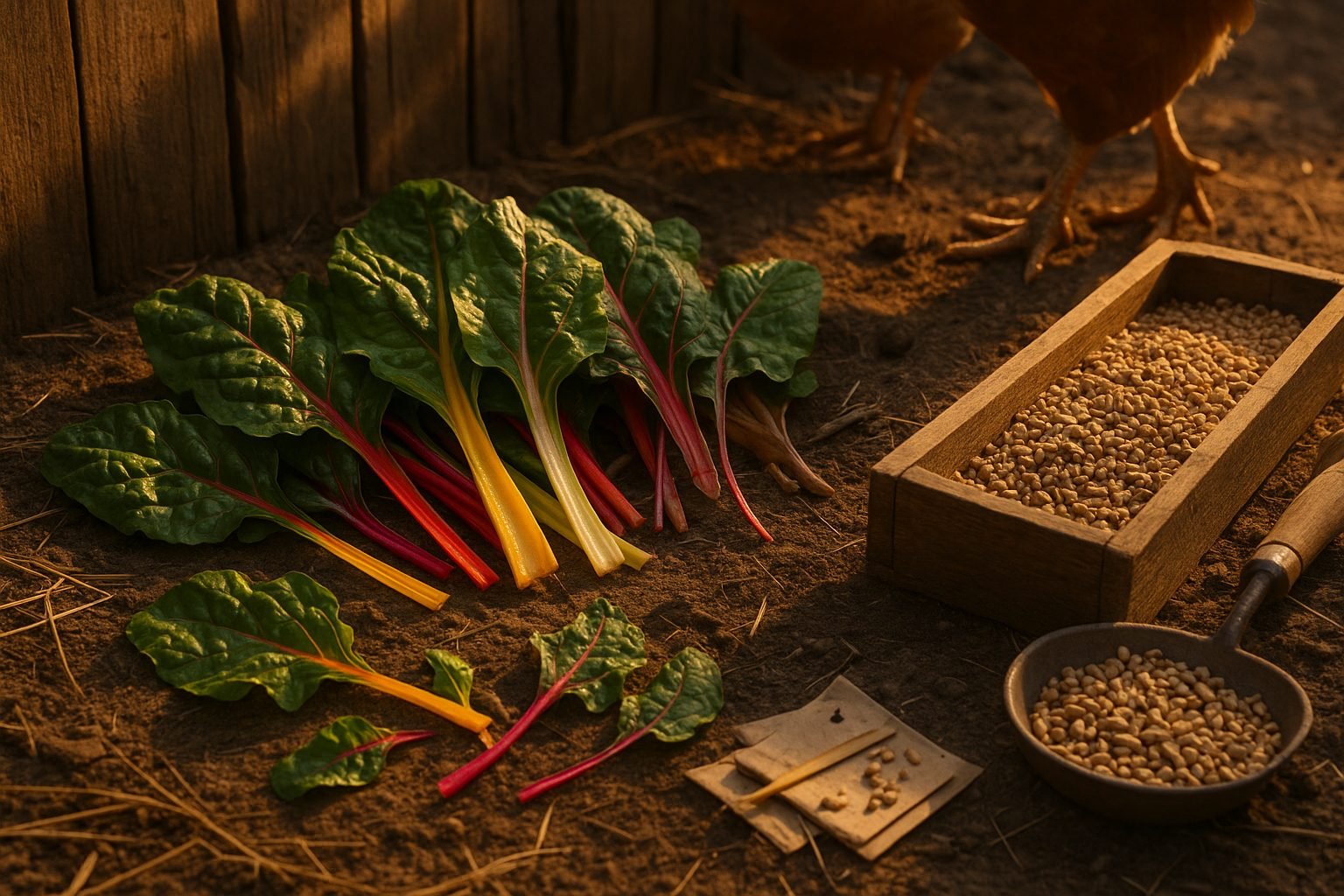
Wondering if chickens eat swiss chard? If you’re growing this vibrant, leafy plant—especially the eye-catching rainbow swiss chard—in your garden, you might be looking for ways to share its bounty with your flock. Swiss chard isn’t just a treat for the eyes; it’s packed with essential vitamins like A, C, and K, as well as important minerals such as magnesium and iron. Luckily, swiss chard is generally safe for chickens to eat in moderation and is a great way to add variety to their diet.
Chickens are natural foragers and thrive on a wide range of greens, with swiss chard being no exception. Offering leafy greens like swiss chard gives your chickens enrichment; it encourages natural pecking and scratching behaviors that keep them happy and engaged. A few fresh chard leaves tossed into their run can turn an ordinary afternoon into a fun scavenger hunt. More than just entertainment, these leafy treats provide a boost of nutrients that aren’t always found in regular pellet feed, benefiting their overall health and the quality of their eggs.
However, keep in mind that swiss chard, like other leafy greens, should only make up a small percentage of your chickens’ diet. Too much can cause digestive upset or disrupt the balance of important nutrients. Chop the leaves into manageable pieces and offer them alongside their usual feed. With a little moderation, sharing the rainbow hues and nutrition of swiss chard is a wholesome, enriching experience for your backyard chickens—and for you as their caretaker!
Nutritional Benefits of Swiss Chard for Chickens
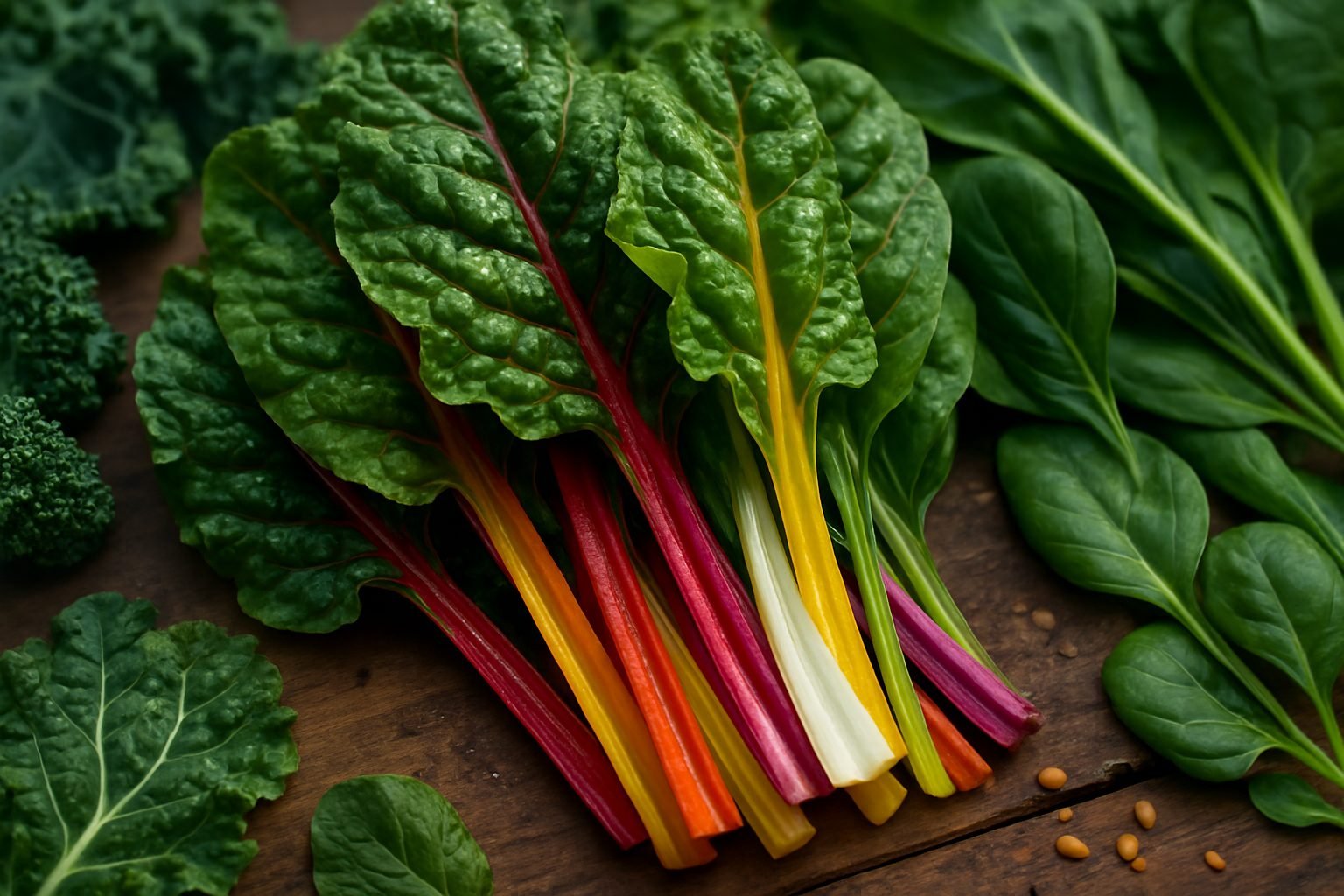
Swiss chard is a nutritional powerhouse for backyard chickens, packed with essential vitamins and minerals that boost their overall health. It’s rich in vitamin A, which is vital for maintaining good vision, immune function, and supporting glossy, vibrant feathers. Vitamin C, although not required in large amounts for chickens, can help reduce stress and promote a healthy immune system.
Vitamin K in Swiss chard plays a crucial role in proper blood clotting and bone health, while minerals like calcium and iron support strong eggshells and prevent anemia.
Comparisons with Other Common Chicken Veggies
Compared to other popular greens like spinach and kale, Swiss chard holds its own:
- It’s lower in oxalates than spinach, making its calcium more accessible for absorption—important for hens during egg production.
- While kale is also packed with vitamins A and K, Swiss chard is slightly more versatile as it’s generally softer and easier to digest.
Offering Swiss chard as a treat not only adds variety to your chickens’ diet but also supports better egg quality, shinier feathers, and strong overall development. Just remember to serve it in moderation alongside a balanced feed for the best results.
How to Feed Swiss Chard to Chickens Safely
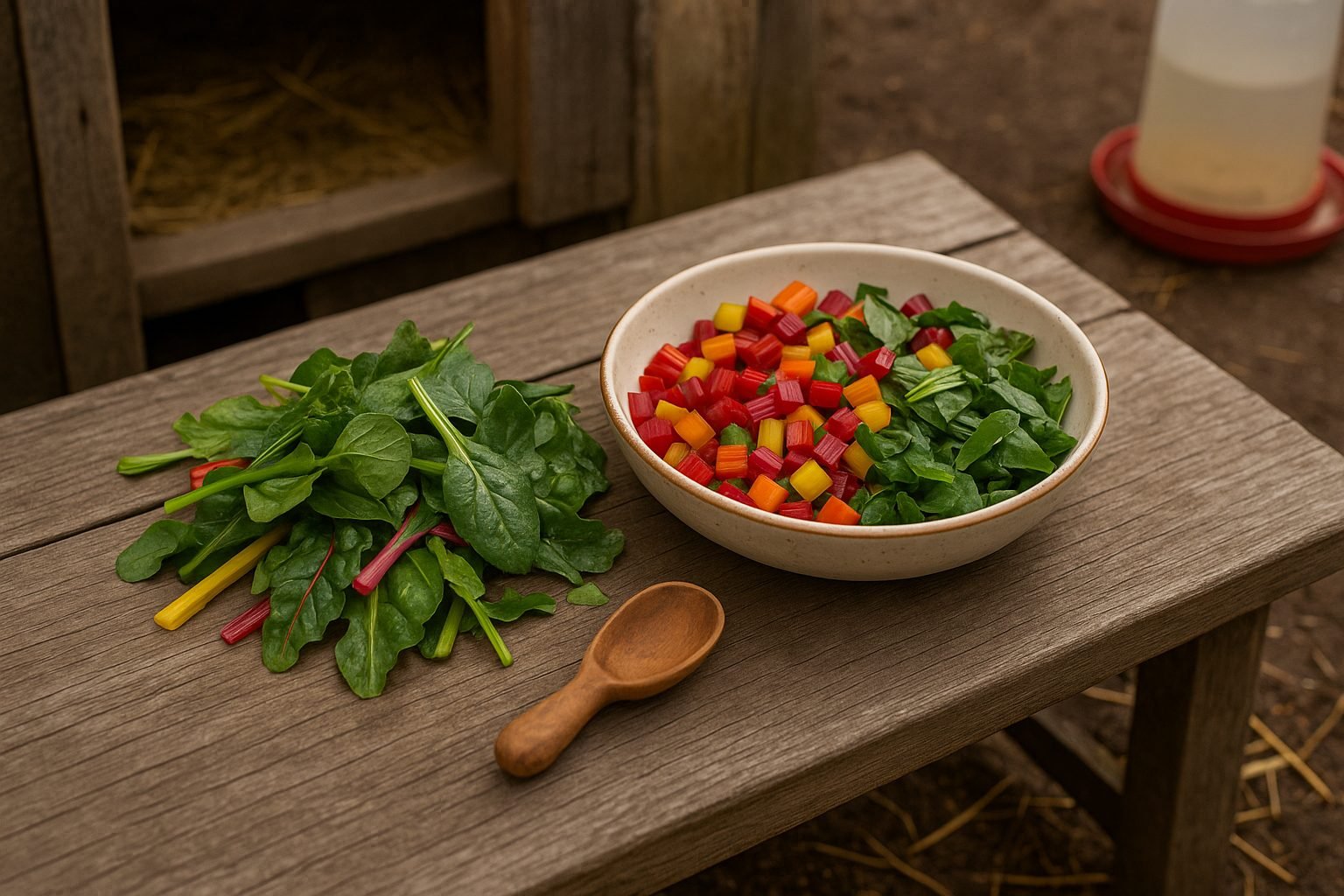
Chickens can benefit from the vitamins and minerals found in fresh Swiss chard, but it’s important to serve it safely to keep your flock healthy. Always offer Swiss chard raw, and chop the leaves and stems into small, bite-sized pieces so your chickens can peck and swallow them easily.
For best results, start by giving them just a small amount to see how they react—chickens might take a little time to get used to new foods, and introducing greens slowly helps prevent digestive upset.
Since Swiss chard contains oxalates, which in large amounts can interfere with calcium absorption leading to health issues, feed it in moderation rather than as a primary food source. Keep their overall diet balanced with a good quality layer feed as the main component, and use Swiss chard as an occasional treat along with other safe veggies.
Always ensure the chard is fresh and remove any wilted or moldy leaves, as spoiled greens can make chickens sick. If you grow Swiss chard in your garden, avoid feeding leaves that have been treated with pesticides or fertilizers.
By following these simple steps, you can keep your chickens happy and healthy while letting them enjoy the nutritional benefits of this leafy green.
Foods Chickens Should Avoid (And Why)
Just like us, chickens have specific dietary needs, and some foods that are safe for humans can actually harm your flock. For example, onions contain thiosulfate, which can cause anemia and jaundice in chickens, while chocolate has theobromine and caffeine—both highly toxic to birds. Green potatoes and their peels contain solanine, a compound that affects the nervous system. Avocados, especially their pits and skin, have persin, a natural fungicide that can lead to heart damage and even sudden death in chickens.
Even seemingly healthy options like Swiss chard can be harmful in large quantities because it’s high in oxalates, which may interfere with calcium absorption and cause kidney issues. If your chickens accidentally eat these foods, watch for symptoms such as lethargy, diarrhea, decreased appetite, trouble breathing, or sudden collapse. Immediate changes in behavior could mean toxicity—don’t wait to consult a vet if something seems wrong.
To keep your flock healthy, stick to a balanced diet of quality feed, grains, greens, and occasional safe treats. This variety ensures they get all the nutrients they need while avoiding risky foods that could compromise their health.
Best Practices for a Healthy, Balanced Chicken Diet
Keeping your flock healthy and thriving starts with the 90/10 rule: make sure about 90% of your chickens’ daily intake comes from a high-quality, balanced commercial feed, while the remaining 10% can be tasty treats like fresh vegetables and greens.
Swiss chard is a favorite, but you can also offer chopped carrots, cucumbers, kale, and aromatic herbs like parsley or basil—these not only keep your hens occupied but also add vitamins and variety to their diet. Always chop treats into bite-sized pieces and remove any leftovers daily to prevent attracting pests.
Chickens love variety, but moderation is crucial—too many treats can upset their digestion or reduce egg production. Set feeding times to create a routine, and always provide clean, fresh water—especially in warm weather, when chickens drink more.
Monitor your flock for signs of overfeeding, such as excessive weight gain or runny droppings, and adjust treat portions as needed. By balancing nutritious feed, safe treats, and daily care habits, you’ll set your chickens up for a happy, productive life.