
Introduction
If you’ve recently noticed yellow spinach leaves cropping up in your garden, you’re not alone. Yellowing spinach leaves are a common sight that can leave even experienced gardeners scratching their heads and wondering what’s gone wrong. This discoloration isn’t just a cosmetic issue—it often signals underlying problems that, if ignored, can stunt your spinach’s growth or wipe out a healthy crop altogether.
Understanding why spinach leaves turn yellow is key to keeping your plants vibrant and productive. Whether your spinach is grown in pots on a balcony or in rows in the backyard, yellowing can happen for several reasons: nutrient deficiencies, overwatering, pests, poor soil drainage, or even environmental stress like sudden temperature changes. The good news? Most causes are easy to identify, and with a few adjustments, you can help your spinach bounce back.
The goal of this article is to guide you through identifying what’s causing those yellow spinach leaves, share effective ways to treat affected plants, and offer practical tips to prevent yellowing in the future. With the right approach, you’ll soon enjoy lush, green spinach leaves and a thriving garden once more.
Common Causes of Yellowing Spinach Leaves
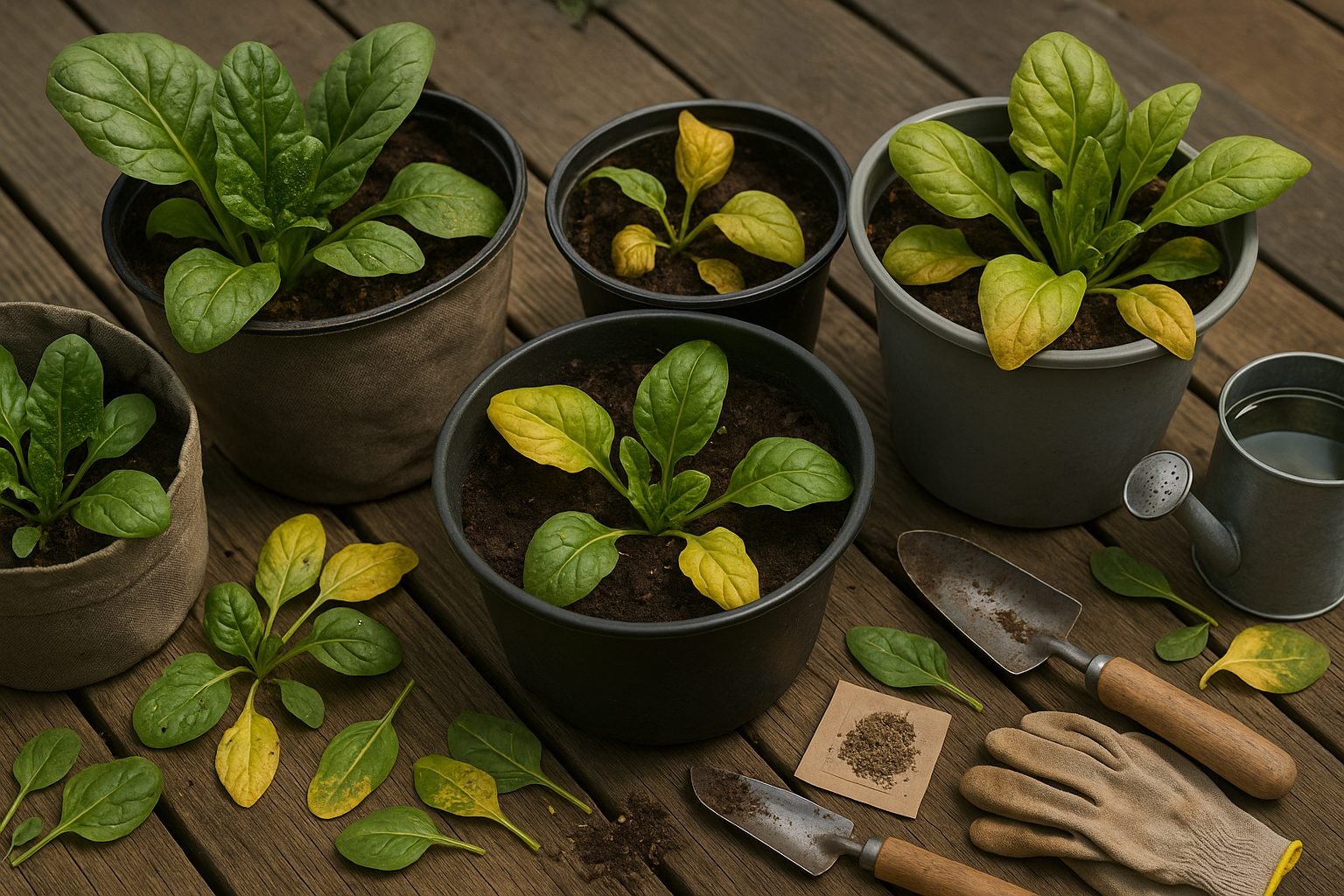
Yellowing spinach leaves can be frustrating for any gardener, but understanding the underlying causes can help you quickly get your plants back on track.
One of the most common culprits is nutrient deficiencies—especially a lack of nitrogen, which leads to pale, yellowing leaves as the plant struggles to produce enough chlorophyll for healthy growth. Overwatering is another frequent issue; soggy soil suffocates roots and makes it hard for spinach to absorb nutrients, sometimes causing the whole plant to look limp and yellow. On the flip side, underwatering can stress plants and lead to yellow or dry edges as the leaves lose moisture faster than they can absorb it.
Pests like aphids or leaf miners can also drain sap from the leaves or tunnel inside them, leaving behind yellow spots, curling, or discolored patches. Diseases such as downy mildew and fusarium wilt may infect spinach, causing yellowing along with other symptoms like wilting, spotting, or stunted growth.
It’s also important to keep an eye on environmental stressors—spinach prefers cool weather and partial shade; hot temperatures, strong sun, or drastic temperature swings can stress the plants and result in yellow leaves.
For healthy spinach, check your soil regularly, water only when needed, look underneath the leaves for pests, and use shade cloth or plant at the right time of year to avoid heat stress. Checking each of these factors can help you spot the root cause quickly and give your spinach the best chance to thrive.
How to Diagnose the Problem
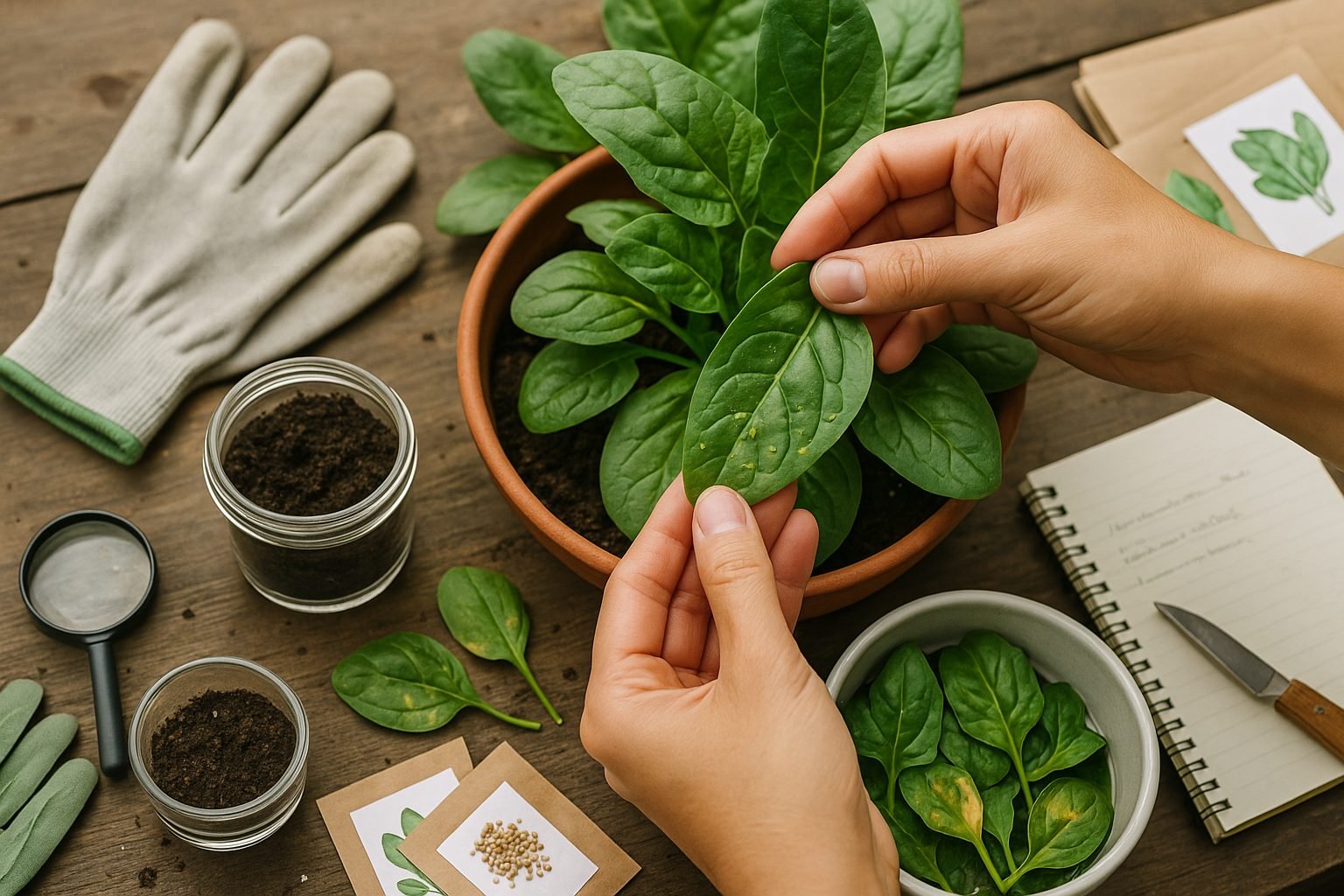
Diagnosing the cause of yellowing leaves in your plants starts with a close look at the pattern and location of the discoloration. Begin by examining whether the entire leaf is turning yellow or if just the edges or specific spots are affected.
If the whole leaf is yellowing, especially the older, lower ones, this often points to a lack of essential nutrients like nitrogen. On the other hand, yellow edges typically suggest potassium deficiency or possible salt buildup from over-fertilizing. Small yellow spots scattered across the leaf may indicate a pest problem, such as spider mites, or a fungal infection.
For a step-by-step diagnosis, start by checking your plant’s soil—poke your finger about an inch deep to see if it’s too dry or soggy, as improper watering is a common culprit.
Next, look under the leaves and along the stems for tiny insects or sticky residues, which can signal a pest issue. Also, observe for any white powder, fuzzy growths, or unusual marks that may point to disease. Using a simple magnifying glass can help you spot minuscule pests or fungal spores more easily.
Keep notes or snap photos of the changes in your plant to track progression over several days—often patterns emerge that can clue you in to the source.
Lastly, assess your plant’s environment: is it too close to a cold draft, heater, or window where it could get scorched or chilled? Fluctuating temperatures and direct sun exposure commonly trigger leaf yellowing.
By combining soil checks, close visual inspection, and environmental assessment, home gardeners can often pinpoint the underlying issue before it worsens, saving time and avoiding unnecessary treatments.
Effective Solutions to Restore Healthy Leaves
Restoring healthy leaves on your plants starts with identifying the root cause—most problems come down to water, nutrients, or pests. For drooping or yellowing leaves, first check your watering routine. Overwatering is a top culprit; if the soil feels soggy, let it dry before the next drink, and ensure pots have proper drainage.
For underwatered plants, revive them with a deep soak and mist the leaves to quickly boost their hydration. If the issue seems more nutritional—like pale or spotty leaves—consider adding a balanced fertilizer, focusing on nutrients like nitrogen, magnesium, or iron. A quick fix is to top-dress the soil with compost or use water-soluble fertilizer for rapid results, but always avoid over-fertilizing, which can damage roots.
If you suspect pests like spider mites or aphids, rinse leaves gently with water and wipe them down. For ongoing problems, use insecticidal soap or neem oil. Fungal diseases are common too; remove any affected leaves and improve airflow by spacing plants out.
For immediate relief, trim severely damaged foliage to help the plant direct energy to new growth. But focus on long-term health by regularly checking leaves for early signs of trouble. Rotating your plants to ensure even light and periodically refreshing the soil will help prevent recurring issues.
By staying observant and proactive with these remedies—adjusting water, amending soil, and managing pests—you’ll give your greens the best shot at bouncing back with lush, vibrant leaves.
Best Prevention Tips for Vigorous Spinach
To grow vigorous spinach that bursts with flavor and nutrition, start with the basics: spinach thrives in cool weather and well-drained, nutrient-rich soil. Space your plants about 4-6 inches apart to give them breathing room, allowing for healthy airflow and reducing the risk of disease.
Water spinach consistently, aiming for moist (but not soggy) soil. Try watering early in the day to prevent leaf moisture from lingering overnight, which can invite disease.
Feed your plants with a balanced, slow-release fertilizer, and consider a mid-season boost with compost or fish emulsion to keep growth strong. Keep your garden tidy by removing weeds and fallen leaves so pests and fungal spores have fewer places to hide.
Always use clean tools and wash your hands before handling your plants to limit disease spread. Finally, make it a habit to inspect your spinach regularly for early signs of yellowing, holes, or mildew. Catching problems early means you can intervene quickly, whether that’s removing affected leaves, adjusting watering, or using an organic spray.
By staying attentive to these simple practices, you’ll give your spinach its best shot at growing strong and healthy.
When to Start Over: Advanced Troubleshooting
Sometimes, starting over is the best move when your garden faces persistent problems like severe disease or an unmanageable pest infestation. If a plant is heavily affected—showing extensive wilting, mold, or pest damage—it’s often safer to remove and dispose of it completely rather than risk losing healthy plants.
Use clean tools and never compost infected material, as this can spread issues further. After removing sick plants, consider soil remediation. For instance, solarize soil by covering it with clear plastic for several weeks in hot weather to kill pathogens and some pests, or add organic matter to boost beneficial microbes.
Persistent problems may also signal it’s time to rotate crops; avoid replanting the same or closely related plants in that area for at least two or three seasons. Rotating vegetables like tomatoes, peppers, or squash reduces the chance pests and pathogens will overwinter and strike again.
Finally, practice good sanitation by keeping tools, pots, and garden areas clean, and always remove plant debris promptly. These proactive steps can break the cycle of disease or infestation, giving your next planting a healthier start.
Conclusion
Prompt diagnosis and tailored solutions are key to overcoming challenges in spinach cultivation, from pest infestations to nutrient deficiencies. By quickly identifying issues and choosing the right remedies—whether it’s adjusting watering routines, using organic pest control, or amending soil—you set your garden up for a healthier, more bountiful harvest.
Taking action at the first sign of trouble saves time and prevents minor problems from becoming major ones. Remember, every garden is unique, so experimenting and finding what works best for your climate and conditions can make all the difference.
Act proactively, and your spinach plants will reward you with lush, vibrant leaves. We’d love to hear from you—if you’ve faced similar issues or discovered effective solutions, please share your experiences in the comments. And if you have questions or need more tips, don’t hesitate to ask. Happy growing!