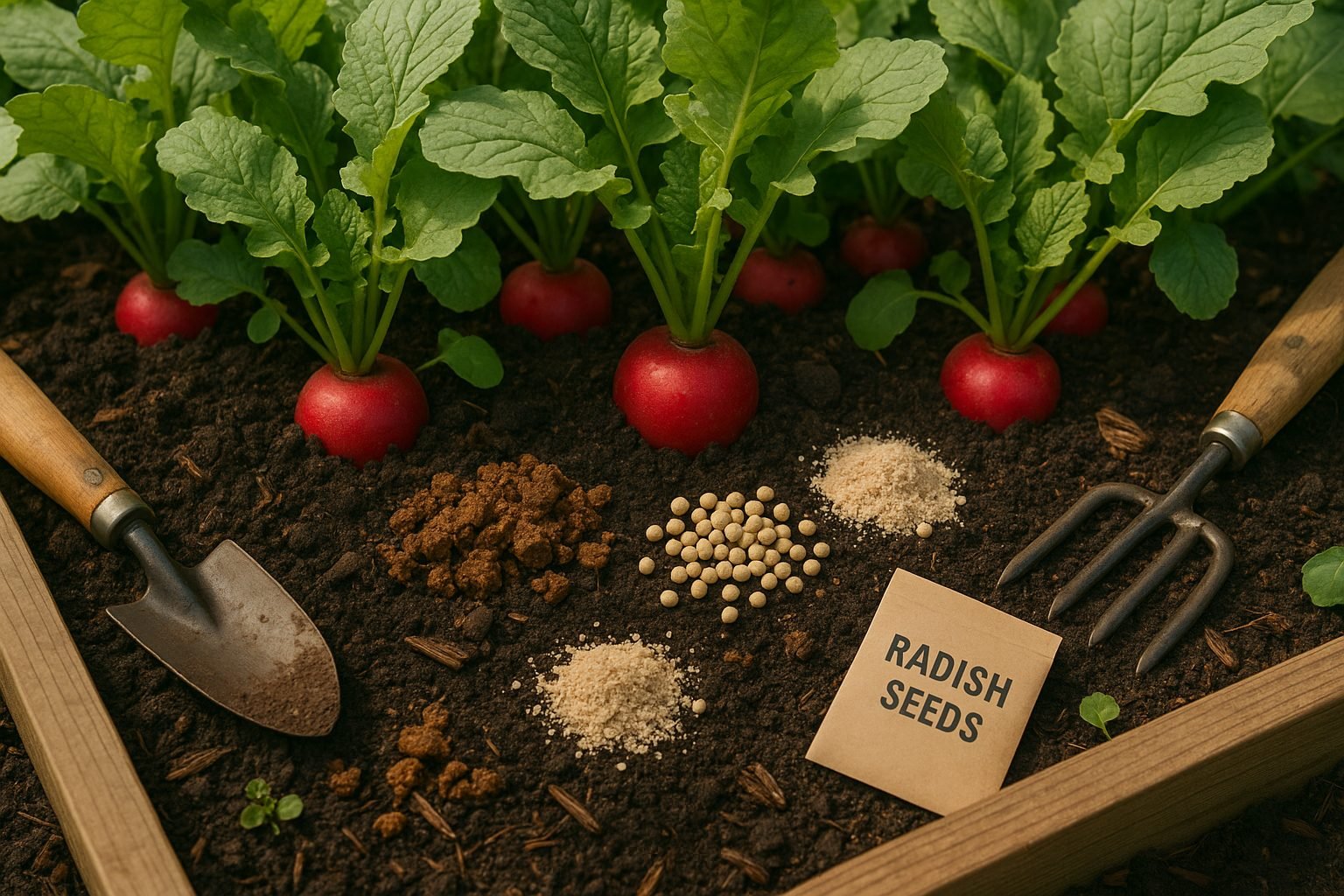
Understanding Radish Nutrient Needs
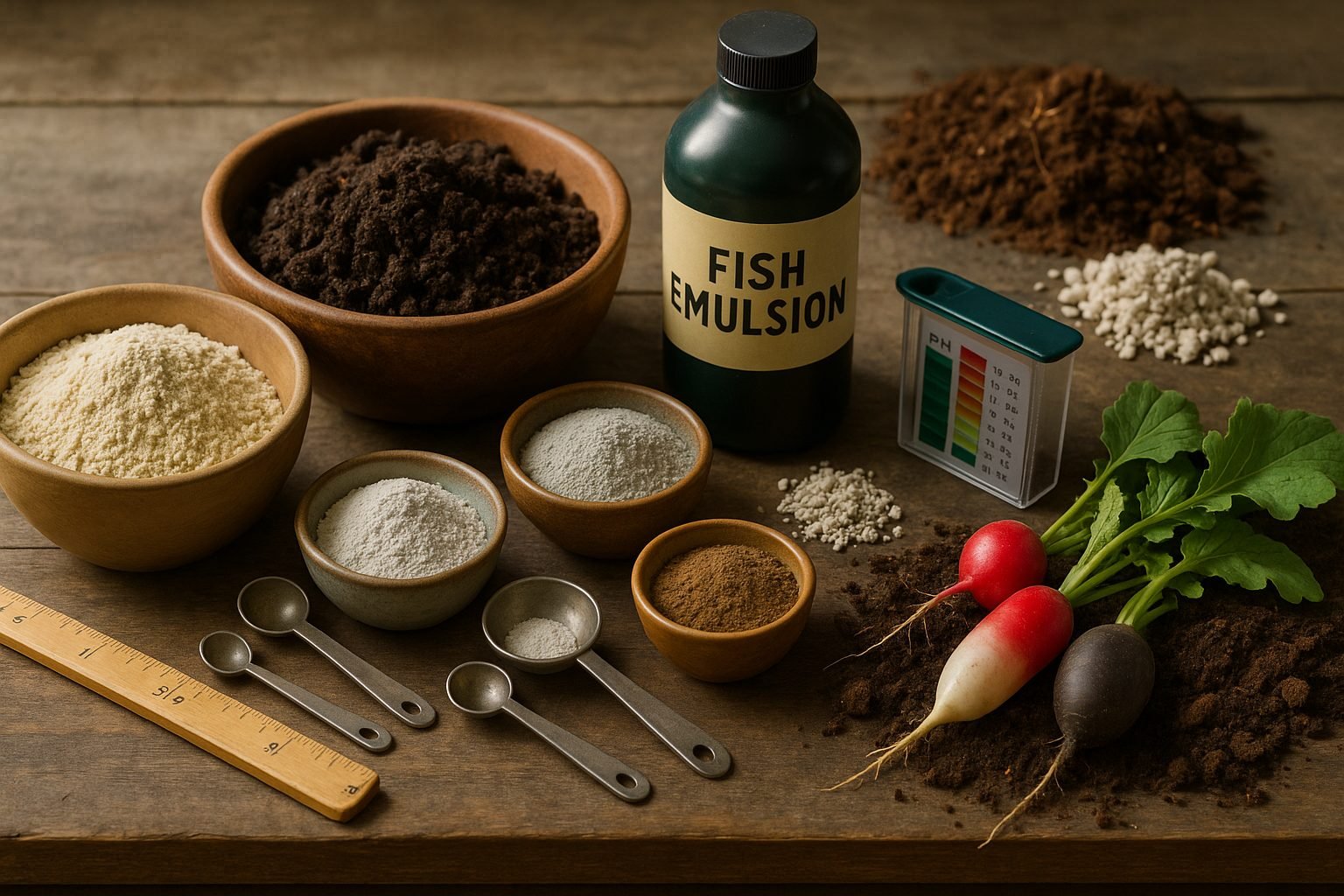
Choosing the right fertilizer for radishes can make the difference between a mediocre harvest and crisp, vibrant roots. Radishes thrive when they receive a balanced supply of key nutrients: nitrogen, phosphorus, potassium, as well as essential micronutrients like calcium, magnesium, and boron.
During the early seedling stage, radishes need a modest but steady dose of nitrogen to promote healthy leaf growth. However, as they start forming roots, their phosphorus and potassium requirements increase—phosphorus helps strengthen root systems, while potassium supports overall plant health and disease resistance. Overdoing nitrogen at this phase can actually hinder root development, leaving you with lots of leaves but tiny radishes. It’s a balancing act!
Look out for warning signs that your radishes might be missing nutrients:
- Yellowing leaves could signal a lack of nitrogen.
- Small or misshapen roots may point to a phosphorus or potassium shortfall.
- Pale or cracked roots sometimes indicate a lack of essential micronutrients like boron.
Keeping an eye on these clues during each growth stage helps you adjust your fertilization approach and ensures your radishes are both beautiful and delicious. Gardeners often use a starter fertilizer low in nitrogen and higher in phosphorus and potassium—like a 5-10-10 blend—to set their radishes up for success.
Best Fertilizer Types for Radishes
When it comes to feeding radishes, both organic and synthetic fertilizers offer unique advantages depending on your goals and garden conditions. Organic fertilizers—such as compost, well-rotted manure, or fish emulsion—provide a gentle, steady release of nutrients while also improving soil structure, water retention, and beneficial microbial activity. These qualities make organic options great for gardeners seeking long-term soil health and sustainability, especially in sandy soils that benefit from added organic matter.
On the other hand, synthetic fertilizers supply nutrients quickly and in precise ratios, which can be helpful if you need to correct deficiencies or want fast growth, particularly in heavy clay soils where organic matter builds up slowly.
Ideal Fertilizer Ratios for Radishes
For radishes, an ideal fertilizer has lower nitrogen content and higher amounts of phosphorus and potassium—aim for an NPK ratio close to 5-10-10. Too much nitrogen encourages leafy growth at the expense of root development, while phosphorus and potassium help produce plump, crisp radishes.
If you prefer an organic approach, look for bone meal or fish fertilizer blends featuring similar ratios. For those with limited time or less concern for soil structure, a balanced, water-soluble synthetic formula like 10-20-20 works well as a pre-plant or side-dressing dose.
Matching Fertilizer to Soil Type
Ultimately, match your fertilizer choice to your soil type:
- Amend sandy soils with compost-rich blends.
- Use targeted, quick-release synthetic options for heavier, compacted soils.
Always follow application directions closely, as over-fertilization can stunt root growth or cause misshapen radishes.
Soil Preparation and Pre-Planting Fertilization
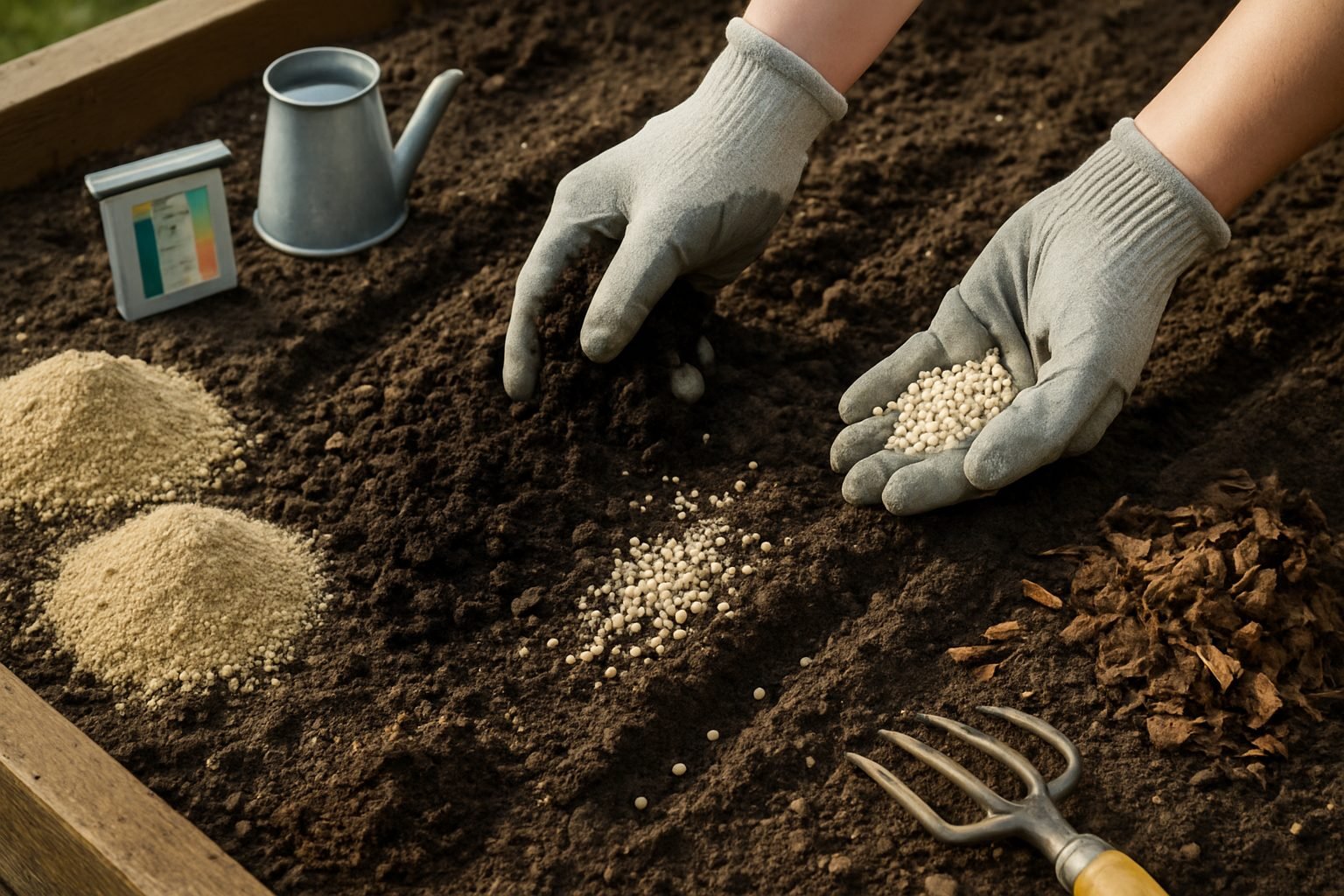
Before planting radishes, it’s crucial to assess your soil’s health with a simple soil test, which you can find at garden centers or through local extension offices. These tests reveal essential information like pH level and nutrient content, helping you make smart decisions about amendments.
Radishes prefer slightly acidic to neutral soil (pH 6.0–7.0). If your test shows the pH is off, adjust it by adding lime to raise the pH or elemental sulfur to lower it. For nutrient-rich soil, incorporate a balanced fertilizer—such as a 10-10-10 blend—by spreading it evenly over the planting area at the recommended rate, then gently working it into the top 4–6 inches of soil to avoid burning tender roots.
Don’t skip adding organic matter: mixing in well-rotted compost or aged manure improves soil structure, moisture retention, and fertility, making it easier for radish roots to grow quickly and evenly. In heavy clay soils, add sand or leaf mold to promote drainage.
Always break up large clumps and remove rocks or debris to ensure radish seeds have the best possible start. This thorough preparation sets the stage for a healthy, bountiful radish crop.
Timing and Methods of Fertilizer Application
Applying fertilizer at the right time can make a big difference in crop health and yield. It’s usually best to add a base layer of fertilizer before planting, mixing it into the soil to supply nutrients as roots start to grow.
At sowing, a small dose of starter fertilizer near the seeds helps kick-start growth. During early growth stages, especially when plants are actively developing leaves and stems, side-dressing—placing fertilizer in bands a few inches from plant rows—ensures roots get direct access to nutrients without burning young plants.
For granular fertilizers, watering-in after application helps dissolve nutrients and move them into the root zone, making uptake more efficient. Liquid fertilizers can often be applied with irrigation water (“fertigation”), ensuring even coverage and reducing the risk of nutrient loss.
No matter the method, it’s vital to avoid over-fertilizing. Using more than recommended can lead to leaf burn, stunted growth, and even harm the surrounding environment through nutrient runoff. Regular soil testing and following label directions will help provide just what your plants need—nothing more, nothing less—setting the stage for a healthy, productive garden or field.
Preventing and Solving Fertilizer Problems
Fertilizing radishes can be tricky—too much fertilizer, especially nitrogen, often leads to lush leaves but tiny roots or even root splitting, a common frustration for gardeners. If your radishes aren’t forming bulbs or the roots are cracking, review your fertilizing routine:
- Cut back on high-nitrogen feeds and switch to a balanced or lower-nitrogen fertilizer.
- Always apply fertilizer sparingly, following package instructions.
- Water well after each application to prevent fertilizer burn.
If you notice salty crusts on the soil or stunted plant growth, flush the soil with plenty of water to help remove excess nutrients.
For ongoing soil health:
- Rotate crops between seasons.
- Regularly mix in compost or well-rotted manure to boost organic matter without overwhelming your plants.
- Mulch with straw or shredded leaves to hold moisture and gradually improve soil structure.
By keeping these tips in mind, you can avoid common fertilization pitfalls and enjoy crisp, healthy radishes all season long.
Natural and DIY Fertilizer Alternatives
Switching to natural or DIY fertilizers is a great way to boost your garden’s health without harsh chemicals. Popular choices like compost tea—made by soaking finished compost in water for a few days—provide plants with a nutrient-rich drink that’s easy to apply using a watering can.
Fish emulsion, another favorite, can be made by fermenting leftover fish scraps in water and molasses. Though it may have a strong odor, it delivers a potent mix of nitrogen and micronutrients that many plants love. These homemade fertilizers are eco-friendly and recycle kitchen waste, but consistency and nutrient levels can vary compared to store-bought products, so results may differ.
How to Make Compost Tea
For a basic compost tea, simply steep a shovel of compost in a five-gallon bucket of water for 24–48 hours, stirring occasionally. Then strain and feed your plants with the liquid.
How to Make Fish Emulsion
For fish emulsion, blend fish scraps with equal parts water, let it sit covered for two weeks, then strain and dilute before use. Try small test applications first to see how your plants respond and adjust concentrations as needed.