Introduction to Downy Mildew
Downy mildew on radishes isn’t just another garden nuisance—it’s a serious disease that can quickly devastate both backyard beds and commercial radish fields if left unchecked. Downy mildew refers to a group of fungal-like pathogens (oomycetes) that thrive in cool, damp conditions and attack a wide range of crops, including radishes.
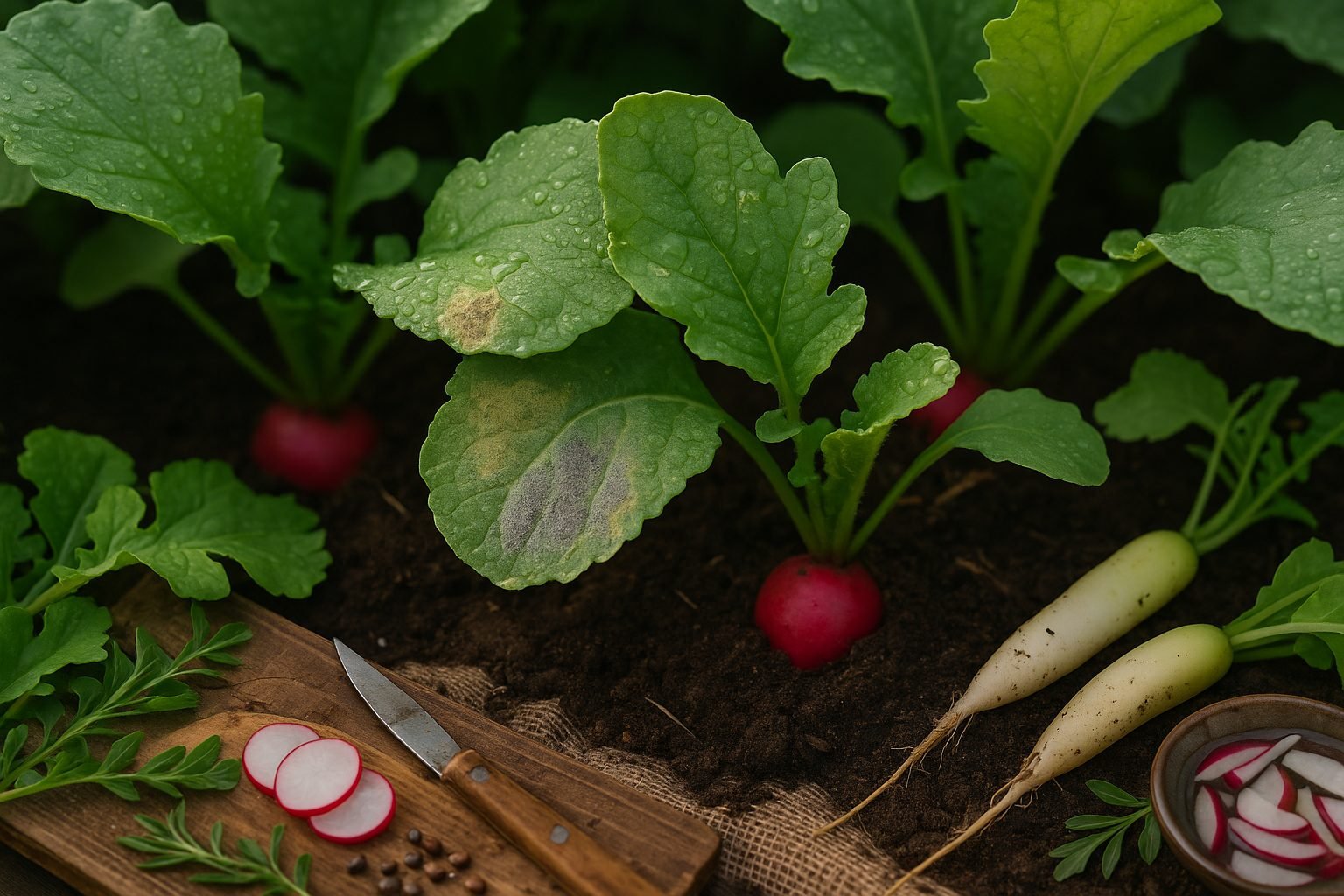
Unlike powdery mildew, which looks like talcum powder dusted on the leaf surface, downy mildew first appears as yellowish or pale spots on the upper sides of radish leaves, with a fuzzy, grayish growth on the underside—especially in the morning when humidity is high. Early recognition of these symptoms is crucial; spotting the disease early allows you to implement targeted management strategies such as improving air circulation, adjusting watering practices, or applying approved fungicides.
Waiting too long can result in yellowing, wilted foliage, stunted roots, and significant crop loss. For both home gardeners and larger-scale growers, prevention is key:
- Select well-drained locations
- Avoid overhead irrigation
- Space radish plants appropriately
- Scout plants frequently for early symptoms
It’s important to note that downy mildew is caused by water molds—not true fungi—which means certain fungicides effective against powdery mildew might not work here. This subtle but important difference can save time, effort, and money in managing the disease.
Whether you grow a handful of radishes at home or cultivate them for market, understanding downy mildew’s unique nature and how it differs from similar-looking diseases is your first line of defense in keeping your plants healthy and your harvest bountiful.
Recognizing Downy Mildew: Symptoms and Signs
Spotting downy mildew early can save your garden or crop from severe damage, but symptoms often vary depending on the plant type. A telltale sign to watch for is irregular yellow, pale green, or even purplish patches on the upper surface of leaves, which may develop into brown spots as the disease progresses.
The most distinguishing feature, however, appears on the leaf underside: look for a fine, grayish or white fuzzy growth (often described as moldy or downy), especially in cool, moist conditions. Infected plants may also appear stunted, with leaves curling, wilting, or dropping prematurely.
Be aware that downy mildew can show up differently depending on the host—for instance, grapevines often show angular, yellow discolorations, while basil displays yellowing and blackening along the leaf veins.
To distinguish downy mildew from lookalikes like powdery mildew, check the location and texture of the fungal growth; powdery mildew forms a white, powdery coating on both leaf surfaces, whereas downy mildew’s downy patches are mainly on the underside. Also, powdery mildew thrives in dry conditions, while downy mildew prefers humidity and wet leaves.
To double-check, gently wipe the fuzzy underside with your finger; downy mildew will easily smear, while powdery mildew tends to stick.
Regularly inspect plants early in the morning when dew is present, as fresh symptoms are most visible then. Familiarity with these subtle differences means you can act quickly—removing infected leaves, improving air circulation, and adjusting watering habits—to protect your plants before the disease takes hold.
Affected Plants: Common Hosts of Downy Mildew
Downy mildew is a formidable foe for a wide range of plants, striking both agricultural crops and garden favorites. Some of the most notorious victims are cucurbits—including cucumbers, melons, squash, and pumpkins—which often experience rapid leaf yellowing and loss when conditions are humid.
Brassicas like broccoli, cabbage, and kale are also common hosts, but their level of susceptibility can vary even within the same species. For instance, young seedlings are typically more at risk because their tissues are softer and less developed, making them more vulnerable to infection. Mature plants, though still susceptible, often exhibit milder symptoms.
Grapes represent another high-profile target; entire vineyards can be threatened, particularly in regions with wet spring weather, with outbreaks leading to significant economic losses.
In ornamentals, impatiens and roses stand out as frequent victims, with downy mildew sometimes wiping out entire beds in a matter of weeks.
Different strains of the pathogen are often highly specialized—for example, Plasmopara viticola attacks grapes, while Peronospora destructor is a major concern for onions.
Notable outbreaks have made headlines, such as the devastating spread of downy mildew on basil crops in the United States, first detected in Florida in 2007 and quickly spreading nationwide. Likewise, in the UK, severe downy mildew infestations on impatiens forced many garden centers to temporarily stop selling the plant.
Realistically, the best defense starts with knowing which of your plants are most at risk during each growth stage. Using resistant varieties, rotating crops, and responding quickly to early disease signs can make all the difference in keeping downy mildew at bay.
Disease Cycle, Spread, and Conditions
Downy mildew is caused by water mold pathogens (oomycetes) that thrive by exploiting favorable environmental conditions and efficient reproductive strategies. The disease begins when overwintering structures called oospores or mycelium survive in plant debris or soil, persisting through adverse conditions until the next growing season.
When temperatures are mild (typically 55–75°F) and the air is humid, these structures germinate, producing sporangia that release countless microscopic spores (zoospores). Rain splash and wind easily carry spores long distances, enabling the disease to spread rapidly between plants and fields.
Wet foliage, frequent dew, or overhead irrigation set the stage for successful infection, as zoospores require a layer of moisture on leaves to swim to and penetrate plant tissues. After infecting a host, the pathogen colonizes leaf surfaces, eventually producing new sporangia—visible as fuzzy or downy growth on the undersides of leaves—within a few days. These fresh spores ride the next gust of wind or drop of rain to start the cycle again.
Because each stage of the life cycle relies so heavily on moisture, downy mildew outbreaks are most severe during extended periods of leaf wetness, persistent morning dew, or in densely packed plantings with poor air circulation. Managing the disease often means aiming to:
- Reduce humidity around plants
- Increase airflow by pruning or spacing
- Avoid overhead watering late in the day
In the offseason, removing infected plant debris disrupts the overwintering ability of the pathogen, offering a practical real-world defense against its return.
Managing Downy Mildew: Commercial and Organic Approaches

Effective management of downy mildew in large-scale farming requires a mix of cultural, chemical, and biological strategies, especially when aiming for organic certification or reducing pesticide use. One key cultural practice is proper plant spacing; giving plants enough room improves air circulation and helps foliage dry faster, making it harder for mildew to thrive.
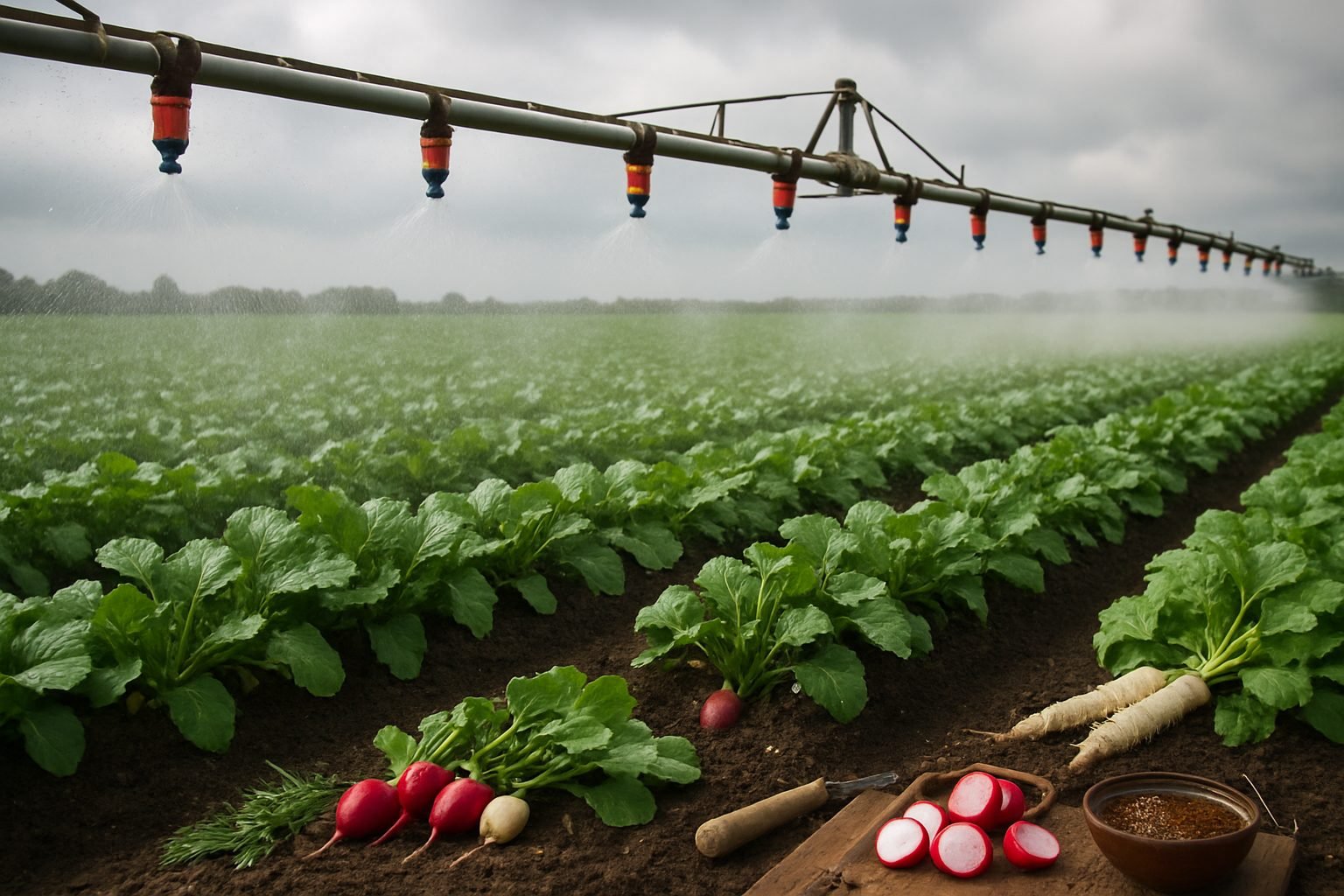
For high-value crops like lettuce or cucurbits, using disease-resistant or tolerant varieties is a long-term solution—check seed catalogs for options bred specifically to combat downy mildew. Irrigation methods also play a role; drip or soaker hoses keep leaves dry while providing water to roots, unlike overhead irrigation, which creates the moist canopy downy mildew loves. Watering early in the day allows moisture to evaporate before nightfall.
Chemical Controls
Large-scale conventional growers can use fungicides containing copper, mancozeb, or chlorothalonil. However, these should always be applied according to label instructions and rotated to prevent resistance. Copper-based products are among the few approved for organic production but must be used carefully to avoid soil build-up and phytotoxicity.
To maximize safety and effectiveness, integrate chemical controls with regular scouting and weather-based forecasts to predict outbreaks and guide targeted applications instead of routine sprays. Whenever possible, use “reduced risk” or biological fungicides, such as those based on Bacillus subtilis or Trichoderma species, which offer suppressive activity and can be reapplied regularly in organic systems.
Integrated Management Strategies
Integrated management means layering these approaches for a strong, multi-pronged defense. Rotate crops annually and remove plant debris after harvest to break the disease cycle. Consider using floating row covers during critical periods to keep spores off young plants. Clean tools and equipment regularly to prevent spreading spores between fields.
Connecting with local extension services can provide up-to-date advice on current disease pressures and recommended practices in your area. By combining cultural, chemical (including organic-approved), and biological options, both commercial and organic growers can keep downy mildew in check without relying on a single solution.
Downy Mildew Management for Home Gardeners
Downy mildew is a common yet frustrating problem for home gardeners, known for attacking a wide range of plants including cucumbers, basil, and lettuce. Early recognition is key: look for yellow or pale green spots on the tops of leaves and a grayish, fuzzy growth underneath, especially during cool, damp weather.
To prevent outbreaks, focus on proactive garden hygiene—remove plant debris, weeds, and any infected material immediately to limit sources of infection. Keep your plants well-spaced for good air circulation and always water at the base, avoiding wetting the foliage. If you can, water in the morning so leaves dry quickly. Mulching helps prevent water splash that can spread spores.
Environmentally, avoid overcrowding and choose mildew-resistant plant varieties when available. For low-impact remedies, homemade solutions like spraying diluted neem oil or a baking soda mixture (one teaspoon per quart of water) can help slow the spread—just test on a small leaf patch first.
Check your plants often, at least once a week, to catch any problems before they escalate. Removing and destroying infected leaves right away can prevent a minor issue from taking over your garden. Acting quickly and staying vigilant with these habits goes a long way in keeping downy mildew at bay and ensuring your plants thrive all season long.
Summary and Resources
Downy mildew can be a tough adversary for gardeners and growers, but early identification and prompt action make all the difference. Look for telltale yellow or pale spots on the tops of leaves, often paired with fuzzy grayish growth underneath—especially after humid or rainy weather. Remove and destroy infected leaves quickly, and improve air circulation by spacing out plants and avoiding overhead watering.
Choose resistant varieties when possible, and rotate crops to reduce spore buildup in the soil. For more tailored advice, check your local cooperative extension’s website—they often offer pest alerts, diagnostic help, and region-specific control strategies.
Trusted online resources include:
- Cornell Vegetable MD Online
- University agricultural extension YouTube channels
- The American Phytopathological Society’s disease guides
To stay on top of emerging outbreaks, sign up for state or regional pest alerts (like those from the NPDN or your state agriculture department), and don’t hesitate to join community gardening groups or online forums for real-world tips from fellow growers.
Proactive monitoring, ongoing education, and connecting with plant health experts can go a long way in keeping downy mildew under control season after season.