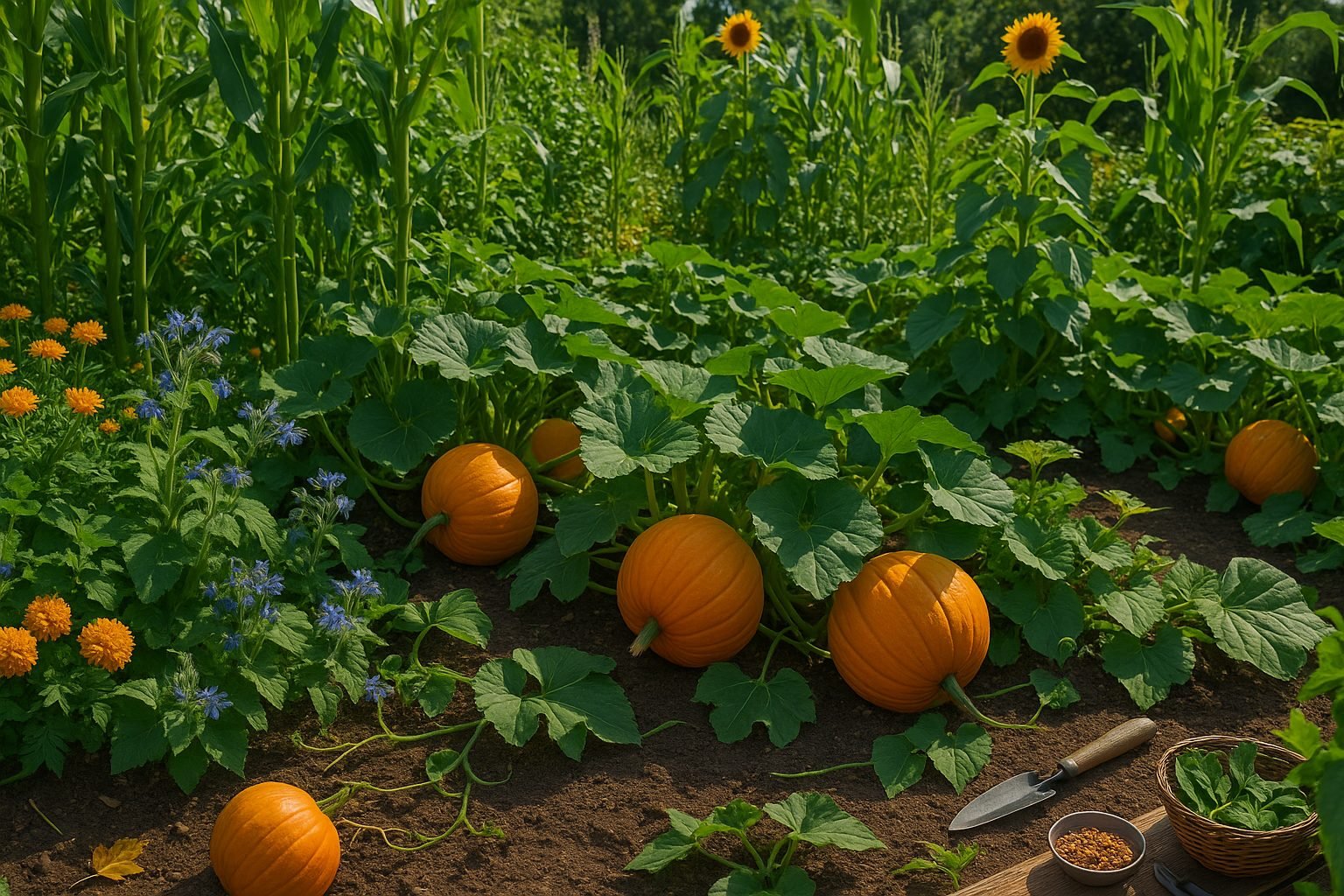
What is Companion Planting for Pumpkins?
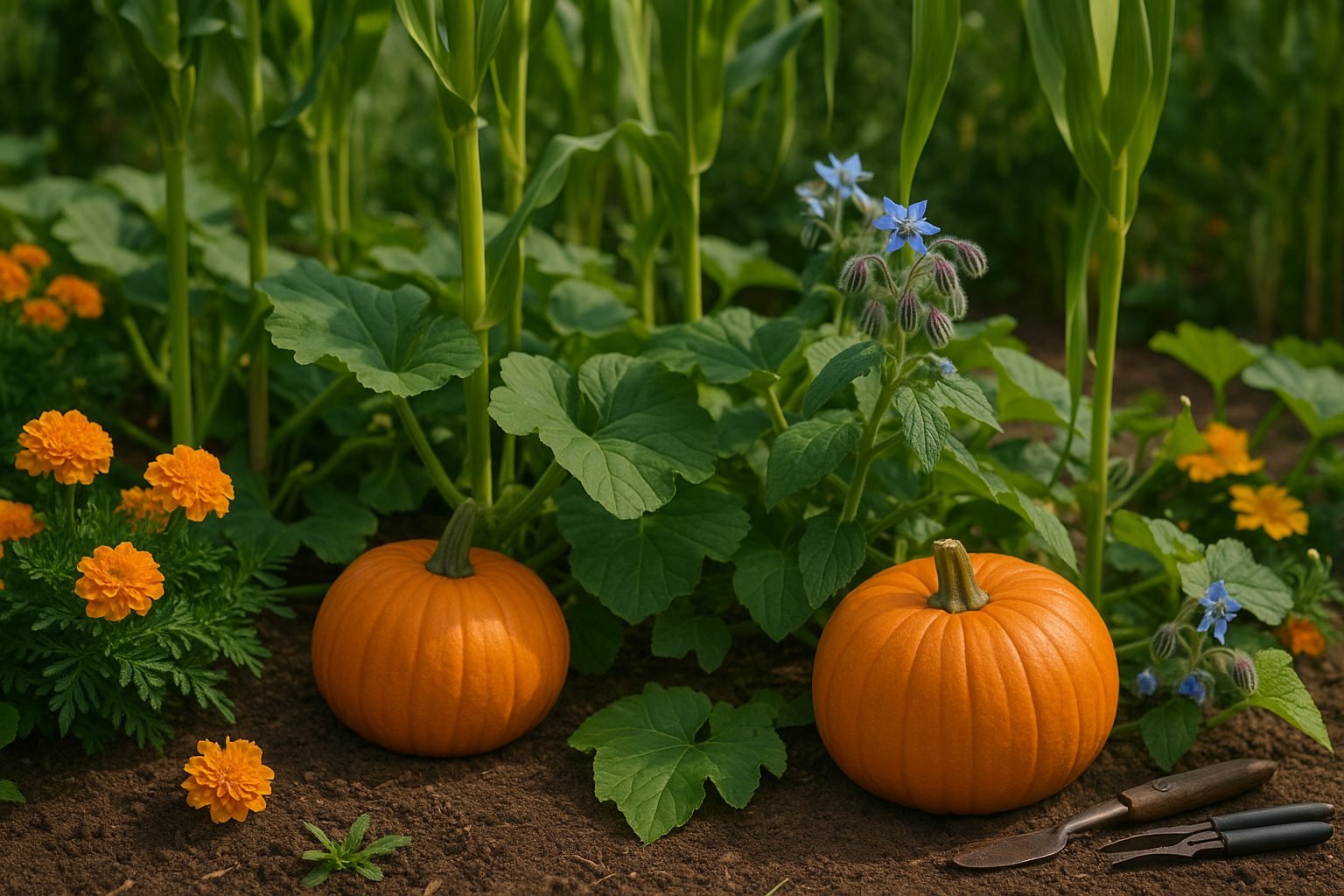
pumpkin companion plants are a gardener’s secret weapon for growing healthy, vibrant pumpkin crops with less hassle. Companion planting—growing certain plants together to mutually benefit each other—has been used for centuries in vegetable gardens around the world.
The idea is simple: by thoughtfully pairing up crops, you can naturally deter pests, encourage better pollination, and even support stronger plant growth without always reaching for chemical solutions.
For pumpkins, choosing the right companions is especially important. Pumpkins are sprawling, space-hungry plants that can attract unwelcome visitors like squash bugs and cucumber beetles. By surrounding your pumpkin vines with allies like marigolds or nasturtiums (which repel pests), or including flowering herbs such as dill and borage to lure pollinators, you help create a balanced environment where your pumpkins can thrive.
Some companion plants, like corn or beans, can add shade, keep the soil moist, or even provide natural trellises for young pumpkin vines to climb. Meanwhile, avoiding certain plants—like potatoes or aggressive root vegetables—prevents root competition and disease spread that can stunt your pumpkin’s progress.
Ultimately, the right pumpkin companion plants make a huge difference: you’ll grow bigger, healthier pumpkins and, as a bonus, enjoy a more diverse, resilient garden. So, when planning your patch, think beyond pumpkins themselves and consider what’s growing beside them—your future harvest will thank you!
Top Companion Plants for Pumpkins
Pairing pumpkins with the right companion plants can make a big difference in your garden’s health and harvest. Start with beans and peas: these legumes “fix” nitrogen in the soil, replenishing an essential nutrient that heavy-feeding pumpkins crave. Interplant them nearby or in adjacent rows for a natural nutrient boost, but avoid sowing vines too close or they’ll tangle.
Corn makes an excellent neighbor by providing a supportive trellis for pumpkin vines to climb and acting as a natural windbreak that shelters young pumpkin plants; just leave enough space for sunlight to reach both crops. Sunflowers also offer valuable shade during intense summer afternoons, plus their towering presence draws beneficial pollinators—plant them along the garden’s north or west edge to prevent shading out your pumpkin patch.
For pest management without chemicals, marigolds are a classic choice; scattering marigold starts around pumpkin beds helps deter nematodes and aphids while adding cheerful color. Borage is another pollinator magnet, attracting bees for better fruit set, and its blue flowers bring a pop of color. Place borage at row ends or within raised beds since it self-seeds and spreads easily.
Chives and oregano both repel common pests: chives naturally deter aphids and beetles, while oregano’s aroma confuses pests and protects neighboring plants. Use these herbs as a living border around pumpkin mounds.
When laying out your pumpkin garden, alternate rows of pumpkins and legumes, dot the borders with marigolds, and sprinkle borage, chives, and oregano through open corners. This thoughtful blend supports robust pumpkin growth, reduces pest problems, and enhances pollinator activity—all without synthetic inputs. Rotate your companion plants yearly to keep soil healthy and avoid disease build-up. With a little planning, your pumpkins will thrive with these garden allies at their side.
Plants to Avoid Planting Near Pumpkins
When planning your pumpkin patch, it’s important to know which plants to avoid nearby, as some companions can do more harm than good.
Potatoes top the list because they compete aggressively for nutrients and are prone to similar soil-borne diseases, which can easily transfer between the crops and stunt pumpkin growth.
Cucumbers and melons are also best kept apart from pumpkins, even though they’re closely related. They attract similar insect pests, like cucumber beetles and squash bugs, which can quickly create an infestation that spreads between these vine crops.
Additionally, planting these relatives together means they’ll all be vulnerable to the same fungal diseases, like powdery mildew, which thrives in dense, humid plantings and can devastate an entire section of your garden.
If space is tight, consider vertical gardening to separate vining plants or use containers to grow sensitive crops at a distance.
You can also interplant pumpkins with beneficial companions such as beans or marigolds, which not only add visual variety but may help repel pests and boost soil health.
Rotating your plant families each year further reduces the risk of disease buildup and nutrient depletion.
Ultimately, giving pumpkins their breathing room ensures healthier vines and a more bountiful harvest, even in smaller gardens.
How to Arrange Your Pumpkin Companion Planting
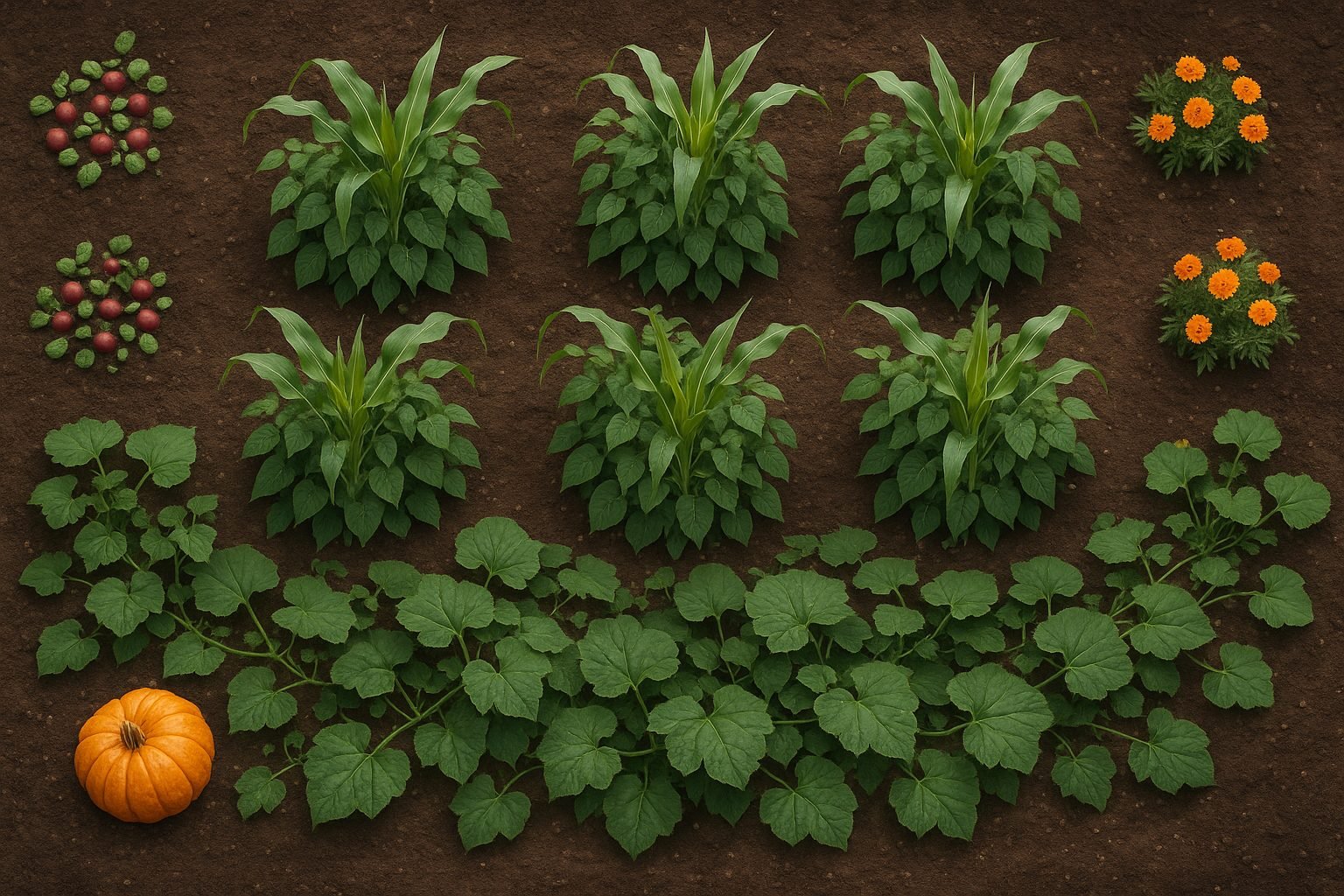
When arranging your pumpkin companion planting, start by picking a sunny spot—pumpkins need at least 6-8 hours of direct sunlight each day to thrive. Give each pumpkin plant plenty of room to spread; aim for at least 4-5 feet between vines, or consider training vines along a fence or trellis to save space.
Companion plants like beans, corn, and radishes can be tucked in around the edges or in the gaps between hills. For example, the classic “Three Sisters” method combines pumpkins, corn, and climbing beans:
- Plant corn in a mound.
- Sow beans to twine up the stalks.
- Plant pumpkins around the base to provide ground cover and shade, which helps suppress weeds and keep soil moist.
Maximize your garden’s output by using succession planting—start fast-growing companions like lettuce or spinach between young pumpkin plants. By the time the vines need space, those quick crops will be harvested.
Don’t forget crop rotation to maintain healthy soil: after your pumpkin harvest, plant legumes like peas or beans the next year in that spot, as they help replenish nitrogen in the soil used up by hungry pumpkin vines.
With a bit of planning, you can enjoy a continuous harvest, healthier plants, and a more productive, beautiful garden.
Troubleshooting Common Pumpkin Companion Planting Issues
If your pumpkins aren’t thriving alongside their companions, overcrowding is often the culprit. When leaves overlap and vines become tangled, air circulation suffers, encouraging powdery mildew or mold. Early warning signs include yellowing leaves, wilting plants in the afternoon, or small, unhealthy pumpkins.
Spacing is key—leave at least two to three feet between pumpkins and other sprawling veggies like squash or cucumbers. Consider using vertical supports for non-pumpkin plants like beans to improve airflow.
Disease spread is another concern in closely planted beds. Watch for spots, fuzz, or discoloration, especially after rain. If you notice these signs, trim excess foliage and promptly remove infected plant parts.
Pest buildup, such as cucumber beetles or squash bugs, can also get worse with dense companion groupings because pests hide easily and move between host plants. Keep a close eye out for holes, chewed leaves, or egg clusters. As a quick fix, use row covers, hand-pick pests, and rotate plantings each year to disrupt pest life cycles.
If your companion planting isn’t producing healthier pumpkins—small fruit, more disease, or stunted vines—it’s time to reevaluate your layout. Thin overcrowded sections and consider swapping out companions that may be competing too aggressively for nutrients and water.
Regularly rotating where you plant companions, encouraging predatory insects with flowers, and keeping the soil weed-free will help you avoid these setbacks and enjoy a robust pumpkin harvest.
Final Thoughts & Key Takeaways
Companion planting offers plenty of rewards when growing pumpkins, from promoting healthier vines to naturally reducing pests and maximizing your garden space. By growing pumpkins alongside helpful plants like beans, radishes, or marigolds, you encourage beneficial insects, deter harmful bugs, and may even boost your harvest.
There’s no one-size-fits-all formula—your soil, climate, and plant varieties all play a role in what works best. Try pairing your pumpkins with different companions each season to see what thrives in your unique environment.
As you experiment, make a habit of jotting down what you plant together, any pest or disease issues, and your successes or challenges. These notes become a goldmine for future seasons, helping you fine-tune your approach year after year.
By staying observant and flexible, you’ll not only enjoy more abundant pumpkin harvests but also become a more skilled and confident gardener along the way.