Introduction
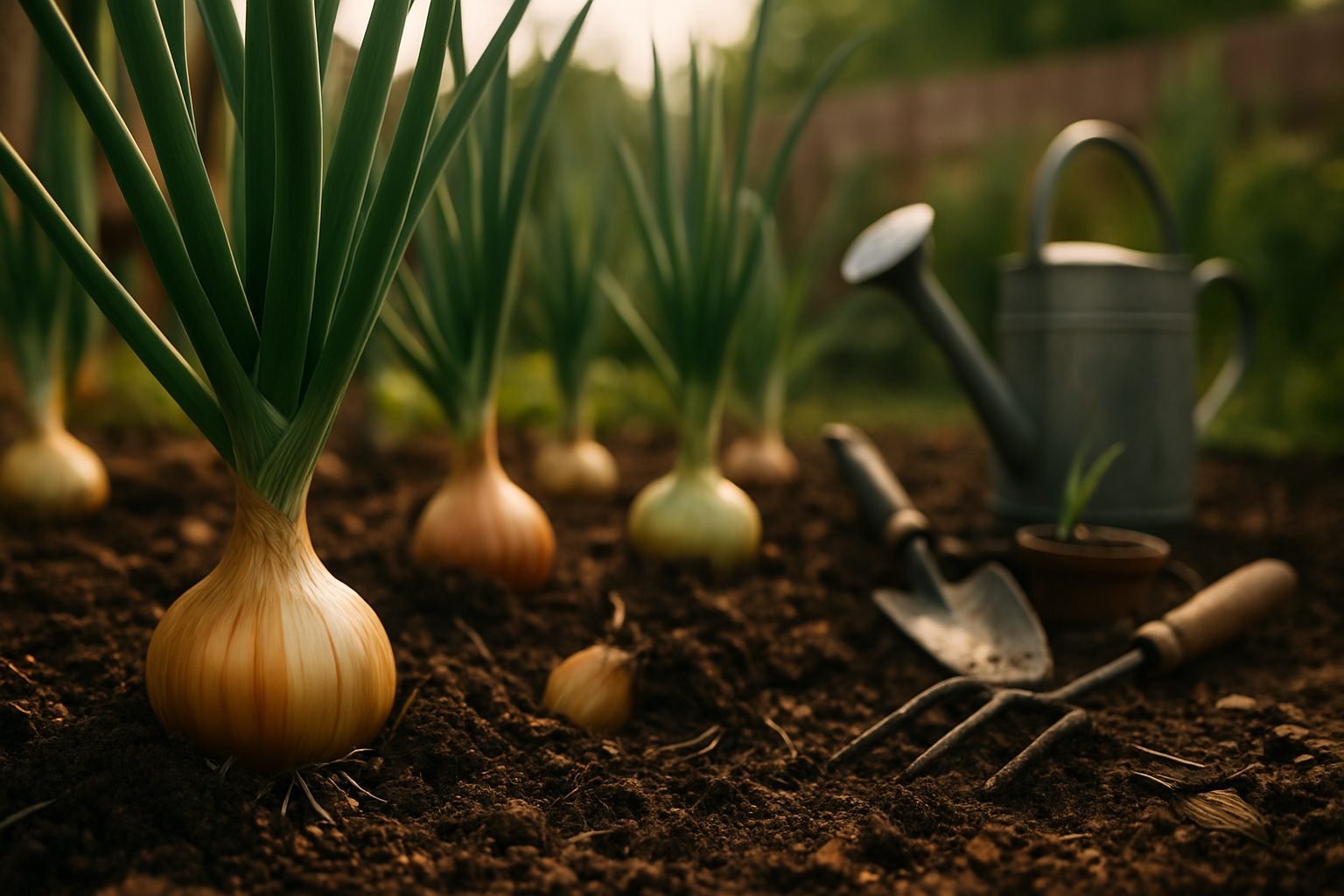
Organic onion pest control is essential for anyone wanting to grow healthy, flavorful onions without relying on synthetic chemicals. Pests like thrips, onion maggots, and cutworms can quickly damage your onion patch, reducing both yield and quality. For home gardeners and small farms, using organic methods means more than just avoiding harsh pesticides—it also protects pollinators, preserves beneficial soil life, and keeps your harvest safe for your family and the environment.
By choosing organic solutions, you support long-term soil health and help create a balanced garden ecosystem that’s more resilient to future pest invasions. In this article, we’ll explore proven techniques for identifying common onion pests, natural ways to prevent infestations, and effective organic remedies you can apply right away—such as companion planting, crop rotation, and homemade sprays. You’ll also learn how to boost your soil and plant health to make your onions less attractive to pests from the start.
Whether you’re after sustainable gardening tips or simply want to protect your onion crop, these organic strategies can help you grow strong, healthy onions with peace of mind.
Common Onion Pests and Their Impact
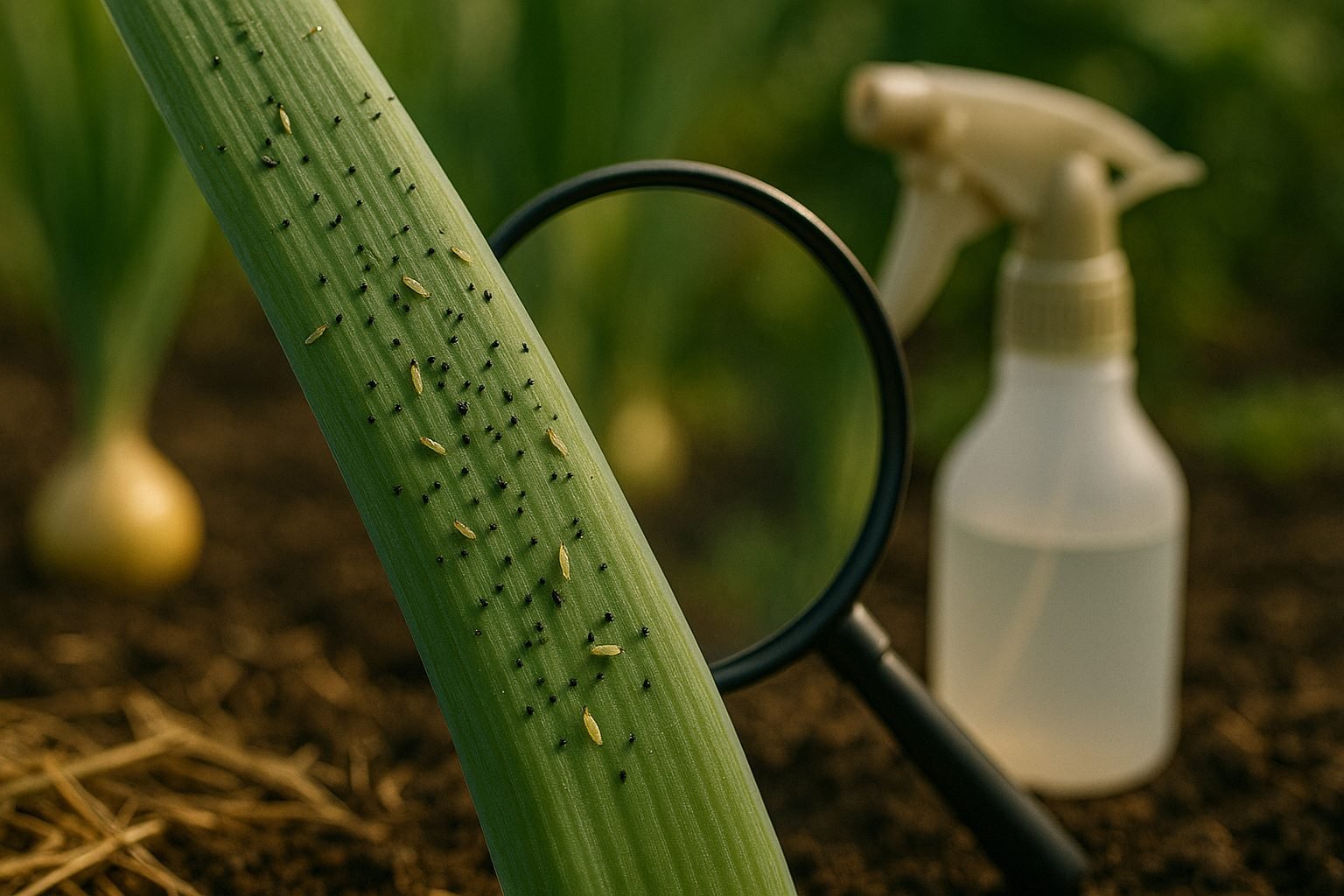
Several pests pose a significant threat to onions, making effective organic onion pest control essential for healthy crops and a strong yield. Among the most notorious are onion maggots—small white larvae that feed on onion roots and bulbs. Their tunneling not only stunts plant growth but can also cause entire seedlings to wilt or collapse, dramatically reducing yield.
Thrips—tiny, slender insects barely visible to the naked eye—pierce and suck sap from onion leaves, leading to silver streaks, shriveled foliage, and decreased photosynthesis. Severe infestations can cause bulbs to be smaller and more prone to rot. Another common offender is the cutworm, a nocturnal caterpillar that chews through stems at soil level, often cutting young onion plants down before they have a chance to mature.
Beyond immediate crop loss, pest damage makes bulbs more susceptible to diseases, diminishing their quality and significantly shortening storage life. This highlights just how crucial it is to identify pests early, before populations explode and damage becomes irreversible.
Employing integrated pest management (IPM) strategies—such as regular monitoring, crop rotation, row covers, and encouraging beneficial insects—allows growers to catch problems early and intervene with targeted, eco-friendly solutions. By closely monitoring pest activity and acting swiftly at the first signs of trouble, gardeners and farmers can protect bulb quality, maximize yields, and keep onions healthy from field to table.
Cultural Practices for Preventing Onion Pests
One of the most effective strategies for organic onion pest control is implementing smart cultural practices right from the start. Crop rotation is essential—avoid growing onions or their close relatives (like garlic and leeks) in the same garden bed year after year, as this discourages specialist pests and diseases from building up in the soil. Aim to rotate onion families with unrelated crops for at least two to three years to break pest life cycles. Planting timing also matters: sow onions early in the season, when pest populations are typically low, or use sets and transplants instead of direct seeding to reduce the risk of early-season infestations. Preparing your soil well ahead of planting is vital; deeply till the plot and incorporate organic matter like compost, which not only nourishes your onions but also supports a healthy soil ecosystem where beneficial microbes outcompete harmful organisms.
Good garden hygiene is another pillar of organic onion pest control. Regular weeding denies pests shelter and breeding grounds, while clearing away dead leaves and plant debris removes places where onion maggots, thrips, and other pests can overwinter. For example, promptly removing leftover onion bulbs and any diseased foliage at the end of the growing season reduces the chances of pests returning. Additionally, consider mulching with clean straw or grass clippings to prevent soil-dwelling insects from accessing your onion bulbs and to help control weeds naturally.
Improving soil health also plays a crucial, if indirect, role in pest defense. Healthy, nutrient-rich soil produces vigorous onions capable of resisting or outgrowing minor pest damage. Use well-rotted compost or aged manure to boost soil fertility organically, and try adding natural amendments like rock phosphate or greensand to balance soil minerals. Encourage beneficial soil insects and microorganisms with regular applications of organic matter and by avoiding synthetic chemicals, which can disrupt helpful life in the soil. By combining these cultural practices, you’ll create an environment where onions thrive—and pests struggle to gain a foothold.
Physical Barriers and Traps
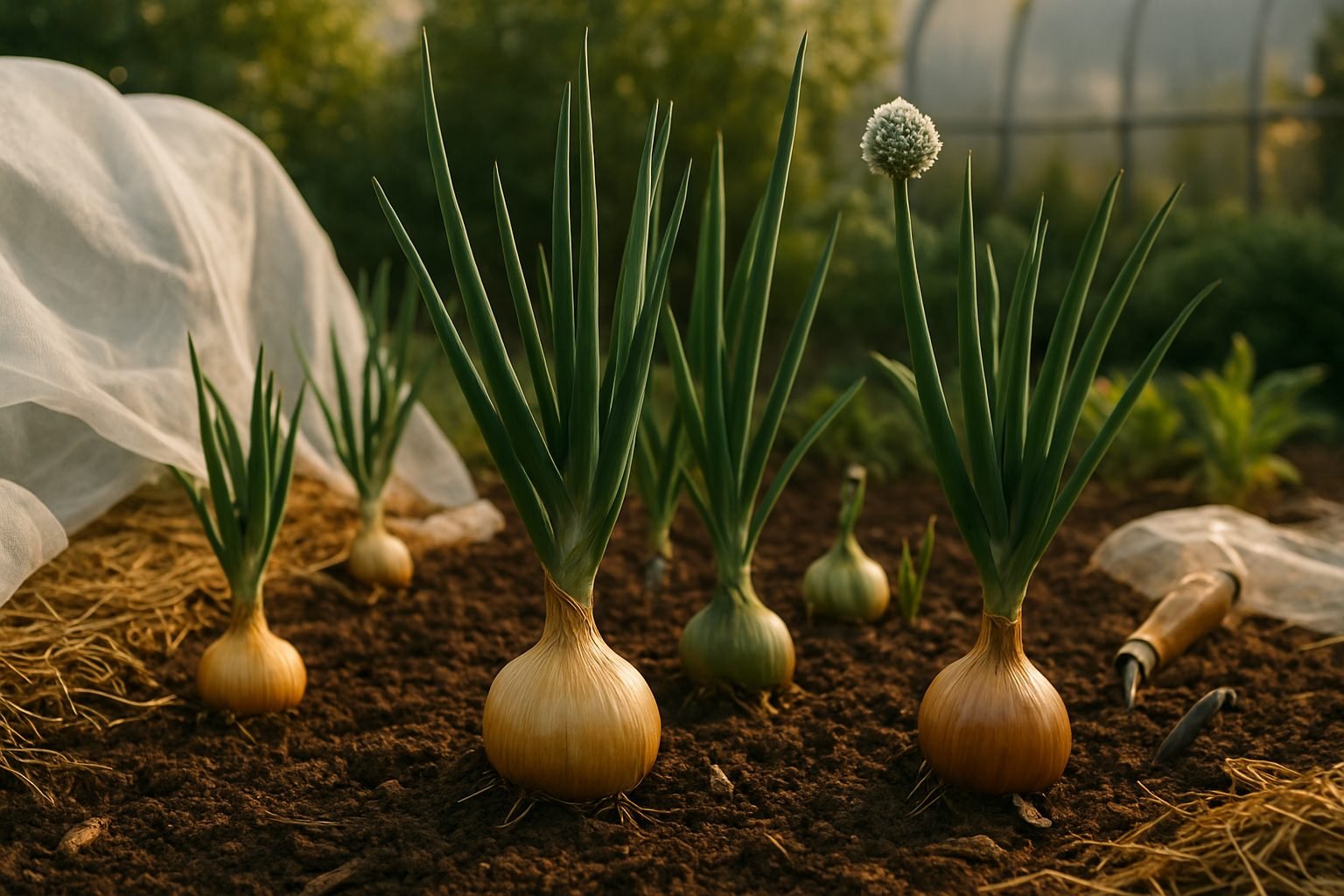
One of the most effective organic onion pest control strategies is using physical barriers and traps to keep pests away without chemicals. Floating row covers and fine mesh netting are simple yet powerful tools: draping these protective layers over your onion beds creates a physical shield that deters common insects like onion maggots, thrips, and leaf miners from reaching your plants.
When installing row covers, secure the edges tightly with soil or garden staples to block tiny pests from sneaking underneath. However, remember to lift the covers occasionally if you see your onions beginning to flower so beneficial pollinators can access the blooms.
In addition to barriers, sticky traps—bright yellow strips or cards coated with a tacky substance—can be placed around your onions to lure and trap flying pests such as thrips or fungus gnats. For more targeted monitoring and population control, pheromone traps are highly effective; they attract specific pests (like onion maggot flies) by mimicking insect scents, allowing you to track and reduce pest numbers before an outbreak.
To maximize effectiveness and protect pollinators, place traps low to the ground near the onion plants and remove or temporarily uncover barriers when onion flowers are open, enabling bees and other helpful insects to do their job. Regularly inspect and refresh the protective materials and traps: replace sticky cards as they fill up and ensure netting stays intact. This way, you’ll maintain a strong defense against pests while keeping your garden’s mini-ecosystem thriving.
Biological Controls: Enlisting Nature’s Helpers
One of the most effective methods for organic onion pest control is harnessing the power of biological controls—natural allies that help keep pest populations in check without harming the environment or your crops. Beneficial insects such as ladybugs, lacewings, and predatory beetles are invaluable for combating common onion pests like aphids, thrips, and onion maggots. For example, ladybugs and lacewing larvae can devour hundreds of aphids or thrips in a single week, making them a gardener’s best friends.
To encourage these helpful insects, grow flowering plants like dill, fennel, alyssum, or marigolds along the edges of your onion patch. These blooms provide nectar and pollen as alternative food sources, helping beneficial insect populations thrive. You can also purchase live ladybugs or lacewing eggs from reputable garden suppliers and release them directly onto your crop in the early morning or evening for the highest retention rates.
Beyond insects, microbial controls play a key role in organic onion pest control. Beneficial nematodes—microscopic roundworms—can be watered into the soil where they seek out and destroy the larvae of onion maggots without posing any risk to humans, pets, or plants. Choose nematode species specifically labeled for soil-dwelling insect pests and apply them in moist, shady conditions for best results, ideally after rain or watering.
Similarly, Bacillus thuringiensis (Bt) is a naturally occurring soil bacterium effective against certain caterpillar pests. When applied as a foliar spray, Bt produces proteins that are lethal to specific insect larvae but completely harmless to people and pollinators. Always follow label instructions to ensure these products work effectively and safely, and consider rotating types of microbial control if you use them regularly to help prevent pest resistance.
When combined with habitat management for beneficial insects, these biological controls create a powerful, holistic approach to keeping onion pests in check—naturally and sustainably.
Organic Sprays and Homemade Solutions for Organic Onion Pest Control
When it comes to organic onion pest control, using sprays made from natural ingredients can effectively keep pests like thrips and aphids away without harming your crop. Popular options include neem oil, insecticidal soap, and homemade garlic spray.
Neem oil, available at garden centers, should be diluted according to the label—usually about two teaspoons per quart of water—and sprayed directly on onion foliage in the early morning or late afternoon to minimize leaf burn. Insecticidal soap is another safe choice; you can make your own by mixing one tablespoon of pure, unscented liquid soap (not detergent) into one quart of water. Spray this solution onto the onion leaves, especially on the undersides where pests often hide.
Garlic spray is easy to prepare and naturally repels insects with its strong scent. Blend two bulbs of garlic with one quart of water, strain out the solids, then dilute with another quart of water before applying to your onions.
In all cases, avoid spraying during the heat of the day, as direct sunlight on wet leaves can cause damage. Always spot-test a small section of your onion patch first, waiting 24 hours to check for any adverse reactions. Reapply the solutions every 7–10 days or after heavy rainfall.
By using these organic sprays carefully, you can protect your onions from pests without leaving chemical residues, keeping your garden both safe and sustainable.
Monitoring, Early Detection & Integrated Approaches
Routine inspection is the foundation of effective organic onion pest control, helping you catch early signs of trouble before infestations get out of hand. Regularly check your onions by closely examining the foliage, stems, and bulbs, watching for discoloration, chew marks, holes, wilted leaves, or pests like onion thrips, maggots, and aphids. Scouting should happen at least weekly during the growing season and more often during warm, humid weather when pests are most active.
As you inspect, use a hand lens to spot tiny insects and eggs, and gently sift through the soil near the onion base to find larvae or pupae. Keep detailed records of your observations—including the date, location, pest type, and damage level—to track trends over time and identify areas that need extra attention.
Quick action is key once you spot a potential outbreak. Removing infested plants, introducing beneficial insects like ladybugs or lacewings, or adjusting irrigation can stop a small problem from spreading. For the healthiest onion crop, combine these detection and rapid-response steps with other integrated pest management (IPM) methods.
Crop rotation, planting pest-resistant onion varieties, mulching, and using physical barriers such as row covers all work together to naturally reduce pest populations. By blending careful monitoring, vigilant record-keeping, timely interventions, and a variety of organic tactics, you build a sustainable, long-term defense that protects your onions without synthetic chemicals.
Conclusion
Embracing organic onion pest control provides gardeners with healthier plants, safer harvests, and a positive impact on the environment. By focusing on preventive strategies like crop rotation, natural predators, and homemade sprays, you set your onions up for success without relying on harsh chemicals. Adopting a holistic approach not only keeps pests in check but also supports the overall balance of your garden. If you’ve tried organic methods in your own onion patch or have questions about getting started, please share your thoughts and experiences in the comments below—we’d love to hear from you!