Introduction
hot pepper companion plants aren’t just a trend—they’re an age-old gardening strategy with proven benefits. Companion planting, where different types of plants are grown close together for mutual benefit, has gained popularity among gardeners seeking healthier, more productive, and resilient gardens.
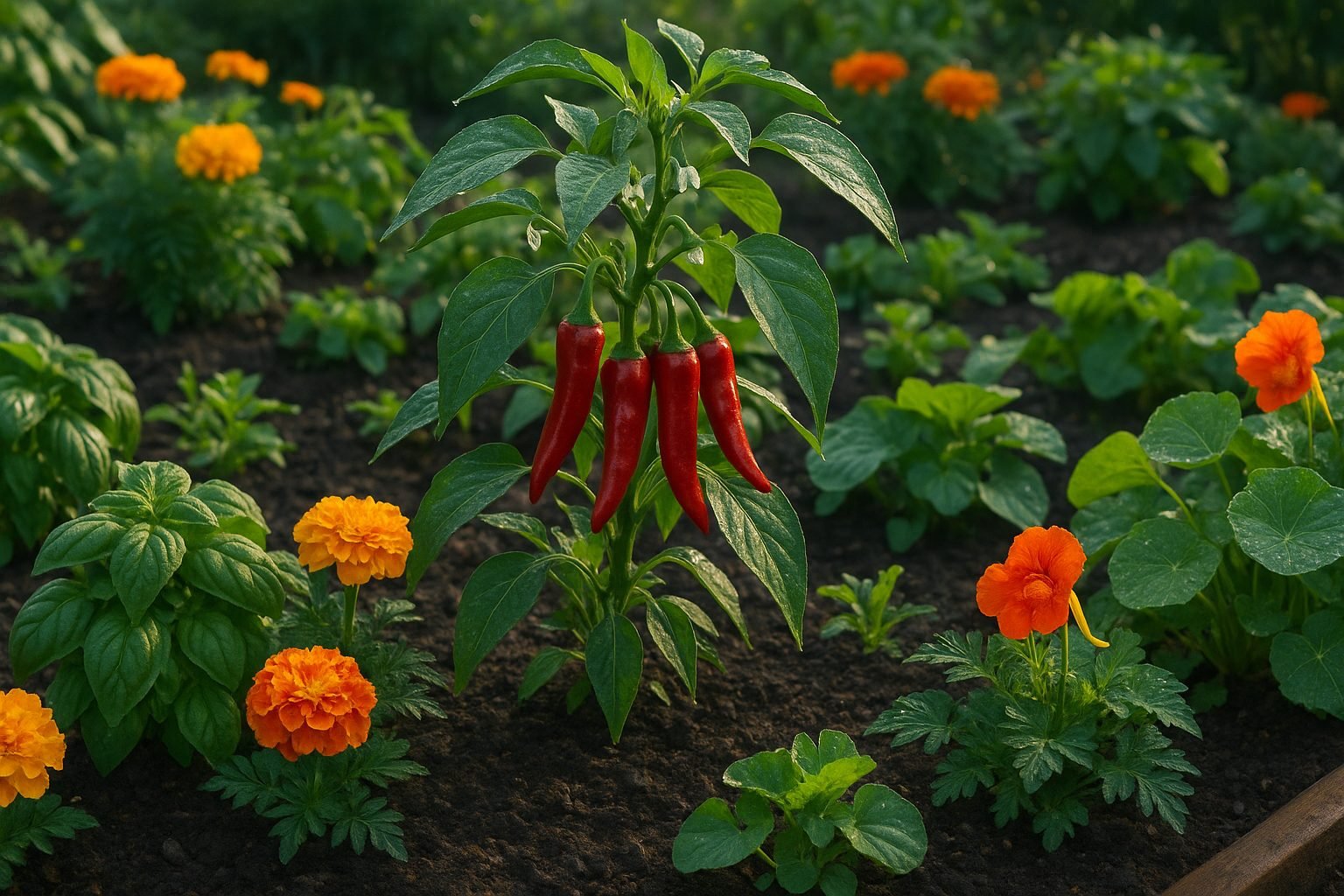
For hot pepper plants in particular, the right companions can do wonders. They help keep pests like aphids and spider mites at bay, promote better pollination, and even improve the flavor and vigor of your spicy harvest. Imagine planting basil or marigolds near your peppers—not only do these plants add visual interest and variety, but they also act as natural pest deterrents and improve overall plant health.
In this article, we’ll dive into the best companion plants for hot peppers, highlight which plants to avoid, and share practical tips on planning your pepper patch for maximum results. Whether you’re starting your first garden or looking to boost an existing one, you’ll discover easy ways to create a thriving ecosystem, naturally support your peppers, and enjoy an even better harvest—all with the help of carefully chosen plant partners.
Why Companion Planting Matters for Peppers
Companion planting, an age-old gardening practice supported by both tradition and emerging science, can give your pepper plants a leg up by creating a mini-ecosystem that supports their growth. Certain plants, like basil and marigolds, are popular companions for peppers because they emit scents that deter common pests such as aphids, spider mites, and beetles—resulting in less reliance on pesticides and healthier harvests.
Other companions, such as nasturtiums, act as trap crops by luring pests away from delicate pepper foliage. On the flip side, flowering herbs like cilantro and dill attract beneficial pollinators and predatory insects, giving your pepper blooms a better chance to set fruit while keeping pest populations in check.
Some traditional combos also focus on improving soil health; for instance, planting legumes near peppers can help fix nitrogen in the soil, providing these hungry plants with a natural nutrient boost.
However, it’s important to clear up a common misconception: not every recommended pairing guarantees growth miracles. While some companion relationships have years of gardener experience backing them, scientific studies sometimes show mixed results, especially regarding nutrient exchange and dramatic yield increases. Still, anecdotally and practically, many seasoned gardeners report fewer pest problems and healthier peppers when they mix plantings strategically.
To get started, you don’t need to overhaul your entire garden—try grouping a couple of basil or marigold plants alongside your peppers, observe the difference, and adjust from there. By blending tradition with observation and a healthy dose of experimentation, you’ll learn which companions work best in your unique growing space, helping your pepper plants flourish naturally.
Top Companion Plants for Peppers
When it comes to growing healthy, prolific pepper plants, choosing the right companions can make a big difference. Basil is a classic match—not just because these flavors pair well in the kitchen, but also because basil helps repel pests like aphids and spider mites, while supposedly enhancing the flavor of your peppers.
Marigolds are another top pick—they act as natural pest deterrents by attracting beneficial insects and keeping nematodes and beetles away from the soil. Carrots work well too; their deep roots help loosen the soil, improving drainage and airflow so your peppers can thrive.
Onions and their relatives, like chives and garlic, release compounds that deter aphids and other small insects. They also take up little space, making them great for containers or the edges of raised beds. Quick-growing spinach and cilantro are useful early in the season—they provide ground cover that suppresses weeds and conserves moisture before your pepper plants fill out, then can be harvested before the peppers need all the light and room.
Nasturtiums are colorful and edible, but more importantly, they act as “trap crops,” drawing aphids and other pests away from your peppers.
Companion Planting Tips by Garden Type
- Small container gardeners: Tuck a basil or onion plant alongside each pepper to maximize space and pest protection.
- Raised beds: Border your peppers with marigolds and interplant with carrots or leafy greens like spinach, taking care not to overcrowd.
- Open plots with ample space: Create structured sections for each type of companion and rotate them throughout the season to keep pests confused and soil rich.
No matter your garden size, avoid planting peppers near beans or fennel, as they can stunt growth. By mixing and matching these companions, you’ll not only foster healthier peppers but also harvest a more diverse, pest-resistant, and beautiful garden.
Plants to Avoid Growing with Peppers
When planning your pepper patch, it’s wise to avoid certain plant neighbors that can stunt your peppers’ growth or attract unwanted pests. Beans, for example, compete with peppers for similar nutrients and can overshadow them as they grow, leading to sparse fruit production.
Brassicas like cabbage, broccoli, and cauliflower are notorious for attracting the same insect pests as peppers—think aphids, flea beetles, and cutworms—which can quickly cause trouble in a shared bed. Even more problematic is fennel, which releases compounds from its roots that inhibit the growth of nearby plants, a phenomenon known as allelopathy.
If you’re keen to grow these crops in your garden, consider placing them in separate beds or using container gardens to keep their roots and pests segregated. Rotate crops each season so that beans and brassicas follow, rather than accompany, your peppers, minimizing nutrient depletion and pest buildup.
As an alternative, pair peppers with friendly neighbors like basil, onions, or carrots, which not only help deter common pepper pests but also don’t compete aggressively for nutrients. This mindful approach to companion planting will lead to healthier pepper plants and a more productive, harmonious garden overall.
How to Plan & Plant a Successful Pepper Companion Garden
Planning a successful pepper companion garden starts with a thoughtful layout—peppers thrive when spaced about 18 to 24 inches apart, giving them room for airflow and sunlight, while leaving ample space for beneficial companions like basil or marigold nestled in between.
Use taller plants, like corn or sunflowers, as living windbreaks along the garden’s northern edge, and tuck low-growing herbs such as oregano along the borders to make the most of every inch. In raised beds, stagger your pepper plants diagonally rather than in strict rows to squeeze in extra companions and reduce disease spread.
Practice succession planting by starting early greens or radishes near your peppers in spring, then filling the spot with heat-loving basil or bush beans as the weather warms. When rotating crops each season, avoid planting peppers where other nightshades (tomatoes, eggplants, potatoes) grew last year—this helps limit pest and soil-borne disease problems.
Mix in compost or well-rotted manure before planting to give your peppers and their companions a nutrient-rich boost, and mulch well to retain moisture and suppress weeds. In mixed beds, water at soil level in the early morning; peppers like consistent moisture, but overcrowded overhead watering can encourage fungi. A soaker hose or drip system works best.
By strategically grouping plants with similar needs, rotating crops, and layering your plantings vertically and horizontally, you’ll boost yields, save space, and grow healthier, tastier peppers all season long.
Essential Maintenance Tips for Mixed Beds with Peppers
Caring for mixed beds with peppers means staying attentive to the needs of all your plants while promoting harmony in the garden. Begin by keeping your beds tidy—regular weeding not only reduces competition for nutrients and water but also helps prevent pests and diseases from taking hold. Mulching with straw or shredded leaves can suppress weeds and keep the soil moist without waterlogging sensitive roots.
Make it a habit to walk through your bed at least twice a week to monitor for pests like aphids or cutworms; early hand-picking or a quick spray of mild soapy water can often stop an infestation before it spreads.
Fertilize peppers and their companions sparingly; peppers thrive with balanced nutrition, so side-dress with compost or an organic vegetable fertilizer every few weeks. Be careful not to overfeed leafy neighbors like lettuce or spinach, which can bolt if overnourished.
Stay alert for signs of plant stress: drooping or yellowing leaves, stunted fruit, or leaf spots can indicate issues such as overwatering, nutrient deficiencies, or incompatibility. Try rotating crops, creating more space, or moving companion plants that seem to outcompete the peppers.
Throughout the season, adjust your care as needed:
- Thin crowded seedlings in early spring
- Provide extra shade or water during summer’s peak
- Remove spent plants promptly as fall approaches to deter lingering diseases
Keeping up with these simple routines ensures your mixed pepper beds stay vibrant, productive, and resilient all season long.
Conclusion & Additional Resources
Companion planting with peppers offers a simple yet powerful way to boost your harvest and reduce pests naturally. By pairing peppers with herbs like basil, which repel aphids, or with flowers like marigolds that attract pollinators, you create a thriving mini-ecosystem right in your garden.
Whether you’re growing peppers in raised beds or a few pots on a patio, experimenting with different combinations can lead to healthier plants and tastier peppers. Every garden is unique, so don’t be afraid to try new plant partners and take notes on what works best in your space.
For gardeners interested in diving deeper, books like Carrots Love Tomatoes by Louise Riotte, or websites such as the Old Farmer’s Almanac, offer practical charts and advanced planting guides. Dive in, learn as you grow, and soon you’ll discover the companion planting secrets that work best for your peppers.