Introduction
If you’ve ever wondered what not to plant near cucumbers, you’re not alone. Companion planting is a tried-and-true gardening strategy that can make a world of difference in your vegetable patch—especially when it comes to cucumbers. The right companion plants can boost disease resistance, keep harmful pests at bay, and help your cucumber vines thrive.
On the flip side, certain plants can actually stunt cucumber growth, attract the wrong bugs, or even encourage fungal problems, turning your garden dreams into frustration. Whether you’re hoping to maximize your harvest or just avoid common pitfalls, understanding these plant relationships is key.
In this article, we’ll guide you through the very best companion choices for cucumbers, highlight which plants you should absolutely avoid nearby, and touch on how different cucumber varieties might change your approach. Get ready for practical, real-world advice—including specific examples—to help you create a healthier, more productive garden, and learn the secrets to keeping your cucumber patch—and the rest of your crops—in perfect harmony.
Best Companion Plants for Cucumbers
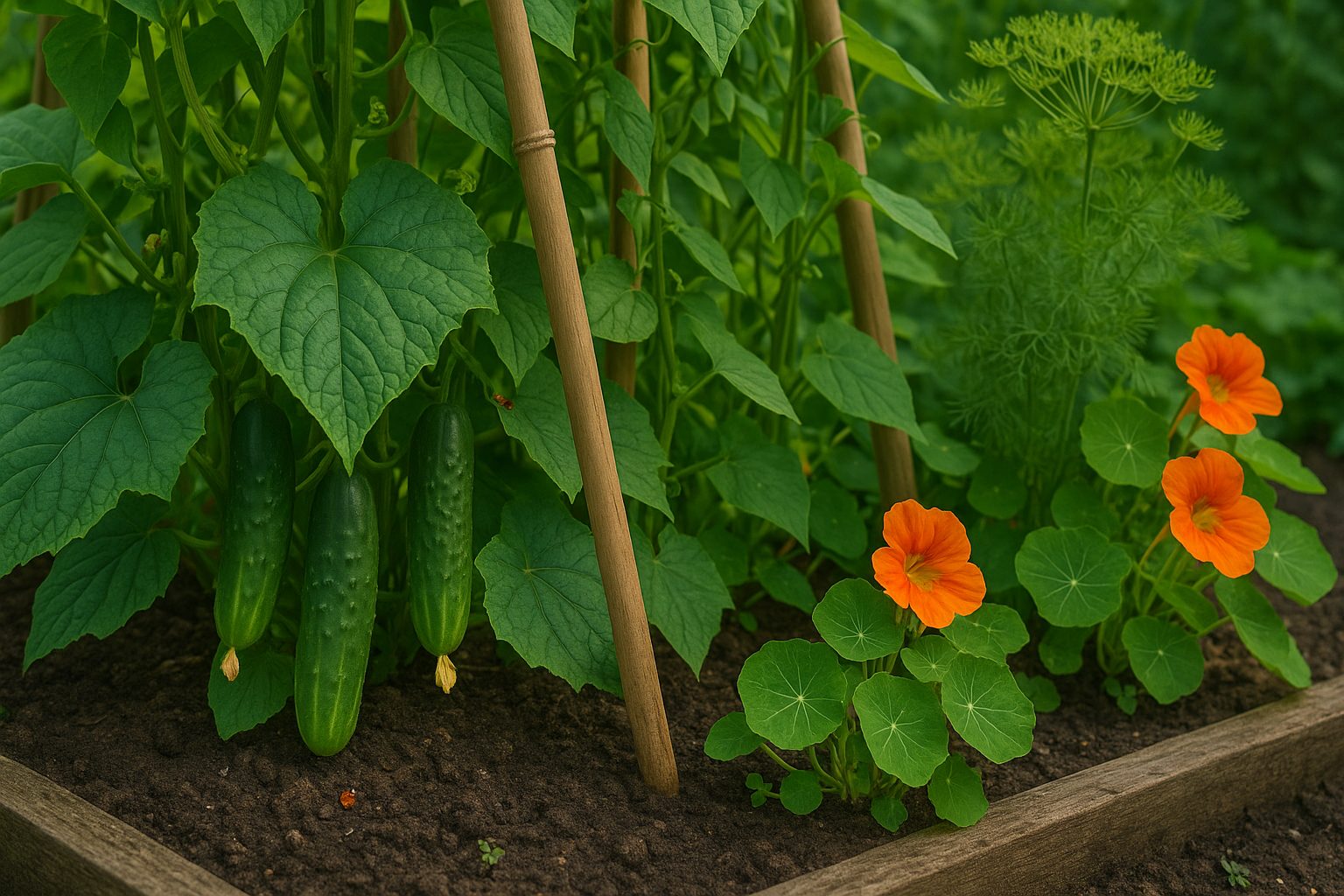
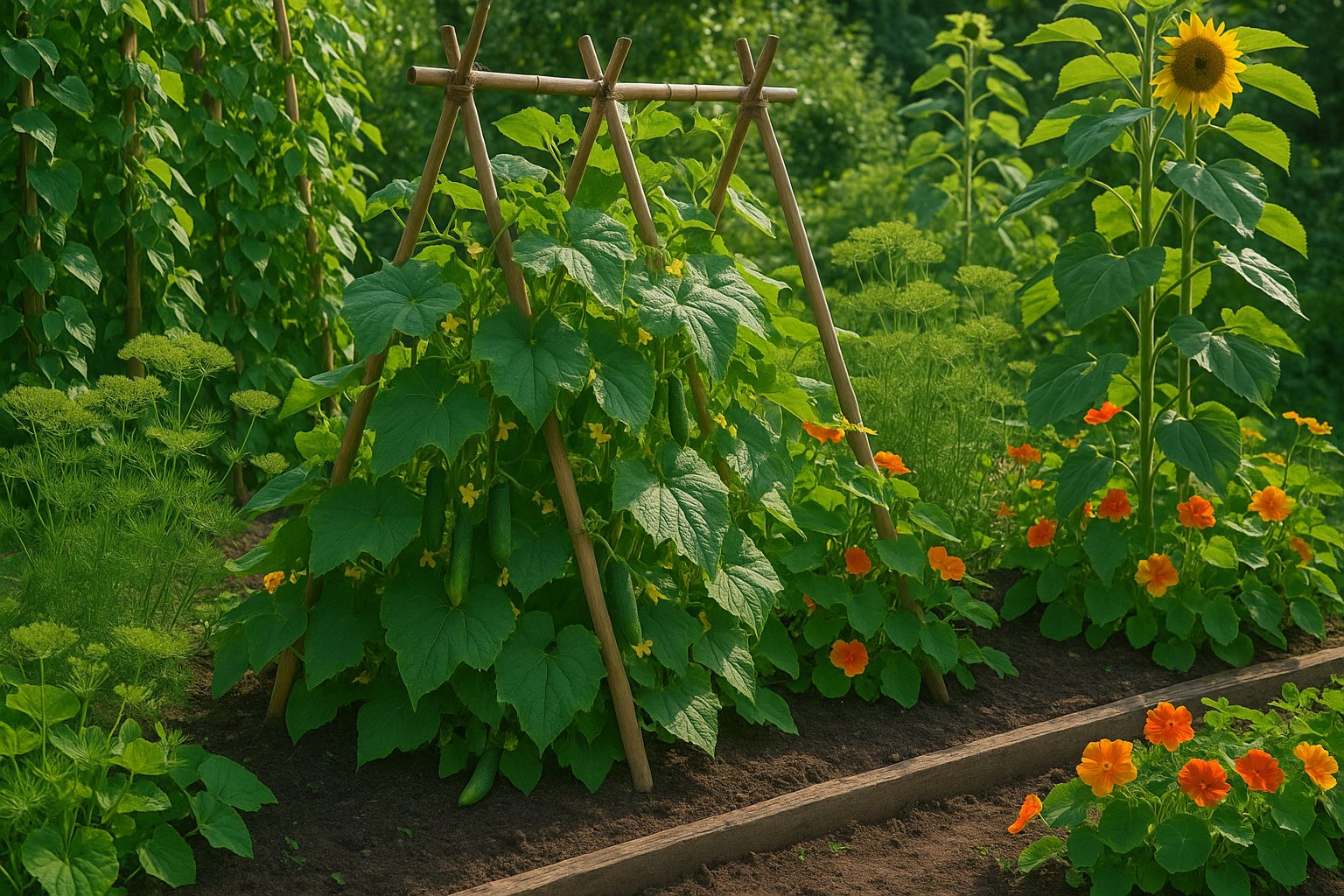
Choosing the right companion plants can make a big difference when growing cucumbers, both in crop health and yield. Legumes like beans and peas are classic companions, enriching the soil by fixing nitrogen and giving cucumbers the nutrients they need to thrive. Try planting pole beans at the back of a raised bed with cucumbers in front, so both can climb trellises without crowding.
Herbs such as dill act as a natural pest deterrent and attract beneficial insects like ladybugs that feast on aphids. Simply interplant dill in the corners or edges of cucumber beds for a low-effort boost.
Flowers like nasturtiums and marigolds are also favorites. Nasturtiums drape attractively and repel pests like cucumber beetles and aphids, while marigolds’ strong scent wards off nematodes and draws pollinators to help fertilize cucumber flowers. Calendula, sometimes called “pot marigold,” is another stellar choice, attracting pollinators and beneficial predatory insects.
When arranging your garden, plant taller companions such as sunflowers just north of your cucumbers. These can provide gentle afternoon shade, helping keep cucumber roots cool during summer heat. Be sure not to overcrowd—give each plant enough space so air circulates easily, reducing the risk of fungal disease.
For best results, alternate rows or cluster small groupings of herbs and flowers alongside cucumber vines, taking advantage of their defenses and pollinator-attracting abilities without blocking sunlight. Companion planting isn’t just about practical benefits—it turns your cucumber patch into a vibrant, biodiverse spot that promotes a healthier and more productive garden.
Plants to Avoid Planting Near Cucumbers
When planning your cucumber patch, it’s important to know which neighboring plants can cause more harm than good. Avoid planting cucumbers near potatoes, as both species are susceptible to similar diseases like blight, which can quickly spread and devastate both crops.
Sage is another poor companion—its strong aromatic oils inhibit cucumber growth, potentially resulting in smaller, less productive plants. Members of the allium family, such as onions and garlic, release compounds into the soil that can stunt the vigor of cucumbers.
Steer clear of planting melons or squash nearby, even though they might seem like natural garden partners. These vining relatives are vulnerable to the same pests—particularly cucumber beetles and squash bugs—and can compete aggressively for water, sunlight, and soil nutrients. This overcrowding can leave cucumbers stressed and more susceptible to diseases like powdery mildew.
To keep your cucumber harvest bountiful and healthy, always provide ample space, choose supportive neighbors like beans or lettuce, and avoid these bad companions to minimize shared pests and competition for resources.
Selecting the Right Cucumber Variety
Choosing the right cucumber variety is key to successful companion planting in your garden. Slicing cucumbers, grown for fresh eating, often require more space and sturdy trellises since they’re typically vining plants—perfect for pairing with vertical companions like pole beans that won’t crowd their roots.
Pickling cucumbers can be bushier and more compact, making them great for smaller gardens or containers, and they thrive alongside herbs like dill and nasturtiums.
Bush varieties are ideal for tight spaces or raised beds, while vining types love to sprawl and benefit most from vertical support. Your local climate matters too; in cooler regions, look for fast-maturing varieties, while heat-tolerant types work best in southern gardens.
Recommended Varieties
- Beginners can try Marketmore 76 for slicing (disease-resistant and adaptable).
- Boston Pickling is great for classic pickles.
- Spacemaster offers a compact bush option.
Experienced gardeners might enjoy experimenting with heirlooms like Lemon Cucumber, which offers a unique flavor and grows well with a wide range of companions.
Always match your cucumber’s growth habit and trellising needs with compatible neighbors to maximize harvest and minimize pest issues.
Practical Tips for Companion Planting with Cucumbers
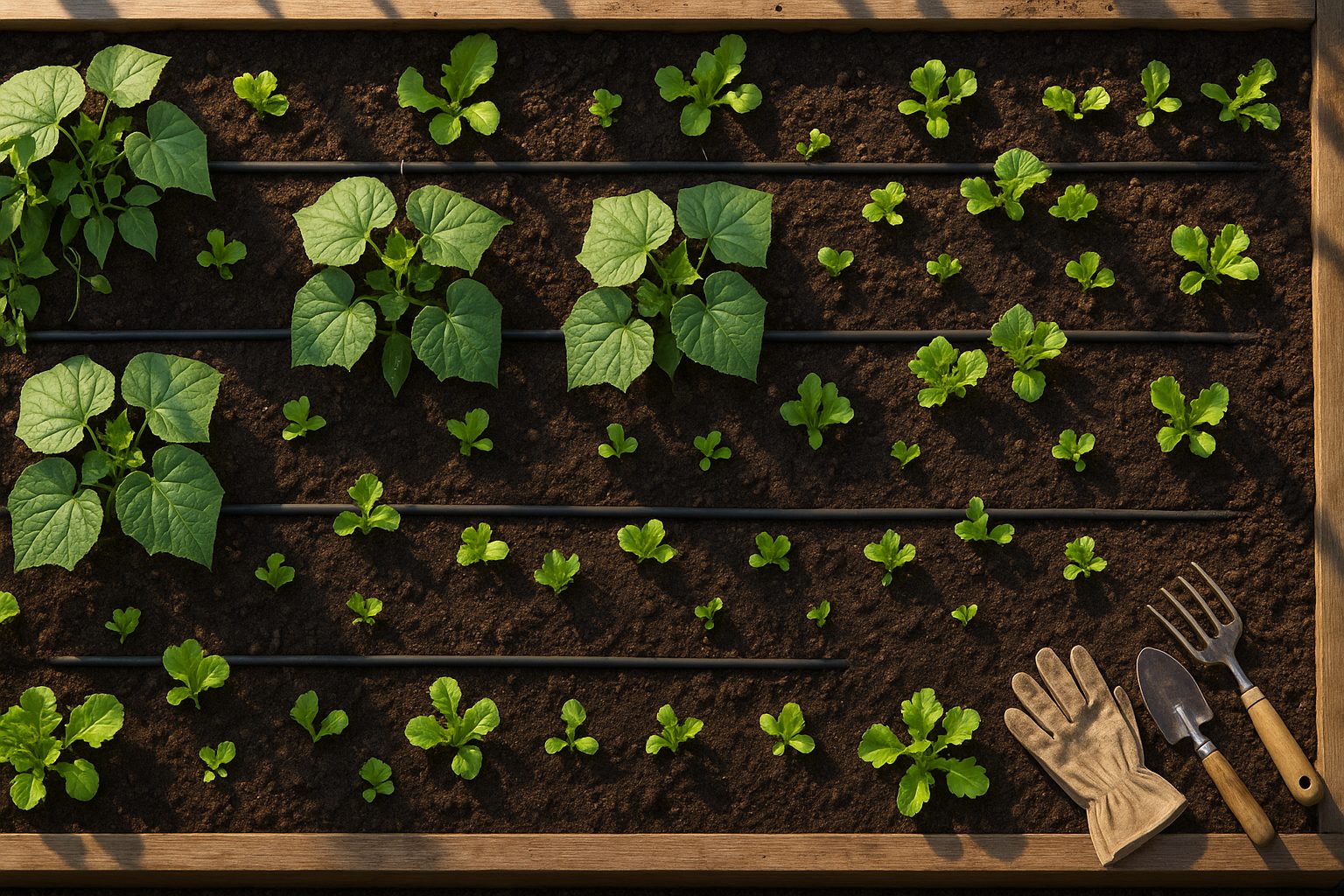
When companion planting cucumbers, start simple with your garden layout. Cucumbers thrive when planted along the edges of beds or in rows, with compatible plants such as beans, dill, or nasturtiums tucked beside or between them.
Try interplanting quick-maturing crops like radishes or lettuce. These can be sown in the spaces between cucumber hills or rows and harvested before cucumbers need the extra room.
To avoid overcrowding, give each cucumber plant about 12–18 inches of space and maintain 12 inches between companion plants. This spacing encourages airflow and makes it easier to spot pests.
Practice succession planting by sowing small batches of lettuce or spinach every few weeks. This takes advantage of the cucumbers’ slow start and ongoing growth.
Choose leafy companions or shallow-rooted herbs that won’t compete for sunlight or nutrients, and ensure your mixed crops all receive at least 6 hours of sunlight daily.
Avoid planting potatoes or aromatic herbs like sage near cucumbers, as they can stunt growth.
When watering, drip irrigation helps keep leaves dry, lowering the risk of powdery mildew—a common cucumber issue.
Rotate where you plant cucumbers and their close relatives each season, swapping them with non-cucurbit crops to minimize the buildup of diseases in the soil.
Smart companion planting and rotation not only boost cucumber yields but also help create a more resilient, balanced garden ecosystem.
Disease and Pest Prevention with Companion Planting
Companion planting is a powerful, natural strategy for protecting cucumbers from common diseases and pests while keeping your garden chemical-free.
For example, marigolds are renowned for deterring cucumber beetles with their strong scent—interspersing them among your cucumber rows acts as a fragrant barrier. Similarly, nasturtiums serve a dual purpose: they repel aphids and squash bugs while attracting predatory insects like ladybugs, which help control pest outbreaks. Another excellent choice is dill, whose feathery foliage draws beneficial insects such as hoverflies and parasitic wasps that prey on harmful cucumber pests.
Beyond pest control, companion plants like calendula and chives help minimize the spread of powdery mildew by improving air circulation and interrupting disease transmission between cucumber plants.
For organic gardeners, it’s best to rotate plant placements each year and avoid overcrowding, which can invite both pests and disease. Using mulch and watering at the base of the plants in the morning further keeps foliage dry, making cucumbers less susceptible to fungal problems.
By integrating thoughtful companion plants, you can cultivate healthier cucumbers while reducing reliance on synthetic interventions.
Conclusion
Choosing the right companions for your garden can make all the difference, helping your plants thrive and making your gardening experience more rewarding. Remember to research which plants support each other, and be mindful of those that can compete or hinder growth—certain pairings like tomatoes and potatoes or beans and onions are best kept apart.
Planning ahead by drawing a simple garden layout or keeping a diary of your experiments can save you time and headaches down the road. Don’t be afraid to try new combinations and see what works best in your unique space; sometimes the best lessons come from your own discoveries.
If you have questions or want to share your companion planting experiences, drop a comment below—we’d love to hear how your garden is growing and help you troubleshoot any challenges!