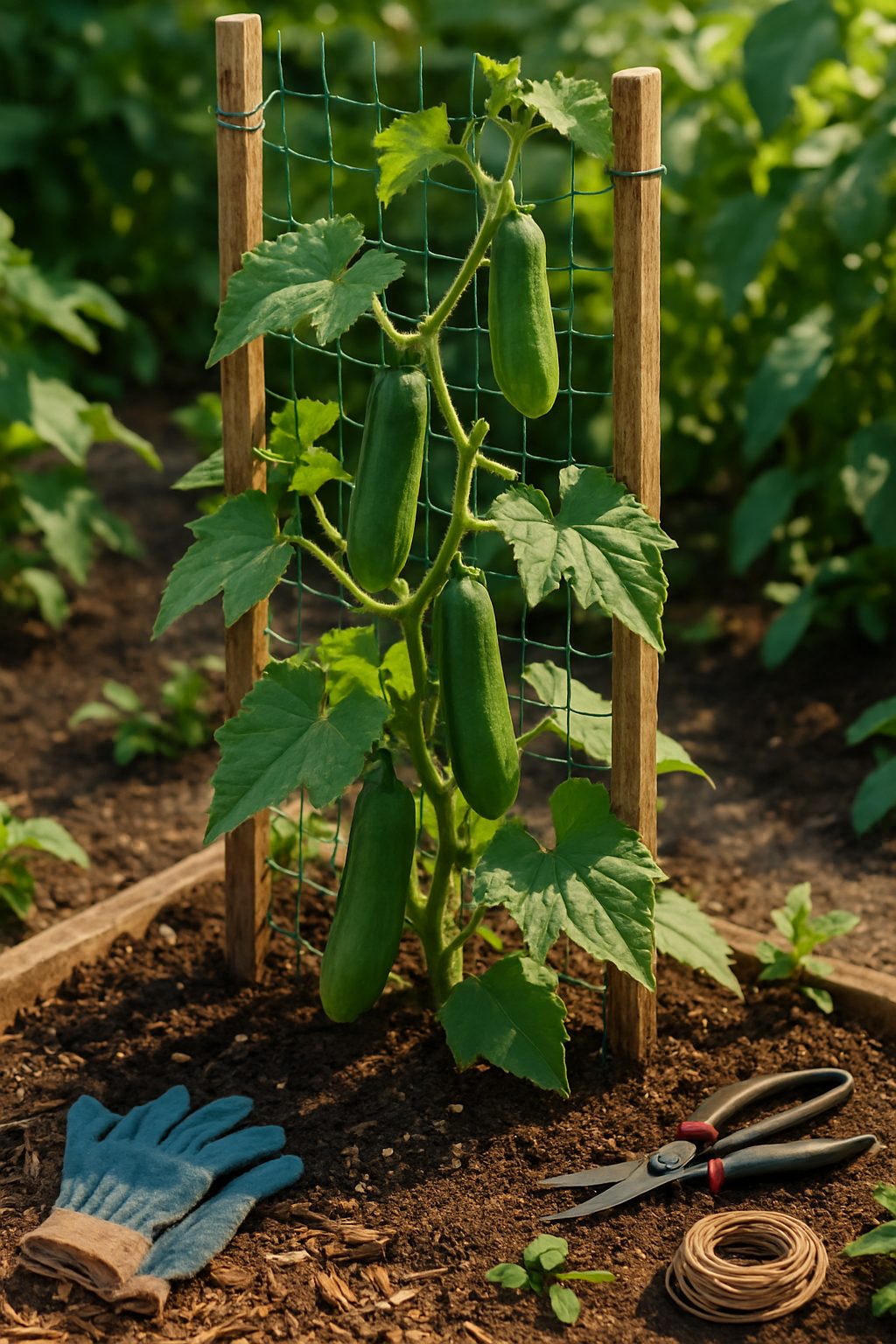
Why Trellis Cucumbers?
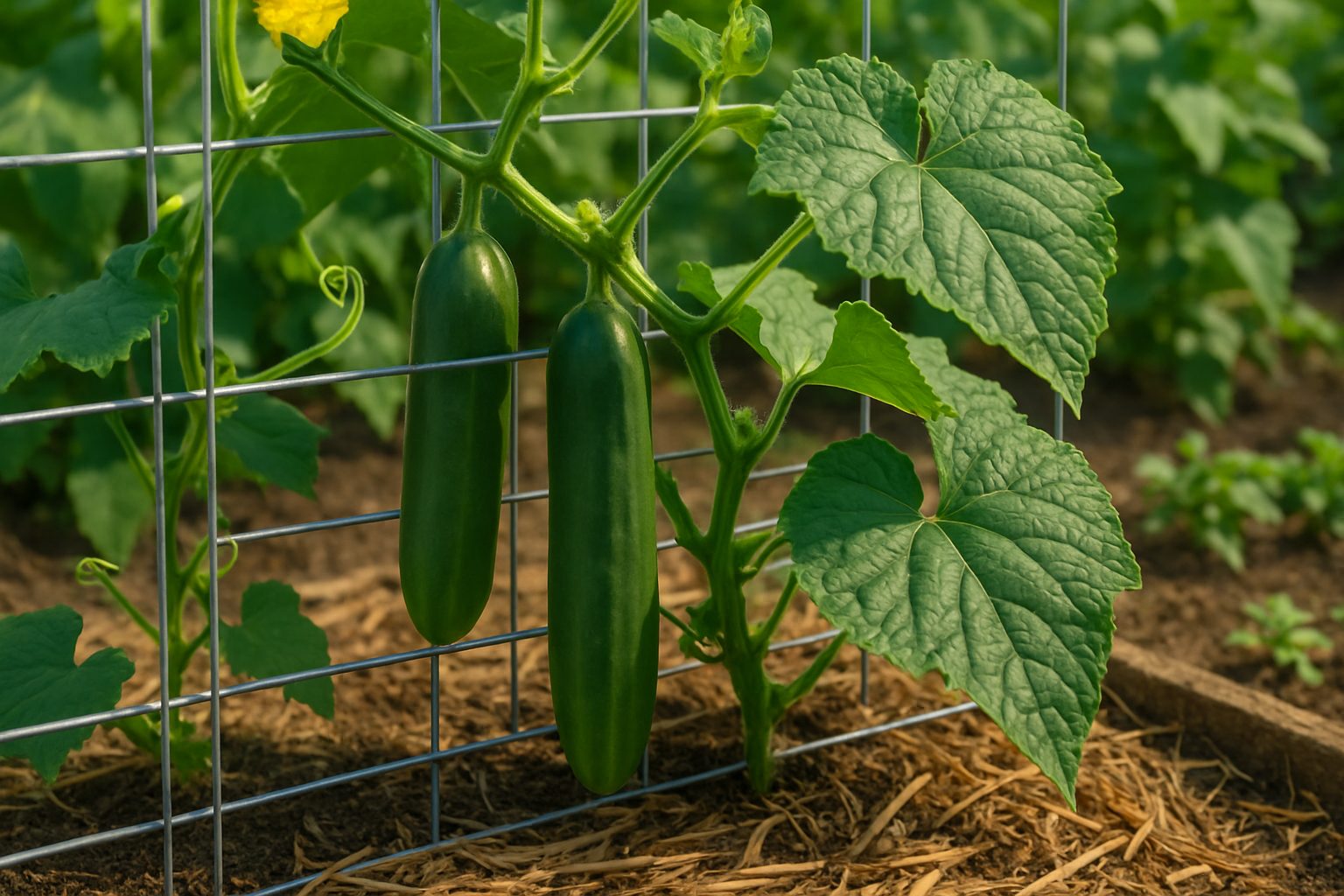
If you’ve ever dealt with a tangle of sprawling vines in your garden, you might be interested in a cucumber cage DIY solution. Trellising cucumbers isn’t just a space-saving trick—it’s a proven method to boost your harvest and reduce plant problems. Cucumbers naturally grow as climbing vines, and if left unchecked on the ground, they quickly take over garden beds, making it tough to find and pick ripe fruit. Using a trellis or a sturdy cage helps guide these vigorous plants upward, promoting healthier and more manageable growth.
One of the biggest advantages of using a cucumber cage DIY is improved air circulation. When leaves and stems are elevated, air moves freely around the plant, reducing moisture buildup and lowering the risk of common fungal diseases like powdery mildew. Trellising also helps you grow straighter, cleaner cucumbers—fruit resting directly on the soil tends to curve, develop flat spots, rot, or become prey to pests. Raised fruit is easier to spot and harvest at peak ripeness, so you won’t miss those hidden giants that got away.
Space efficiency is another major benefit, especially for gardeners with limited area. While ground-level plants sprawl and cover large spaces, vertical supports let you grow more in less room, freeing up space for other vegetables or flowers. Plus, with everything off the ground, weeding and watering become less of a chore. With these benefits in mind, building your own cucumber cage DIY setup doesn’t just help your cucumbers grow better—it can transform your entire gardening experience, making each harvest cleaner, healthier, and more abundant.
Choosing the Best Trellis for Your Space
When selecting the best trellis for your cucumber plants, it’s helpful to weigh the pros and cons of the most popular options.
A-frame trellises are sturdy and perfect for raised beds or larger spaces. They offer easy access for harvesting but can be bulky and more expensive.
Arch trellises add visual interest and maximize vertical space, making them ideal for walkways. However, they might be too large for small patios.
String trellises are budget-friendly and great for lightweight cucumber varieties in tight spaces, but they require strong anchoring and replacement each season.
Mesh or netting trellises provide a flexible solution that adapts to different layouts, allowing you to cover fences or walls. Keep in mind, though, they can sag under heavy fruit and may need extra support.
Bamboo trellises are eco-friendly and attractive, often blending seamlessly into your garden. On the downside, they may not last as long in wet climates.
DIY upcycled options, like old ladders or pallets, are perfect for creative gardeners looking to repurpose materials on a budget. Just make sure they’re safe and sturdy enough to support your cucumbers.
When deciding, consider your cucumber type: bush varieties work well with compact trellises, while vining types need more height and support. Also, think about your available space—vertical trellises save square footage in small gardens, whereas larger frames suit spacious layouts.
Finally, weigh factors like cost, durability, and ease of setup to pick a trellis that fits your needs and helps your cucumbers thrive all season long.
Preparing and Installing Your Cucumber Trellis
Choosing the right spot for your cucumber trellis sets your plants up for success. Look for a location that gets at least 6 to 8 hours of full sun each day—cucumbers thrive with plenty of light. Make sure there’s good airflow around the area to help prevent diseases, and check that the soil feels loose and drains well. Avoid low-lying parts of your garden that tend to stay soggy.
Before installing your trellis, prepare the ground by removing weeds and rocks. Then, work compost or well-rotted manure into the soil to boost organic content and nutrients. If your soil is heavy clay or drains poorly, consider mixing in some sand or planting on a slight mound to help water move away from the roots. Adding a layer of organic mulch, like straw or chopped leaves, helps retain moisture and keeps weeds down.
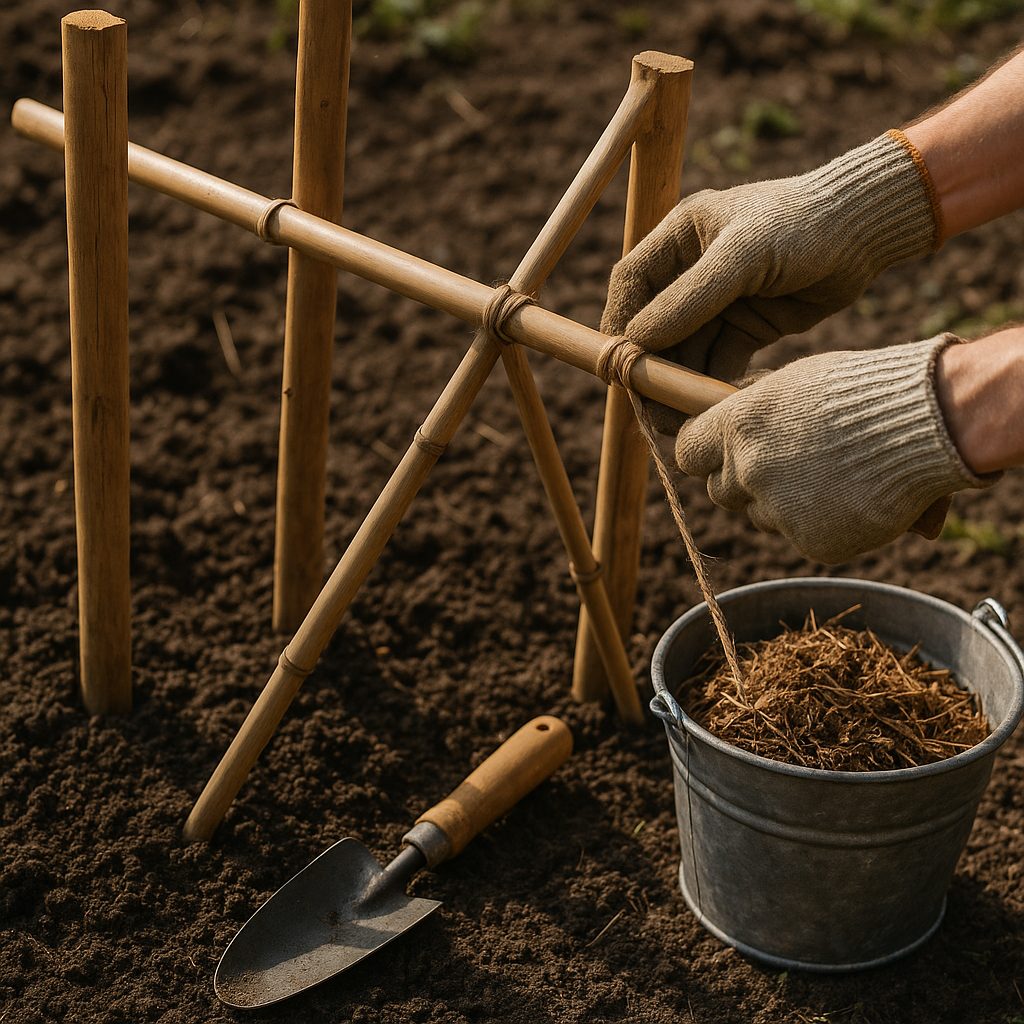
When it’s time to install the trellis, assemble it before planting so you don’t disturb growing roots later. Position it firmly in the ground, anchoring the base with stakes or burying the bottom several inches deep for stability. If you’re using a premade frame, secure all joints tightly. If building from scratch, sturdy materials like metal fencing, wooden posts, or bamboo work well.
Double-check that your trellis is tall enough (usually 5 to 6 feet) to handle vigorous cucumber vines. With a well-prepared spot and a stable trellis, your cucumbers will grow upward, saving space and keeping fruit cleaner and easier to harvest.
Planting and Training Cucumbers to Climb
Planting cucumbers for trellising starts with choosing the right variety—look for vining types, as bush cucumbers aren’t well-suited for climbing. You can start seeds indoors 3-4 weeks before the last frost or sow them directly outside once nighttime temperatures consistently stay above 55°F.
When planting near a trellis, space seeds or seedlings 12 inches apart to give each vine room to climb and avoid overcrowding. If you’re using seedlings, gently transplant them to the base of your support structure, being careful not to damage the delicate roots.
As your cucumbers start to grow, encourage the vines to latch onto the trellis by loosely tying them with soft garden ties, twine, or even strips of old t-shirts—just make sure they’re not too tight so the stems can expand. Specialized plant clips or Velcro ties are handy if you want a reusable, plant-friendly option. Netting works well too; just weave the vine through the openings as it grows.
Regular check-ins help: every few days, gently guide wandering tendrils back onto the support.
In contrast, bush cucumbers are compact and don’t climb, so skip the trellis and space them a bit wider—about 18 inches apart—to allow for better airflow and easier harvesting. Training is minimal for bush types; simply keep the plants tidy by removing damaged leaves and ensuring fruits aren’t lying in damp soil.
Whether you’re working with vining or bush types, mulching beneath your plants helps retain moisture and prevent weeds, making the whole process smoother and more rewarding.
Caring for Trellised Cucumbers
Trellised cucumbers offer gardeners a great way to save space, boost yields, and reduce the risk of disease, but they do need consistent care to truly thrive. Watering is essential: aim for even soil moisture by giving your cucumbers a deep drink at the base whenever the top inch of soil dries out—avoid overhead watering, which can encourage fungal issues.
Mulching around the plants with straw or shredded leaves helps keep roots cool, locks in moisture, and reduces weeds. Feed your cucumbers with a balanced, water-soluble fertilizer every two weeks; trellised vines often grow rapidly and need extra nutrients to fuel their production.
Regularly check both sides of the leaves for signs of common pests like aphids, cucumber beetles, or spider mites, and act promptly with organic sprays or hand removal if you spot trouble.
Pruning and Support
Another important maintenance task is pruning: removing lower leaves and non-productive side shoots helps boost airflow and keeps the plant focused on fruit production. As your cucumbers grow, heavy fruit can sometimes strain or even break vines, so support heavier bulbs with soft ties or mesh sling supports attached to the trellis.
The vertical setup not only makes it easier to spot problems early but also keeps leaves and fruit off damp soil, greatly cutting back on issues like powdery mildew or bacterial wilt.
Regular Inspection
Set aside a few minutes a couple of times a week to inspect your plants, tie up new growth, and pinch back any unruly vines. With these targeted practices, your trellised cucumbers will stay healthy, productive, and low on disease, making every harvest a satisfying reward for your attention.
Harvesting and Troubleshooting
Knowing when and how to harvest cucumbers from a trellis is key to getting the best flavor and a steady yield. Check your plants daily once they start producing—pick cucumbers while they’re still firm, glossy, and a rich green color. Typically, slicing types are ready when 6-8 inches long, while pickling varieties are best harvested at 2-4 inches.
Use clean garden shears or scissors to snip the fruit off the vine, leaving a short stem attached to prevent rot. Regular harvesting encourages more flowers and fruit, so avoid letting cucumbers grow oversized or turn yellow, as this can slow production.
Be on the lookout for wilted leaves, which often signal inconsistent watering or diseases like bacterial wilt spread by cucumber beetles. Apply mulch to keep soil moisture steady and remove any diseased leaves promptly to prevent spread.
Pests such as aphids and spider mites can sap plant strength—blast them off with water or try insecticidal soap for persistent issues. If you notice poor fruit set, it might be due to low pollinator activity; attract bees by planting flowers nearby or gently hand-pollinate using a small brush.
Regularly check for crowded or tangled vines on the trellis, and gently guide them apart to keep air flowing, which helps prevent fungal problems. With attentive care and quick troubleshooting, you’ll keep your cucumber crop healthy and productive all season long.