
Introduction
Learning how to protect cucumbers from wind is essential for any gardener who has watched their healthy plants suffer after a surprise storm. Strong winds and heavy rain can wreak havoc on cucumber beds, snapping stems, flattening vines, and even uprooting entire plants. Beyond obvious damage like broken or uprooted cucumbers, fierce storms often cause soil erosion, nutrient loss, and increase the risk of disease due to excessive moisture.
No one wants to eagerly await a crisp homegrown cucumber only to find their garden in shambles after bad weather. Thankfully, there are simple and effective ways to shield your cucumber crop before, during, and after storms. In this post, you’ll discover practical prevention methods like windbreaks and staking techniques, tips for making your garden storm-ready on short notice, and recovery strategies to help your cucumbers bounce back if Mother Nature takes a toll.
Whether you’re growing cucumbers in containers on a balcony or tending rows in a backyard plot, these proven steps will help you keep your harvest safe from unpredictable weather.
Understanding Wind and Storm Risks
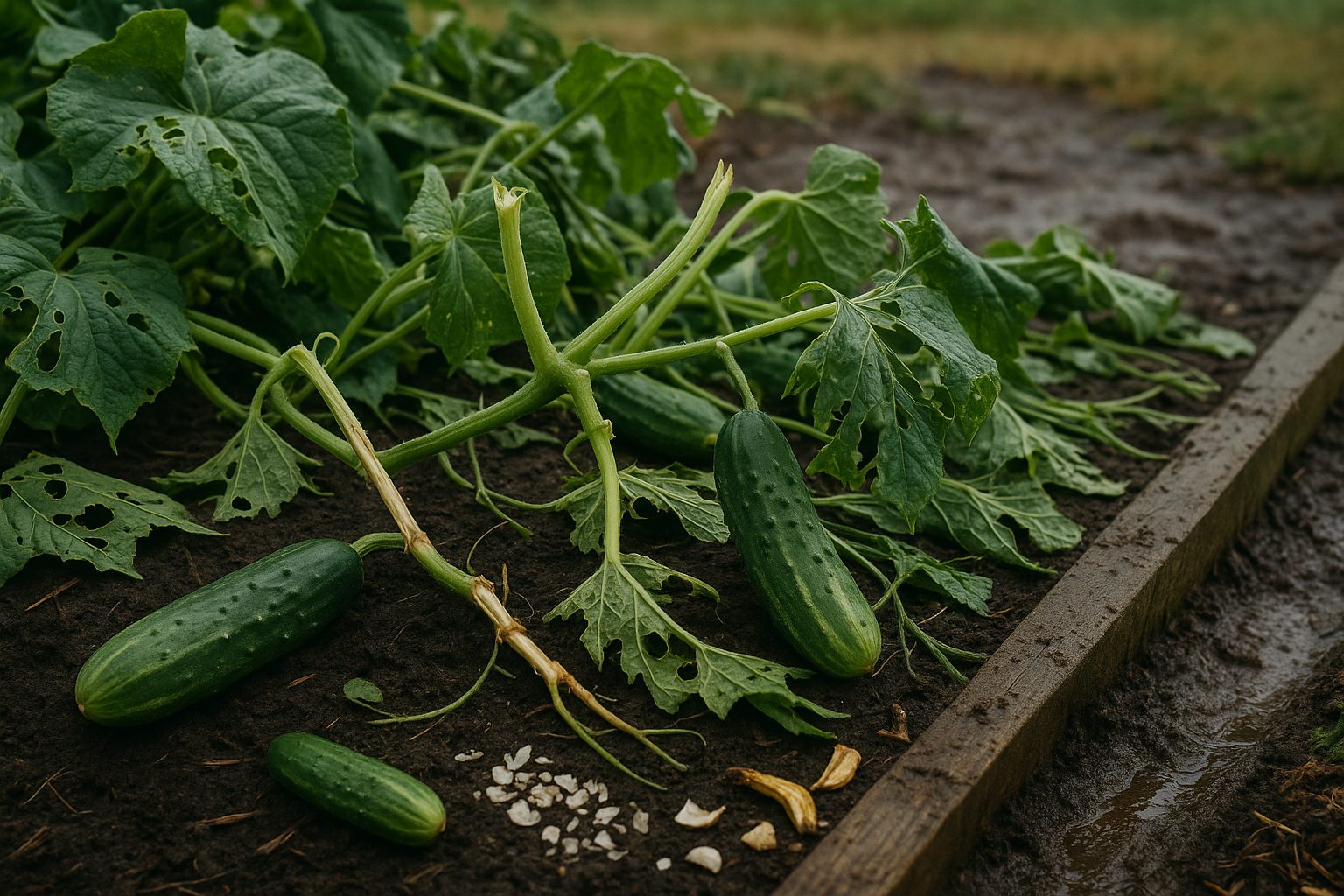
Wind and storm damage can come from a range of weather events, including everyday strong gusts, intense thunderstorms, and even destructive hurricanes or tornadoes. High winds often snap delicate stems, uproot shallow-rooted plants, and rip apart flimsy trellises. Thunderstorms, bringing both heavy rainfall and sudden wind bursts, can flatten vegetable beds or scatter mulch.
In coastal or open rural areas, hurricanes pose a much bigger threat, with sustained high winds and flying debris that can devastate even mature trees and sturdy shrubs. Certain gardens are particularly vulnerable: those planted with tall, top-heavy plants like sunflowers or corn, or filled with lightweight container plants that blow over easily.
Raised beds without reinforcing borders, wide open areas with no windbreaks, and gardens located on hilltops or in wind tunnels (like between two buildings) are also at higher risk. It’s smart to regularly check your garden’s surroundings—notice if there’s a pattern of leaf shredding, broken stems after storms, pooling water, or soil erosion.
Watch local weather alerts and look for warning signs such as darkening skies, sudden wind shifts, or quick drops in temperature. Assessing your garden’s specific risk means noting plant vulnerabilities, layout weaknesses, and location exposure, so you can plan targeted protections before the next storm hits.
Barrier and Shelter Solutions
Physical barriers are a gardener’s best friend when it comes to shielding plants from harsh elements and creating a more comfortable, productive outdoor space. Fences—whether wooden, metal, or even bamboo—offer solid protection from wind and wandering animals.
Windbreaks formed by dense hedges, evergreen shrubs, or rows of tall grasses slow down strong gusts and reduce drying effects, keeping your plants safe and hydrated. For more flexibility, temporary screens made from fabric, lattice panels, or even recycled materials like old doors can be moved to wherever shelter is needed most.
Placement is key: install barriers on the side where prevailing winds or intense sun are strongest, and remember that a staggered or layered arrangement often works better than a single wall, letting air flow while still offering defense.
Get creative with garden structures—pergolas, trellises, or even an arbor covered in vines can serve double duty as attractive windbreaks and privacy screens. Don’t overlook smaller, movable shelter options: grouping container plants together or tucking tender pots behind raised beds, sheds, or compost bins can offer instant protection during unexpected weather.
By mixing permanent and temporary barrier strategies and thinking creatively about placement, you can shelter your garden while keeping it beautiful and functional.
Plant Care Strategies Before a Storm

Before a storm hits, preparing your plants with smart care strategies can help minimize damage and keep your garden thriving. Start by pruning away dead, weak, or dangling branches—this reduces wind resistance and prevents them from snapping off and causing harm.
For larger shrubs and garden trees, focus on thinning out crowded growth rather than heavily trimming; light pruning lets wind pass through more easily.
For tall or top-heavy plants, use sturdy stakes to provide support. Insert a wooden or metal stake into the ground several inches away from the stem and secure it with soft, flexible ties like garden tape or old pantyhose. Loop the ties loosely in a figure-eight pattern between the stake and the plant, which prevents girdling and allows gentle movement in the wind.
For extra support, group vulnerable container plants close to each other in a sheltered corner or bring them indoors if possible.
Mulch around trees and shrubs with a 2–3 inch layer of organic mulch, such as shredded bark or compost, to prevent soil erosion and retain moisture—just keep mulch a few inches away from the trunk to avoid rot.
Before the storm, check soil drainage to ensure water won’t pool and suffocate roots; if needed, gently aerate the top layer of soil with a garden fork. These simple adjustments help anchor your plants and give them the best chance to withstand rough weather.
Securing Your Greenhouse and Containers
Before a storm hits, take a walk around your garden to check the stability of your greenhouse, cold frames, and large containers. Start by examining the frame and panels of your greenhouse for loose bolts, cracked glass, or wobbly joints—tighten any fastenings and replace damaged panes right away. Reinforcing the frame with extra support bars or storm braces can further protect against strong winds.
Anchor your greenhouse by securing its base to concrete footings or using U-shaped stakes and ground anchors designed for outdoor structures; even simple screw-in earth anchors work well for temporary solutions.
For cold frames, adding sandbags, bricks, or cinder blocks around the base will help keep them grounded, while tying down lids with bungee cords or straps can stop them from blowing open.
Large plant containers are often top-heavy and can tip over easily, so group them together in a sheltered spot or weigh them down with bricks or gravel at the bottom.
When extreme weather is forecast, move smaller potted plants into the garage, shed, or indoors, and cover delicate crops outdoors with frost cloth or old sheets secured with pegs or stones.
Taking these quick actions can save you a lot of time, money, and heartbreak by keeping your plants and structures safe until the storm passes.
Post-Storm Garden Recovery
After a major storm, your first priority should be safety—wait until the winds die down completely and always wear gloves and sturdy shoes before inspecting your garden. Begin by scanning for fallen branches, broken glass, or power lines, and clear only the manageable debris first.
Use hand tools like rakes and pruners to carefully remove smaller branches and leaves, taking care not to trample plants beneath the mess. For windswept or bent plants, gently right them and stake tall stems if necessary. Prune away ragged or broken foliage with clean, sharp shears, making cuts just above healthy leaves or buds to encourage new growth.
Remove any plants beyond saving to prevent disease spread, but give battered ones some time—many will bounce back with a little patience and TLC.
Next, check your garden beds for exposed roots or soil erosion. Re-cover roots with soil or mulch, and replace any washed-away topsoil with compost to boost nutrients. For spots where water has gouged out channels, use straw, shredded leaves, or even cardboard as a short-term mulch to prevent further runoff while plants recover.
If heavy rainfall has compacted your garden’s soil, gently loosen it with a hand fork once it dries out, but avoid walking on soggy beds to prevent further damage.
Supporting your garden’s recovery early with these steps speeds up regrowth and helps your landscape return to its healthy, vibrant self.
Long-Term Resilience & Preparedness
Building long-term resilience against wind and storms starts with thoughtful garden planning and ongoing preparedness. Consider planting natural windbreaks, like dense rows of evergreen shrubs or sturdy trees such as holly or arborvitae, along the perimeter of your garden—these provide protection year-round and can dramatically reduce wind speed.
Choose plant varieties known for their hardiness and robust root structures, especially native species that are already adapted to your region’s climate. When designing your garden, group taller, wind-sensitive plants in sheltered zones and anchor trellises, arbors, or fences securely with deep-set posts to prevent toppling.
Don’t overlook routine maintenance: inspect your garden after major weather events, prune damaged branches, and remove weak growth promptly. Regularly check fencing and supports for signs of wear or instability.
Keep a basic emergency kit nearby, stocked with essentials like tarps, pruners, gloves, duct tape, and first-aid supplies for quick response when storms hit. By combining smart plant selection, practical design choices, and proactive readiness, you’ll boost your garden’s resilience and save yourself time, money, and stress in the long run.
Conclusion
Preventing storm damage, preparing your garden ahead of bad weather, and knowing how to recover quickly afterward are all key to keeping your outdoor space thriving. By taking simple steps—like securing lightweight furniture, pruning weak branches, and creating drainage paths—you can save yourself a lot of future stress and loss.
Even if your garden does experience damage, don’t worry; most plants bounce back surprisingly well with some extra attention and patience. Just remember to clean up debris, support stressed plants, and keep up with regular watering and feeding while they recover. Nature is resilient, and so is your garden with the right care.
If you found these tips helpful, consider bookmarking this article or subscribing so you never miss practical gardening advice. Whatever the weather brings, you’ll be prepared to keep your garden healthy and vibrant all year round.