Introduction
cucumber support methods can transform your gardening experience, especially when you’re nurturing cucumber plants in raised beds or containers. If you’ve ever tried growing cucumbers sprawling across the ground, you’ve probably encountered tangled vines, space-hogging plants, and fruit hidden under dense foliage—making them difficult to find and even more challenging to harvest. These challenges can discourage even the most enthusiastic gardener. That’s where effective cucumber support methods, like trellising, come in.
Trellising cucumbers isn’t just about keeping your garden tidy—it’s a simple shift that brings a host of advantages. First, it saves precious space, enabling you to grow more in compact areas, whether on a small patio or in a crowded community garden plot. Vertical growth encourages straighter, healthier fruit, since cucumbers hang freely rather than lying in damp soil where they can become misshapen or rot. Trellis systems also make harvesting much more convenient; fruit is easy to see and reach, which reduces the frustration of overlooked, overripe cucumbers.
Disease prevention is another big win: when leaves and fruit stay off the soil, there’s less risk of mildew, pests, or rot taking hold. Plus, airflow improves, leading to stronger, more resilient plants. Many gardeners report improved yields with less wasted produce—meaning you’ll enjoy more fresh cucumbers with less hassle. Best of all, trellised cucumbers need less maintenance: there’s less weeding, and routine checks for pests become far easier.
Whether you’re a seasoned pro or just starting out, mastering cucumber support methods is within everyone’s reach. This guide breaks down everything you need to know to confidently support your cucumbers, maximize your harvest, and make your gardening season smoother and more rewarding. Let’s get started on growing healthier, happier cucumbers—no matter your space!
Types of Cucumber Plants (Bush vs. Vining)
When choosing cucumbers for your garden, it’s important to understand the difference between bush and vining types. This affects not only how they grow but also the best way to support them.
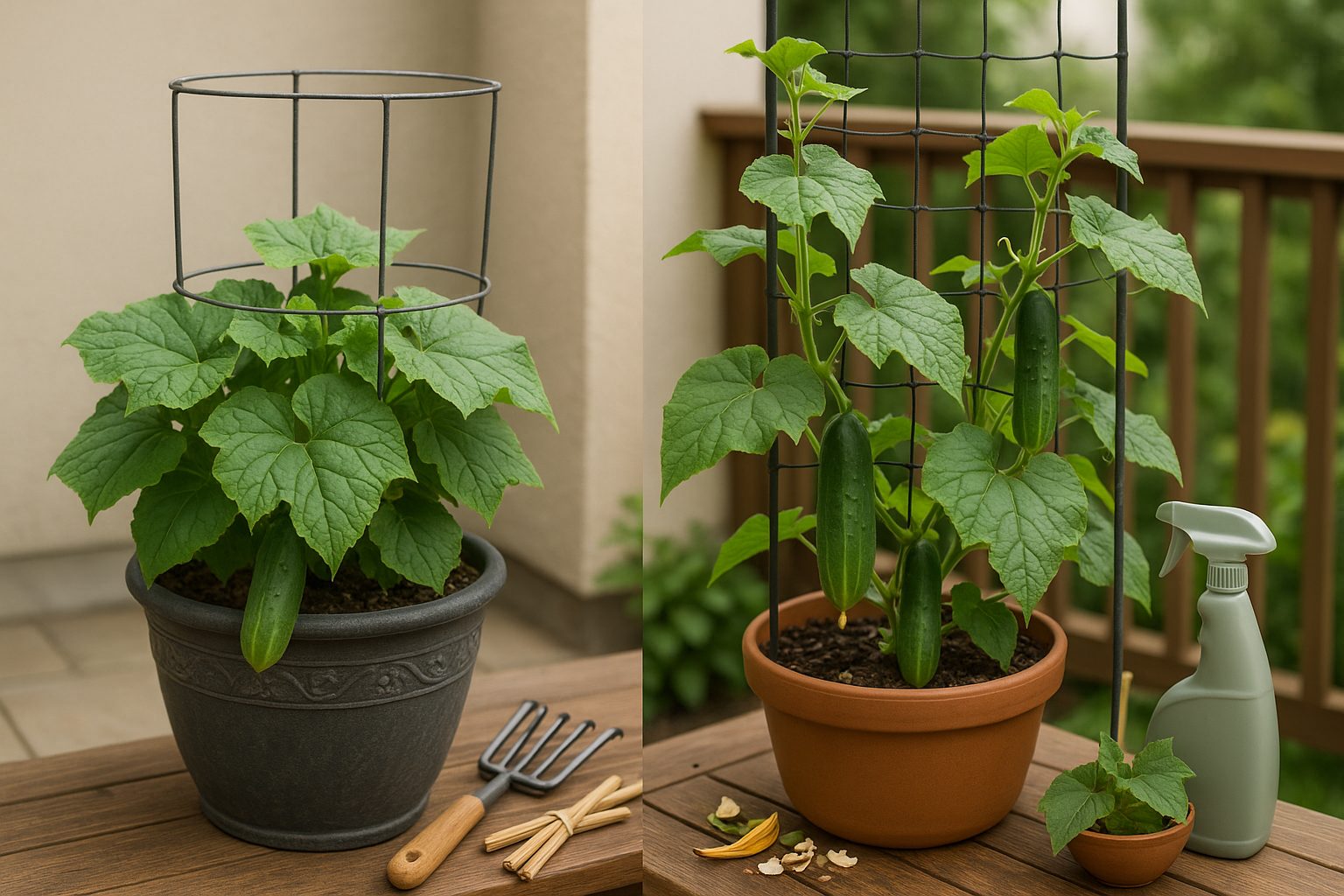
Bush cucumber varieties have a compact growth habit, making them ideal for containers, small gardens, or raised beds. They generally stay under three feet long and are self-supporting, so they rarely need a trellis—just a small cage or stake for light guidance if you want to keep them tidy.
In contrast, vining cucumbers can send out sprawling vines six feet or longer. If left on the ground, they spread far and often produce more fruit per plant. This is where trellising really shines. Training them vertically keeps the vines off the soil, improves air circulation (reducing disease risk), and makes harvesting much easier.
Popular Vining Varieties
Varieties such as ‘Marketmore 76’, ‘Straight Eight’, and ‘Lemon’ cucumber are especially well-suited for trellises or vertical supports.
Trellising Tips
- Lighter mesh or netting works for most cucumbers, but sturdier materials are better for heavier-fruited or more vigorous vining types.
- Place your trellis on the north or east side of your garden to avoid shading sun-loving crops.
- Make sure your trellis is anchored securely—vines can get surprisingly heavy by midsummer!
By matching your cucumber variety to the right support system, you’ll enjoy healthier plants, easier maintenance, and a bountiful harvest.
Choosing the Best Cucumber Trellis Design
Picking the right cucumber trellis design can make a big difference in your garden’s productivity and ease of harvest, so it’s worth weighing your options. Among the most popular types:
- A-frame trellises fold into a stable “A” shape, perfect for small or medium beds and easy access to both sides for picking.
- Arched or arch trellises create a beautiful garden centerpiece and allow cucumbers to hang for clean, straight growth, but may need more space and sturdier materials.
- Flat or vertical trellises are the classic choice that work well against fences or the side of a raised bed and are simple to construct.
- Cages—often round and similar to tomato cages—offer decent structure for bush-style cucumbers but might not support heavier, vining varieties.
- Obelisks add vertical interest and are attractive for patio or decorative gardens, but their smaller diameter limits the number of plants they can support.
- Netting or string systems are versatile and budget-friendly; simply stretch nylon netting or twine between stakes for a lightweight scaffold, though frequent checks are needed so vines don’t slip or tear the net.
What you build your trellis from matters too:
- Wood is sturdy, easy to work with, and looks great, but untreated wood can rot over time and will need maintenance.
- Metal, especially rust-resistant types like galvanized steel, lasts longer and supports heavier vines, though it heats up in the sun and can get pricey.
- Bamboo is affordable, strong, and sustainable, though it degrades over a few seasons.
- PVC is lightweight and weatherproof but less attractive and may bend under a heavy cucumber load.
- Don’t overlook upcycled finds like old ladders, bed frames, or even bike rims—these can make great, resourceful trellis materials, provided they’re sturdy and safe for edible crops.
When choosing a design, consider your available space (compact trellises for small balconies or plots, large arched or A-frames for bigger gardens), cucumber variety (bush types need less structure, climbing types need taller, stronger frames), and your budget. DIY versions with basic wood, netting, or upcycled items often cost less than commercial metal or elaborate designs. Commercial trellises are convenient but sometimes expensive and may not fit your exact space, while DIY options can be customized to your needs and using recycled materials can save money.
For safety and success, make sure your trellis is well-anchored, materials are free of sharp edges or chemicals, and it can bear the weight of mature, fruit-laden vines (aim for at least a 25-30 pound load capacity for a full season). Whatever you choose, a sturdy, well-planned trellis makes for happier cucumbers—and gardeners.
DIY Cucumber Trellis Ideas and Step-by-Step Instructions

Creating your own cucumber trellis is both cost-effective and rewarding. It gives your plants the vertical support they need to thrive while saving valuable garden space.
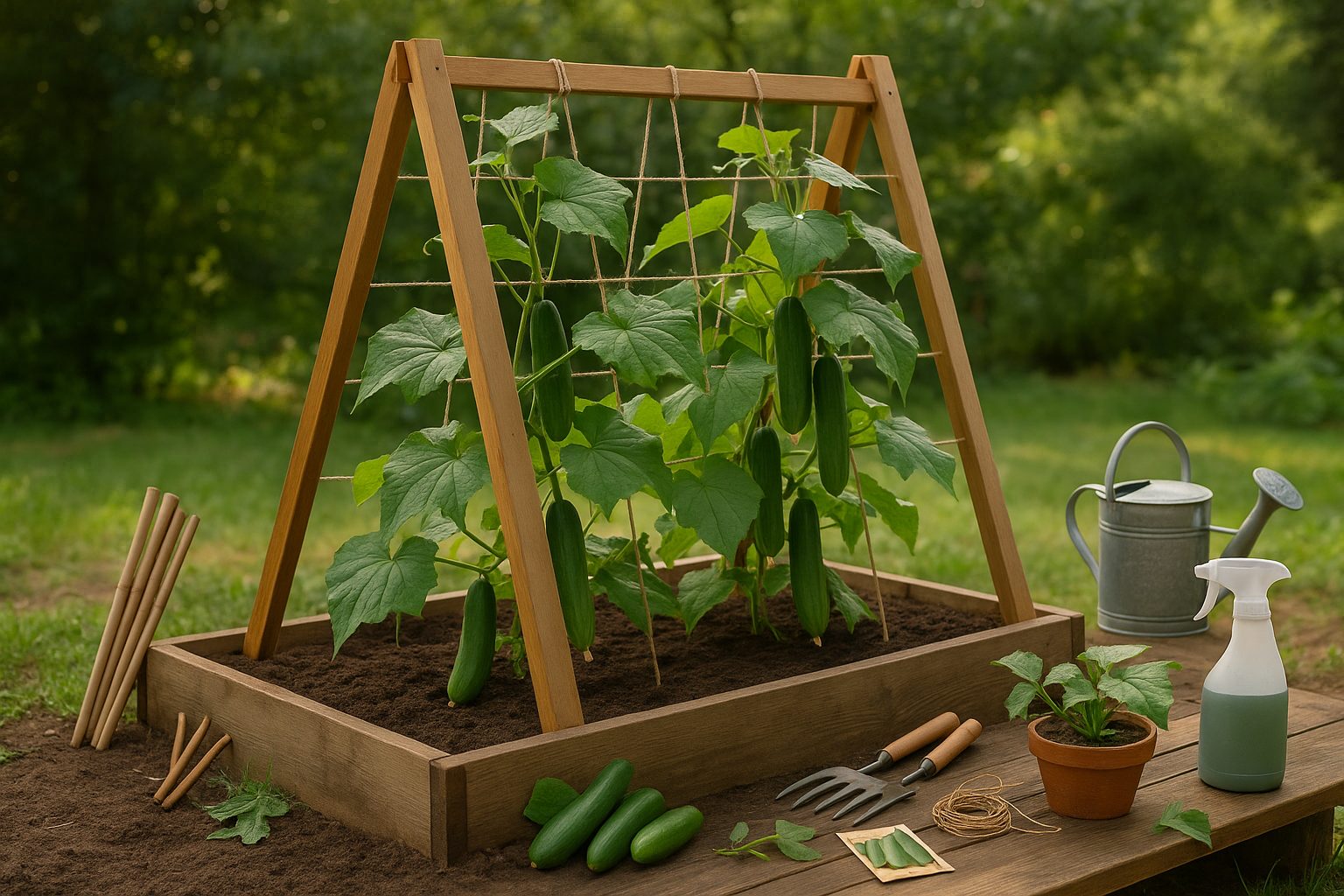
A-Frame Trellis
One of the simplest designs is the A-frame trellis, which you can build using bamboo stakes or wooden poles. Here’s how:
- Take four bamboo poles and drive them into the soil in two parallel rows about two feet apart.
- Lash the tops together with garden twine to form a tent-like structure.
- Run additional twine or garden mesh horizontally between the poles to create a climbing surface for your cucumber vines.
This style is naturally sturdy and easy to access from both sides for harvesting.
Vertical Trellis Options
For a vertical trellis, consider upcycling a metal wire panel or an old ladder. Just anchor the panel or ladder securely in the ground next to your cucumber row, ensuring it’s tall enough (about 5-6 feet) for mature cucumber plants.
You can also stretch garden mesh or string between two wooden stakes as a quick alternative.
Tips for Stability and Plant Health
- Always prioritize stability by setting the base deeply into the ground or reinforcing with extra stakes to withstand wind and the heavy weight of growing cucumbers.
- Space each trellis at least a foot apart to allow good airflow and light, which helps keep the foliage dry and reduces disease risk.
- When tying vines to trellis supports, use soft twine or plant clips to avoid damaging the stems.
With these straightforward ideas and a few basic materials, you’ll keep your cucumbers healthy, your garden tidy, and your harvests easy to pick.
How and Where to Set Up Your Cucumber Trellis
Choosing the right location for your cucumber trellis sets the foundation for a successful, healthy harvest. Start by picking a garden spot that gets at least 6 to 8 hours of direct sunlight each day—cucumbers love the sun and need it to thrive. Good air circulation is important to prevent disease, so avoid cramped corners or areas right against fences and walls.
Check your soil before planting; cucumbers do best in rich, loamy, well-drained soil. Apply compost or aged manure beforehand to boost fertility. For easy watering and picking, position your trellis within arm’s reach of a path or walkway.
When installing trellises, give each one about 3 feet of horizontal space to allow airflow between structures and reduce competition for light. Plant cucumber seeds or seedlings roughly 12 inches apart at the base of the trellis so each plant has enough room to climb and spread without tangling.
In raised beds, secure your trellis by anchoring it deeply into the soil or fixing it to the garden bed frame—sturdy support is key, especially as the vines grow heavy with fruit. For container gardens, choose pots at least 12–18 inches wide and deep, and place the trellis inside the container before filling it with soil; make sure the trellis is stable and can’t tip as plants climb.
In ground plantings, drive trellis stakes or supports at least 12 inches into the earth for stability and space rows 3–4 feet apart if you’re using multiple trellises. No matter your setup, keep the base of each trellis easily accessible for pruning, harvesting, and checking for pests.
This practical planning ensures your cucumber vines have plenty of sunlight, airflow, and support—maximizing both your yield and your gardening enjoyment.
Planting and Training Cucumbers to Grow Up a Trellis
Planting cucumbers near a trellis is an easy way to maximize garden space and keep your plants healthy. Start by choosing a sunny spot and setting up your trellis before planting—options like sturdy wire mesh, wooden frames, or store-bought panels all work well.
Plant seeds or transplant seedlings about 12 inches apart along the base of the trellis, making sure the roots are well covered and the soil is watered gently.
As cucumber vines begin to grow, you’ll need to help them find their footing, especially in the early weeks. Gently guide young vines toward the trellis, loosely tying them with garden twine or using soft plant clips if they don’t naturally grip the support structure.
Check every few days and reposition wayward growth by winding stems through the trellis or securing vines without constricting them—a helpful trick is to use soft fabric strips from old T-shirts, which won’t cut into delicate stems.
Sometimes, vines can be stubborn and sprawl along the ground instead, so be persistent about lifting them and redirecting their growth upward at least once or twice a week.
Overcrowding can become an issue, especially with fast-growing varieties. To prevent this:
- Thin out weaker seedlings early on.
- As plants mature, pinch off excessive side shoots with clean pruners.
This not only helps maintain airflow—which is key to preventing mildew and other diseases—but also channels the plant’s energy into producing healthy cucumbers.
Don’t be afraid to prune away crowded leaves or tangled stems, focusing on those that block sunlight or air movement through the center of the plant.
With regular monitoring and a little hands-on care, your cucumbers will quickly adapt to climbing, making it easier to harvest crisp, clean fruit all season long.
Caring for Trellised Cucumber Plants
Trellised cucumber plants need a bit of extra attention to thrive, but the payoff—straighter fruit, better airflow, and easier harvesting—is well worth it. Start by watering consistently at the base of the plant; cucumbers prefer moist but not soggy soil, especially during flowering and fruiting. Drip irrigation or soaker hoses work well without splashing leaves, which helps prevent disease.
Feed with a balanced fertilizer every couple of weeks, but avoid high-nitrogen formulas after the vines start producing fruit, as too much nitrogen encourages leafy growth at the expense of cucumbers. Mulching with straw or shredded leaves keeps roots cool and conserves soil moisture while reducing weed pressure.
Because cucumbers on a trellis are more exposed, keep a close eye on support ties—adjust them as the vines grow to prevent stems from being pinched, and use soft cloth or garden tape to avoid damaging the plants. For heavier fruits, sling them with pieces of old t-shirts or pantyhose to prevent snapping the vine.
Sunscald is a unique challenge for trellised plants since fruit may be more exposed. Providing some afternoon shade with lightweight garden fabric on extremely hot days can protect ripening cucumbers.
To stay ahead of pests like cucumber beetles or aphids, regularly inspect leaves—top and underside—and remove any you find by hand or with insecticidal soap. Check for signs of powdery mildew or downy mildew, especially in humid weather, and trim off affected leaves promptly to keep disease in check.
When it comes to harvesting, cucumbers grown upright are generally cleaner and easier to spot. Pick them every couple of days using pruners or scissors to avoid damaging the plant, and harvest while they’re firm and bright green for the sweetest crunch.
Best Cucumber Varieties for Trellising
When it comes to trellising cucumbers, choosing the right variety is key for a successful and space-efficient harvest. For slicing cucumbers, Marketmore 76 and Straight Eight are reliable favorites that thrive when grown vertically, offering crisp, flavorful fruits ideal for salads and snacks.
If you prefer seedless options, Sweet Success produces long, tender cukes that perform beautifully on trellises and resist common diseases.
For pickling fans, Boston Pickling and National Pickling are classic choices, producing compact, uniform cucumbers that are easy to harvest from a vertical setup.
In tight spaces or container gardens, bush-type varieties like Bush Champion or Spacemaster pack a punch, giving you a bountiful crop on smaller, more manageable vines—perfect for patios or balconies.
Remember to choose a sturdy trellis and gently guide your cucumber vines as they grow. This helps increase airflow, reduce pests, and makes harvesting much easier.
By picking the right cucumber types for your garden size and purpose, you can enjoy fresh cucumbers all season long, even in the smallest spaces.
Conclusion & Frequently Asked Questions
Using a trellis for cucumbers brings several benefits to your garden. It helps maximize space, keeps vines and fruit off the ground to prevent rot and disease, and makes harvesting easier since the cucumbers hang down in plain sight. Trellising also improves airflow around the plants, reducing many common fungal issues and promoting healthier growth.
Many gardeners wonder if you can trellis bush cucumbers—while bush types are naturally more compact and don’t need support, you can still use small cages or short trellises to keep their fruit clean and organized.
As for how tall your cucumber trellis should be, aim for 5 to 6 feet for vining varieties to give the plants plenty of room to climb; bush types typically need only 2 to 3 feet of support.
If you’re on the fence about trying a trellis, know that it’s an easy, rewarding upgrade that suits both large and small gardens. With a simple setup, you can grow cleaner, healthier cucumbers in less space—so give trellising a try and enjoy the benefits all season long!