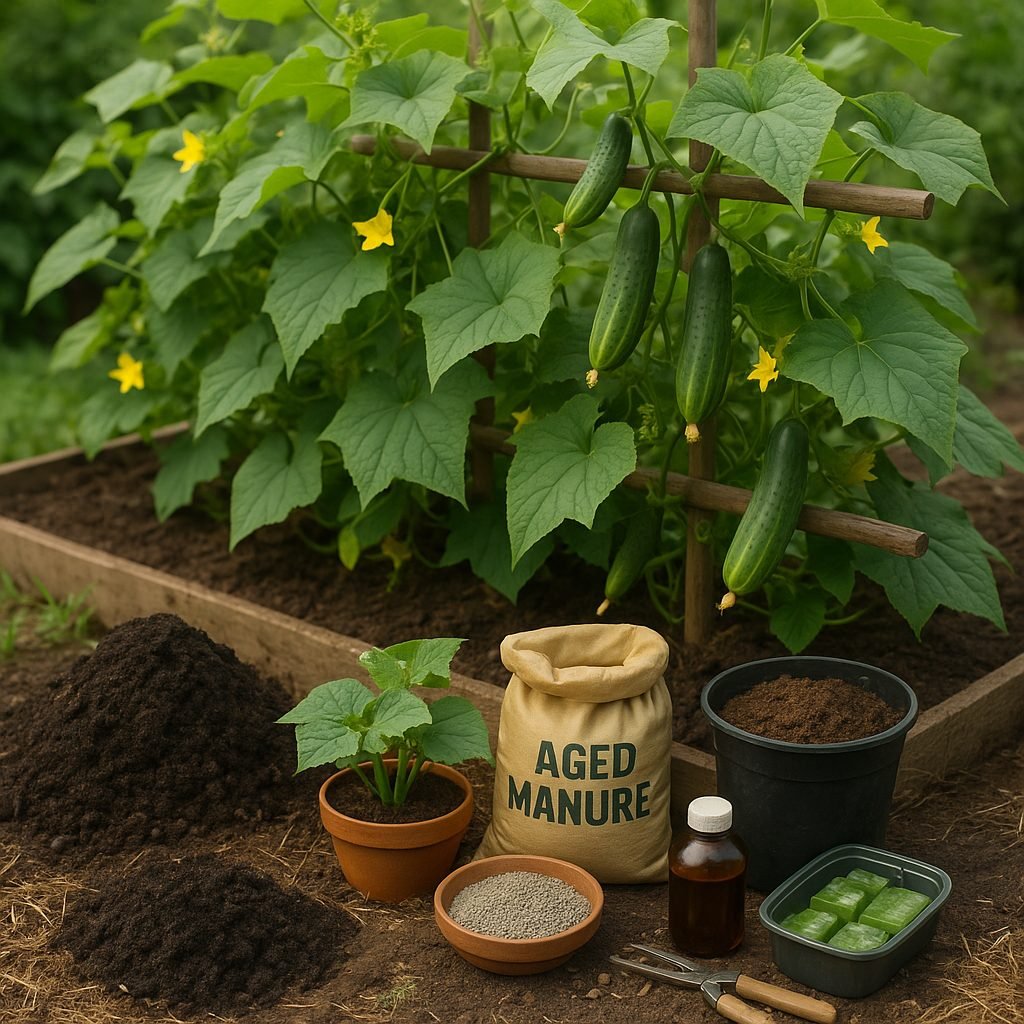
What Nutrients Do Cucumbers Need to Thrive?
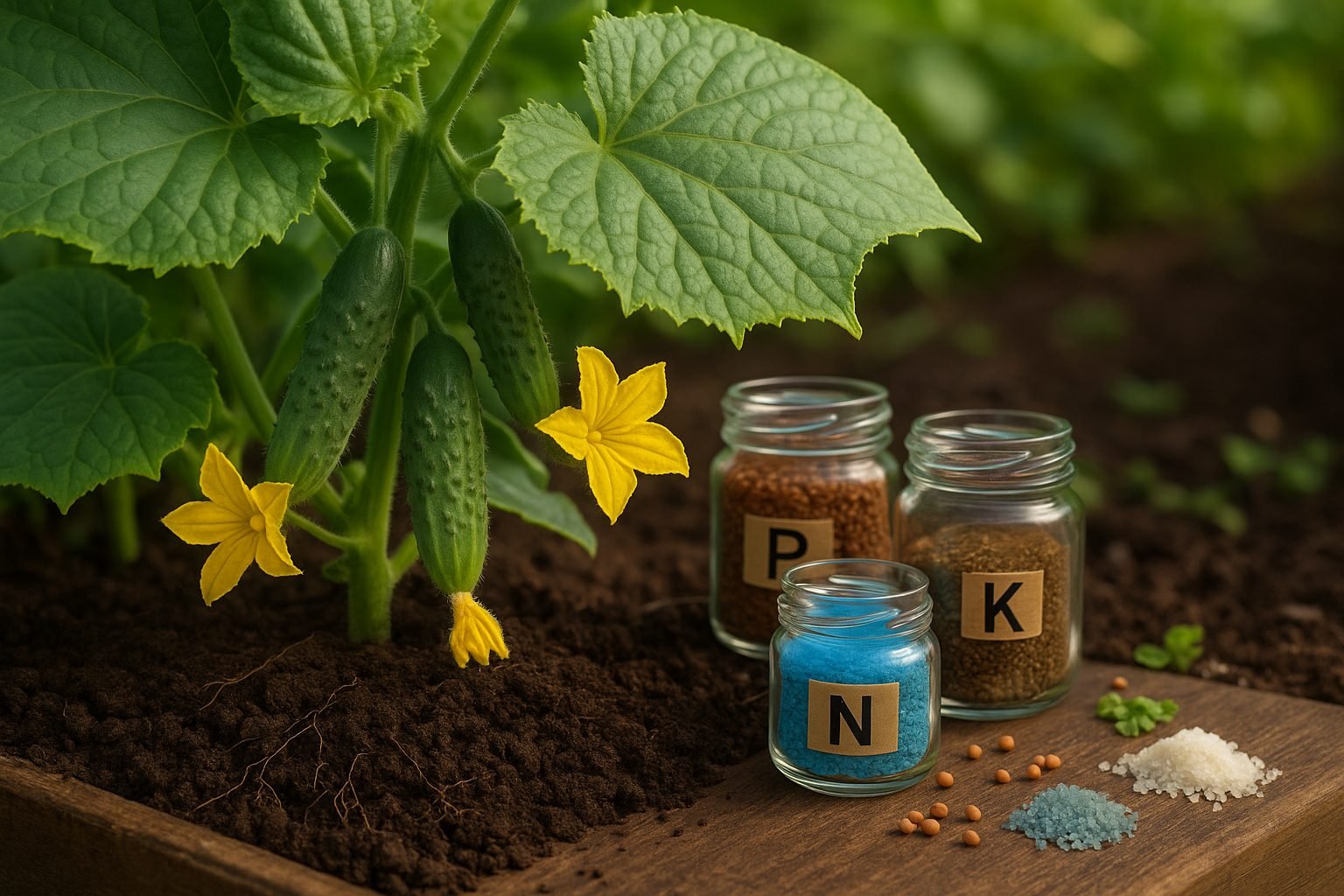
Choosing the best fertilizer for cucumbers is more than just a one-size-fits-all decision—it can make the difference between a lackluster harvest and a bumper crop of crisp, flavorful fruits. Cucumbers are nutrient-hungry plants that need a careful balance of both macronutrients and micronutrients to truly thrive.
At the core, cucumbers depend heavily on three primary macronutrients:
- Nitrogen for strong leafy growth,
- Phosphorus for robust root systems and prolific flowering, and
- Potassium to boost fruit development and overall resilience.
Micronutrients—like magnesium, calcium, iron, and boron—play equally crucial roles; for instance, magnesium powers photosynthesis, while calcium helps prevent blossom end rot, a common fruit disorder.
Notably, cucumbers’ nutrient needs shift throughout their life cycle: during early growth, they soak up nitrogen to fuel foliage, then pivot towards phosphorus and potassium as they start to bloom and set fruit.
If your cucumber plants show yellowing leaves, misshapen fruits, stunted growth, or leaf spots, it’s likely a red flag for nutrient deficiencies. For example, yellow lower leaves might indicate a lack of nitrogen, while a calcium shortage shows up as blossom end rot.
To diagnose these issues, observe your plants regularly and test your soil to pinpoint what’s missing. Whether you choose a liquid or granular fertilizer, understanding your cucumbers’ nutrient requirements lets you tailor your feeding routine—keeping those vines healthy and productive all season long.
How to Prepare Soil and Fertilizer Before Planting Cucumbers
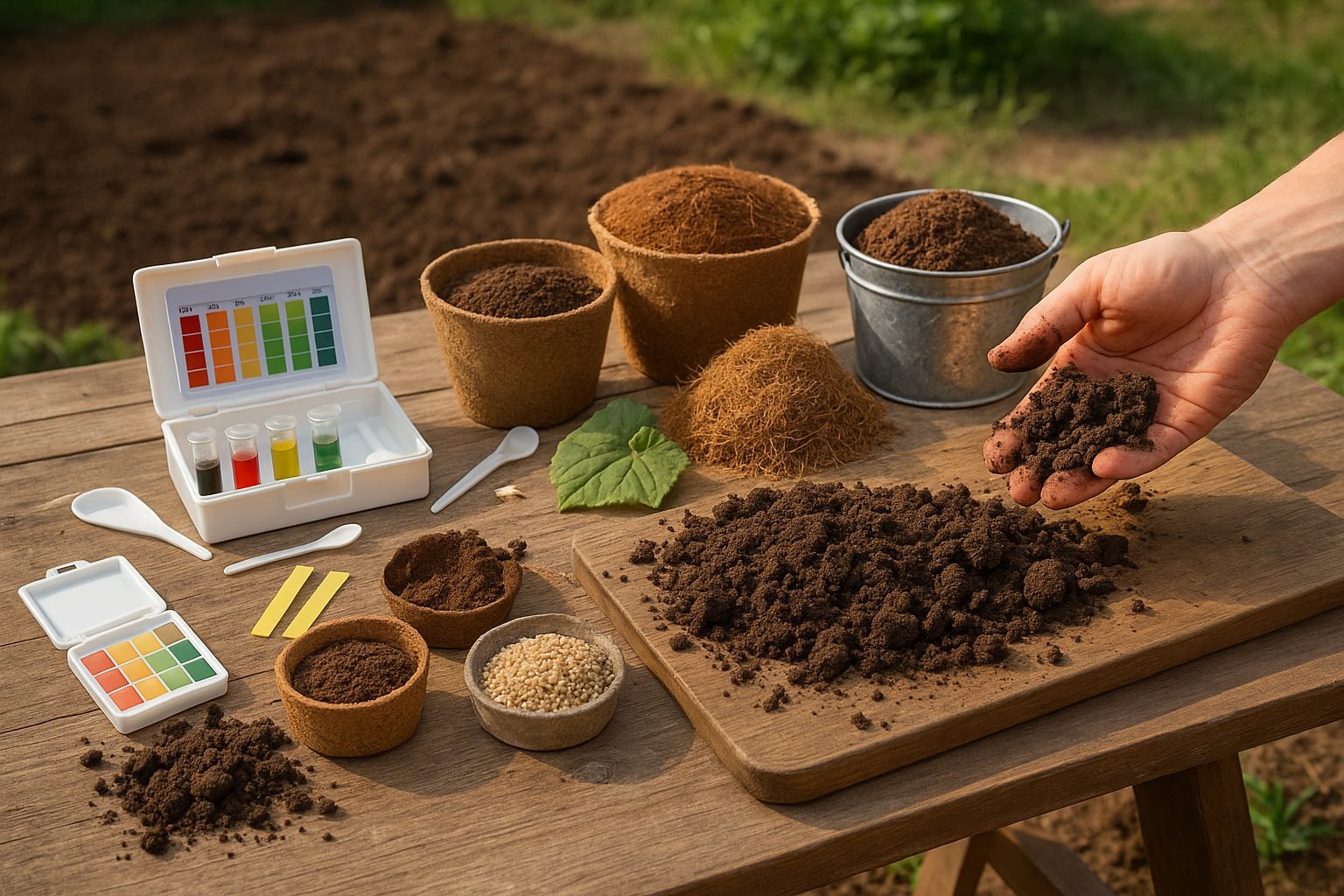
Before you plant cucumbers, it’s smart to get to know your soil first. Doing a quick test for pH, texture, and organic content can set you up for a strong harvest. Start by grabbing a soil test kit from your local garden center; these are affordable and walk you through measuring pH (ideal for cucumbers is between 6.0 and 6.8).
Check the texture by scooping up a handful of soil: if it forms a tight ball that won’t crumble, you might have clay-heavy soil that needs better drainage. If it falls apart too easily, it’s likely sandy and may need organic matter to hold nutrients. A quick way to judge organic content is to look for earthworms and dark, crumbly soil—a great sign that your garden bed is alive and fertile.
Cucumbers love a spot with loose, rich soil, plenty of compost, and excellent drainage to keep roots from getting soggy. If your soil is less than ideal, mix in a generous layer (at least 2-3 inches) of mature compost or well-rotted manure about two weeks before planting; this will boost organic matter and keep the soil fluffy. For stubborn clay or sandy soil, blend in compost and a bit of peat moss or coconut coir to balance moisture and nutrient-holding capacity.
Before planting, apply a balanced granular fertilizer—look for something like 10-10-10 NPK—and work it into the top 6 inches of soil according to the package instructions (usually about a pound per 100 square feet). Apply fertilizers a few days before seeding to avoid burning tender roots.
If you want to go the extra mile, sprinkle a handful of slow-release organic fertilizer into each planting hole to give seedlings a gentle boost as they establish.
Taking these simple steps will ensure your cucumber plants get off to a vigorous, healthy start and reward you with crisp, flavorful fruits all season long.
Best Fertilizer Types for Cucumbers
Choosing the right fertilizer for cucumbers starts with understanding the differences between organic and synthetic options, as well as how each type releases nutrients into the soil.
Organic fertilizers, like compost, aged manure, or fish emulsion, release nutrients slowly as they break down. This makes them less likely to burn plants and more beneficial for soil health over time. They also encourage beneficial microbes and reduce environmental risks like water pollution.
Synthetic fertilizers such as 10-10-10 or 20-20-20 blends deliver nutrients rapidly for a quick boost, but can contribute to soil degradation and runoff if overused.
Next, consider whether granular or liquid forms best suit your gardening style.
- Granular fertilizers—like Espoma Garden-Tone or Scotts All Purpose—are easy to apply and provide sustained feeding.
- Liquid options—such as Miracle-Gro Tomato Plant Food or homemade compost tea—offer fast nutrient delivery, which can be helpful during critical growth stages or if a deficiency appears.
For cucumbers, look for an N-P-K ratio around 5-10-10 or 4-7-10; cucumbers need plenty of phosphorus and potassium for strong root and fruit development, with only moderate nitrogen to avoid excessive leafy growth at the expense of fruit.
The main pros of organic fertilizers include slow, gentle feeding and improved soil structure, while the downside is slower results and sometimes higher cost. Synthetics excel in speed and convenience but can cause salt buildup and harm beneficial soil organisms with repeated use.
When choosing a fertilizer, start with a soil test—many home improvement stores offer kits, or you can contact your local extension office—to identify existing nutrient levels and deficiencies. For example, if your soil is already rich in nitrogen, a high-nitrogen fertilizer could do more harm than good.
Think about your growth goals: are you aiming for high yields, or do you want to focus on long-term soil health for future harvests? For eco-conscious gardeners, DIY solutions like worm castings, compost, or liquid seaweed are excellent alternatives that boost soil life and minimize chemical input.
Ultimately, the best choice balances your cucumber plants’ needs, your gardening philosophy, and the unique characteristics of your soil for a healthy, abundant harvest.
How and When to Fertilize Cucumber Plants
Fertilizing cucumber plants at the right times is crucial for healthy vines and abundant harvests, whether you’re growing them in the ground, in containers, on trellises, or sprawling across the soil.
Start with rich, well-composted soil before planting, mixing in a balanced granular fertilizer (such as 10-10-10) at the recommended rate on the package.
Once seedlings develop their first true leaves, lightly side-dress with a balanced fertilizer, keeping the granules a few inches away from the stem and watering in well.
For container cucumbers, use a diluted liquid fertilizer every two weeks instead of granular—containers leach nutrients faster, so a little-and-often approach works best.
As plants approach the pre-flowering phase, switch to a fertilizer higher in phosphorus and potassium to support blooming and fruit set; continue side-dressing for ground plants, or use a watering can for containers.
Foliar feeding—spraying diluted liquid fertilizer directly onto leaves—can give a gentle nutrient boost during rapid growth or if you see yellowing leaves, but avoid doing this in full sun to prevent burn.
Once cucumbers start to set fruit, feed again with a high-potassium fertilizer.
For trellised cucumbers, pay extra attention to consistent watering and even fertilizing along the row, as vines may stretch further than a traditional ground patch; for ground-grown types, ensure fertilizer is distributed across the full root zone, which can be quite spread out.
No matter your setup, always err on the side of caution—a little fertilizer goes a long way, and too much can burn roots or encourage leafy growth at the expense of fruit.
If you notice leaves turning deep green with plenty of flowers but few fruits, you may be overfeeding nitrogen; in that case, switch to a fruiting formula with less nitrogen content.
Regular monitoring and light, well-timed applications will keep your cucumbers thriving through every stage of the season.
Troubleshooting: Fertilizing Issues and Pest Prevention
Cucumber plants are sensitive to both too much and too little fertilizer, so keeping a close eye on their growth is key.
Symptoms of over-fertilization include leaf burn, curling edges, wilting even when the soil is moist, and an unhealthy dark green or bluish tint to foliage. In severe cases, you might see white crusts on the soil surface (salt buildup) and stunted or deformed fruits.
Conversely, under-fertilized cucumbers usually exhibit pale, yellowing leaves, slow growth, and small or misshapen fruits—classic signs that the roots can’t access enough nutrients. For example, yellowing leaves can indicate nitrogen deficiency, while poor fruit development often points to a potassium or phosphorus shortfall.
Applying a balanced, slow-release fertilizer helps avoid these extremes by providing steady nutrition, which also strengthens the plants’ natural defenses against pests and diseases. Healthy, well-nourished cucumbers produce thicker leaf cuticles and stronger cell walls, making it tougher for insects and pathogens to break through.
If you notice nutrient imbalances or specific symptoms like interveinal chlorosis (yellowing between veins), consider a soil test or use specialty fertilizers (e.g., liquid seaweed for micronutrients). Pairing proper fertilization with organic mulch and crop rotation improves soil health and discourages pests from settling in.
Finally, integrating fertilizers that include beneficial microbes or slow-release nutrients supports an integrated pest management approach by keeping plants resilient and pests at bay without creating chemical hotspots that can actually attract infestations.
If you suspect over-fertilization, flush the soil with water and hold off on feeding until the plant recovers. For under-fertilization, supplement with an appropriate formula and observe for recovery within a week or two.
By troubleshooting nutrition early and making informed choices about fertilizer products, you can ensure your cucumber patch stays vibrant, resilient, and productive all season.
FAQs & Expert Tips for Cucumber Fertilization Success
Many gardeners wonder if they can use tomato fertilizer on cucumbers. The answer is generally yes—both crops require balanced nutrients, but be sure to check the label for nitrogen, phosphorus, and potassium ratios. Cucumbers thrive with a slightly higher potassium content, so choose a balanced fertilizer or one with a bit more potassium for optimal fruit development.
When it comes to frequency, start fertilizing at planting time using compost or a slow-release organic fertilizer. Once the plants begin flowering, apply a liquid fertilizer every two to three weeks, but always water first to avoid burning the roots.
Fertilizing Cucumbers in Hydroponic Systems
In hydroponic setups, cucumbers have slightly different needs. Use a hydroponic nutrient solution formulated for fruiting vegetables, monitor electrical conductivity (EC) and pH closely (ideally 5.8–6.0), and adjust nutrients based on plant stage—especially increasing potassium as fruits develop.
Expert Recommendations for Maximum Yield and Flavor
- Mulch around cucumber plants to retain moisture.
- Apply a side-dressing of fish emulsion or compost tea during fruiting.
- Avoid overfertilizing with nitrogen, which causes excessive leafy growth but fewer cucumbers.
- Try foliar feeding—spraying diluted fertilizer directly on leaves in the early morning—for a quick nutrient boost, especially if growth is slow or leaves look pale.
Test your soil every couple of years; a pH of 6.0 to 7.0 is best for nutrient uptake. Adjust your fertilization approach based on soil conditions: sandy soils may need more frequent but lighter feeding, while rich soils may only require a midseason top-up.
Monitoring Plant Response and Adjusting Fertilization
Keep a close eye on how your plants respond after each feeding. Yellowing leaves can indicate a need for more potassium or magnesium, while curled leaves might signal over-fertilization. Don’t hesitate to tweak your fertilization schedule if weather changes rapidly or if you notice different results from season to season.
Gardening is both science and art—what works one year might require slight adjustments the next.
Additional Resources and Tools
For more in-depth learning, check out resources from your local extension office, the Cooperative Extension Service, or reputable sites like the University of California Master Gardener Program. Books such as The Vegetable Gardener’s Bible by Edward C. Smith provide fertilizer charts and advanced tips.
If you want to try precision fertilization, consider tools like soil test kits, smartphone apps for nutrient tracking, or drip irrigation systems that deliver liquid feed directly to roots. Adapt these practices as you learn what works best for your garden, and enjoy more flavorful, plentiful cucumbers season after season.