Introduction
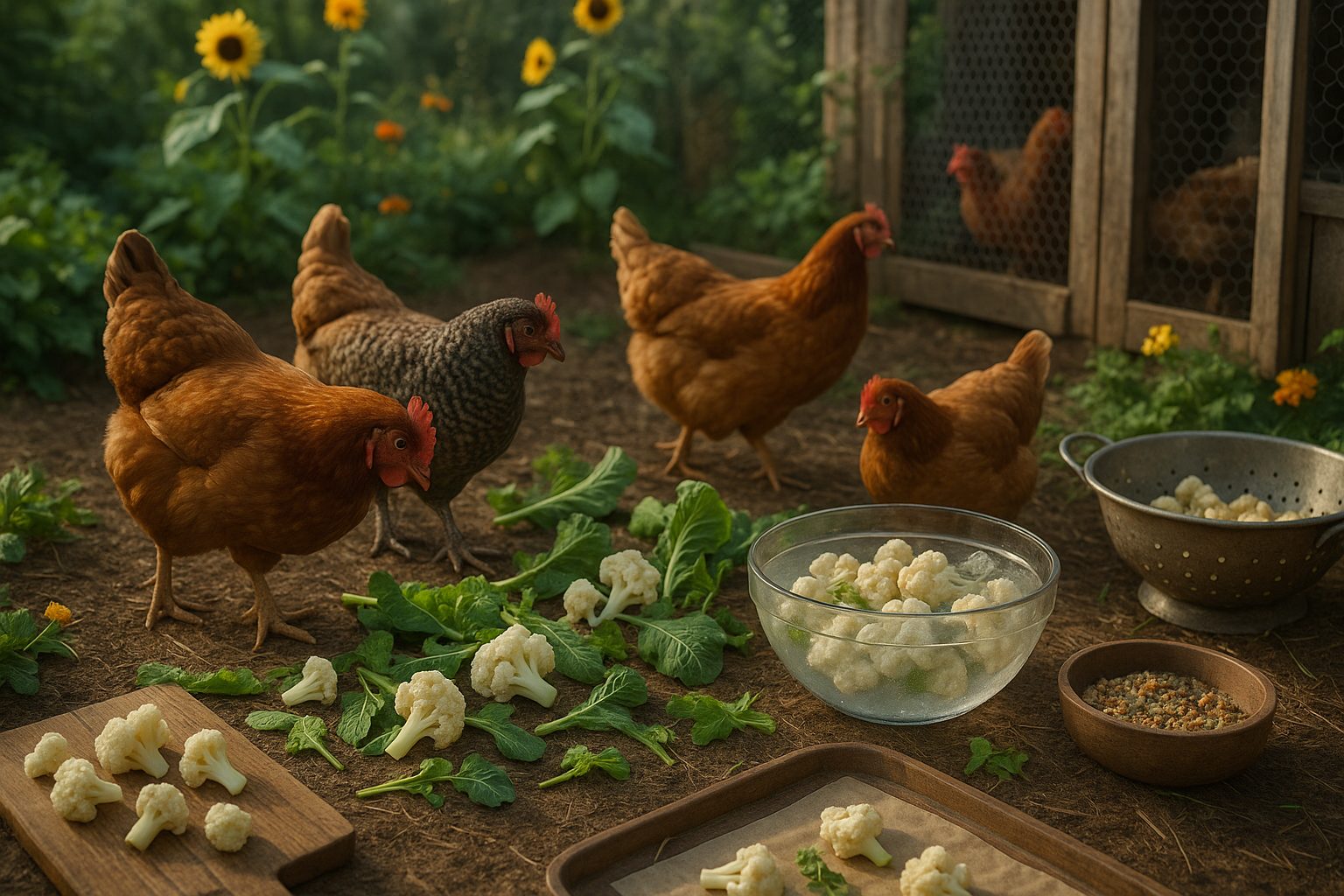
When it comes to backyard chicken keeping, one of the most common questions is, “Can chickens eat cauliflower?” As a responsible chicken keeper, it’s important to understand which foods are safe—or potentially harmful—for your flock. Accidentally feeding chickens unsafe scraps can lead to digestive upset, reduced egg production, or even more serious health issues. Toxic foods may seem harmless at first glance, but they can have long-term effects on both your chickens’ health and the quality of their eggs.
On the flip side, offering a well-balanced, nutritious diet keeps your birds active, strengthens their immune systems, and can even result in tastier, more nutrient-dense eggs.
In this article, we’ll explore whether cauliflower and its scraps make suitable treats for chickens, which parts of the plant (like leaves or stems) are best or should be avoided, and how cauliflower stacks up nutritionally. You’ll also find practical feeding tips and learn to recognize signs of digestive distress or toxicity in your flock. By the end, you’ll have the knowledge needed to make safe, healthy choices for your feathered friends, so you can confidently decide what goes into their treat bowl.
Toxic Foods Chickens Should Never Eat
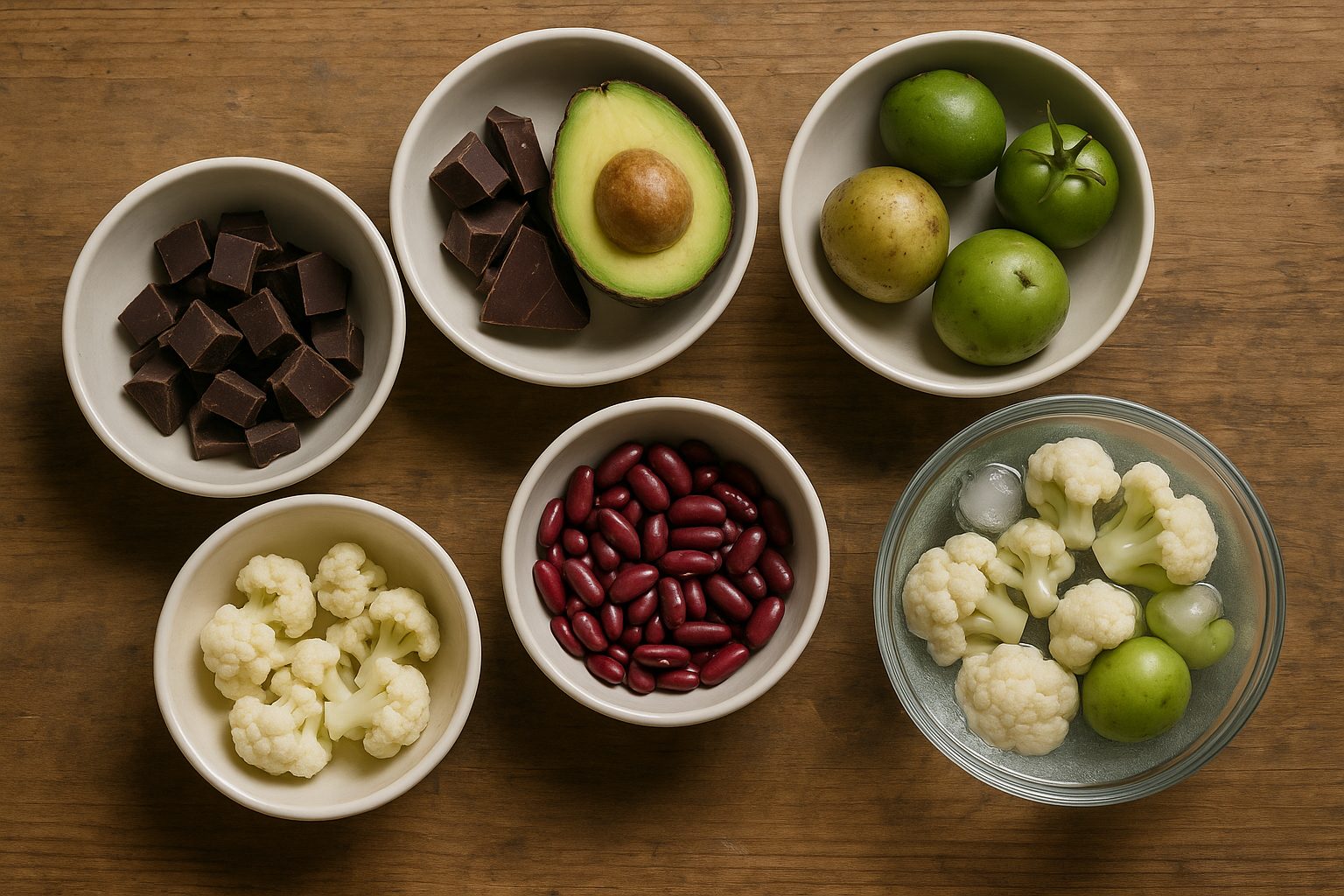
Chickens are curious eaters, but some common foods can be seriously toxic to them. Chocolate is a major no-go—it contains theobromine and caffeine, which chickens can’t metabolize. This can lead to rapid heart rate, tremors, seizures, or even sudden death.
Avocado, especially the skin and pit, contains a toxin called persin, which causes respiratory distress and heart failure in poultry, sometimes within hours of ingestion.
Uncooked beans, especially kidney beans, are extremely dangerous because they contain lectins (like phytohaemagglutinin) that inhibit protein synthesis in cells. This can cause vomiting, diarrhea, and in severe cases, death after just a few beans.
Nightshade plants such as potatoes, tomatoes, and eggplants, when raw or green, contain solanine and tomatine—glycoalkaloids that interfere with nerve function and digestion. This leads to lethargy, drooling, diarrhea, and even paralysis. These toxins break down during cooking, but raw or sprouted parts should always be avoided.
Always remember, just because a food is safe for humans doesn’t mean it’s safe for your flock. To keep backyard chickens healthy, stick to chicken-safe scraps like leafy greens, cooked grains, and mealworms. And if you’re ever unsure, look it up before tossing something into the coop.
Plants and Garden Materials That Are Unsafe
Many popular garden plants that add beauty to our yards can be hazardous—if not deadly—for backyard chickens. Common culprits include members of the nightshade family like tomatoes, potatoes, and eggplants, whose leaves, stems, and unripe fruits are toxic to poultry. Often-used ornamentals such as azaleas, rhododendrons, foxglove, lilies, oleander, and daffodils also pose serious risks. Even plants like hydrangeas or yew shrubs, which may seem harmless, can cause illness or worse if pecked by curious hens.
If chickens ingest poisonous plants, their symptoms may range from mild to severe. Watch for digestive upset (vomiting, diarrhea), weakness, drooping wings, difficulty breathing, tremors, or sudden death. Chickens are especially at risk because they peck indiscriminately, sampling anything that looks interesting.
To chicken-proof your garden, create physical barriers with fencing or chicken wire around danger zones, and consider planting only safe, poultry-friendly varieties in free-ranging areas. Regularly check your yard for weeds like deadly nightshade or Jimsonweed, which can colonize unnoticed. Also, avoid using treated wood, pesticides, or herbicides in areas where chickens roam, as many of these can be just as dangerous as toxic plants.
Providing your flock with ample safe forage—such as lettuce, sunflowers, or marigolds—can help satisfy their curiosity and reduce the temptation to nibble on unsafe garden materials. By planning your landscape with chickens in mind and knowing the symptoms of poisoning, you can keep your flock healthy and thriving.
Foods to Limit or Use With Caution
While certain foods like onions, garlic, salty snacks, processed meats, and citrus aren’t instantly fatal to pets, overfeeding them can cause a range of health problems. For example, too much onion or garlic, even in cooked form, can damage red blood cells and lead to serious conditions like anemia in dogs and cats.
Salty or highly processed foods—think deli meats, chips, and packaged cheese—may contribute to obesity, dehydration, or salt poisoning, especially in smaller pets. Citrus fruits, although less dangerous in tiny amounts, can upset your pet’s stomach, leading to vomiting or diarrhea.
To protect your furry friend, stick to fresh veggies like carrots or cucumber slices, or small bits of cooked, unseasoned lean meats as treats. Always limit treats to less than 10% of your pet’s daily food intake, and use tools like a kitchen scale or measuring spoons for precise portioning.
If your pet begs for more during training or snack time, swap in low-calorie, pet-safe snacks and break them into smaller pieces—your pet will feel just as rewarded without the extra risk. Consistency and mindfulness go a long way in keeping your companion healthy and happy.
Common Misconceptions and Confusing Foods
When it comes to feeding backyard chickens, there’s a lot of confusion around certain foods that seem safe but may pose hidden risks. For example, many people wonder about rice: while cooked rice is fine in moderation, raw rice can expand in the crop and cause digestive issues, so it’s best avoided.
Dairy is another area of misconception—small amounts of plain yogurt or cheese can be a treat, but chickens lack the enzymes to digest lactose efficiently, and too much dairy can lead to upset stomachs or diarrhea.
Kitchen scraps are often tossed out to hens, but not all leftovers are chicken-friendly. Coffee grounds, chocolate, avocado skins and pits, and anything moldy are unsafe. Additionally, foods high in salt, fat, or sugar, like processed snacks, should never make it into the run.
A good rule of thumb: if it’s not healthy for you, it’s probably not great for your flock either. Stick to fresh veggies, fruits, grains, and occasional protein treats, and always double-check when in doubt. This way, you’ll keep misconceptions at bay and your chickens happy and healthy.
Natural and Healthy Treats for Chickens
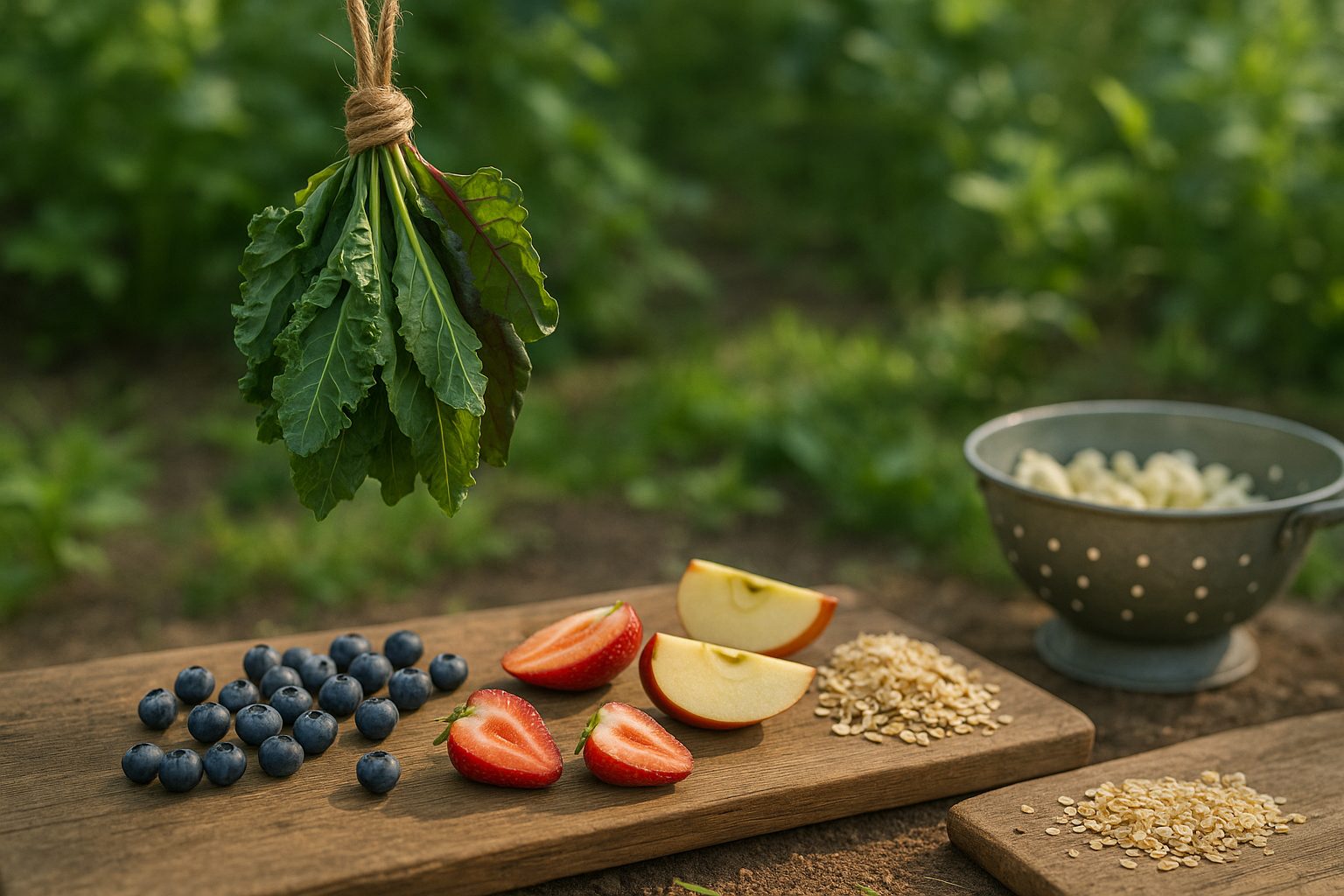
Giving your chickens natural and healthy treats is a great way to keep them happy and boost their overall wellness, but choosing the right foods is key. Leafy greens like kale, spinach, and Swiss chard are packed with vitamins and minerals—especially vitamin A and calcium—which help support strong eggshells and bright plumage. Fresh fruits such as blueberries, strawberries, and apple slices (with the core removed) offer antioxidants and a sweet change of pace, while grains like rolled oats, cracked corn, or cooked brown rice deliver energy without excess fat.
As you introduce these foods, offer treats sparingly—no more than 10% of your flock’s daily intake—to ensure chickens still get complete nutrition from their main feed. Scatter treats around the coop or hang leafy greens at eye level to encourage natural foraging behavior, giving your hens both mental stimulation and a dietary boost.
Always avoid anything toxic like avocado, chocolate, or uncooked beans, and remember to provide plenty of fresh water. This balanced approach means happier, healthier chickens and safer, more nutritious eggs for you.
Conclusion & Quick Safety Tips
Feeding your chickens safe, nutritious foods is crucial for their health and egg production. Always double-check which table scraps or plants are safe before offering them to your flock—many common foods, like raw beans and avocado pits, are dangerous for chickens.
To keep your birds healthy, research unfamiliar foods before sharing, and supervise free-range time so they can’t nibble on toxic plants or chemicals in your yard. Keep a list of common chicken poisons on your fridge or phone for quick reference, especially if kids or guests like to help with feeding.
It’s also wise to introduce new foods slowly and in small amounts, watching for any unusual behavior or digestive problems. If you’re ever unsure about a particular food or notice your chickens acting off after a meal, don’t hesitate to reach out to a veterinarian for expert advice—it’s always better to be cautious when it comes to your flock’s well-being.