Recommended Brussels Sprout Varieties
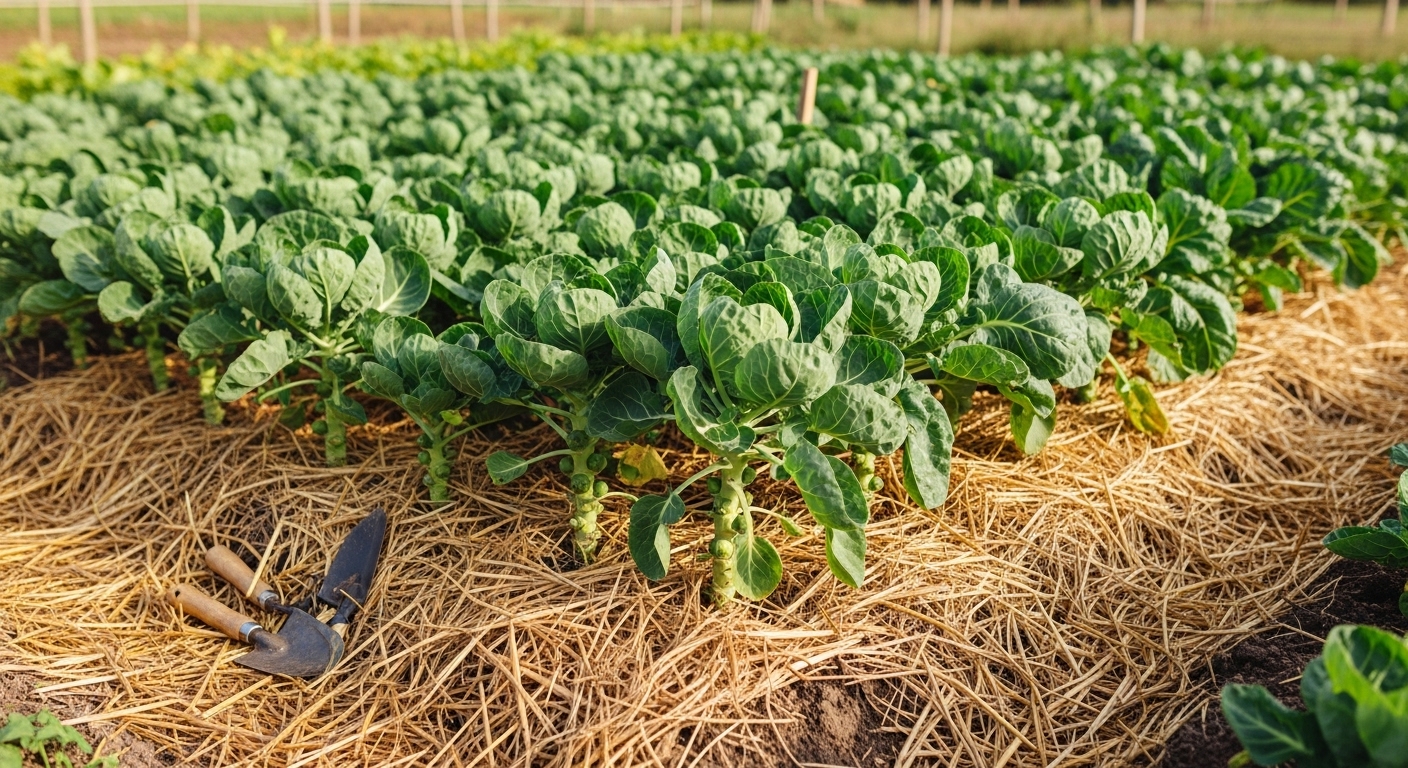
Curious about trying brussels sprouts in straw as an alternative to traditional soil gardening? You’re not alone—many home growers are looking for ways to help brassicas thrive with less weeding and cleaner harvests. The good news: certain Brussels sprout varieties are especially well-suited for straw- or hay-based growing methods.
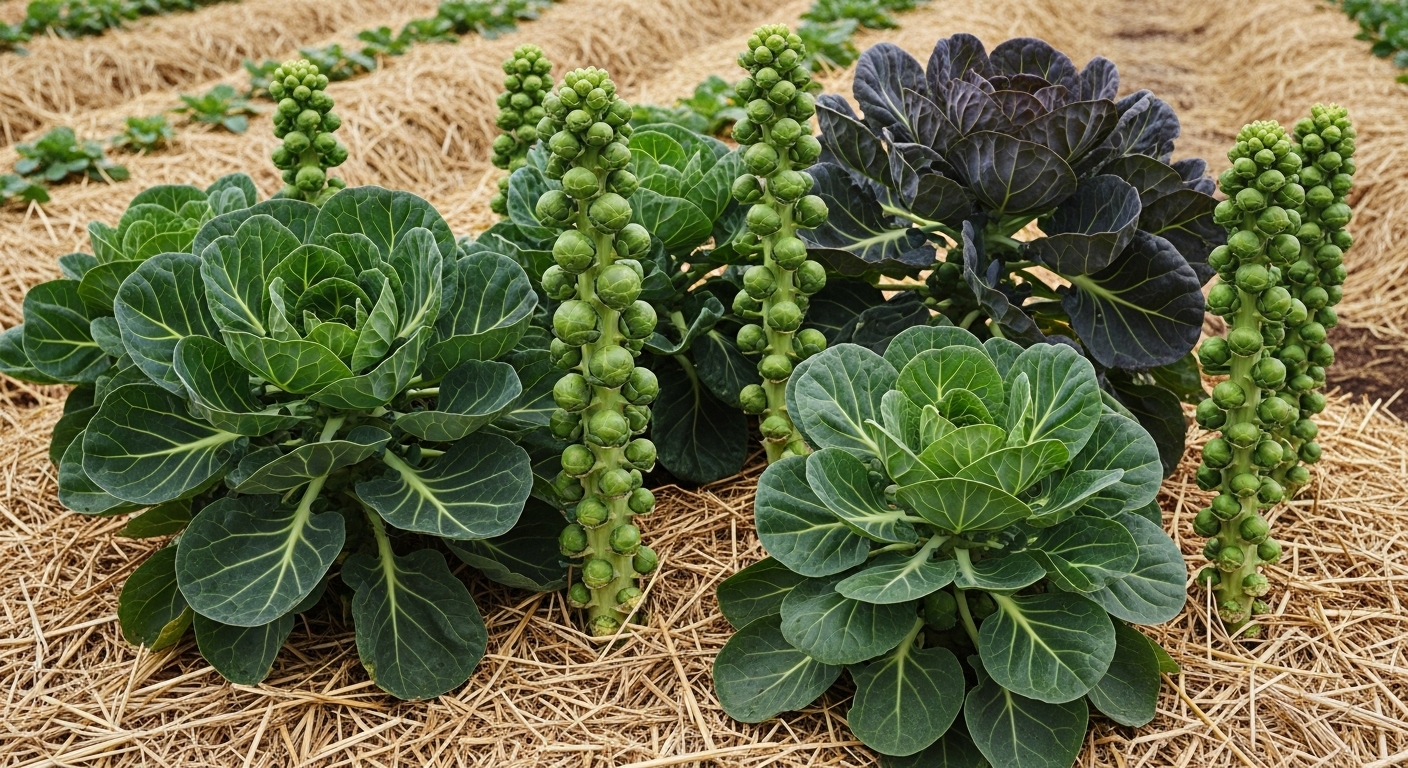
Popular choices like Long Island Improved and Jade Cross are reliable for home gardens, prized for their rich, nutty flavor and compact growth. If you live in a cooler region, Diablo excels thanks to its outstanding cold tolerance, while Falstaff offers a striking red color and sweet taste, ideal for fresh eating through extended fall harvests.
When choosing the right variety, consider your local climate:
- Warmer regions may benefit from faster-maturing types like Churchill, which provides full-sized sprouts in as little as 80 days.
- Regions prone to frost should opt for hardier, late-maturing options.
Always check the days-to-maturity and read up on the disease resistance of each variety—especially if you’re growing Brussels sprouts in straw, which can sometimes attract pests differently than traditional beds. With the right variety and a layer of clean straw or hay, you’ll enjoy crisp, flavorful sprouts and fewer weeds—making it easy to bring this leafy green from garden to table.
Starting Brussels Sprouts from Seed and Young Plants
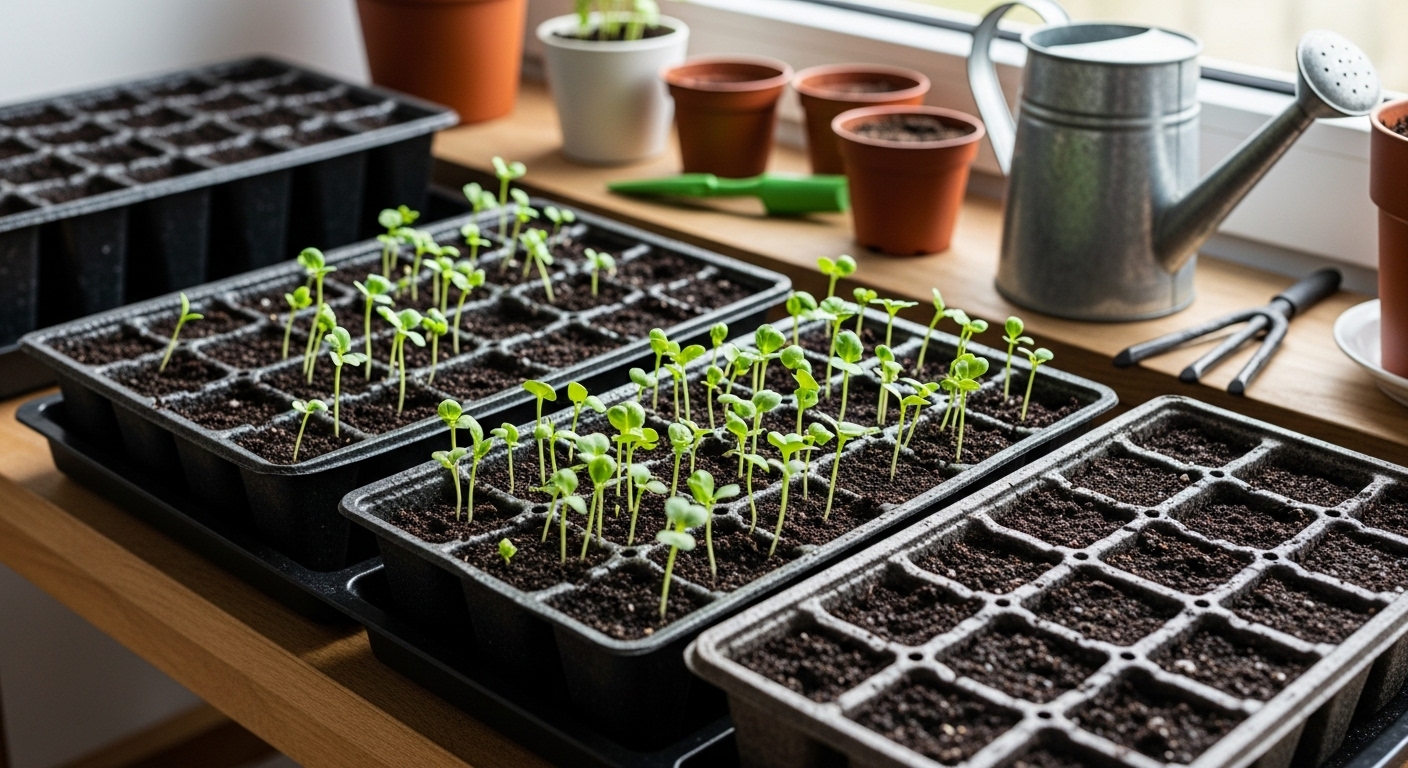
Deciding whether to grow Brussels sprouts from seed or to purchase young transplants depends on your gardening goals and timeline. Starting from seed is more economical and lets you experiment with unique varieties, but it requires careful timing and patience since Brussels sprouts need a long growing season—sometimes up to 100 days.
Seeds sown indoors 6–8 weeks before your average last frost date, using seed trays filled with moist seed-starting mix, usually germinate in about 5–10 days at 65–70°F. This approach gives your plants a head start, and when seedlings form two true leaves, you can gently prick them out into larger pots.
Alternatively, buying young, nursery-grown transplants skips the trickiest phase and saves time—ideal if your spring is short or you missed the window to start seeds early. However, this option typically limits you to common varieties and can be more expensive.
For outdoor gardening, Brussels sprout seeds can also be direct-sown in late spring or early summer, about 4 months before your area’s average first fall frost. Sow seeds ½ inch deep, 2–3 inches apart in rows, and thin seedlings to 18–24 inches apart once they’re established.
Whichever method you use, transplants should be set out after hardening them off for about a week—acclimating them to outdoor sun and wind. Choose a cloudy day or late afternoon to minimize stress, plant them at the same depth as they were growing indoors, and water in thoroughly. Mulching after transplanting helps retain moisture and keep soil cool.
With these steps, you’re well on your way to a sturdy crop of nutritious, homegrown Brussels sprouts—whether you started from tiny seeds or robust young plants.
Planting Brussels Sprouts: Timing and Location
Getting the timing right is key to a successful Brussels sprout harvest. In cool climates with long springs, plant Brussels sprout seeds indoors 4-6 weeks before the last spring frost, or sow directly outdoors as soon as the soil can be worked. For warmer regions, a late summer or early fall sowing works best since Brussels sprouts thrive in cooler temperatures and even taste sweeter after a light frost.
Choose a planting spot that gets at least six hours of full sunlight each day; plants grown in partial shade may produce loose, underdeveloped sprouts. Before planting, enrich the soil by mixing in compost or well-rotted manure to ensure steady nutrients throughout the growing season. Brussels sprouts prefer slightly acidic to neutral soil, with a pH range of 6.0 to 7.0, and benefit from excellent drainage, so avoid low-lying, soggy spots that encourage root rot. To further improve drainage, consider raising the beds or incorporating sand into heavy clay soils.
Spacing is crucial: plant seedlings 18-24 inches apart in rows set 2-3 feet apart. This not only gives each plant room to form tall stalks but also allows for air circulation, reducing the risk of fungal diseases. For a real-world example, gardeners often stagger plants diagonally to maximize space in smaller garden beds—this pattern helps each sprout receive more light and airflow.
Mulching around the base of the plants will help regulate soil moisture and temperature, which is especially useful during summer heat or unexpected cold snaps. With these steps, your Brussels sprouts will have the best foundation to grow tall, strong, and flavorful.
Care and Maintenance Throughout the Season
Keeping your garden thriving all season starts with consistent care. Fertilize early in the season using a balanced slow-release granule, and supplement with liquid feed every few weeks—especially for heavy feeders like tomatoes. Mulch around plants with straw, bark, or grass clippings to retain moisture, regulate temperature, and block weeds. Just be sure to keep mulch a few inches away from stems to prevent rot.
Water deeply in the early morning, aiming for the roots rather than the leaves. Adjust your watering schedule during hot spells so the soil stays consistently moist but not soggy. Regular pruning boosts airflow, limits disease, and encourages sturdy growth. For vining crops, remove lower leaves or unnecessary side shoots, and stake or cage tall or top-heavy plants for support.
Topping—pinching off the tip of vigorous growers—can also help focus energy into fruit or flower production. In summer, patrol beds often for weeds, pulling them before they spread. Use row covers or shade cloth to protect vulnerable plants during heatwaves.
For wind protection, position taller plants as windbreaks or use lightweight garden netting, securing delicate stems with soft ties or garden tape. With these ongoing habits, your plants will have the best shot at a long, productive season no matter what summer throws at them.
Common Problems: Pests, Diseases, and Solutions
Brussels sprouts, while rewarding to grow, can attract a handful of common pests and diseases. You might spot small holes in leaves or ragged edges—a sign of cabbage worms or flea beetles. These pests are best managed by handpicking caterpillars, using floating row covers, or introducing natural predators like ladybugs into your garden.
Aphids, which cluster on stems and leaves, can be discouraged with a firm spray of water or by releasing beneficial insects such as lacewings.
Disease issues like clubroot show up as wilting and swollen, distorted roots, while black rot causes yellowing leaves with distinct V-shaped lesions. Both diseases often result from poor soil drainage or contaminated tools—so rotate crops each year, keep garden beds clean, and avoid working with wet foliage to limit the spread.
For fungal problems, choose disease-resistant varieties when possible and water at the soil level to keep leaves dry.
Embracing integrated pest management (IPM) combines these steps:
- Monitor plants regularly
- Encourage beneficial insects
- Use organic sprays like neem oil only as a last resort
If you notice persistent decline or severe infestations—such as widespread yellowing, stunted growth, or large numbers of pests—it may be time to consult a local extension service or garden expert.
Early attention, clean habits, and encouraging natural allies will keep your Brussels sprouts thriving with minimal intervention.
Harvesting and Storing Brussels Sprouts
Knowing when to harvest Brussels sprouts is key to getting the best flavor and yield. Look for sprouts that are firm, about the size of marbles or an inch in diameter, and tightly closed—usually, this happens three to four months after planting, as cooler fall weather sets in.
The best method is to start picking from the bottom of the stalk upward, since the lower sprouts mature first. Gently twist or snap each sprout off with your hands, or use garden shears if you prefer, working your way up and leaving the upper, younger sprouts to continue growing. For optimal yield, only remove leaves below the harvest point, allowing the plant to keep producing higher up.
Once picked, Brussels sprouts are best used fresh but can last up to a week in the refrigerator. Place unwashed sprouts in a perforated plastic bag to retain moisture without encouraging rot.
For longer storage, blanch the sprouts in boiling water for about three minutes, then quickly cool them in ice water. Drain thoroughly and freeze them in airtight bags or containers—this preserves both flavor and nutrients for several months.
Always check stored sprouts regularly, removing any that show signs of yellowing or softness to prevent spoilage from spreading.
Nutritional Benefits and Uses in the Kitchen
Brussels sprouts are packed with nutrition, making them a smart addition to any meal. Just one cup is rich in vitamin K—essential for bone health—and vitamin C, which supports your immune system and skin. They’re also high in fiber, helping you feel full longer and aiding digestion, plus they provide a good dose of folate and antioxidants that can help reduce inflammation.
When it comes to cooking, Brussels sprouts are surprisingly versatile. Roasting is one of the most popular methods; simply toss them with olive oil, salt, and pepper, then roast at 400°F for 20–25 minutes until crispy and caramelized.
For a quick side, try sautéing halved sprouts in a hot skillet with garlic and a splash of lemon juice, or steam them for about five minutes for a softer texture. Shaved raw Brussels sprouts also add a delicious crunch to salads—just thinly slice and toss with a light vinaigrette.
To dress things up, sprinkle cooked sprouts with Parmesan cheese, bacon bits, or a drizzle of balsamic glaze. Whether you’re keeping things simple or experimenting with flavors, Brussels sprouts are an easy, nutritious ingredient to enjoy in many forms.