Introduction—Understanding Aphids in the Garden
If you’ve spotted aphids on brussels sprouts this season, you’re definitely not alone. These tiny, pear-shaped insects are a common sight in home gardens worldwide, especially as the weather warms up. While their sudden appearance can feel alarming—after all, no one wants to see their plants swarmed by pests—it’s important to remember that aphids are a totally normal part of the gardening experience. Often, their presence is simply a sign of a healthy, biodiverse environment, and most of the time, they won’t spell disaster for your Brussels sprouts or other crops.
Before you rush to the garage for harsh chemicals or worry your harvest is doomed, take a deep breath: seeing aphids doesn’t mean you’ve failed as a gardener, nor does it mean your beloved plants are at immediate risk. With a bit of knowledge and some practical, natural strategies, you can manage aphid populations in ways that are safe for your garden and the environment. In this article, we’ll break down why aphids aren’t always a major crisis, how to tell when intervention is truly needed, and the most effective natural methods you can use to keep your Brussels sprouts thriving and aphid numbers in check.
Are Aphids Really Harmful?
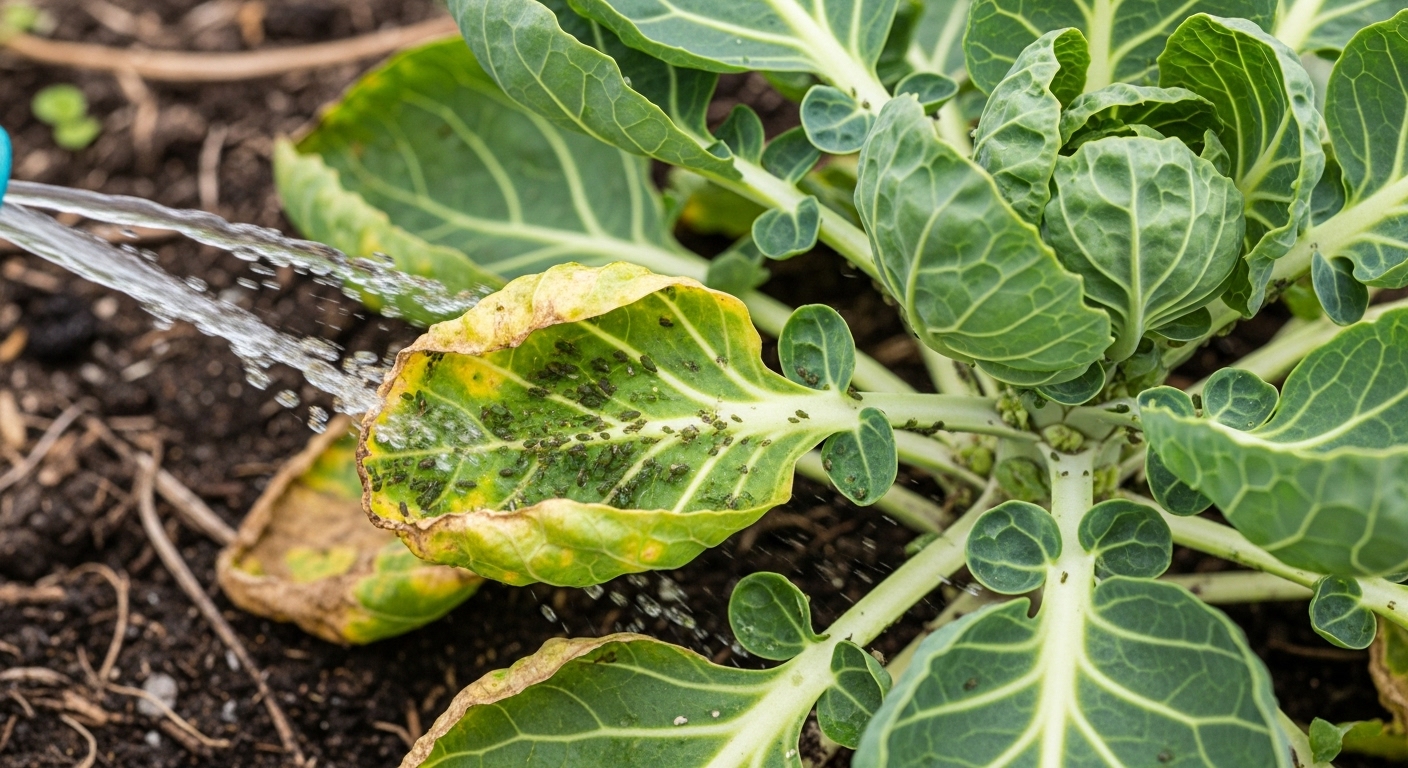
Aphids often get a bad reputation among gardeners, with many fearing that a small infestation means certain doom for their plants. The truth is, while aphids do feed on plant sap and can cause issues like yellowed leaves, curled edges, or stunted growth, extreme damage or plant death is actually quite rare—especially for healthy, established plants.
Many myths overstate their harm, leading people to panic at the sight of just a few bugs. Most well-cared-for plants can handle light to moderate aphid activity, as they have natural defenses and can recover once the pests are controlled.
However, it’s wise to watch for genuine signs of plant stress. If you notice significant leaf drop, widespread wilting, or sticky “honeydew” attracting ants and molds, that could mean aphids (or another problem) are overwhelming your plant. It’s also important to check for sudden changes in growth or a persistent decline, which might signal nutrient deficiencies, overwatering, or other underlying issues unrelated to aphids.
By keeping a close eye on your plants and acting early, you can address aphid outbreaks calmly and effectively—no need to fear the worst at the first sign of these common tiny pests.
Aphids’ Role in a Healthy Garden Ecosystem
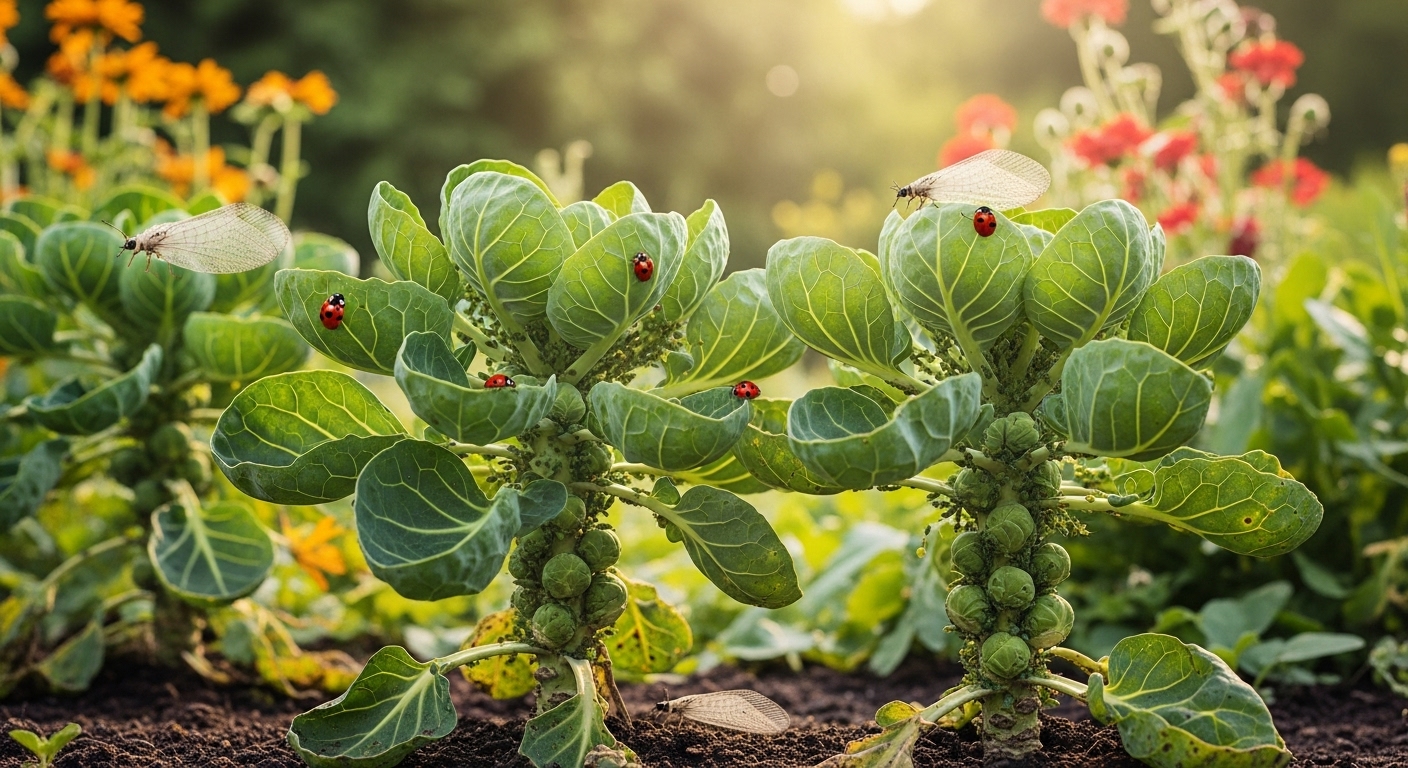
While aphids might seem like purely destructive garden pests, they actually play an important role in maintaining a healthy ecosystem. Aphids serve as a vital food source for beneficial insects such as ladybugs and lacewings. These predators lay their eggs near aphid colonies specifically so their larvae have easy access to this abundant prey.
When aphid populations rise, they act as a beacon, drawing natural predators into the garden and encouraging their presence. This creates a self-regulating food web, where an increase in pests is balanced by a rise in predators, ultimately leading to fewer outbreaks over time.
For example, a temporary surge in aphids early in the season can support larval development in ladybugs, which then go on to control other soft-bodied pests as well. Gardeners can use this to their advantage by resisting the urge to immediately eliminate every aphid. Instead, allowing a short-term aphid population can invite more beneficial insects, establishing a natural cycle between pest and predator.
Over seasons, this dynamic promotes a more resilient and balanced garden, reducing the need for chemical interventions and supporting overall biodiversity. So, rather than viewing aphids as a problem to be wiped out, consider them a tiny cog in the much larger wheel of garden health.
When Aphids Signal Stress—What’s Really Happening
High populations of aphids on your plants often mean more than just a pest problem—they’re a clear sign that something in the plant’s environment is off balance. Healthy, vigorous plants can usually handle minor infestations or even keep aphids at bay, but stressed plants emit chemical signals that unintentionally attract these pests.
Common stressors that make your garden more vulnerable include poor soil quality, irregular watering, overcrowding, and inadequate sunlight. For example, over-watered or under-watered plants struggle to maintain their natural defenses, while nutrient-deficient soil leaves them unable to fight off insect invaders.
To break this cycle, focus on the basics:
- Start by enriching your soil with organic matter like compost, which improves nutrients and drainage.
- Water your plants consistently, aiming for moist but not soggy soil.
- Space your plants well so they don’t compete for resources.
- Mulching can help retain moisture and stabilize root temperatures.
By creating optimal growing conditions, you not only reduce the stress that attracts aphids but also help your plants bounce back faster if pests do appear. This lifestyle tweak is often more effective in the long run than chasing after every bug with sprays or chemicals.
Practical Steps—What to Do if Aphids Get Out of Hand
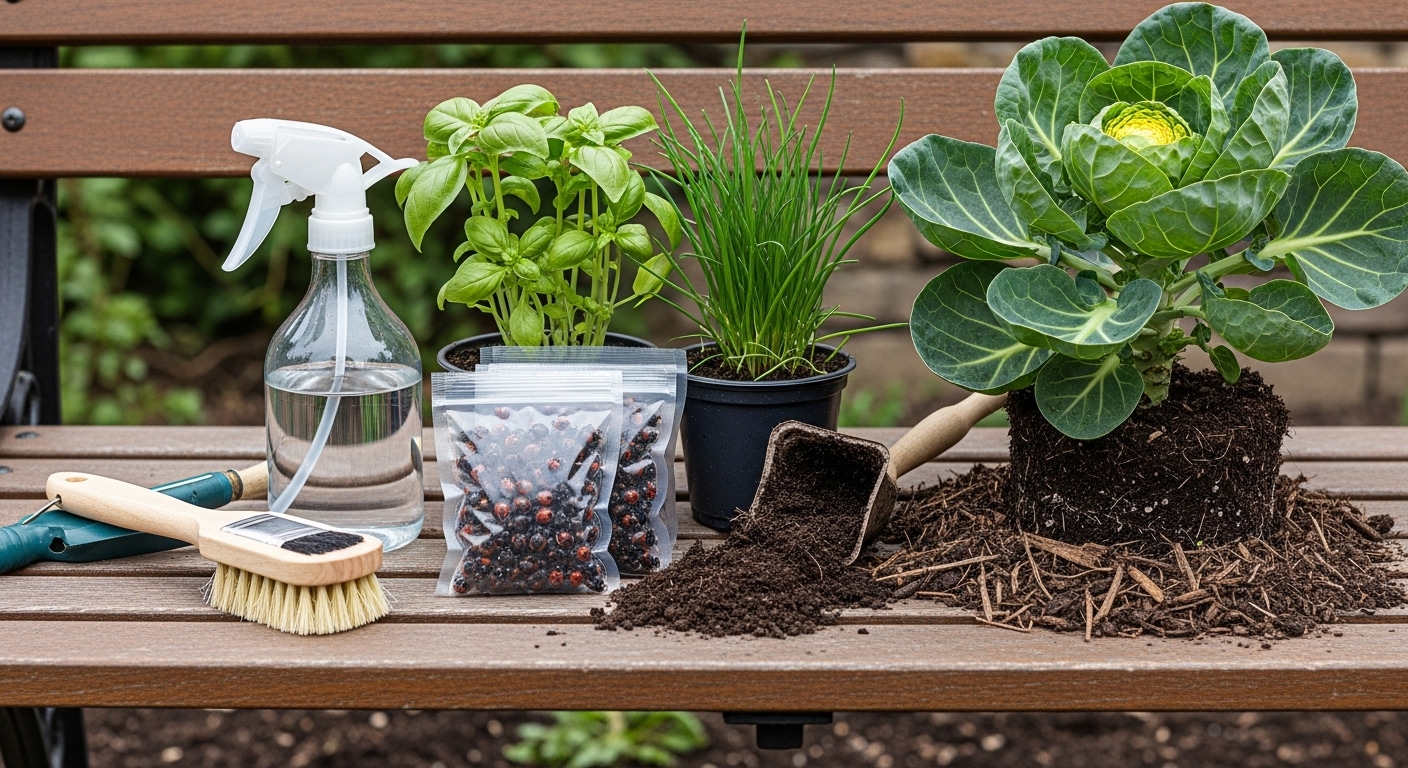
If you spot aphids taking over your plants, don’t panic—there are several gentle ways to bring them under control. A simple first step is to use your hands or a soft brush to gently wipe or pinch off clusters from stems and leaves.
For heavier infestations, try spraying your plants with a strong jet of water; this knocks aphids off without harming your plants or beneficial insects. Encouraging natural predators like ladybugs and lacewings is another smart option, as these insects are voracious aphid eaters. You can attract them by planting pollinator-friendly flowers nearby or even purchasing them from garden centers.
Avoid the temptation to reach for harsh chemical sprays right away—these often kill helpful bugs along with pests and can leave residues on edible plants. Remember, most healthy plants bounce back quickly from minor aphid attacks, especially once the pests are removed.
To prevent future infestations, regularly inspect your plants and keep them healthy with proper watering and feeding. Companion planting—growing herbs like basil or chives nearby—can also help keep aphids away. With patience and these practical steps, your garden can thrive without the stress of chemical warfare.
Conclusion—Making Peace with Aphids
Finding a few aphids isn’t a disaster—it’s a natural part of a vibrant garden. Instead of reaching for chemicals immediately, observe how many aphids you see and look for their natural predators, like ladybugs or lacewings. Keeping your garden healthy through regular care and supporting beneficial insects helps maintain balance. By viewing aphids as just one piece of the garden puzzle, you’ll foster a more resilient, thriving ecosystem overall.