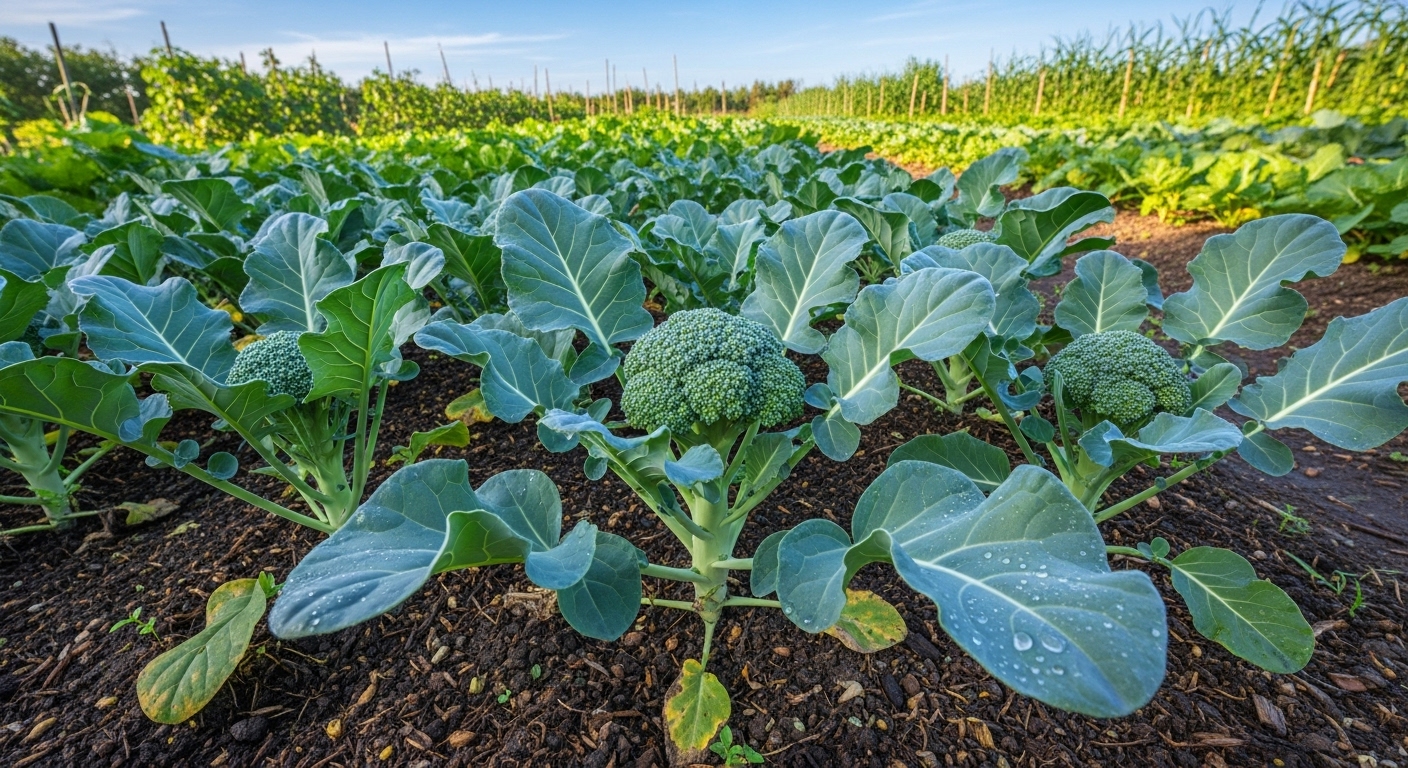
Introduction to Growing Broccoli
Getting the right broccoli soil pH is the secret ingredient to growing crisp, flavorful heads right in your backyard. Broccoli is a favorite among home gardeners—not just for its delicious taste and nutritional punch, but also for how well it thrives when given the proper care.
Whether you’re a first-time grower or a seasoned gardener hoping to up your harvest, this guide will walk you through everything you need to know about preparing your garden, planting seeds or seedlings, caring for your plants, handling common pests, and reaping the rewards of your labor.
Broccoli flourishes in cooler seasons like spring and fall, relying on well-drained soil, plenty of sunlight, and the correct pH to deliver the best yield. From choosing the right location to understanding the importance of soil chemistry and learning hands-on tips—like starting seeds indoors for an early jump on the season—this article covers it all.
We’ll also explore smart strategies for keeping pests like cabbage worms at bay and share simple signs that your broccoli is ready to harvest. By the end, you’ll know exactly how to nurture robust broccoli plants, setting yourself up for a steady supply of this nutrient-packed veggie straight from your own garden.
Choosing the Right Broccoli Varieties & When to Plant
Selecting the right broccoli variety can make a big difference in your garden’s success, especially since some types perform better in certain climates or spaces. For cool, coastal regions, try Calabrese for its classic heads and reliability, or Green Goliath, which handles temperature swings well.
In warmer climates, Gypsy and Belstar are popular choices for their heat tolerance and resistance to bolting. If you’re short on space, compact types like De Cicco or Apollo thrive in containers or raised beds.
Timing is crucial, too: broccoli grows best in cool weather. Plan to plant in early spring or late summer for a fall harvest—ideally when daytime temperatures stay between 60 and 70°F.
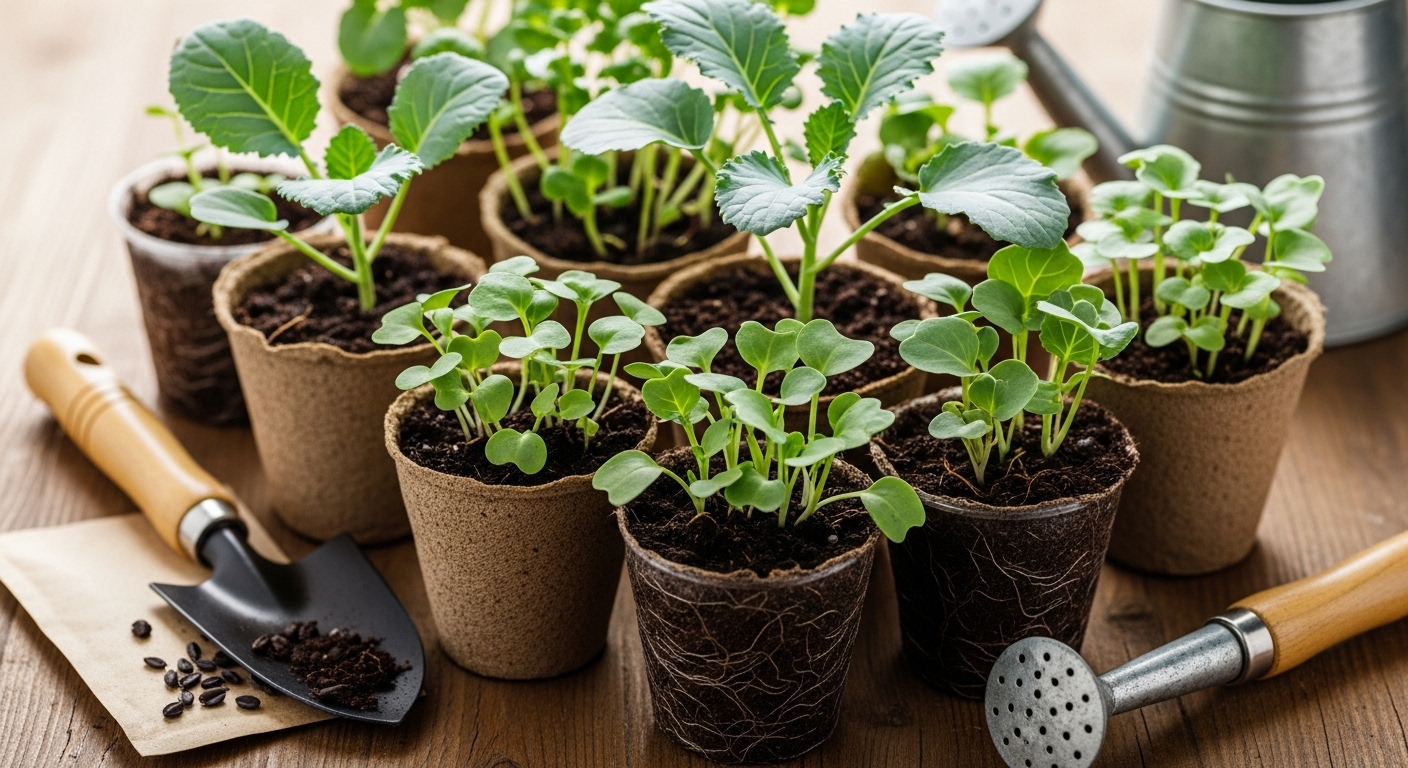
Start seeds indoors 6-8 weeks before your last expected frost for a spring crop, or sow seeds directly outside in midsummer for a fall crop. Using transplants gives you a head start and is especially handy in regions with short growing seasons, while seeds offer a wider variety choice and tend to be more cost-effective.
Transplants are easier for beginners—they skip the most delicate stage of growth and have a higher success rate. Whichever method you choose, keep young broccoli protected from heat and strong sun to encourage crisp, sweet heads.
With a bit of planning, you’ll enjoy a steady harvest of tender broccoli tailored to your climate and garden size.
Preparing Your Broccoli Growing Site
Choosing the right spot and preparing your soil are key steps for a successful broccoli harvest. Broccoli thrives in moist, well-draining soil with a loamy texture—meaning it should feel crumbly, not too sticky or sandy.
Aim for a soil pH between 6.0 and 7.0, which helps broccoli absorb essential nutrients. If your pH is outside this range, you can add garden lime to raise it or sulfur to lower it. Use a simple soil test kit from a garden center to check.
Fertility is another important factor; enrich your soil by mixing in 2-4 inches of compost or well-rotted manure a few weeks before planting. This adds nutrients and also improves soil structure and moisture retention.
When choosing your planting site, pick a location that gets at least 6 hours of direct sunlight daily, since broccoli loves light. Good drainage is essential—avoid low spots where water collects, as this can cause root problems. If your soil is heavy clay, consider raised beds to enhance drainage.
Crop rotation matters, too. Avoid planting broccoli in the same spot where other brassica crops (like cabbage or cauliflower) grew within the last two or three years to prevent pest and disease buildup.
With careful site selection and thoughtful soil preparation, you’ll give your broccoli the best possible start.
Planting Broccoli
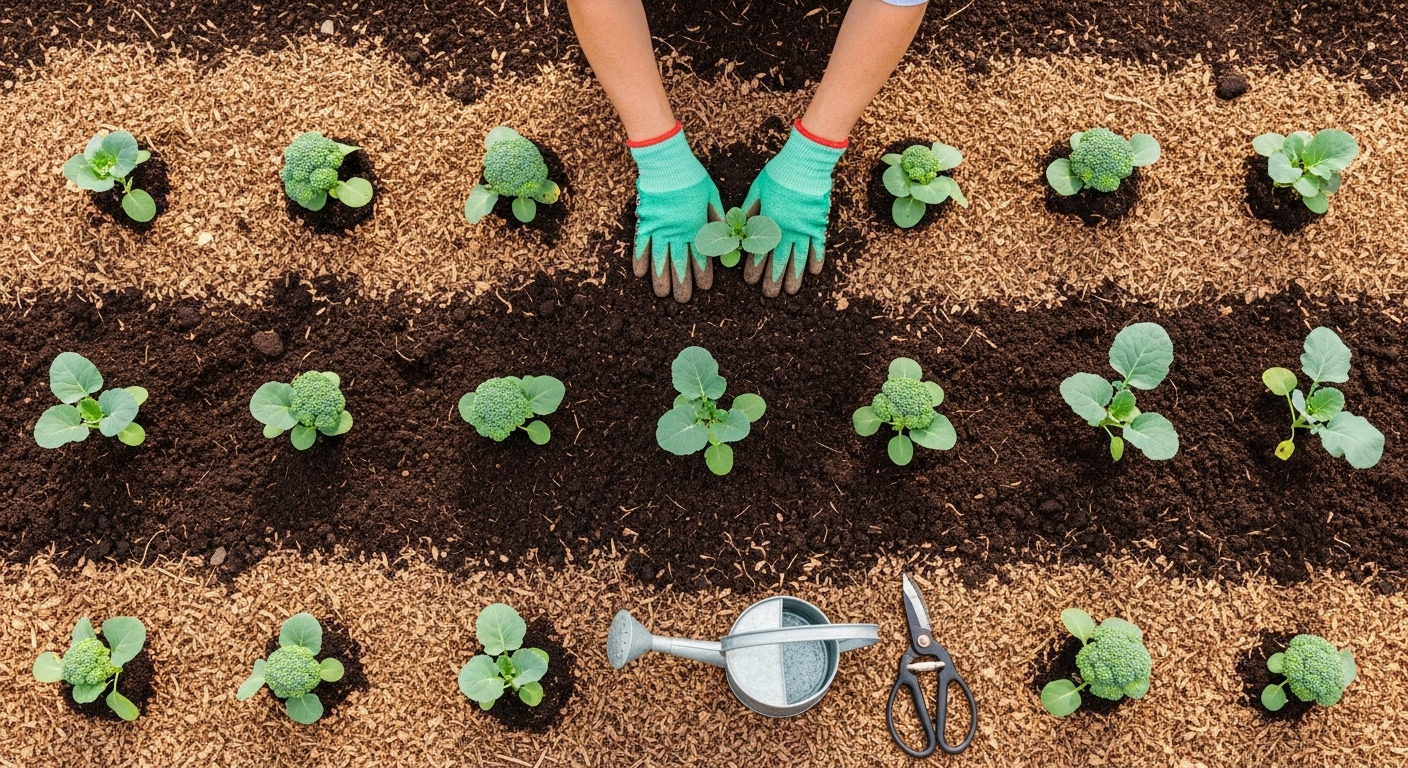
Planting broccoli is a straightforward process, whether you’re starting with seeds or young transplants.
If you’re planting seeds, start by selecting a spot with full sun and rich, well-drained soil. Sow the seeds about 1/4 to 1/2 inch deep, spacing them 2 to 3 inches apart in rows that are 18 inches apart. Once the seedlings grow to about 2 inches tall, thin them out so each plant has 18 to 24 inches of space to mature—this prevents overcrowding and encourages robust heads.
For transplants, dig holes deep enough so the roots are just below the soil surface and plant each one 18 to 24 inches apart in rows 18 to 24 inches apart. Ensure the top of the root ball is level with the ground.
After planting seeds or transplants, water them thoroughly to help settle the soil and kickstart growth. Early on, keep the soil consistently moist but not soaked, as broccoli roots are shallow and dry out easily. Regular, gentle watering in the mornings is ideal.
Adding a 2-to-3-inch layer of organic mulch, such as straw or shredded leaves, around your plants helps lock in moisture, regulate soil temperature, and suppress weed growth that might compete with your broccoli. Be watchful for weeds and remove them by hand to avoid disturbing young roots.
With attentive care in those first few weeks, your broccoli will establish strong roots and set the stage for a healthy, productive crop.
Broccoli Care Throughout the Growing Season
Caring for broccoli throughout the growing season is all about finding the right balance and responding to your plants’ needs. Start by watering deeply once or twice a week instead of lightly each day—aim for about 1 to 1.5 inches of water weekly, adjusting if rain is plentiful. Overwatering can soak the roots and lead to rot or fungal diseases, so check the soil’s moisture by sticking your finger about two inches deep; only water if it feels dry.
Fertilize soon after transplanting or when seedlings are a few inches tall, preferably with a balanced fertilizer (like 10-10-10). Repeat every three to four weeks, but focus on nitrogen and phosphorus for vigorous leaf and head growth—compost or fish emulsion can work wonders.
Keep beds weed-free with regular, careful hoeing or by applying a thick layer of mulch, which also conserves moisture and keeps roots cool. Since broccoli stems can become top-heavy, especially in windy spots, consider staking plants or using plant rings as they mature.
Finally, broccoli thrives when protected from heat and cold; use row covers to protect against late spring frosts and provide shade cloth or mulch during heat waves to maintain soil moisture and keep temperatures even. Regular attention to these details means healthier plants and more delicious harvests.
Managing Pests and Diseases
Broccoli plants can fall prey to a handful of common pests and diseases that can quickly derail your harvest if left unchecked. Watch out for aphids—tiny green or gray insects that cluster on new growth and leaves—as well as cabbage worms, which leave telltale jagged holes and green “frass” (droppings). Fungal infections like downy mildew often show up as yellowish spots on leaves or a fuzzy white coating underneath.
To get ahead of these issues, inspect your plants at least twice a week. For pests, pick off larger invaders like worms by hand, and try a gentle spray of water or a diluted soap solution for aphids. Floating row covers can help deter flying pests before they lay eggs.
When it comes to disease, good air circulation is key—space plants properly and avoid wetting the leaves when watering to slow fungal growth. Also, remove and dispose of affected leaves or plants promptly to prevent the spread.
If you notice stunted growth, rapid yellowing, or heavy infestations, it’s time to act. Opt for organic treatments like neem oil or insecticidal soap as a last resort, and always follow label directions.
Consistent garden hygiene plus vigilant observation go a long way to keep your broccoli healthy and thriving.
Harvesting and Storing Broccoli
Knowing when to harvest broccoli is crucial for both flavor and yield. Look for tight, dark green heads where the buds are compact and haven’t started to open or show yellow—this is the prime time for picking. If you spot any yellow flowers, harvest immediately before the quality declines.
Use a sharp knife or garden shears to cut the main head about five inches below the head, taking a bit of the stem with it. Be gentle to avoid damaging the plant, as healthy plants will often produce smaller side shoots after the main head is removed.
To encourage more side shoots, make clean cuts and continue watering and feeding the plant as usual, keeping it healthy and productive for several more weeks.
After harvesting, don’t wash the broccoli until you’re ready to use it, as extra moisture can speed up spoilage. Instead, wrap unwashed heads loosely in damp paper towels and store them in the crisper drawer of your refrigerator. This helps maintain moisture and keeps broccoli fresh for up to five days.
For the best taste and texture, cook or eat your harvested broccoli as soon as possible. If you need to store it longer, blanch and freeze the florets for later use in soups and stir-fries. With these tips, you’ll enjoy fresh, homegrown broccoli that stays crisp and sweet from garden to table.