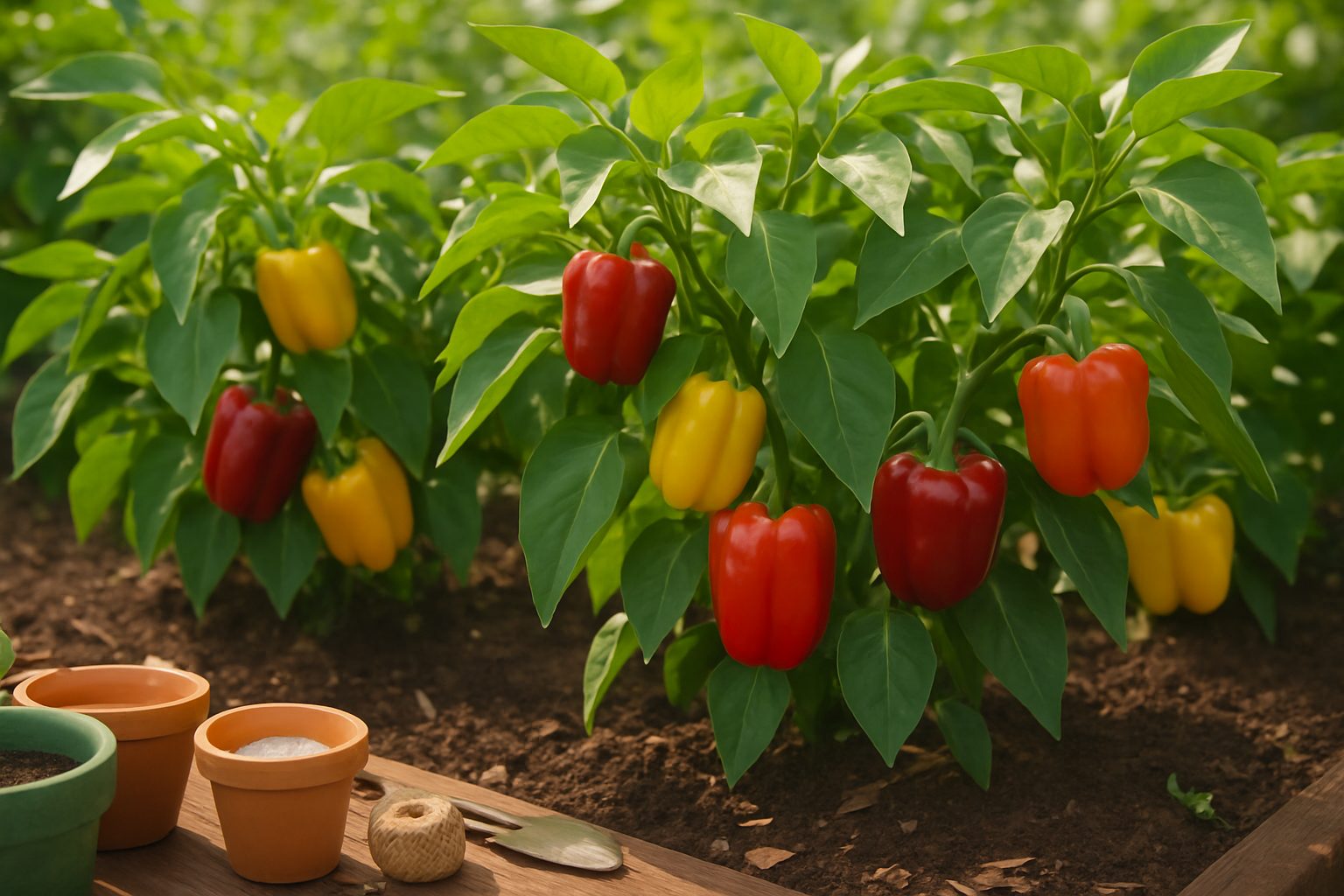
Why Are Your Pepper Plants Wilting?
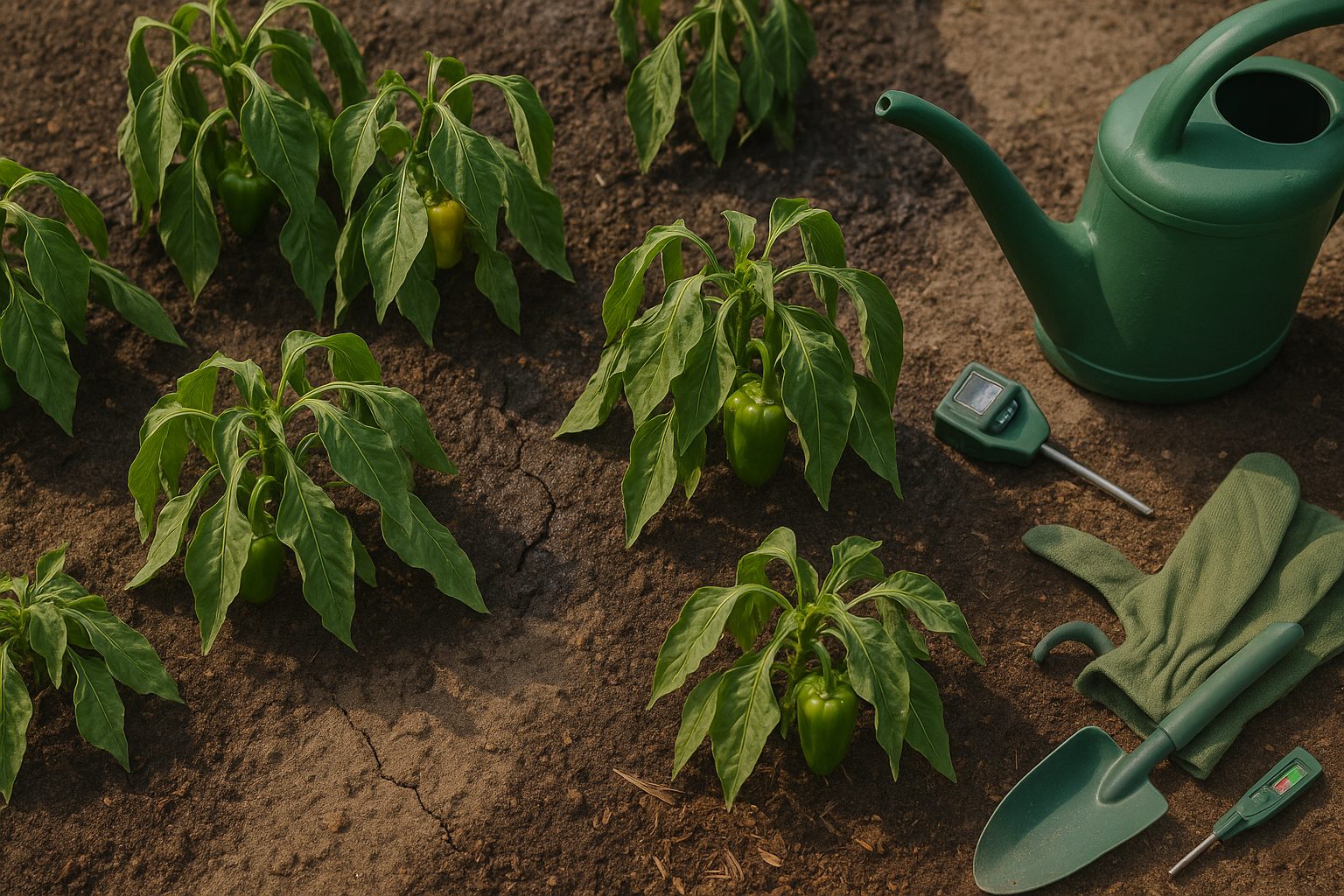
If you’ve noticed wilting bell peppers in your garden, it’s natural to worry—drooping leaves, limp stems, and a tired appearance are all signs something isn’t right with your pepper plants. Wilting can sneak up quickly, especially in the heat of summer or after a period of neglect, leaving once-vibrant peppers looking weak and lifeless.
Before you jump to conclusions, it’s important to consider the most common reasons behind wilting bell peppers: underwatering, overwatering, heat stress, diseases, and pest infestations.
Common Causes of Wilting
- Underwatering: Causes leaves and stems to droop as the plant tries to conserve resources.
- Overwatering: Can suffocate roots and even lead to root rot, producing similar wilting symptoms.
- Heat Stress: Often obvious on scorching days—plants look wilted midday but might perk up as temperatures drop.
- Diseases: Conditions like bacterial wilt and fungal pathogens can make pepper plants droop even with consistent watering, often progressing to yellowing or browning leaves.
- Pest Infestations: Pests such as aphids or root nematodes feed underground or on the undersides of leaves, causing a slow but steady decline.
How to Diagnose and Treat Wilting
To distinguish physical causes from biological ones, check your routine and observe your plants carefully:
- Watering inconsistencies and temperature changes are typically easy to correct.
- Disease and pests often show additional symptoms like leaf spots, sticky residue, or distorted growth.
Inspect your plants closely for signs of insects or mold. When in doubt, adjust your watering habits and remove any visibly unhealthy foliage. These steps can help your wilting bell peppers recover and thrive again.
Watering Mistakes and Solutions
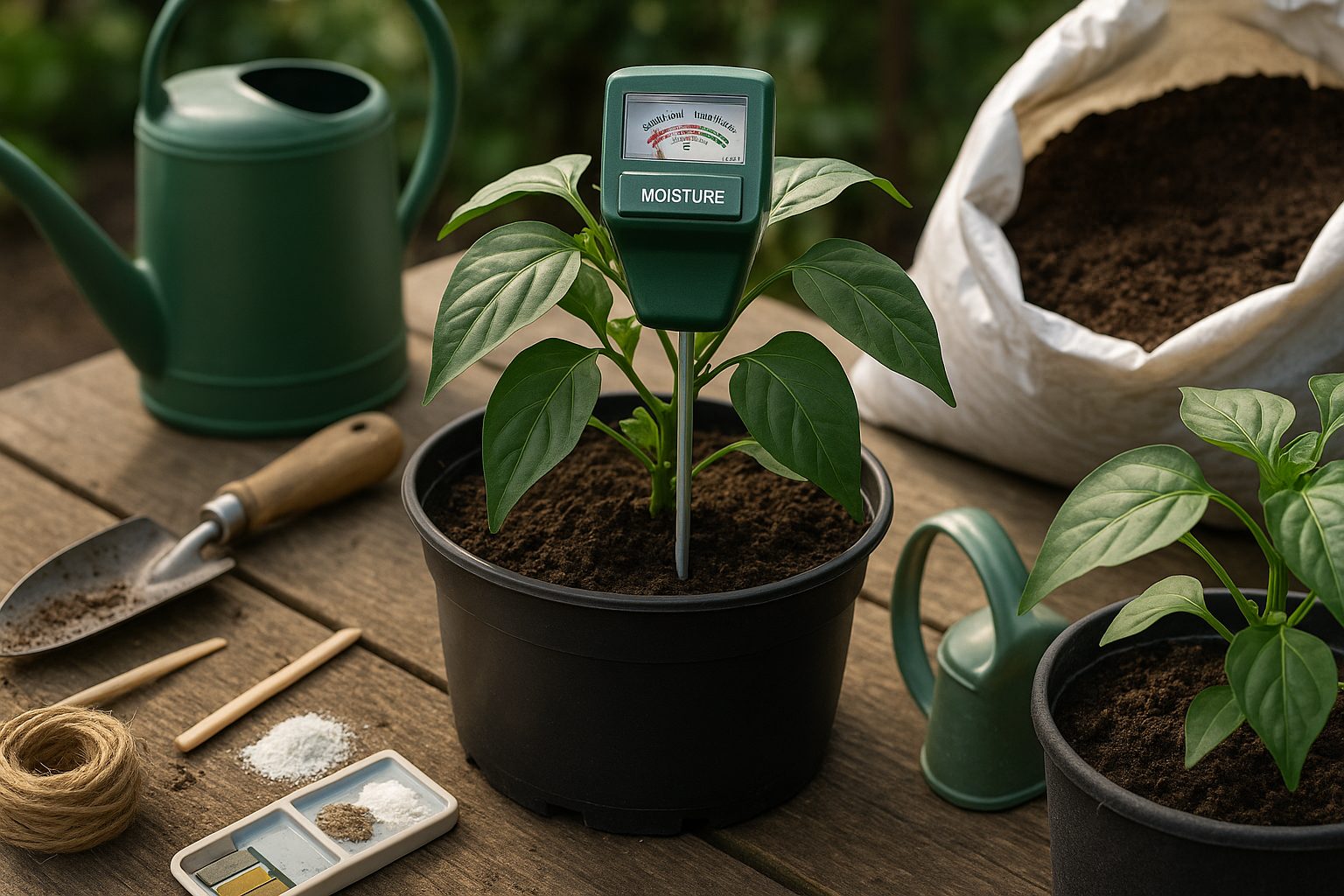
Both underwatering and overwatering can seriously impact the health of your pepper plants, so it’s essential to find the right balance. Underwatered plants often develop wilted, curling leaves and dry, brittle stems, while overwatered peppers show yellowing leaves, stunted growth, and a tendency to drop fruit or leaves due to soggy roots.
To avoid these problems, use a practical method to check soil moisture: stick your finger about two inches into the soil—if it feels dry, it’s time to water; if it’s still moist, wait another day or two. For a more precise reading, inexpensive soil moisture meters are widely available and can take the guesswork out of watering.
Water early in the day to reduce evaporation and help prevent fungal diseases, and always water at the base of the plants rather than from above to keep leaves dry.
If you realize you’ve been overwatering, improve drainage by mixing compost or perlite into the soil and making sure pots or garden beds have adequate drainage holes. For underwatered plants, establish a watering schedule that matches your local weather, soil type, and container size—most pepper plants thrive with a thorough watering once or twice per week, but frequency will vary with climate; hot, sunny conditions might require more.
Keep a log or phone reminder to help stay consistent, and adjust as your plant’s needs change throughout the season for the healthiest, most productive pepper plants possible.
Dealing with Environmental Stress (Heat & Light)
Excessive heat and direct sunlight can quickly take a toll on pepper plants, causing wilting, leaf scorch, or even stunted fruit production. When temperatures consistently rise above 90°F (32°C), peppers may struggle to set fruit or may drop blossoms altogether. Intense midday sun can scorch leaves, leading to brown edges and patchy growth.
To protect your peppers, provide light afternoon shade—use shade cloth, an old bed sheet, or strategically placed garden umbrellas to filter the harshest rays. Mulching is another simple yet effective step; a 2-3 inch layer of straw, grass clippings, or shredded bark helps retain soil moisture and keeps roots cool. If your peppers are in containers, consider moving them to a spot that receives morning sun but is shaded during the hot afternoon, especially during heatwaves.
Ideal daytime temperatures for pepper growth are between 70°F and 85°F (21°C to 29°C), with at least 6-8 hours of bright, indirect sunlight daily. By monitoring conditions closely and taking these proactive steps, you’ll help your peppers beat the heat and develop healthy, flavorful fruit.
Nutrient Deficiencies and Fertilization Tips
Pepper plants are prone to several nutrient deficiencies that can cause wilting, leaf discoloration, and slow growth. Common culprits include shortages of nitrogen, potassium, magnesium, and calcium.
Nitrogen deficiency usually shows up as pale yellow leaves starting from the bottom of the plant, accompanied by stunted growth. A lack of potassium can cause leaf edges to look scorched or curled, and sometimes brown spots will develop. If your pepper leaves develop yellow areas between green veins, especially on older leaves, magnesium could be the issue. Calcium deficiency often leads to blossom end rot, where the bottoms of peppers turn brown and soft.
To address these problems, choose a balanced fertilizer labeled for vegetables, with an N-P-K (nitrogen-phosphorus-potassium) ratio like 5-10-10 or 10-10-10, and make sure it includes micronutrients like magnesium and calcium. Start feeding pepper plants when you first transplant them, then apply fertilizer every 3-4 weeks throughout the growing season.
Always water the soil before fertilizing to prevent root burn, and avoid overfeeding, which can cause weak, leafy growth instead of fruit. For organic gardens, compost and fish emulsion work well—just follow the package directions for dosage. Monitoring your plants for early symptoms and reacting quickly will keep your peppers healthy and productive.
Combatting Diseases and Pests
Pepper plants are commonly threatened by diseases like bacterial wilt, which causes wilting, yellowing leaves, and eventually plant death. They are also vulnerable to pests such as aphids and spider mites that can stunt growth and discolor foliage.
Bacterial Wilt
Early signs of bacterial wilt include drooping leaves during the hottest part of the day that don’t recover at night and dark streaks on stems. To prevent this, rotate crops each year and avoid overhead watering to reduce the spread of harmful bacteria.
Pests: Aphids and Spider Mites
Aphids often appear as clusters of tiny green or black insects under leaves, while spider mites cause fine webbing and tiny yellow spots. Regularly inspecting plants for these signs is crucial—check leaves (top and bottom) at least once a week to catch issues early.
Treatment and Prevention
- Remove and destroy infected plants promptly to prevent disease spread.
- Use insecticidal soap or neem oil to treat pest outbreaks without harming beneficial insects.
- Use sticky traps to help monitor pest populations.
- Introduce ladybugs, natural aphid predators, for organic control.
- Keep your pepper bed weed-free and maintain good spacing for airflow.
Healthy, stress-free plants are far less vulnerable to both diseases and pests. Consistent monitoring and quick action are key to achieving a robust, productive pepper crop.
Long-Term Care for Stronger Pepper Plants
Building stronger pepper plants over the long term starts with establishing a routine of consistent watering, feeding, and pruning. Water your peppers regularly, aiming to keep the soil moist but never soggy—overwatering invites root rot, while underwatering stresses the plants and stunts growth. Use a balanced fertilizer every few weeks, especially during the growing season, to keep your peppers fueled with the nutrients they need.
Pruning is another simple but powerful habit—remove lower leaves and any branches that aren’t thriving to allow sunlight and airflow to reach the plant’s center, which reduces disease risk. Make it a weekly habit to inspect your plants for signs of pests, discoloration, or wilting; catching problems early lets you adapt care quickly, whether that means adjusting watering frequency during heat waves or treating an insect infestation before it gets out of hand.
Supporting healthy roots is crucial for vigor over time. Start peppers in well-draining potting mix rich in organic matter and transplant only after the risk of frost is gone. When moving peppers from seed trays to larger pots or your garden, handle the roots gently and bury the plant a bit deeper than before, encouraging more root growth along the buried stem.
If you’re growing peppers in containers, choose pots that are at least 12 inches wide with drainage holes, and refresh the top few inches of soil each season to rejuvenate nutrients. Mulching around the base of outdoor peppers helps retain soil moisture and suppress weeds, creating a stable environment where roots can thrive.
By combining attentive care and adaptable routines, your pepper plants will reward you with greater resilience and more abundant harvests season after season.