Introduction
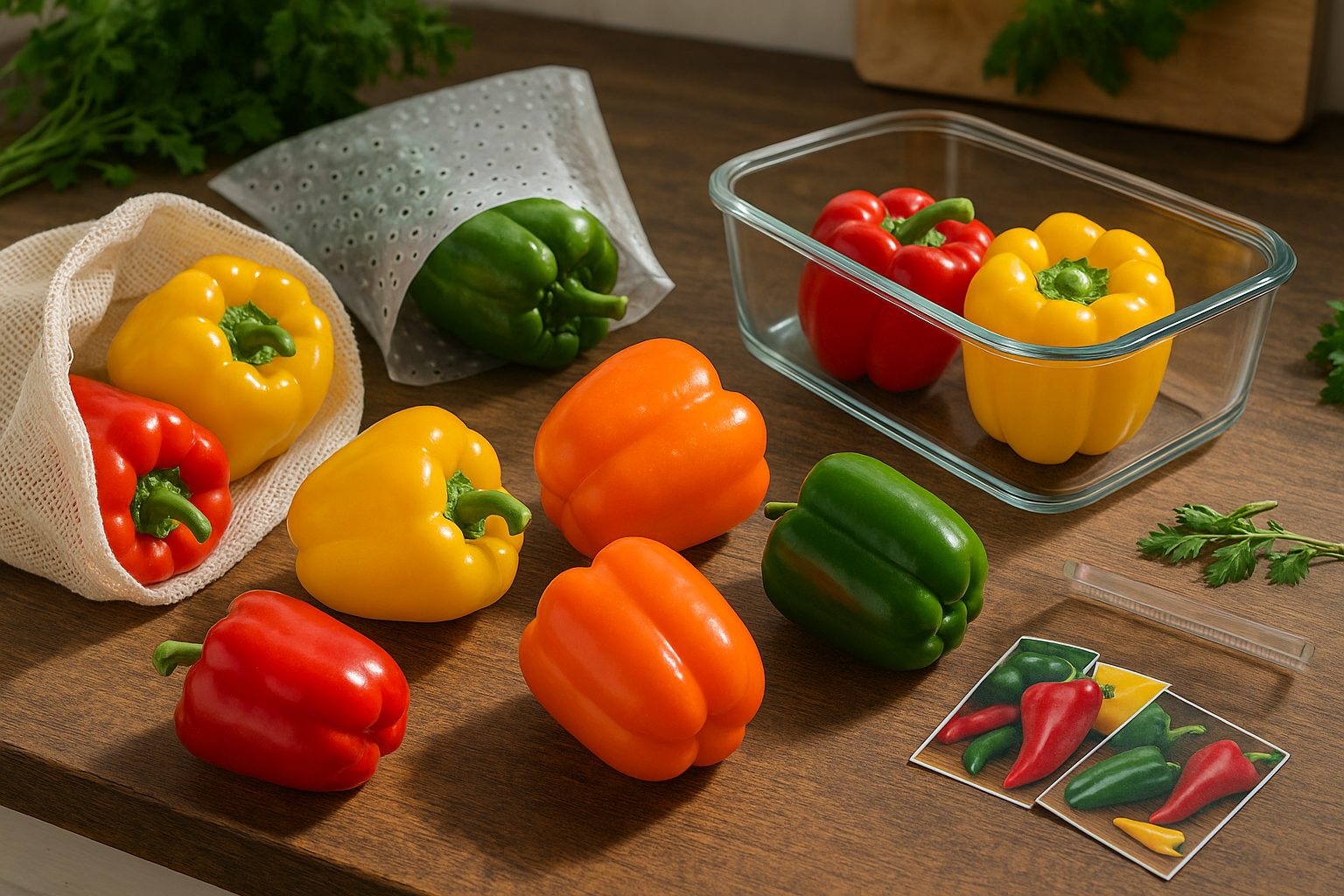
Learning how to store fresh bell peppers properly can make all the difference when it comes to preserving their crispness, vibrant color, and sweet, tangy flavor. Whether you’ve stocked up on classic green, red, yellow, or orange bell peppers, or even have a few spicy hot varieties like jalapeños or serranos in your kitchen, knowing the best way to keep them fresh prevents premature spoilage and helps you avoid unnecessary food waste.
If you’ve ever found a sad, wilted pepper at the bottom of the crisper drawer, you know firsthand how frustrating improper storage can be! In this guide, you’ll discover straightforward, real-world tips for storing fresh bell peppers, from selecting the right spot in your fridge to using simple containers or produce bags. With these easy techniques, your peppers will stay crisp and flavorful, ready to elevate salads, stir-fries, and snacking any day of the week.
Choosing the Right Peppers: Shopping Tips
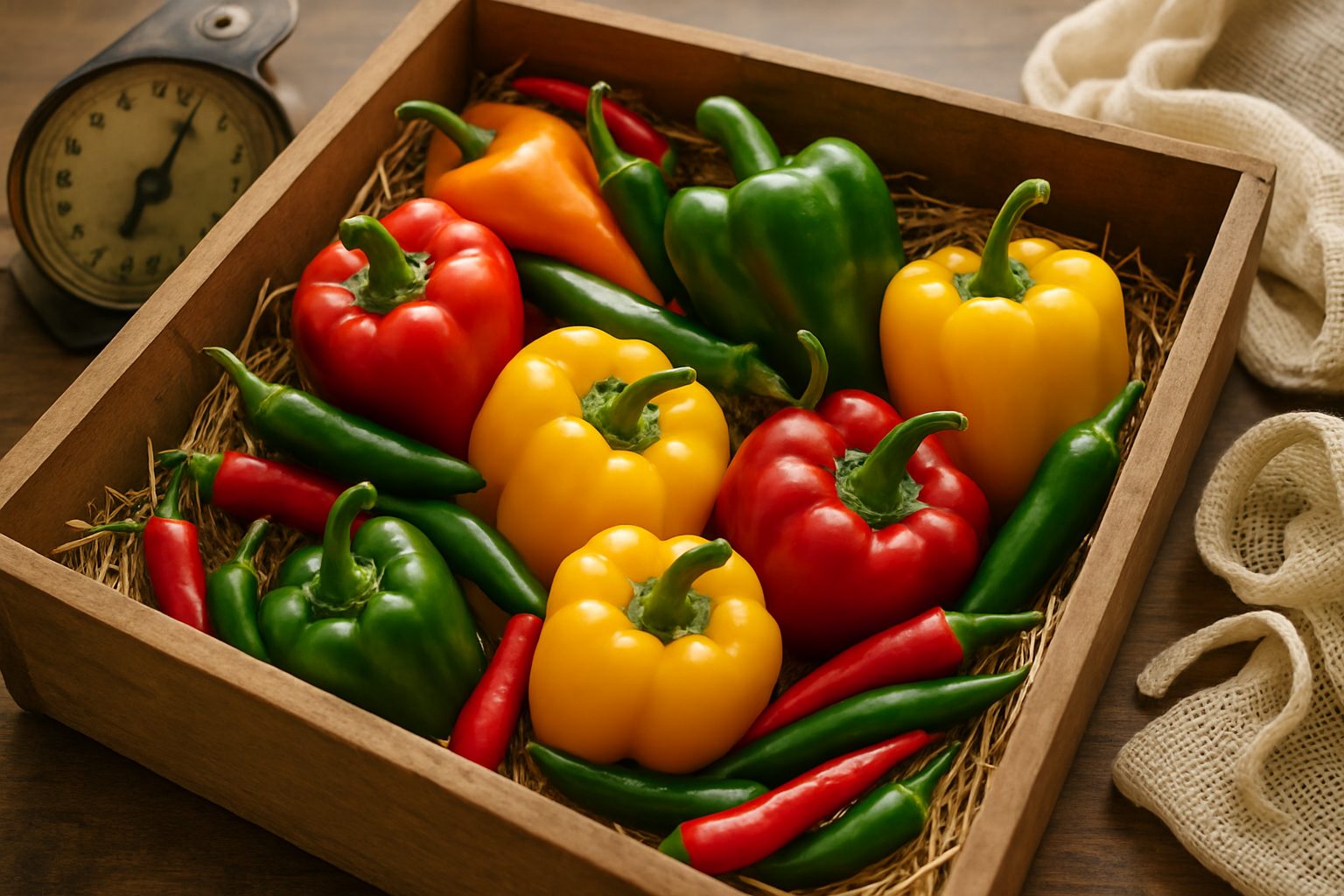
When picking fresh peppers, look for vibrant, consistent color—they should be glossy and free from dark spots or wrinkles. Gently squeeze the pepper; it should feel firm, not soft or mushy. Check the skin for any wrinkles, cracks, or blemishes, which can signal overripeness or internal damage.
For bell peppers, a heavy feel for their size indicates juiciness, while hot peppers should be taut and bright. Avoid peppers with soft patches or dull, shriveled skin, as these are likely past their prime.
If buying in bulk or at farmers’ markets, ask sellers when the peppers were harvested and inspect a few from the bottom of the crate or bag. Many local growers allow you to handpick, so take your time to choose the best specimens—this helps prevent waste and ensures your dishes burst with flavor and freshness.
Best Methods for Storing Whole and Cut Peppers
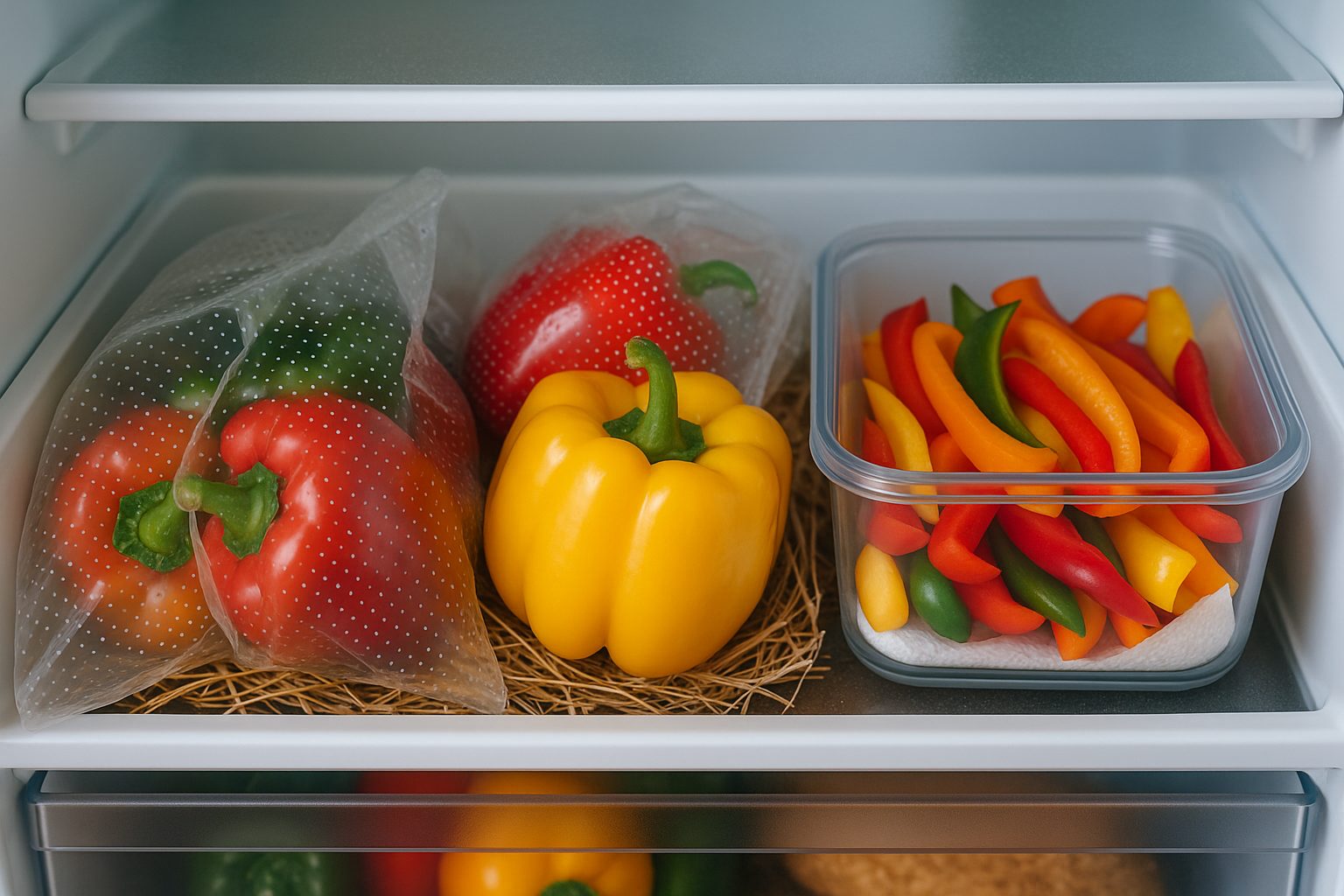
To keep whole peppers fresh in the fridge, store them unwashed in the vegetable crisper drawer, ideally in a produce bag or a perforated plastic bag. This allows the peppers to “breathe” and maintains the right humidity, helping them stay crisp for up to one or two weeks. Avoid airtight containers for whole peppers, as trapped moisture can encourage mold.
For cut or sliced peppers, use an airtight container or a resealable plastic bag lined with a paper towel. The paper towel absorbs excess moisture, helping to prevent sliminess and premature decay. Be sure to use cut peppers within three to five days for the best taste and crunch.
If you need to store peppers at room temperature, only do so with whole, uncut peppers and for no more than a couple of days. Warmer temperatures speed up wilting and rot.
For longer storage and to maintain flavor and texture, refrigeration is the safest choice for both whole and prepped peppers.
Extending Freshness: Freezing and Preserving Peppers
Freezing peppers is an easy way to extend their shelf life and keep them fresh for months. Start by washing the peppers thoroughly, then slice or chop them according to your needs, removing any seeds and stems. While it’s not required, blanching—boiling the pepper pieces for 2-3 minutes, then plunging them into ice water—can help preserve color and texture, especially for thicker-skinned varieties like bell peppers.
Once drained and patted dry, spread the pieces out on a baking sheet in a single layer and freeze until solid; this step prevents clumping. After they’re frozen, transfer the peppers into airtight freezer bags or containers, squeeze out excess air, and label each bag with the date and pepper type.
Other Preservation Methods
Beyond freezing, you can also preserve peppers by:
- Canning: Great for hot peppers in vinegar brine.
- Drying: Using a dehydrator or air-drying thin-walled varieties like cayennes.
- Pickling: Ideal for banana or jalapeño peppers, adding a tangy flavor.
Choosing the Best Method
The best preservation method depends on the type of pepper:
- Thick, sweet peppers like bell or poblano freeze well and retain their flavor.
- Hot peppers are excellent candidates for drying or pickling.
- Small chili peppers can be strung up to dry naturally.
By selecting the right method based on pepper type, you’ll capture peak flavor and texture for use in recipes year-round.
Storing Cooked or Leftover Peppers
To safely store cooked or leftover peppers, let them cool to room temperature before transferring them to an airtight container or a resealable bag. This helps keep them fresh and prevents odors from spreading in your fridge.
Store the peppers in the refrigerator, where they typically last three to five days. Glass containers work especially well since they don’t absorb stains or smells, but sturdy plastic containers with tight-sealing lids are also a great option. To minimize waste, label your container with the date so you remember when you stored them.
Reheat leftovers in short bursts in the microwave or quickly in a frying pan to prevent them from becoming soggy or overcooked. If you realize you won’t use the peppers in time, simply chop and freeze them for future recipes like omelets or stir-fries, giving your leftovers a second life and helping cut down on food waste.
Signs Your Peppers Have Gone Bad & How Long Peppers Last
Knowing when your peppers have gone bad is key to avoiding food waste and keeping your meals safe. Watch for soft spots, wrinkles, and a mushy or slimy texture—these are classic signs your peppers are past their prime. A fresh pepper should be firm and glossy; if it feels limp or emits a sour or off-putting smell, it’s time to toss it.
Any visible mold, even a tiny spot, means the whole pepper should go in the trash, as mold can spread easily.
Whole bell or hot peppers last about 1–2 weeks in the refrigerator crisper drawer, while cut peppers typically stay fresh for 3–5 days when sealed in an airtight container. Preserved peppers, like those jarred in vinegar, can last for months, but always check for odd smells or cloudiness.
To maximize shelf life, keep peppers dry and never store them damp, as moisture encourages sliminess and soft spots.
Creative Ways to Use Up Extra Peppers
If you find yourself with a bounty of extra or softening peppers, don’t let them go to waste—there are countless creative ways to boost your meals.
Chop fresh or slightly soft peppers into colorful fajitas, stir-fries, or omelets for a quick flavor kick. For a simple sheet pan dinner, toss chunks of peppers with potatoes, onions, olive oil, and your favorite protein, then roast until caramelized.
Homemade salsas and relishes are another tasty option; just blend peppers with tomatoes, onions, and cilantro for a zesty topping. If you don’t plan to use your peppers right away, slice and freeze them—frozen peppers are perfect for adding directly to soups, chilis, or casseroles with no need to thaw first.
You can also pickle peppers in vinegar and spices for a tangy sandwich garnish or pizza topping. Even limp or overripe peppers can still add depth to pasta sauces or homemade hummus when pureed.
By finding new ways to enjoy every pepper, you’ll not only cut food waste but also discover exciting layers of flavor and color in everyday dishes.
Conclusion
Properly storing peppers not only keeps them crisp and flavorful but also saves money by reducing food waste. By trying out various storage methods—from refrigeration to freezing or drying—you can find what works best for your kitchen and extend your peppers’ shelf life. Don’t be afraid to experiment with your favorite recipes using well-stored peppers! If you have any questions or want more storage tips, feel free to leave a comment below.