Introduction
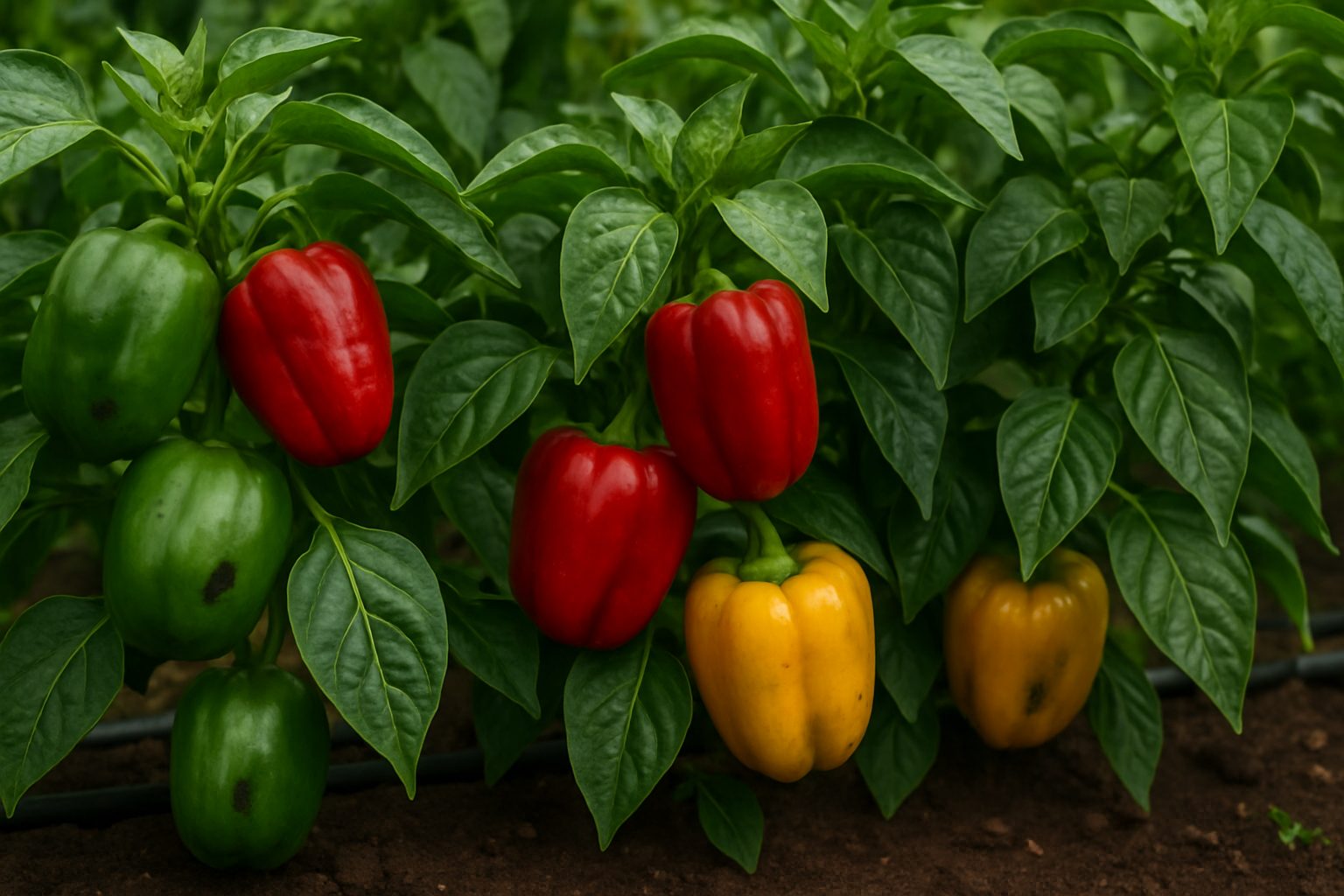
Noticing black spots on bell peppers can be alarming for any gardener, whether you’re tending a backyard plot or just a few containers on your balcony. These black spots, which sometimes appear as brown lesions, often indicate underlying issues—ranging from environmental stress to diseases or pests. Many gardeners encounter this problem at some point, especially during peak growing season. It’s one of the top concerns shared in gardening communities because these spots can quickly escalate, affecting not only the appearance but also the health and yield of your peppers.
In this post, we’ll help you get to the bottom of brown or black spots on bell peppers. You’ll learn how to accurately identify what’s causing them, how to distinguish between harmless blemishes and warning signs of more serious problems, and most importantly, what practical steps you can take to treat affected plants and prevent future outbreaks. Whether you’re growing sweet peppers for summer salads or spicy varieties for your favorite dishes, this guide will empower you with real-world tips to keep your bell peppers healthy and spot-free.
Understanding Black Spots on Pepper Plants
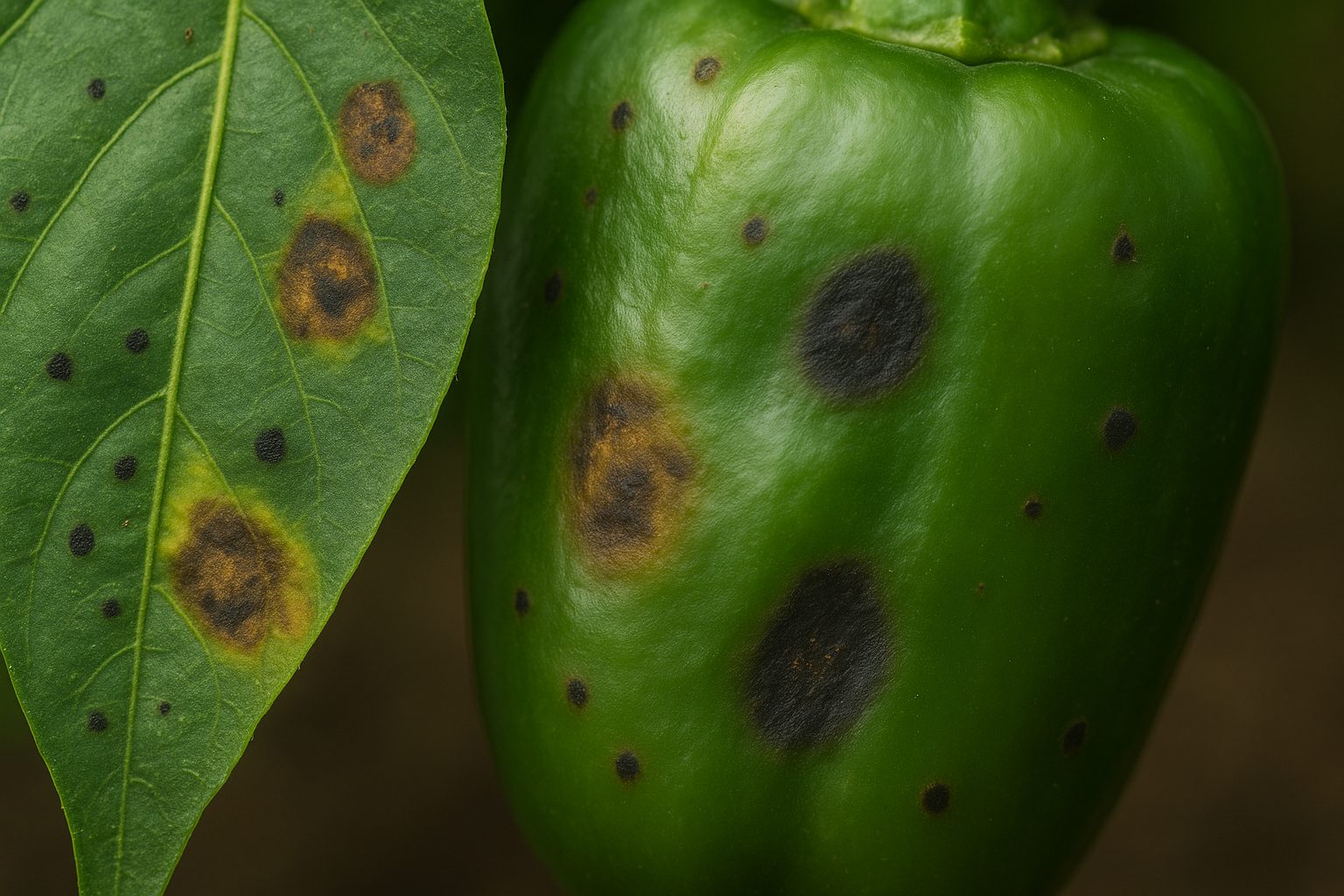
Black spots on pepper plants can appear in various forms, sizes, and shades, often confusing even experienced gardeners. Some spots may be tiny pinpoints scattered across leaves, while others grow into larger blotches covering significant portions of the foliage or fruit. The color can also vary; although most spots are deep black, you might notice dark brown, gray, or even purplish marks, sometimes surrounded by yellow halos.
It’s important not to confuse these irregular, spreading patches with the normal color changes that occur as peppers ripen. Healthy ripening usually features an even transition from green to red, yellow, or orange, without any spotty or irregular discoloration. If you see isolated black or brown lesions—especially those that feel sunken, water-soaked, or fuzzy—it’s likely a sign of disease, pest damage, or nutrient deficiency rather than a natural aging process.
Accurately identifying the cause of black spots is vital for effective treatment; for example, what works for bacterial leaf spot won’t help if your plant is suffering from sunscald or a fungal infection like anthracnose. Take close-up photos and examine whether the spots:
- Rub off (indicating mold)
- Are dry and sunken (often sunburn)
- Have a yellow border (typical of bacterial issues)
If you’re unsure, consult your local extension office or a reputable gardening group online with clear images for tailored advice. Quick identification can save your pepper crop, as prompt and targeted action—such as removing affected leaves, adjusting watering routines, or applying the appropriate fungicide—will prevent the problem from spreading to healthy parts of the plant.
Common Causes of Black Spots: Disease and Disorders
Several common plant diseases and disorders can cause black spots on leaves, stems, or fruit, with fungal infections being some of the biggest culprits. For example, anthracnose is a widespread fungal disease that affects various plants, causing small, dark, sunken spots on leaves, fruit, or stems. These spots typically start out tan or brown, then turn black as the disease progresses. They can merge to form larger blotches, leading to leaf yellowing and premature drop. Moist, humid conditions favor anthracnose outbreaks, so avoid overhead watering and remove infected debris to help control its spread.
Bacterial leaf spot is another major concern. It creates water-soaked lesions that transition to black or dark brown with yellow halos. This infection can easily spread through splashing water or handling infected plants. To minimize risk, always use clean tools and avoid working with plants when they’re wet.
Not all black spots are infectious, though; physiological disorders can sometimes trick gardeners into thinking a disease is present. For instance, blossom end rot affects tomatoes and peppers, producing dark, leathery patches at the fruit’s blossom end. This is often due to inconsistent watering or calcium deficiency rather than pathogens. Sunscald can also cause blackened or bleached areas on fruit or leaves that are suddenly exposed to intense sunlight, especially after heavy pruning exposes previously shaded areas.
Pest damage—such as from thrips or aphids—can sometimes resemble black spots, causing minor wounds or leaving behind sooty mold from their secretions. Examining the pattern and location of black spots, along with considering recent weather or gardening practices, can help you distinguish among these causes to choose the best treatment plan.
How to Identify the Culprit: Simple Diagnosis Steps
When you notice spots or unusual symptoms on your plants, start diagnosing by closely examining the affected leaves and stems. Check the size, color, and pattern of the spots—are they small and circular, large and irregular, clustered near the edges, or scattered throughout?
For example, tiny round yellow spots may indicate fungal infections, while larger brown patches might suggest bacterial or physical damage.
Next, look for related symptoms: is the plant wilting despite adequate watering? Is there fuzzy mold on the undersides of leaves? Do you see any soft areas that could indicate rot?
Take notes and, if possible, snap a few photos.
Then, consider recent weather conditions—has it been rainy, humid, or particularly cool? Many plant diseases thrive in wet, crowded environments, so frequent moisture or poor air circulation can make certain issues more likely.
Compare your findings to reliable online resources, gardening books, or the plant care tabs on nursery websites to match symptoms to possible diseases or pest problems.
If your observations are inconclusive, or if the issue is spreading quickly despite basic care changes, don’t hesitate to seek professional help.
Your local extension service or a reputable nursery can often diagnose plant problems from clear photos and descriptions, offering tailored treatment advice to help save your plants before things get worse.
Early diagnosis—followed by the right intervention—makes all the difference in keeping your garden healthy.
Treatment Options for Black-Spotted Peppers
When black spots appear on your peppers, pinpointing the cause is the first step toward effective treatment.
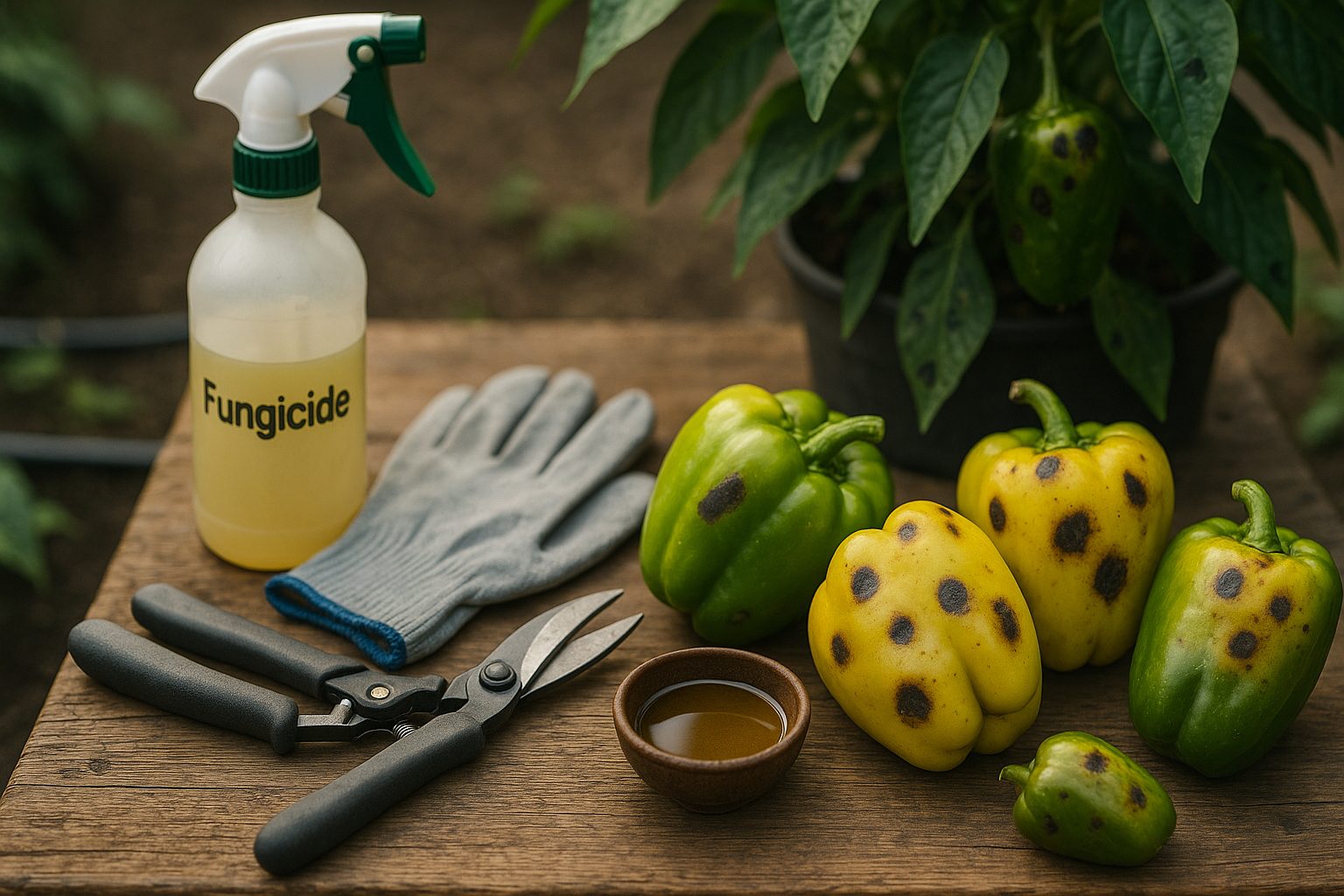
For fungal infections—often identified by fuzzy growth or spreading dark lesions—fungicides can be effective. Choose a product specifically labeled for vegetables, and always follow application instructions for safety and maximum effect. Spraying early in the morning helps prevent leaf burn, and wearing gloves plus washing your hands afterward minimizes exposure risk. Organic growers might prefer neem oil or sulfur-based sprays, which provide protection with minimal residue.
If you notice water-soaked spots that quickly turn black, bacteria may be to blame. In this case, applying a copper-based spray or an approved bactericide can curb the spread. Organic gardeners can opt for bio-fungicides containing beneficial microbes like Bacillus subtilis.
For both fungal and bacterial problems, remove and destroy heavily affected fruits and leaves instead of composting them. This helps limit disease re-infection.
Sometimes, black spots are not caused by pests or pathogens but by physiological disorders such as sunscald or blossom end rot. To counter these issues, try providing shade during peak sun hours, watering consistently, and using a calcium-rich fertilizer if needed. Mulching around plants can help retain soil moisture and keep roots cooler.
Whether using chemical or organic solutions, observe pre-harvest intervals listed on product labels to ensure any chemical residues dissipate before you pick your produce.
If the spotting is minor and fruits otherwise appear healthy, it’s usually safe to harvest and eat the peppers after trimming away affected spots. Thoroughly wash all produce, and remember: harvesting sooner rather than later can help stop the spread of the problem to other fruits on the plant.
With a mix of targeted treatments and good garden hygiene, you can effectively manage black-spotted peppers while keeping your harvest safe and delicious.
Best Practices for Prevention
Preventing plant diseases in your garden hinges on a few smart cultural and environmental strategies that can make all the difference.
Start by watering at the soil level instead of overhead—using a soaker hose or drip irrigation keeps leaves dry and discourages fungal diseases like powdery mildew.
Mulching around your plants conserves moisture, suppresses weeds, and stops soil-borne pathogens from splashing onto leaves during rain or watering.
Give your plants room to breathe, too; proper spacing increases air circulation, helping leaves dry faster and reducing the spread of disease.
Rotate your crops each season whenever possible—planting different families of vegetables in each bed every year helps disrupt the life cycle of pests and soil-borne diseases.
Choosing disease-resistant plant varieties is another excellent way to ward off problems before they start; local garden centers or extension offices can often recommend varieties tailored to your region.
Good garden hygiene is key as well—remove dead leaves, spent annuals, and other debris promptly, since pathogens often overwinter in plant matter left behind.
Remember to clean your tools with rubbing alcohol or a bleach solution after working in the garden, especially when moving between plants, to avoid unintentionally transferring disease.
Finally, make it a habit to regularly inspect your plants for symptoms like spots, wilting, or unusual discolorations so you can jump on any issues early—snip off affected leaves, isolate sick plants, or apply organic treatments as needed.
By building these habits into your routine, you’ll create a garden that’s naturally resistant to many of the most common plant diseases.
When to Worry: Is It Safe to Eat Black-Spotted Peppers?
Not all black spots on peppers mean trouble—in fact, many are completely harmless. If your pepper has small, dry speckles or slight patches that don’t feel mushy, it’s often just a natural response to sun exposure (known as sunscald) or minor bruising from handling.
Gardeners see this all the time, and these areas can just be trimmed away if you like, while the rest of the pepper is perfectly safe to eat.
However, if the black spots feel soft, look moldy, or are spreading rapidly, that could signal rot or a fungal infection. Any pepper with a mushy texture, fuzzy growth, or an off smell should go straight to the compost—don’t risk eating it.
If you’re harvesting from your garden and see occasional black freckles, simply cut around them and enjoy the rest. But if a large portion of the pepper is affected, especially with soft or sunken spots, it’s best to throw it out.
When in doubt, remember: firm, fresh-smelling peppers with only minor marks are generally safe. A quick trim or rinse is often all you need to enjoy your homegrown harvest with peace of mind.
Conclusion & Quick Reference
Black spots on pepper plants can be caused by various issues, including fungal diseases like anthracnose, bacterial infections, and environmental stresses such as overwatering, poor air circulation, and nutrient deficiencies. Accurately diagnosing the problem is key—look for additional symptoms like yellowing leaves, mold, or soft spots, and consider your watering habits and local weather conditions.
Treatments often involve removing affected leaves and fruits, applying appropriate fungicides or bactericides, and adjusting care routines to improve airflow and reduce moisture on the leaves. To prevent black spots, water at the soil level, prune regularly, provide enough spacing between plants, and use mulch to prevent soil splash.
Quick Checklist:
- Inspect your plants weekly
- Remove any black-spotted fruits or leaves
- Minimize overhead watering
- Keep tools clean
- Rotate crops seasonally
Maintaining healthy soil and proper feeding also strengthens plant defenses. By staying alert and addressing problems early, you can keep your pepper plants vibrant and productive. Remember, successful gardening is an ongoing learning process—don’t hesitate to research or ask local experts if you encounter persistent issues. With regular care and a curious mindset, beautiful, spot-free peppers are within reach.